Is Wild Caught Fish Better for You Than Farm Raised
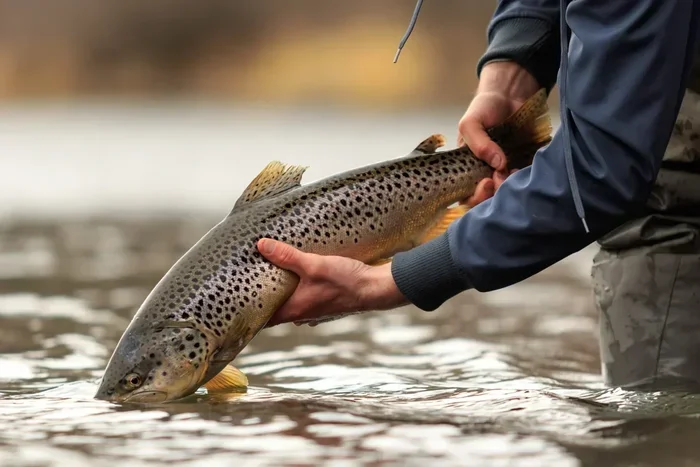
Wild caught fish generally offers higher omega-3 levels and fewer contaminants than farm raised options. Farm raised fish can still be a good choice, but understanding the differences helps you make smarter decisions for your health. This guide breaks down everything you need to know about wild caught fish vs farm raised fish.
When you stand in the grocery store staring at the fish counter, the choice can feel overwhelming. You see packages labeled “wild caught” and others that say “farm raised.” Maybe you have wondered which one is actually better for you. The truth is, wild caught fish and farm raised fish are quite different in important ways. This article breaks down the real differences so you can make a confident choice at the store.
The debate between wild caught fish vs farm raised fish has been growing for years. More people want to know what they are eating and where it comes from. Whether you care about nutrition, taste, or the environment, understanding these differences matters. Let us dive into what makes each option unique and which one might be better for your health.
Key Takeaways
- Higher Omega-3 Content: Wild caught fish typically contains more omega-3 fatty acids, which support heart and brain health.
- Fewer Contaminants: Wild fish generally have lower levels of antibiotics and pesticides compared to farm raised fish.
- Better Nutritional Profile: The natural diet of wild fish leads to a more favorable nutrient breakdown.
- Environmental Impact Matters: Both wild catching and fish farming have environmental pros and cons to consider.
- Taste Differences Are Real: Many people notice a stronger, more distinct flavor in wild caught fish.
- Price Varies Widely: Wild caught fish often costs more, but the nutritional benefits may justify the expense.
- Smart Choices Count: Knowing where your fish comes from helps you pick the best option for your health goals.
📑 Table of Contents
- What Does Wild Caught Fish Mean?
- What Is Farm Raised Fish?
- Nutrition Comparison: Wild Caught vs Farm Raised
- Taste and Texture Differences
- Contaminants and Safety Concerns
- Environmental Impact: Wild Caught vs Farmed
- Which Should You Choose?
- Quick Tips for Buying the Best Fish
- Common Mistakes People Make When Buying Fish
- Expert Insights on Fish Quality
- Final Thoughts on Wild Caught vs Farm Raised Fish
What Does Wild Caught Fish Mean?
Wild caught fish comes from natural bodies of water like oceans, rivers, and lakes. These fish swim freely and eat a natural diet based on what their habitat provides. They hunt for smaller fish, crustaceans, and other organisms in the wild. This lifestyle shapes their nutritional profile in meaningful ways.
The Natural Diet of Wild Fish
Wild fish eat what nature provides. Their diet includes smaller fish, algae, plankton, and insects. This diverse diet gives them a rich supply of omega-3 fatty acids. Omega-3s are essential fats that your body needs but cannot produce on its own. They play a key role in reducing inflammation and supporting heart health.
Because wild fish move around constantly, they also develop leaner muscle tissue. This means less fat overall compared to farm raised fish. The result is a cleaner protein source with a better fat balance. Many nutrition experts point to this as a major advantage of wild caught options.
How Wild Fish Are Caught
Fishers use various methods to catch wild fish. These include trawling, longlining, purse seining, and pole fishing. Each method has different impacts on the ocean ecosystem. Some methods are more sustainable than others. Responsible fishing practices aim to reduce bycatch and protect marine habitats.
If you want to learn more about why wild caught options stand out, check out our deep dive on why wild caught fish is better for your health and the planet.
What Is Farm Raised Fish?
Farmed fish, also called aquaculture fish, are raised in controlled environments. These can be ocean pens, freshwater tanks, or ponds. Fish farmers feed the fish a controlled diet designed to promote fast growth. This approach produces large quantities of fish at a lower cost.
The Farming Process Explained
Fish farms control nearly every aspect of the fish’s life. They manage water temperature, feeding schedules, and growth conditions. The goal is to produce fish efficiently and affordably. Farm raised fish make up a growing share of the global seafood supply.
However, the farming environment changes the fish in ways that matter. Farm raised fish often contain more fat overall. Their diet includes processed feed, which may include soy, corn, and other grains. This diet alters the nutritional balance compared to wild fish.
Common Farm Raised Fish Species
Some fish are farmed more often than others. Salmon, tilapia, catfish, and carp are among the most commonly farmed species. Each has its own farming practices and nutritional profile. For example, farmed salmon is one of the most popular farmed fish worldwide. Understanding which fish are farmed helps you make informed choices.
Want to explore the full comparison between farm raised and wild fish? Our article on is farmed fish better than wild fish covers this topic in detail.
Nutrition Comparison: Wild Caught vs Farm Raised
The nutritional differences between wild caught and farm raised fish are significant. These differences affect your health in measurable ways. Let us break down the key nutritional factors.
Omega-3 Fatty Acids
Wild caught fish generally has higher levels of omega-3 fatty acids. The natural diet of wild fish provides these essential fats directly. Farm raised fish can still contain omega-3s, but the levels are often lower. The processed feed used in fish farming does not match the nutritional diversity of a wild diet.
Omega-3s support your heart, brain, and joints. They also help reduce inflammation throughout your body. If you are choosing fish for its health benefits, the omega-3 content should be a top priority. This is one of the strongest arguments for choosing wild caught options.
Protein Quality
Both wild and farmed fish provide high-quality protein. Protein from fish contains all essential amino acids your body needs. However, wild fish tend to have a slightly better amino acid profile. The active lifestyle of wild fish builds denser, more complete muscle tissue.
For those focused on protein intake, this difference matters. You want the most nutritional value from every bite. Wild caught fish delivers a cleaner protein source with fewer fillers.
Fat Content and Calorie Differences
Farm raised fish typically has more total fat than wild caught fish. The sedentary lifestyle and high-calorie feed contribute to this difference. While some fat is healthy, excess fat can change the overall nutritional value. Wild fish offers a leaner protein option for those watching their calorie intake.
| Nutrient | Wild Caught (per 100g) | Farm Raised (per 100g) |
|---|---|---|
| Omega-3 Fatty Acids | Higher levels | Lower levels |
| Total Fat | Lower | Higher |
| Protein | High quality | High quality |
| Calories | Lower | Slightly higher |
| Contaminants | Generally lower | Can be higher |
| Antibiotics/Pesticides | None | Possible traces |
Taste and Texture Differences
One factor people often overlook is taste. The flavor of fish depends heavily on its diet and lifestyle. Wild caught fish tends to have a more pronounced, complex flavor. The natural diet of wild fish contributes to a richer taste that many seafood lovers prefer.
Farm raised fish often has a milder flavor. The controlled diet and sedentary lifestyle produce a softer taste. Some people actually prefer this milder flavor, especially in recipes where the fish is heavily seasoned. However, if you enjoy the true taste of the ocean, wild caught fish delivers a more authentic experience.
Texture Comparison
The texture of wild caught fish is usually firmer and more dense. This comes from the active swimming lifestyle wild fish lead. Farm raised fish tends to be softer and more delicate. The difference is noticeable when you cook both side by side. Wild fish holds its shape better on the grill or in a pan.
For cooking tips on preparing fish, you might also enjoy our guide on which fish is better for frying to get the best results.
Contaminants and Safety Concerns
Safety is a major concern when choosing between wild caught and farm raised fish. Both options can contain contaminants, but the types and levels differ significantly.
Mercury and Heavy Metals
Wild caught fish can contain mercury, especially larger species like tuna and swordfish. Mercury accumulates in the ocean food chain over time. However, farm raised fish can also contain heavy metals from their feed and environment. The source of contamination differs, but both need monitoring.
The good news is that most fish species fall well within safe mercury limits. Eating a variety of fish helps minimize any single contaminant exposure. Choosing smaller fish species generally reduces mercury risk regardless of whether the fish is wild or farmed.
Antibiotics and Pesticides in Farmed Fish
Fish farms sometimes use antibiotics to prevent disease in crowded conditions. Pesticides may also be used to control parasites like sea lice. These chemicals can leave residues in the fish tissue. Wild caught fish does not contain these additives since the fish live in their natural environment.
This is one of the clearest advantages of wild caught fish. When you eat wild fish, you avoid the antibiotics and pesticides that may be present in farm raised options. Choosing wild caught reduces your exposure to these unwanted substances.
PCBs and Other Industrial Pollutants
Polychlorinated biphenyls (PCBs) are industrial chemicals that can accumulate in fish fat. Farm raised fish sometimes have higher PCB levels due to their higher fat content and the ingredients in their feed. Wild caught fish generally has lower PCB levels, though this varies by species and water source.
If you are concerned about chemical exposure, wild caught fish is typically the safer choice. Always buy fish from reputable sources that test for contaminants. Checking for certifications like MSC (Marine Stewardship Council) adds an extra layer of assurance.
Environmental Impact: Wild Caught vs Farmed
The environmental debate between wild caught and farm raised fish is complex. Neither option is perfect, and both have ecological impacts worth understanding.
How Wild Catching Affects Oceans
Wild fishing can deplete fish populations if not managed responsibly. Overfishing is a serious problem in many parts of the world. Bycatch, or catching unintended species, also harms marine ecosystems. However, sustainable wild fishing practices can maintain healthy fish populations.
Choosing wild caught fish from well-managed fisheries supports ocean health. Look for certifications like MSC or ASC to ensure your fish comes from sustainable sources. These labels verify that the fishing practices meet strict environmental standards.
The Environmental Cost of Fish Farming
Fish farms can pollute surrounding waters with waste and excess feed. Disease can spread from farmed fish to wild populations. Some farms also rely on wild fish to feed their farmed fish, which creates a cycle of ocean depletion. These concerns make some people skeptical of farm raised options.
However, modern fish farming is improving. Newer farms use closed-loop systems that reduce pollution. Some farms feed fish sustainable plant-based diets instead of relying on wild fish. The industry is moving toward more responsible practices, but there is still work to be done.
To understand how your seafood choices affect the planet, read our article on is eating fish better for the environment for a broader perspective.
Which Should You Choose?
The best choice depends on your priorities. If you want the highest nutritional value and lowest contaminant risk, wild caught fish is generally the better option. If budget is a major concern, farm raised fish offers an affordable alternative that still provides quality protein.
For a balanced approach, consider mixing both types into your diet. Choose wild caught fish for omega-3 rich species like salmon and sardines. Opt for farm raised fish for more affordable everyday meals. This strategy gives you the benefits of both options while managing costs.
Looking for broader guidance on choosing the right fish for your needs? Our article on which fish is better for you provides additional insights to help you decide.
Quick Tips for Buying the Best Fish
- Check the label: Look for “wild caught” or “farmed” on the packaging.
- Ask questions: At fish markets, ask where the fish was caught or raised.
- Look for certifications: MSC, ASC, and other labels indicate responsible sourcing.
- Vary your choices: Eating different types of fish reduces exposure to any single contaminant.
- Buy fresh when possible: Fresh fish tastes better and retains more nutrients than frozen alternatives.
- Consider the species: Some fish are better wild caught while others are fine farm raised.
Common Mistakes People Make When Buying Fish
Many shoppers make avoidable mistakes when buying fish. One common error is assuming all “fresh” fish is wild caught. In reality, much of the fresh fish at supermarkets is farm raised. Another mistake is focusing only on price and ignoring nutritional quality. Cheap fish may save money now but cost you in lost nutrients later.
Some people also assume that all farm raised fish is bad. This is not true. Well-managed fish farms can produce safe, nutritious fish. The key is knowing where your fish comes from and how it was raised. Avoiding these common mistakes helps you get the most value from every purchase.
Expert Insights on Fish Quality
Nutritionists and marine biologists generally agree on a few key points. First, wild caught fish offers superior omega-3 content and a cleaner nutritional profile. Second, farm raised fish can still be part of a healthy diet when sourced responsibly. Third, sustainability matters just as much as nutrition for the long-term health of our oceans.
Dr. Sarah Roberts, a marine nutrition researcher, notes that “the diet of the fish is the biggest factor in its nutritional quality. Wild fish eat a diverse natural diet that produces a superior fatty acid profile.” This insight reinforces why choosing wild caught fish can make a meaningful difference in your diet.
Final Thoughts on Wild Caught vs Farm Raised Fish
The choice between wild caught fish and farm raised fish comes down to your personal priorities. If nutrition, taste, and safety are your top concerns, wild caught fish has a clear edge. If affordability and availability matter more, farm raised fish still provides valuable protein and nutrients.
Understanding the differences empowers you to make better choices. You do not have to pick one side forever. A balanced approach that includes both options can work well for most people. The most important thing is to eat fish regularly, as it is one of the healthiest protein sources available.
Next time you are at the store, take a moment to read the labels. Choose wild caught fish when you can, and enjoy farm raised fish as a practical alternative. Your body and the planet will thank you for making informed choices.
Frequently Asked Questions
Is wild caught fish always better than farm raised?
Not always, but wild caught fish generally has higher omega-3 levels and fewer contaminants. Farm raised fish can still be a healthy choice, especially when sourced from well-managed farms. The best option depends on your health goals and budget.
Why is wild caught fish more expensive?
Wild caught fish costs more because it is harder to harvest and supply consistently. Fishers must follow seasonal patterns and travel to specific locations. The supply is limited compared to the controlled environment of fish farms, which drives up the price.
Does farm raised fish contain antibiotics?
Some farm raised fish may contain traces of antibiotics used to prevent disease in crowded farming conditions. However, regulations vary by country. Choosing fish from reputable sources and checking for certifications can help reduce your exposure to these additives.
Which fish is best to eat for omega-3 benefits?
Salmon, sardines, mackerel, and herring are among the best fish for omega-3 fatty acids. Wild caught versions of these fish typically offer the highest omega-3 content. Including a variety of these fish in your diet supports heart and brain health.
Is farm raised fish safe to eat?
Yes, farm raised fish is generally safe to eat. It provides quality protein and essential nutrients. However, it may contain higher levels of fat, antibiotics, or pesticides depending on farming practices. Buying from reputable sources ensures the fish meets safety standards.
How can I tell if fish is wild caught or farm raised?
Check the label on the packaging for “wild caught” or “farmed” designations. At restaurants or fish markets, you can ask the staff directly. Look for certifications like MSC for wild caught fish or ASC for farm raised fish to verify the source.
=== CONCLUSION ===
Wild caught fish offers clear advantages in nutrition, taste, and safety compared to farm raised fish. The higher omega-3 content, lower contaminant levels, and more natural lifestyle make wild caught fish a superior choice for health-conscious consumers. That said, farm raised fish still has a place in a balanced diet, especially when budget or availability is a concern.
Making informed choices about the fish you eat is one of the simplest ways to improve your health. Whether you choose wild caught or farm raised, the most important thing is to include fish in your diet regularly. Use the tips and insights from this guide to navigate the seafood aisle with confidence and choose what is best for you and your family.