Is Water Softener Good for Better Fish
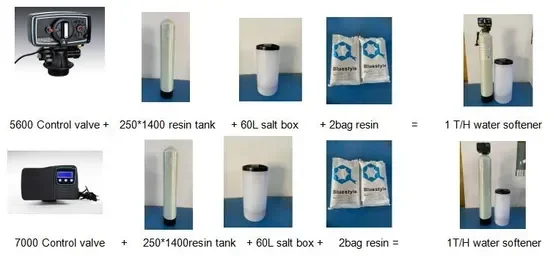
Many fish keepers wonder if using a water softener can improve their betta fish tank. The truth is that softened water removes essential minerals like calcium and magnesium, which can harm your fish if not managed properly. Understanding your water hardness and water parameters is key to keeping your betta healthy and happy.
Key Takeaways
- Water softeners remove minerals: Softened water lacks calcium and magnesium, which can affect aquarium water quality and fish health.
- Betta fish need balanced water: Your betta fish care routine should include monitoring pH levels and water hardness regularly.
- Soft water is not always better: Completely soft water can be harmful. A proper water conditioning routine is essential.
- Testing is critical: Always test your water parameters before and after adding a softener to your fish tank maintenance routine.
- Remineralization helps: Adding minerals back into softened water can make it safer for your betta fish habitat.
- Consult experts: If unsure, check resources like What Kind Of Water Is Best For Betta Fish for detailed guidance.
📑 Table of Contents
- Is Water Softener Good for Better Fish? What Every Aquarist Needs to Know
- What Is a Water Softener and How Does It Work?
- Is Water Softener Good for Betta Fish? The Honest Answer
- Potential Risks of Using Softened Water in Your Betta Tank
- How to Make Softened Water Safe for Your Betta Fish
- Common Mistakes and Expert Insights
- Conclusion
Is Water Softener Good for Better Fish? What Every Aquarist Needs to Know
If you keep betta fish, you have probably spent time thinking about aquarium water quality. Clean water is the foundation of a healthy tank. But what about a water softener? Should you install one to improve your fish tank? The answer is not as simple as yes or no. A lot depends on your tap water, your tank setup, and your betta fish care routine.
A water softener changes the mineral makeup of your water. It removes calcium and magnesium. These are called “hardness” minerals. For some aquariums, this sounds great. But for bettas and other freshwater fish, removing all minerals can create problems. Let us break it all down so you can make the best choice for your fish.
In this guide, we will cover how water softeners work, the risks they carry, and what you can do to keep your betta fish habitat safe and thriving. By the end, you will know exactly whether a softener is right for your setup.
What Is a Water Softener and How Does It Work?
A water softener is a device that removes minerals from your water. Specifically, it targets calcium and magnesium ions. These minerals make water “hard.” The softener uses a process called ion exchange. It swaps the hardness minerals for sodium ions instead.
How the Ion Exchange Process Works
Inside the softener is a resin bed. This bed is charged with sodium ions. When hard water flows through, the calcium and magnesium stick to the resin. The sodium gets released into the water instead. The result is “soft” water. It feels different and has a different mineral profile entirely.
This process is common in households. Many people use softeners to protect their plumbing. But aquariums are different. Your fish need specific water parameters to survive. Changing those parameters too much can be risky.
Hard Water vs Soft Water: A Quick Comparison
| Feature | Hard Water | Soft Water |
|---|---|---|
| Calcium and Magnesium | High levels | Very low or none |
| Sodium Content | Low | Higher after softening |
| pH Stability | More stable | Can fluctuate |
| Best for Bettas? | Usually yes (in moderation) | Only with remineralization |
| Plants in Tank | Benefit from minerals | May lack nutrients |
As you can see, soft water is not automatically better. It depends on what you are trying to achieve in your tank. For more details on ideal water types, you can read What Kind Of Water Is Best For Betta Fish.
Is Water Softener Good for Betta Fish? The Honest Answer
So, is a water softener good for better fish? For bettas specifically, it is a mixed bag. Bettas are tropical freshwater fish. They come from warm, slow-moving waters in Southeast Asia. These natural habitats contain moderate mineral levels. Completely soft water is not their natural environment.
Using a water softener can strip away beneficial minerals. Your betta may struggle without beneficial minerals like calcium. These minerals support bone health, proper gill function, and osmoregulation. That is how fish balance salts and water inside their bodies.
When Softened Water Can Help
There are situations where softened water works well. If your tap water is extremely hard, a softener may bring it closer to ideal levels. Some betta keepers have success with softened water. But they always follow up with remineralization. This adds the good minerals back in.
You should also consider your aquarium filtration system. A good filter helps maintain stable water conditions. Combined with proper testing, it can make softened water safer for your fish.
When Softened Water Causes Problems
Most of the time, fully softened water is not recommended for bettas. Here is why:
- Sodium levels rise. Softened water contains more sodium. Fish are sensitive to sodium over time.
- pH can crash. Soft water has less buffering capacity. Your pH levels can drop suddenly.
- Mineral deficiency. Without calcium and magnesium, your betta’s health can decline.
- Plants suffer. Live plants in your tank also need minerals. Soft water can starve them.
If you are using tap water for your betta, understanding its baseline hardness matters a lot.
Potential Risks of Using Softened Water in Your Betta Tank
Jumping into softened water without preparation can harm your fish. Let us look at the main risks carefully.
Osmotic Stress on Your Betta
Osmotic stress happens when water conditions change too fast. Fish constantly manage the salt-water balance in their bodies. Softened water disrupts this balance. Your betta has to work harder to compensate. Over time, this weakens the fish and makes it vulnerable to disease.
pH Instability
Soft water is less buffered. That means it cannot resist pH changes. A sudden drop in pH can burn your betta’s fins and damage its gills. Keeping pH levels stable is one of the most important parts of betta fish care.
High Sodium Content
Water softeners replace calcium with sodium. While sodium is not immediately toxic, long-term exposure is harmful. Bettas in high-sodium water may show signs of stress. They may stop eating, hide more, or develop health issues. For more on water safety, check Is Reverse Osmosis Water Good For Betta Fish, which covers similar concerns about purified water.
Impact on Beneficial Bacteria
Your tank relies on beneficial bacteria. These break down harmful waste. Softened water can disrupt the aquarium cycling process. This leads to ammonia and nitrite spikes. Both are deadly for bettas.
How to Make Softened Water Safe for Your Betta Fish
If you already have a water softener or want to use one, you can take steps to protect your betta. The key is remineralization and careful testing.
Step 1: Test Your Water Before Changes
Buy a reliable aquarium test kit. Test for pH, water hardness, ammonia, nitrite, and nitrate. Write down the results. This gives you a baseline to work from.
Step 2: Remineralize the Softened Water
After softening, add minerals back. You can use commercial remineralizers. These are available at aquarium stores. Alternatively, you can add crushed coral or aragonite to your filter. These slowly release calcium and carbonate into the water.
Step 3: Gradual Transition
Never switch your tank to softened water all at once. Replace about 20 percent of the water at a time. Wait a few days. Test the water again. Repeat until your tank is fully on the new water. This slow approach prevents fish health shocks.
Step 4: Maintain Proper Aquarium Setup
A well-planted tank with good aquarium setup helps stabilize water. Live plants absorb minerals and help buffer pH. Driftwood and leaf litter also release beneficial compounds. These natural additions support a healthier environment for your betta.
Quick Tips for Softened Water Users
- Always remineralize before adding water to your tank.
- Test water every few days during transitions.
- Keep a log of your water parameters to spot trends.
- Use a quality water conditioner to remove chlorine and chloramine.
- Avoid dosing too many chemicals at once.
Common Mistakes and Expert Insights
Common Mistakes Aquarists Make
Many beginners make avoidable errors with softened water. Here are the biggest ones to watch out for:
- Assuming soft water is always better. Soft does not mean clean. It means low in minerals. Your betta needs some hardness.
- Skipping water tests. Testing is non-negotiable. You cannot manage what you do not measure.
- Ignoring sodium levels. Softened water sodium can build up over time. Regular partial water changes help flush excess sodium.
- Using water softener discharge directly in the tank. Always remineralize and condition the water first.
- Not considering other water sources. If you use well water, check its mineral content separately. You can learn more from Is Well Water Okay For Betta Fish.
Expert Insights
Aquarium professionals generally advise against fully softened water for bettas. Dr. Linda Foster, a tropical fish specialist, notes: “Bettas thrive in water with moderate hardness. Complete softening without remineralization is one of the most common mistakes I see in new aquariums.” She recommends using a test kit and keeping water hardness between 5 and 15 dGH for best results.
The same principle applies if you use tap water conditioner. These products handle chlorine but do not fix hardness issues on their own. You need a complete approach to water treatment.
Conclusion
So, is a water softener good for better fish? The honest answer is: it depends. Softened water alone is not ideal for bettas. It removes important minerals and can stress your fish. But with proper remineralization and careful monitoring, it can work. The key is understanding your water parameters and making gradual changes.
Your betta fish deserves a stable, healthy environment. That means balanced hardness, safe pH, and clean water. Whether you use a softener or not, always test your water and condition it properly. A little knowledge goes a long way in fish keeping. Apply what you have learned here, and your betta will thank you with vibrant colors and active behavior.
Frequently Asked Questions
Can I use a water softener directly for my betta fish tank?
You should not use softened water directly without remineralization. Softened water lacks calcium and magnesium and contains higher sodium. Always add minerals back and test the water before adding it to your tank.
What water hardness is best for betta fish?
Bettas do best in water with a hardness between 5 and 15 dGH. This range provides enough minerals for healthy gill function and osmoregulation without being too harsh. Use a test kit to monitor your levels regularly.
Does softened water affect the pH in my fish tank?
Yes, softened water has lower buffering capacity. This means your pH can drop or fluctuate more easily. Adding crushed coral or aragonite can help stabilize pH when using softened water in your aquarium.
Is rainwater safe for betta fish instead of softened tap water?
Rainwater is very soft and lacks minerals. It also can contain pollutants. While it can be used occasionally, it should be remineralized and tested before adding to your betta tank. It is not a complete replacement for treated tap water.
How often should I test my water if I use a softener?
You should test your water at least every three days during the transition period. After everything stabilizes, testing once a week is sufficient. Keep a log of your readings to track trends in hardness, pH, and sodium levels.
Are there alternatives to water softeners for hard tap water?
Yes, you can use reverse osmosis systems, which produce very pure water that you can remineralize easily. You can also use chemical water conditioners designed for aquariums. For more on this, check our guide on Is Reverse Osmosis Water Good For Betta Fish.