Is Water Pump Fish Tank Needed Betta
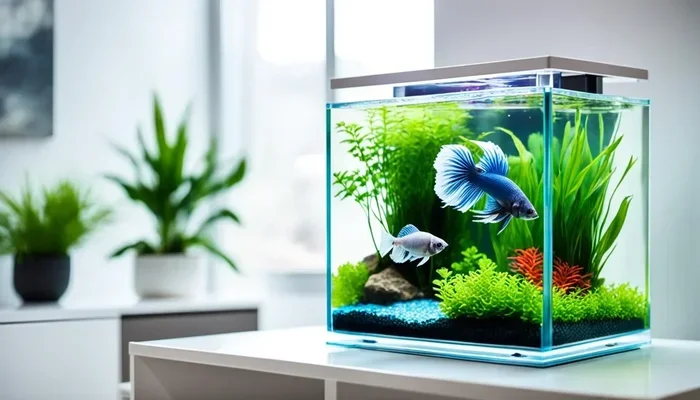
Many betta fish owners wonder if a water pump is truly necessary for their tank. The answer depends on your tank size, filtration setup, and your betta’s individual needs. While bettas can survive without a strong water pump, gentle water movement helps maintain oxygen levels and keeps the tank cleaner. This guide covers everything you need to know about choosing the right setup for your betta fish tank.
Keeping a betta fish tank healthy and thriving starts with understanding your fish’s needs. One question that comes up a lot among betta owners is whether a water pump is really necessary. Some tanks look beautiful with gentle ripples on the surface, while others sit perfectly still. So, do you actually need to run a water pump for your betta?
The short answer is: it depends. Betta fish can survive without a water pump, especially in smaller tanks with regular maintenance. However, a pump or filter can make your life easier and improve your fish’s quality of life. Let’s dive deep into this topic so you can make the best decision for your betta fish care routine.
If you’re new to keeping bettas, this guide will walk you through everything step by step. We’ll cover what water pumps do, when your betta actually needs one, and what alternatives you can try. By the end, you’ll feel confident about your tank setup choices.
Key Takeaways
- Bettas don’t always need a water pump: They can live comfortably in tanks with gentle or no water movement, especially with proper filtration.
- Gentle water flow is beneficial: It helps distribute heat, oxygenate the water, and prevent stagnant spots in the tank.
- Sponge filters are ideal for bettas: They provide biological filtration without creating strong currents that stress your fish.
- Tank size matters: Larger tanks benefit more from water pumps and filters than small bowls or vases.
- Watch for signs of stress: If your betta struggles against the current or hides constantly, the pump may be too strong.
- Alternative options exist: Air stones, sponge filters, and regular water changes can replace a traditional water pump.
📑 Table of Contents
- What Does a Water Pump Do in a Fish Tank?
- Do Betta Fish Actually Need a Water Pump?
- Types of Water Pumps and Filters for Betta Tanks
- How to Tell If Your Betta Tank Needs a Pump
- How to Choose the Right Pump for Your Betta Tank
- Common Mistakes People Make with Pumps in Betta Tanks
- Final Thoughts on Water Pumps for Betta Tanks
What Does a Water Pump Do in a Fish Tank?
A water pump moves water around inside the aquarium. It creates water circulation that helps distribute heat, oxygen, and nutrients throughout the tank. Without any movement, the water can become stagnant, which leads to poor water quality over time.
Here is what a water pump actually does behind the scenes:
- Distributes heat evenly: Warm water stays on top and cold water sinks. A pump mixes these layers so the whole tank stays at a consistent temperature.
- Oxygenates the water: Movement at the surface helps oxygen dissolve into the water. This is essential for your betta’s breathing.
- Supports filtration: Most filters rely on water flow to work properly. The pump pushes water through filter media to remove waste and toxins.
- Prevents dead spots: Stagnant corners can collect debris and build up harmful chemicals like ammonia.
Not every tank needs a separate water pump. Many hang-on-back filters and internal filters have built-in pumps that handle circulation. The key is finding the right balance for your specific setup.
Do Betta Fish Actually Need a Water Pump?
Here is where things get interesting. Betta fish are native to slow-moving waters in Southeast Asia. They live in rice paddies, shallow streams, and standing ponds. In the wild, these environments have very gentle water movement. So, do they need a pump in captivity?
The honest truth is that bettas do not require a strong water pump. They can live perfectly fine in still water as long as you maintain it properly. However, there are clear benefits to having some water movement in the tank.
The Case for No Pump
Some betta owners keep their fish in small bowls or tanks with no pump at all. This works if you follow a strict maintenance schedule. You need to do frequent water changes, usually around 25 to 50 percent every few days. Without any circulation, waste can build up quickly, which is why tank cleanliness becomes your top priority.
Bettas are labyrinth fish, which means they breathe air from the surface. This gives them an advantage in still water because they can gulp air directly. In a well-maintained tank with no pump, a healthy betta can thrive for years.
The Case for a Gentle Pump
On the other hand, adding gentle water movement offers real advantages. Stable temperature is one of the biggest benefits. A small pump or filter helps spread heat evenly across the tank, so you avoid hot and cold zones.
Gentle circulation also helps with water quality. It prevents debris from settling in corners and keeps the environment fresher for longer. This means less work for you during routine tank maintenance.
Most experts agree that a gentle flow rate is ideal for bettas. You want enough movement to keep the water circulating but not so much that your fish struggles against the current.
Types of Water Pumps and Filters for Betta Tanks
Not all pumps are created equal. When it comes to betta fish tank setup, you have several options. Each one offers different levels of water movement and filtration. Let’s break them down.
Sponge Filters
Sponge filters are hands down the best option for betta tanks. They sit at the bottom of the tank and use an air pump to pull water through a porous sponge. This provides excellent biological filtration without creating a strong current.
Here is why sponge filters work so well for bettas:
- Very gentle flow: The water moves slowly through the sponge, so your betta won’t feel stressed.
- Affordable: Sponge filters cost just a few dollars and last a long time.
- Easy to clean: You can rinse the sponge in tank water during water changes.
- Safe for fry and small fish: There are no sharp parts or strong suction to worry about.
If you want the safest and simplest option for your betta, a sponge filter is the way to go. It gives you the benefits of water circulation without the risks.
Hang-On-Back Filters
Hang-on-back filters attach to the back of the tank and pull water through filter cartridges. These are more powerful than sponge filters and work well for larger tanks. However, they can create strong currents that bother some bettas.
If you use a hang-on-back filter, try reducing the flow rate. You can baffle the outflow with a sponge or adjust the valve to weaken the current. This makes the filter more betta-friendly without losing its cleaning power.
Internal Filters
Internal filters sit inside the tank and are usually smaller and less powerful than hang-on-back models. They work well for tanks under 10 gallons. Many internal filters come with adjustable flow settings, which makes them a good middle-ground option.
Some internal filters also have a built-in air pump that creates gentle bubbles. This adds a bit of water movement and surface agitation without overwhelming your betta.
Air Stones and Air Pumps
An air stone connected to a small air pump creates gentle bubbles that stir the water surface. This is not a traditional water pump, but it does help with oxygenation and light circulation. Air stones are quiet, inexpensive, and very safe for bettas.
If you want to add some movement without a full filtration system, an air stone is a great choice. It also gives your tank a nice aesthetic with gentle bubbling.
How to Tell If Your Betta Tank Needs a Pump
Not sure whether your current setup is working? Here are some clear signs that your betta fish tank might benefit from a water pump or better circulation.
Your Water Gets Dirty Fast
If you notice debris collecting in corners or the water turning cloudy quickly, you likely need better circulation. Stagnant water traps waste and makes it harder for your filter to do its job. A gentle pump can help keep particles suspended so your filter catches them.
Temperature Swings
Does one side of the tank feel warmer than the other? Uneven heat distribution is a sign that water is not moving enough. A small pump can solve this problem and keep the temperature stable throughout the tank.
Your Betta Seems Stressed
Watch your fish’s behavior closely. If your betta is constantly hiding, clamping its fins, or struggling against the current, something is wrong. A pump that is too strong can cause real stress. On the flip side, if your betta seems lethargic in still water, adding gentle circulation might help.
Algae Is Growing Too Quickly
Excessive algae growth can sometimes be linked to poor water movement. Stagnant areas allow nutrients to build up, which feeds algae. A gentle pump helps distribute these nutrients more evenly so they don’t concentrate in one spot.
How to Choose the Right Pump for Your Betta Tank
When you do decide to add a pump, choosing the right one matters a lot. Not every pump is suitable for a betta tank. Here is what to look for.
Consider Your Tank Size
The size of your tank determines how powerful your pump needs to be. A general rule is to turn over the tank water about 4 times per hour. So for a 5-gallon tank, you want a pump rated for about 20 gallons per hour. For a 10-gallon tank, aim for around 40 gallons per hour.
Always choose a pump rated for a smaller flow than your tank size if your betta seems sensitive to current. You can always increase the flow later, but you cannot easily decrease it.
Look for Adjustable Flow
Pumps with adjustable flow settings give you more control. You can start with a low setting and increase it gradually while watching your betta’s reaction. This is the safest approach for new setups.
Check the Noise Level
Some pumps vibrate or hum loudly, which can be annoying in a quiet room. Look for models that are specifically labeled as quiet or whisper-quiet. Sponge filters with air pumps tend to be the quietest option.
Prioritize Safety
Make sure any pump you buy is designed for aquarium use. Avoid pumps with sharp edges or exposed parts that could injure your betta. Also, ensure the pump is properly grounded and uses a drip loop to prevent water from reaching electrical outlets.
Common Mistakes People Make with Pumps in Betta Tanks
Even experienced fish keepers make mistakes when setting up their tanks. Here are the most common errors to avoid.
Using a Pump That Is Too Strong
This is the number one mistake. A powerful pump creates a strong current that can exhaust your betta. Bettas are not built to swim against fast-moving water for long periods. If your fish looks like it is constantly fighting the flow, the pump is too strong.
Skipping Filtration Entirely
Some owners think a pump alone is enough. But a pump without proper filtration does not remove harmful toxins from the water. You need a filter that provides biological, mechanical, and chemical filtration to keep the water truly clean.
Ignoring Regular Maintenance
Even the best pump will not save you from skipping water changes. A pump helps with circulation, but it does not replace the need for routine maintenance. Clean your filter media monthly and do partial water changes every one to two weeks.
Placing the Pump Wrong
The position of your pump matters more than you think. Pointing the outflow directly at your betta will cause stress. Instead, aim the flow toward the tank wall or use a spray bar to diffuse the current.
Final Thoughts on Water Pumps for Betta Tanks
So, is a water pump needed for a betta fish tank? The answer is nuanced. Betta fish do not absolutely require a water pump, but gentle water movement offers real benefits for both the fish and the tank environment. Whether you choose a sponge filter, a hang-on-back filter, or simply commit to regular water changes, the most important thing is keeping your water clean and your betta comfortable.
Every betta is different. Some fish love a little current, while others prefer calm water. Pay attention to your individual fish and adjust accordingly. With the right setup and consistent care, your betta will thrive in any environment you choose.
Remember that water quality is the foundation of good betta care. No pump can replace clean, properly conditioned water. Start with the basics, observe your fish, and build from there. Your betta will thank you with vibrant colors and active, healthy behavior.
If you are still unsure about your setup, consider consulting with experienced aquarists or visiting your local fish store for advice. They can help you pick the right equipment for your specific tank and give you confidence in your choices.
Frequently Asked Questions
Can betta fish live without any water pump at all?
Yes, betta fish can live without a water pump as long as you perform regular water changes and maintain good water quality. In small tanks, a sponge filter or air stone can provide enough gentle movement to keep the environment healthy without stressing your fish.
What type of pump is safest for a betta fish tank?
A sponge filter with a small air pump is the safest option. It provides gentle water circulation and biological filtration without creating a strong current. This setup is perfect for bettas and works well in tanks up to 10 gallons.
How do I know if my betta is stressed by the water pump?
Watch for signs like clamped fins, hiding constantly, struggling against the current, or refusing to eat. If your betta shows these behaviors, the pump flow is likely too strong. Try reducing the flow or switching to a gentler filter option.
Can I use a regular aquarium pump for my betta tank?
Yes, but you must adjust the flow rate to be gentle. Most aquarium pumps are too strong for bettas right out of the box. Use a valve or baffle to reduce the current, and always observe your fish’s reaction after making changes.
How often should I run the water pump in my betta tank?
You should run the pump continuously, 24 hours a day, 7 days a week. Turning it off disrupts water circulation and can cause temperature swings and poor oxygen levels. If the noise bothers you at night, use a sponge filter or air stone, which runs silently.
Does a water pump help prevent algae in a betta tank?
Yes, gentle water movement helps prevent algae by distributing nutrients more evenly throughout the tank. This prevents nutrient buildup in one area where algae thrives. However, algae growth also depends on light exposure and nutrient levels, so a pump alone cannot eliminate it completely.