Is Trout Fishing Better in a River or Lake

Trout fishing in rivers offers exciting current challenges and natural food sources, while lake fishing provides wider open water and varied depths. Both options have unique advantages depending on the trout species, fishing season, and your preferred fishing techniques. This guide breaks down everything you need to know.
Every angler faces the same big question at some point. Should you fish for trout in a river or a lake? The answer is not as simple as you might think. Both options bring something special to the table. Rivers give you rushing water and wild trout. Lakes give you calm waters and big trophy fish. Your choice depends on what kind of freshwater fishing experience you want.
Let us break this down in a way that makes sense. Whether you are a beginner or a seasoned angler, understanding the differences between river fishing and lake fishing will help you catch more trout. We will cover habitats, techniques, gear, and timing. By the end, you will know exactly where to cast your line.
Key Takeaways
- River fishing gives you fast-moving water and natural currents that trout love.
- Lake fishing offers deeper water and more consistent trout action throughout the day.
- Water temperature plays a huge role in where trout feel most comfortable.
- Fishing gear should match your chosen water type for the best results.
- Trout behavior changes with seasons, so adapt your approach accordingly.
- Fly fishing shines in rivers, while bait fishing often works better in lakes.
- Fishing success depends more on understanding trout habitat than picking the right water body.
📑 Table of Contents
- Understanding Trout Habitats
- River vs Lake: Which Is Better for Trout Fishing?
- Comparing Fishing Techniques
- Best Times and Seasons for Trout Fishing
- Comparing River and Lake Trout Fishing Side by Side
- Tips for Maximizing Your Catch
- Common Mistakes to Avoid
- Expert Insights on Trout Fishing Locations
- Final Thoughts
Understanding Trout Habitats
Trout are freshwater fish that thrive in specific environments. They need clean, cool water with plenty of oxygen. But rivers and lakes offer very different living conditions. Let us look at what each habitat brings to the table.
River Habitats for Trout
Rivers are dynamic environments. The water moves constantly. Currents create natural food lanes for trout. Trout in rivers tend to be smaller but more active. They hide behind rocks and in eddies to save energy while waiting for food to float by.
River trout love areas where the current speed slows down. These spots are called seams. They sit between fast-moving water and calm pools. This is where you will find trout feeding most actively. Fishing when water is rising or falling can also change where trout hold in a river.
Lake Habitats for Trout
Lakes offer a completely different world. The water is still and deep. Trout in lakes can grow much larger because food is abundant. They roam freely through different depth zones. Some stay near the surface. Others hang deep near the bottom.
Lake depth matters a lot. In summer, trout often move to deeper, cooler water. In spring and fall, they stay closer to the surface. Finding the right trout behavior patterns in lakes takes patience and observation.
River vs Lake: Which Is Better for Trout Fishing?
This is the question everyone wants answered. The truth is that both have strong advantages. Your skill level, gear, and goals should guide your choice.
Why River Fishing Works Well
River fishing is exciting and hands-on. The current keeps things interesting. You need to read the water carefully. Each pool and riffle tells a story about where trout might be hiding.
Fly fishing is the go-to method for rivers. The natural drift of flies mimics insects on the water. It feels incredibly rewarding when a trout takes your fly in moving water. Bait fishing also works well in rivers, especially with live worms or minnows.
Rivers also give you a great workout. Casting in current builds your skills fast. You learn to control your rod and reel in challenging conditions. Every fishing trip feels like an adventure.
Why Lake Fishing Works Well
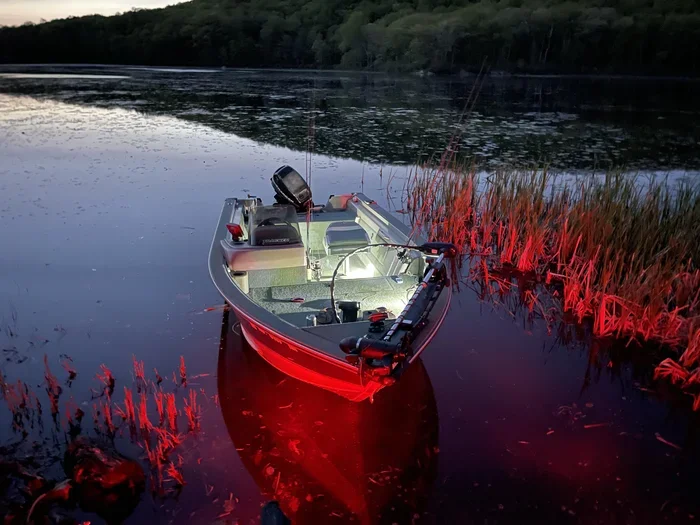
Lake fishing is more relaxed and forgiving. You can cover a lot of water from the shore or a boat. The still water makes it easier to spot trout feeding near the surface.
Trolling is a popular technique in lakes. You drag lures behind a slow-moving boat. This covers huge areas and finds active fish. Shore fishing from a dock or pier also works well. You can use fishing with or without a bobber to find what works best in lake conditions.
Lakes often have more consistent fishing success because trout stay in predictable zones. If you find the right spot, you can return again and again.
Comparing Fishing Techniques
The fishing techniques you use should match the water type. What works in a river will not always work in a lake. Here is how they compare.
Techniques for River Trout
- Fly fishing with dry flies or nymphs is the gold standard for rivers.
- Spin fishing with small spinners works great in current seams.
- Drift fishing lets your bait flow naturally with the current.
- Float fishing keeps your bait at the right depth in moving water.
Techniques for Lake Trout
- Trolling with downriggers reaches deep trout in large lakes.
- Still fishing from the shore or a boat is simple and effective.
- Jigging works well when trout hold near the bottom.
- Topwater fishing can be thrilling when trout feed near the surface.
Your fishing gear should match the technique. Lighter rods work best for rivers. Heavier setups handle the deeper waters of lakes. Choosing the right gear makes a big difference in your overall experience.
Best Times and Seasons for Trout Fishing
Timing is everything when it comes to catching trout. Both rivers and lakes have prime windows throughout the year. Knowing when to fish gives you a serious edge.
Spring Fishing
Spring is prime time for both river and lake trout. Water temperatures start to rise. Trout become more active and hungry. In rivers, spring runs bring fresh fish into the system. In lakes, trout move shallow to feed on spawning insects.
Fishing in the rain can actually be a great idea during spring. Rain aerates the water and washes insects into the river. Trout feed aggressively during these conditions. Many anglers say fishing is better in the rain because trout are less spooky and more willing to bite.
Summer Fishing
Summer heat creates challenges. River water can warm up too much. Trout seek cooler, deeper pools. Early morning and late evening are the best times. Fishing at night or day both have their merits in summer. Night fishing can be incredibly productive when the water heats up.
In lakes, summer stratification pushes trout into deep, cool layers. You need to go deep to find them. This is where trolling and downrigging pay off.
Fall and Winter Fishing
Fall brings cooler water and active trout. Both rivers and lakes come alive again. Trout feed heavily before winter. Winter fishing is quieter but still possible. Slow presentations work best in cold water.
Comparing River and Lake Trout Fishing Side by Side
Sometimes a side-by-side comparison helps you decide. Here is a quick look at the key differences.
| Factor | River Fishing | Lake Fishing |
|---|---|---|
| Water Movement | Fast, flowing current | Still, calm water |
| Trout Size | Smaller, more active | Larger, more varied sizes |
| Fishing Techniques | Fly fishing, drift fishing | Trolling, still fishing |
| Accessibility | Many wade-accessible spots | Shore and boat fishing |
| Learning Curve | Steeper, more technical | Easier for beginners |
| Fishing Season | Year-round in some areas | Seasonal patterns matter more |
| Fishing Spots | Many small, hidden pools | Fewer but larger zones |
Neither option is better overall. They are just different. Your personal preference and fishing style should guide the choice. Some anglers love the thrill of river fishing. Others prefer the calm consistency of lake fishing. Both offer incredible trout fishing experiences.
Tips for Maximizing Your Catch
No matter where you choose to fish, these tips will improve your results.
- Match the hatch. Observe what insects are on the water and use flies or lures that mimic them.
- Fish during low light. Early morning and late evening are golden hours for trout fishing.
- Watch the weather. Overcast days often produce better results than bright sunny days.
- Stay quiet. Trout have excellent senses. Loud noises will spook them fast.
- Use the right line. Clear or green fishing line can make a difference in visibility. Choose based on water clarity.
- Practice catch and release. This keeps trout populations healthy for future fishing trips.
Common Mistakes to Avoid
Even experienced anglers make mistakes. Here are some common ones to watch out for.
- Using the wrong gear. Heavy rods scare trout in rivers. Light tackle works better.
- Fishing at the wrong time. Midday summer fishing in rivers often yields poor results.
- Ignoring water temperature. Trout are cold-water fish. Too warm or too cold and they stop feeding.
- Moving too fast. Spend time in each spot. Patience pays off in trout fishing.
- Overlooking the basics. Knot tying, casting accuracy, and line management matter more than fancy lures.
Expert Insights on Trout Fishing Locations
Experienced anglers often say that location matters more than water type. A well-chosen river spot will outperform a poor lake spot every time. The key is understanding trout habitat and reading the water.
Many anglers compare inshore or offshore fishing strategies when thinking about freshwater locations. The concept is similar. In rivers, you read current and structure. In lakes, you read depth and temperature layers. Both require knowledge and observation.
Some experts also note that fishing after a storm or during changing weather patterns can trigger aggressive feeding in both rivers and lakes. Trout sense the changes in barometric pressure and feed heavily before storms move in.
Ultimately, the best fishing happens when you understand the fish. Spend time watching the water. Learn where trout hold and why. Once you crack that code, you will catch trout in any body of water.
Final Thoughts
So, is trout fishing better in a river or lake? The honest answer is both. Rivers offer excitement, natural current challenges, and beautiful scenery. Lakes offer bigger fish, relaxed fishing, and consistent action. Your choice comes down to what you enjoy most.
If you love the rush of fighting a trout in fast water, go to the river. If you prefer a peaceful day casting into open water, choose the lake. Either way, you are in for a great time on the water. Grab your rod and reel, pick your spot, and enjoy the adventure of freshwater fishing. The trout are waiting for you.
Frequently Asked Questions
What is the best time of day for trout fishing in rivers?
Early morning and late evening are the best times. Trout feed actively during low light conditions. Midday fishing in rivers can still work but expect slower action. Fishing at night or day both have their benefits depending on the season.
Can you catch big trout in rivers?
Yes, absolutely. While lake trout often grow larger, rivers can hold trophy-sized fish too. Look for deep pools and structure where big trout hold. Using the right fishing gear and techniques increases your chances of hooking a large river trout.
Is fly fishing better for rivers or lakes?
Fly fishing shines in rivers where the current helps create natural drifts. However, fly fishing in lakes can be very productive too, especially during insect hatches. Both water types offer great opportunities for fly fishing enthusiasts.
Does water temperature really affect trout fishing?
Yes, water temperature is critical. Trout prefer cool water between 50 and 65 degrees Fahrenheit. When water gets too warm, trout become sluggish and stop feeding. This applies to both rivers and lakes. Always check the water temperature before you head out.
What should I bring for a day of lake trout fishing?
Bring a medium-weight rod and reel, a variety of lures and bait, a cooler for your catch, and a portable chair for comfort. Consider using a bobber to detect bites. Also pack sunscreen and plenty of water. A good fishing day starts with proper preparation.
How do I find the best fishing spots in a river?
Look for seams, pools, and areas where fast water meets slow water. Trout hold in these spots to conserve energy while waiting for food. Also pay attention to underwater structure like rocks and fallen trees. Fishing when water is rising or falling can reveal new spots that were previously underwater.