Is Salt Good for Curing Most Diseases in Betta Fish
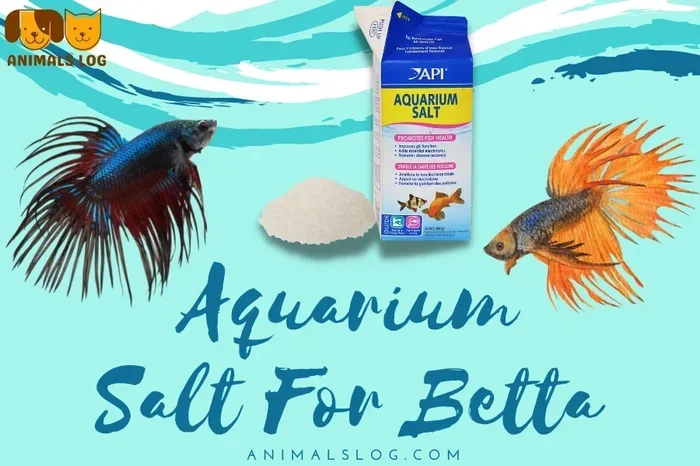
Many betta fish owners turn to salt as a go-to remedy for treating common diseases. Salt can help cure mild infections, reduce stress, and support healing in betta fish. However, it is not a cure-all, and using the wrong type or amount can harm your fish. This guide covers everything you need to know about using salt safely and effectively.
Is salt good for curing most diseases in betta fish? This is a question that every betta owner asks at some point. Maybe your fish has white spots, swollen eyes, or torn fins. You want a quick fix. Salt seems like the easiest option sitting right in your kitchen cabinet. But before you reach for it, there are important things you need to know.
Salt has been used in fishkeeping for decades. It is a cheap and accessible treatment. Many experienced fish keepers swear by it. But here is the truth: salt is not a magic cure. It works well for certain conditions. It does nothing for others. And using the wrong kind of salt or the wrong amount can make things worse.
In this article, we will break down exactly how salt helps betta fish, which diseases it can treat, which types of salt to use, and when you should skip it entirely. Let us dive in.
Key Takeaways
- Salt is a proven treatment: It helps fight mild bacterial and fungal infections in betta fish.
- Not all salt is safe: Aquarium salt and epsom salt work best, while table salt can be harmful.
- Dosage matters a lot: Too much salt can cause osmotic stress and seriously harm your fish.
- Salt is not a cure for every disease: Some conditions require specific medications or vet care.
- Watch for warning signs: If your betta shows no improvement within a few days, try a different approach.
- Prevention is key: Maintaining clean water and proper pH levels for betta fish reduces disease risk.
📑 Table of Contents
How Salt Helps Betta Fish Heal
Salt has been a staple in fish treatment for a long time. Understanding how it works helps you use it correctly. Salt affects the way water moves in and out of a fish’s body. This process is called osmosis.
The Science Behind Salt Treatments
Betta fish live in freshwater. Their bodies naturally hold more salt than the water around them. To stay balanced, their kidneys constantly push water out and absorb salt. When you add salt to the tank, the outside environment becomes closer to what is inside the fish. This reduces the effort the kidneys need to put in.
Less stress means the fish can focus its energy on fighting infection and healing wounds. Salt also creates a hostile environment for many parasites and bacteria. Some pathogens cannot survive in even slightly salty water. This gives your betta a better chance to recover on its own.
It is important to note that not all betta fish tolerate salt the same way. Some breeds are more sensitive than others. Wild-caught bettas often handle salt better than selectively bred fancy varieties. Always start with a low dose and watch your fish closely.
What Salt Does for Common Betta Diseases
Salt is most effective against certain types of infections. It works by drawing moisture out of parasites and disrupting their cell walls. Here are the conditions where salt has shown real benefits:
- Mild bacterial infections: Salt helps reduce bacteria on open wounds and fin rot.
- Fungal infections: Salt creates an environment where fungi struggle to grow.
- External parasites: Salt can dislodge ich parasites and anchor worms.
- Stress reduction: Salt in a quarantine tank helps new fish adjust and recover.
- Fin damage: Salt promotes faster regrowth of torn or rotting fins.
However, salt does not work on internal diseases. If your betta has a bloated abdomen or swim bladder issues, salt alone will not fix the problem. You need targeted treatment for those conditions.
Types of Salt You Can Use for Betta Fish
Not all salt is created equal. This is where many beginners make mistakes. Using the wrong type of salt can introduce harmful chemicals into your tank.
Aquarium Salt
Aquarium salt is the safest and most recommended option. It is pure sodium chloride with no additives. No iodine, no anti-caking agents, no colorants. It is specifically designed for freshwater fish tanks. You can find it at most pet stores and online.
Aquarium salt comes in different grades. The plain, uniodized version is what you want. Look for brands that list only sodium chloride as the ingredient. This is the go-to choice for most betta fish treatments.
Epsom Salt
Epsom salt is magnesium sulfate. It is different from aquarium salt in what it does. Epsom salt helps with swelling and constipation. It is especially useful for treating popeye disease in betta fish. Epsom salt draws out excess fluid from swollen tissues.
You can use Epsom salt as a short bath treatment. Mix it in a separate container of tank water and let your betta soak for 15 to 30 minutes. Never add Epsom salt directly to your main tank unless you are targeting a specific water chemistry issue.
For more details on using Epsom salt for popeye, check out our guide on Can Epsom Salt Heal Popeye in Betta Fish.
Table Salt and Sea Salt
Table salt is not safe for betta fish. It contains iodine, which is added for human health but can harm fish. Anti-caking agents like calcium silicate are also present. These chemicals can cloud your water and stress your fish.
Sea salt contains trace minerals and salts that are meant for saltwater aquariums. It is not formulated for freshwater fish. Using sea salt in a freshwater betta tank can disrupt the water parameters and cause more harm than good.
If you are wondering about table salt specifically, read our article on Can You Use Table Salt for Betta Fish to understand the risks in detail.
Which Diseases Can Salt Actually Cure?
This is where we separate fact from myth. Salt is not a cure-all. It helps with some conditions and does nothing for others. Let us look at the diseases where salt has proven value and those where it falls short.
Diseases Salt Can Help Treat
Salt works best on external conditions. Here are the diseases where it has a real track record:
- Fin Rot: Mild fin rot responds well to salt baths. Salt helps prevent secondary bacterial infections while the fins heal.
- Ich (White Spot Disease): Salt raises the osmotic pressure that irritates ich parasites. Combined with raised temperature, salt can clear mild ich outbreaks.
- Fungal Infections: Cotton-like growths on the skin or fins can be treated with salt. It inhibits fungal spore growth.
- Minor Wounds: Torn fins or minor injuries heal faster in slightly salted water. Salt prevents infection at the wound site.
- Stress-Related Illness: Adding a small amount of salt to a quarantine tank helps fish recover from transport or bullying stress.
Diseases Salt Cannot Cure
Salt will not help with internal or systemic diseases. Here is what salt cannot do:
- Swim Bladder Disease: This requires dietary changes and sometimes specific medication.
- Internal Bacterial Infections: Salt cannot reach bacteria inside the body. You need antibiotics or targeted treatments.
- Viral Infections: There is no salt-based cure for viral diseases in fish.
- Parasitic Infections Deep in Gills: Salt may help surface parasites but not gill-dwelling ones.
- Organ Failure: Salt does not repair damaged organs. Veterinary care is needed.
If you are unsure what is wrong with your betta, observe the symptoms carefully. Cloudy eyes, clamped fins, loss of appetite, and rapid breathing are all signs that need attention. Sometimes a combination of salt and medication works best.
How to Use Salt Safely for Betta Fish
Using salt the right way makes all the difference. Too little has no effect. Too much can be fatal. Here is a step-by-step guide to using salt safely.
Step-by-Step Salt Treatment Guide
- Quarantine first: Always treat a sick fish in a separate hospital tank. Salt in the main tank can harm plants, snails, and sensitive fish like snails in betta fish tanks.
- Use the right salt: Stick with pure aquarium salt or Epsom salt depending on the condition.
- Start with a low dose: Begin at 1 teaspoon per 5 gallons of water. This is the safest starting point.
- Dissolve the salt first: Never add dry salt directly to the tank. Mix it into a cup of tank water until fully dissolved.
- Monitor your fish: Watch for signs of stress like rapid gill movement or lethargy. If you see these, do a partial water change.
- Limit treatment duration: Most salt treatments last 5 to 7 days. Do not extend beyond 14 days without professional advice.
- Remove salt after treatment: Do a series of water changes to bring salt levels back to zero.
Recommended Salt Dosage for Betta Fish
The dosage depends on the severity of the condition. Here is a simple reference:
- Preventive dose: 1 teaspoon per 5 gallons. Use during transport or when introducing new fish.
- Mild treatment dose: 1 teaspoon per 3 gallons. Use for minor fin rot or early-stage ich.
- Medium treatment dose: 1 tablespoon per 5 gallons. Use for moderate infections under close observation.
- High treatment dose: Never exceed 1 tablespoon per 3 gallons. Higher doses can damage gills and kidneys.
Always remember that betta fish are freshwater fish. They are not built to handle high salinity for long periods. Even at the correct dose, watch your fish every few hours during treatment.
When Salt Is Not the Right Choice
There are times when adding salt to your betta tank is a bad idea. Knowing when to skip salt saves your fish from unnecessary stress.
Situations Where You Should Avoid Salt
- Your tank has live plants: Most aquatic plants do not tolerate salt well. It can damage leaves and roots.
- You have invertebrates: Shrimp and snails are very sensitive to salt. Even small amounts can be lethal.
- Your betta is already stressed: A severely stressed fish may not tolerate even a low dose of salt. Stabilize the environment first.
- You are treating a viral infection: Salt has no effect on viruses. It will only add unnecessary stress.
- Your water parameters are already unstable: Salt can shift the pH level and hardness of your water. If your tank is already struggling, salt will make it worse.
Signs That Salt Is Harming Your Betta
Watch for these warning signs during salt treatment:
- Rapid or labored breathing
- Clamped fins held close to the body
- Loss of balance or floating sideways
- Refusing to eat for more than two days
- White patches appearing on the skin
- Lethargy and hiding in corners
If you notice any of these signs, do a 50 percent water change immediately. Remove the salt and monitor your fish closely for the next 24 hours.
Common Mistakes Betta Owners Make With Salt
Even experienced fish keepers sometimes get salt dosing wrong. Here are the most common mistakes and how to avoid them.
Using Kitchen Salt Without Checking the Ingredients
This is the number one mistake. Table salt from your kitchen contains iodine and anti-caking agents. These are harmless for humans but toxic to fish over time. Always use pure aquarium salt or Epsom salt.
Guessing the Dosage Instead of Measuring
“Just a pinch” is not precise enough. A teaspoon and a tablespoon differ by a factor of three. Use measuring spoons and follow the recommended dosages. More is not better. In salt treatment, less is often more.
Leaving Salt in the Tank Forever
Salt does not evaporate or get used up. It only leaves the tank through water changes. If you keep salt in a main display tank, the concentration builds up over time. This leads to long-term health problems for your betta. Always remove salt after treatment is complete.
Treating All Diseases With Salt
Salt is not a substitute for proper diagnosis. If your betta has a severe bacterial infection or a parasitic outbreak that does not respond to salt, seek other treatment options. Sometimes you need medications like kanamycin or melafix. Salt works best as part of a broader treatment plan, not as the only tool in your kit.
Expert Tips for Using Salt in Betta Fish Care
Here are some pro tips that experienced betta keepers swear by. These small adjustments can make your salt treatments much more effective.
- Raise the temperature slightly: Warmer water (around 80 to 82 degrees Fahrenheit) boosts your betta’s immune system and helps salt work faster.
- Combine salt with clean water: The best results come from pairing salt treatment with excellent water quality. Test your ammonia, nitrite, and nitrate levels before starting treatment.
- Use a separate treatment tank: A 5-gallon hospital tank is ideal. It keeps the salt isolated and makes water changes easy.
- Feed high-quality food during treatment: A strong immune system needs proper nutrition. Try omega one shrimp pellets or frozen brine shrimp to support healing.
- Keep treatment logs: Write down the salt dose, date started, and any changes you observe. This helps you track what works and what does not.
Salt is a valuable tool in every betta keeper’s toolbox. But it is a tool, not a cure-all. Used correctly, it can save your fish from mild infections and speed up recovery. Used incorrectly, it can cause more harm than the disease itself. Always measure carefully, choose the right type of salt, and know when to stop and seek professional help.
Your betta fish depends on you for its health. Understanding how salt works and when to use it puts you ahead of most beginners. Combine salt treatment with good water quality, proper nutrition, and a stress-free environment, and your betta has the best chance of a full recovery.
Frequently Asked Questions
Can I use regular table salt for my betta fish?
No, table salt contains iodine and anti-caking agents that can harm betta fish. Always use pure aquarium salt or Epsom salt specifically formulated for freshwater fish tanks. These alternatives are free from additives and safe for your fish.
How long should I keep my betta fish in a salt bath?
Most salt treatments last between 5 and 7 days. For short-term baths, a 15 to 30 minute soak is sufficient. Do not exceed 14 days of continuous salt exposure, as this can damage your betta’s kidneys and gills over time.
Can salt cure ich in betta fish?
Salt can help treat mild ich outbreaks by disrupting the parasite’s osmotic balance. Combine salt with a slight temperature increase for the best results. Severe ich infections may require additional medications alongside salt treatment.
What is the best salt dosage for a 5-gallon betta tank?
For a 5-gallon tank, start with 1 teaspoon of aquarium salt dissolved in tank water. This is a safe preventive and treatment dose. Never exceed 1 tablespoon per 5 gallons, as higher concentrations can stress or harm your betta.
Does salt help with betta fish fin rot?
Yes, salt is effective for mild fin rot. It prevents secondary bacterial infections and promotes healing of damaged tissue. Combine salt treatment with clean water and proper nutrition for the fastest recovery.
Can I add salt to my main betta tank permanently?
No, you should not add salt permanently to a main display tank. Salt accumulates over time and can harm plants, invertebrates, and sensitive fish. Use salt only in a quarantine or hospital tank during active treatment, then remove it completely through water changes.
=== CONCLUSION ===
So, is salt good for curing most diseases in betta fish? The honest answer is no. Salt is not a universal cure. It works well for mild bacterial infections, fungal growth, external parasites, and minor wounds. But it falls short against internal diseases, viral infections, and systemic conditions.
The key is knowing when salt helps and when it does not. Use the right type of salt at the correct dose. Monitor your fish closely during treatment. And always pair salt therapy with clean water and good nutrition. Salt is one of many tools available to betta keepers. Used wisely, it can make a real difference in your fish’s recovery and overall health.