Is Salmon Oil Better Than Other Fish Oils
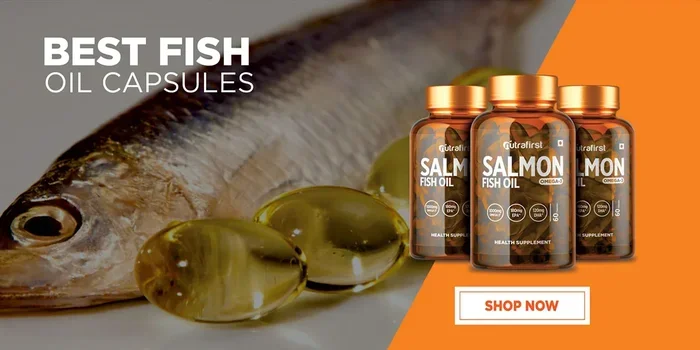
Salmon oil stands out among fish oils for its rich omega-3 content, high EPA and DHA levels, and excellent absorption rates. Many people wonder if salmon oil is better than other fish oils, and the answer depends on your health goals, dietary needs, and the quality of the product you choose. This guide breaks down the key differences so you can make a confident, informed decision.
Is salmon oil better than other fish oils? This is a question many health-conscious people ask. The short answer is yes, in most cases. Salmon oil offers a powerful combination of omega-3 fatty acids, high bioavailability, and a clean taste that makes it a favorite among supplement users.
But the full answer is more nuanced. Not all salmon oils are created equal. The source, processing method, and purity of the oil all matter. In this article, we will break down exactly why salmon oil shines and where it compares to other popular options like krill oil, standard fish oil, and flaxseed oil.
Whether you are new to omega-3 supplements or looking to switch brands, this guide gives you everything you need to know. We will cover the science, the benefits, the downsides, and how to pick the best product for your needs.
Key Takeaways
- Salmon oil delivers high levels of EPA and DHA, the two most important omega-3 fatty acids your body needs.
- Salmon oil is easier to absorb than many other fish oil sources, making it a top choice for supplementation.
- Wild-caught salmon oil tends to be purer and contains fewer contaminants than farmed fish oil alternatives.
- Krill oil and fish oil are common competitors, but salmon oil offers a balanced omega-3 profile that many users prefer.
- Quality matters more than the source, so always check for third-party testing and purity certifications.
- Salmon oil supports heart, brain, and joint health, making it a versatile supplement for daily wellness.
📑 Table of Contents
- What Makes Salmon Oil Different From Other Fish Oils?
- Salmon Oil Benefits You Should Know About
- How Salmon Oil Compares to Other Omega-3 Sources
- What to Look for When Buying Salmon Oil
- Common Mistakes People Make With Fish Oil Supplements
- Quick Tips for Getting the Most From Salmon Oil
- Is Salmon Oil the Right Choice for You?
What Makes Salmon Oil Different From Other Fish Oils?
Salmon oil comes from fatty fish, specifically salmon. It is naturally rich in omega-3 fatty acids, particularly EPA and DHA. These two compounds are the stars of the omega-3 world. They support your heart, brain, joints, and immune system in powerful ways.
What sets salmon oil apart is its natural composition. Unlike some fish oils that require heavy processing, salmon oil often retains its natural nutrient profile. The omega-3s in salmon oil are bound in triglyceride form, which your body absorbs more easily than the ethyl ester form found in many standard fish oils.
Here are some key differences that matter:
- Higher DHA content: Salmon oil typically contains more DHA per serving than many other fish oils.
- Better absorption: The triglyceride form means your body can use the nutrients faster.
- Cleaner taste: Salmon oil is less likely to cause fishy burps compared to cheaper fish oil supplements.
- Natural astaxanthin: Salmon contains a powerful antioxidant called astaxanthin, which protects the oil from oxidation.
When you compare salmon oil to other sources, these advantages become clear. It is not just about the omega-3 numbers. It is about how well your body can use them.
Salmon Oil vs. Krill Oil
Krill oil is another popular omega-3 source. It also contains EPA and DHA, but in a different structure. Krill oil binds its omega-3s to phospholipids, which some studies suggest may offer superior absorption. However, salmon oil still holds its own. It provides a higher total omega-3 count per serving and is usually more affordable.
Krill oil also contains astaxanthin, similar to salmon oil. But krill is a smaller organism, and sustainability concerns are more prominent. Salmon oil from well-managed fisheries offers a more sustainable and widely available option.
Salmon Oil vs. Standard Fish Oil
Standard fish oil is usually derived from a mix of fish species like sardines, anchovies, and mackerel. It is effective and affordable, but it often comes in ethyl ester form. This form requires more processing by your body to absorb the omega-3s. Salmon oil, in its natural triglyceride form, skips much of that extra work.
Standard fish oil may also have a stronger fishy smell and taste. Salmon oil is generally milder and more pleasant to take daily. For many people, this makes salmon oil the easier choice for long-term use.
Salmon Oil Benefits You Should Know About
The benefits of salmon oil go beyond basic omega-3 support. Let us look at what the science says and how salmon oil can make a real difference in your daily health.
Heart Health Support
Omega-3 fatty acids from salmon oil are well-studied for heart health. They help reduce triglyceride levels, support healthy blood pressure, and may lower the risk of heart disease. The American Heart Association recommends omega-3s from fatty fish like salmon as part of a heart-healthy diet.
Salmon oil provides these benefits in a concentrated, easy-to-take form. You do not need to eat salmon every day to get the omega-3s your heart needs.
Brain and Cognitive Function
DHA, one of the main omega-3s in salmon oil, is a major structural component of your brain. Adequate DHA intake supports memory, focus, and overall cognitive function. Studies have linked higher omega-3 intake to better brain health as we age.
Salmon oil is one of the best sources of DHA available. If you are looking to support your brain health naturally, salmon oil should be at the top of your list.
Anti-Inflammatory Properties
Chronic inflammation is linked to many modern health problems, from joint pain to heart disease. Omega-3 fatty acids in salmon oil help reduce inflammation at the cellular level. This can ease joint stiffness, reduce muscle soreness, and support overall recovery.
Many people who switch to salmon oil notice less inflammation-related discomfort within a few weeks of consistent use. It is one of the most natural ways to support your body’s inflammatory response.
How Salmon Oil Compares to Other Omega-3 Sources
There are many omega-3 sources on the market. Let us look at how salmon oil stacks up against the most common alternatives.
Salmon Oil vs. Flaxseed Oil
Flaxseed oil is a popular plant-based omega-3 source. However, it contains ALA (alpha-linolenic acid), not EPA or DHA. Your body must convert ALA into EPA and DHA, and the conversion rate is very low, usually less than 10%. Salmon oil provides EPA and DHA directly, making it far more efficient.
If you are looking for direct omega-3 benefits, salmon oil is clearly the better choice. Flaxseed oil has its own benefits, but for omega-3 potency, it cannot compete.
Salmon Oil vs. Cod Liver Oil
Cod liver oil is another common omega-3 supplement. It contains EPA and DHA, but it also has high levels of vitamin A and vitamin D. While these vitamins are beneficial, excessive vitamin A intake can be harmful. Salmon oil offers a cleaner omega-3 profile without the risk of vitamin A overload.
Both oils have their place. But if you want a straightforward omega-3 supplement without extra vitamins, salmon oil is the simpler and safer choice.
Salmon Oil vs. Algae Oil
Algae oil is a vegan-friendly omega-3 source that contains DHA and EPA. It is a great option for people who do not eat fish. However, salmon oil generally offers a higher total omega-3 concentration and is more widely available. Algae oil is also typically more expensive than salmon oil.
For non-vegans looking for the best omega-3 value, salmon oil wins on both potency and price.
What to Look for When Buying Salmon Oil
Not all salmon oil supplements are the same. The quality can vary widely between brands. Here is what you should check before buying.
Check for Purity and Testing
Look for salmon oil that has been third-party tested for heavy metals, PCBs, and other contaminants. Reputable brands will display their test results or carry certifications from organizations like IFOS or NSF. Purity is the most important factor when choosing any fish oil supplement.
Triglyceride Form vs. Ethyl Ester Form
Salmon oil in triglyceride form is superior. It is what your body recognizes and absorbs most efficiently. Ethyl ester forms are cheaper to produce but require more processing by your body. Always check the label and choose triglyceride-form salmon oil when possible.
Sustainability and Sourcing
Choose salmon oil sourced from wild-caught or sustainably farmed salmon. Look for certifications like MSC (Marine Stewardship Council) or ASC (Aquaculture Stewardship Council). Sustainable sourcing ensures that your supplement does not contribute to overfishing or environmental harm.
Potency and Dosage
Check the EPA and DHA content per serving, not just the total fish oil amount. A high-quality salmon oil should provide at least 500 mg of combined EPA and DHA per serving. Higher doses may be needed for specific health goals, so consult your healthcare provider if you are unsure.
Common Mistakes People Make With Fish Oil Supplements
Even when people choose a good product, they sometimes make mistakes that reduce the benefits. Here are the most common ones to avoid.
Buying Based on Price Alone
The cheapest fish oil is often the lowest quality. It may contain oxidized oil, fewer omega-3s, or harmful contaminants. Investing in a quality salmon oil supplement pays off in better health outcomes and fewer side effects.
Ignoring Expiration Dates
Fish oil can go rancid. Always check the expiration date and store your salmon oil in a cool, dark place. Rancid fish oil can cause digestive discomfort and may even do more harm than good.
Not Taking It With Food
Salmon oil is best absorbed when taken with a meal that contains some fat. Taking it on an empty stomach reduces absorption and increases the chance of fishy aftertaste. Make it a habit to take your salmon oil with breakfast or lunch.
Expecting Overnight Results
Omega-3 benefits build over time. Most people need at least 4 to 8 weeks of consistent use to notice meaningful changes. Be patient and stick with your daily routine.
Quick Tips for Getting the Most From Salmon Oil
- Store it in the refrigerator after opening to keep it fresh longer.
- Take it with a fatty meal to boost absorption.
- Choose wild-caught salmon oil when possible for the cleanest profile.
- Look for added antioxidants like vitamin E, which help prevent oxidation.
- Stick to a daily routine so you never miss a dose.
- Consult your doctor if you take blood thinners or other medications, as omega-3s can interact with some prescriptions.
Is Salmon Oil the Right Choice for You?
Salmon oil is one of the best omega-3 sources available today. It offers high potency, excellent absorption, and a clean, pleasant taste. Compared to standard fish oil, krill oil, flaxseed oil, and cod liver oil, salmon oil holds strong in nearly every category.
The key is to choose a high-quality product from a trusted source. Look for third-party testing, triglyceride form, and sustainable sourcing. When you do, salmon oil can become a simple, effective part of your daily health routine.
Whether you want to support your heart, brain, joints, or overall wellness, salmon oil delivers. It is not just another fish oil. It is one of the best options on the shelf, and now you know exactly why.
Frequently Asked Questions
Is salmon oil better than regular fish oil?
In most cases, yes. Salmon oil provides higher levels of DHA and EPA in a natural triglyceride form that your body absorbs more easily. Regular fish oil is often cheaper but may come in ethyl ester form, which requires more processing by your body.
Can I take salmon oil every day?
Yes, salmon oil is safe for daily use. Most people benefit from taking it with a meal that contains fat. Stick to the recommended dosage on the product label, and consult your doctor if you have any underlying health conditions.
Does salmon oil taste fishy?
Good-quality salmon oil has a mild, pleasant taste. It is much less likely to cause fishy burps compared to cheaper fish oil supplements. Storing it properly and taking it with food also helps reduce any aftertaste.
Is wild-caught salmon oil better than farmed?
Wild-caught salmon oil tends to be purer and contain fewer contaminants. It also often has a better omega-3 profile. However, both can be good choices as long as the product is third-party tested for purity.
How long does it take for salmon oil to work?
Most people start noticing benefits within 4 to 8 weeks of consistent daily use. Omega-3 fatty acids build up in your system over time, so patience and consistency are key to seeing real results.
Can salmon oil help with joint pain?
Yes, the omega-3 fatty acids in salmon oil have anti-inflammatory properties that may help reduce joint pain and stiffness. Many people with mild joint discomfort find relief by adding salmon oil to their daily routine.