Is Reflective Glass Tanks Bad for Betta Fish
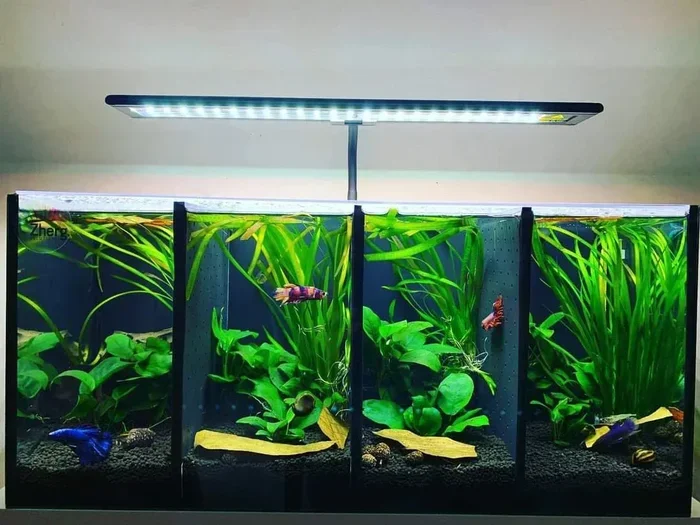
Reflective glass tanks can cause stress for betta fish because mirrors and shiny surfaces trick them into seeing another fish. Understanding how betta fish behavior responds to reflections helps you choose the right tank material and setup. This guide covers the risks, signs of stress, and simple fixes to keep your betta fish tank a safe and comfortable home.
Is a reflective glass tank bad for your betta fish? This is a question many new betta owners ask when they notice their fish acting strange near the tank walls. The short answer is yes, reflections can cause real problems for bettas. But the full story is more nuanced than you might think.
Betta fish are territorial by nature. When they see what they believe is another betta in their space, they react aggressively. A reflective glass tank can create this illusion all day long. Over time, this constant stress takes a toll on their health and happiness. Let us dive deep into what reflective glass means for your betta and how you can protect your fish.
In this guide, you will learn exactly why reflections bother bettas, what warning signs to watch for, and the best ways to fix the problem. Whether you already own a reflective tank or are shopping for a new one, this article has you covered. We will also compare different tank materials and share expert tips on creating a calm betta habitat.
Key Takeaways
- Reflections cause territorial stress: Betta fish often mistake their own reflection for a rival, leading to constant aggression and exhaustion.
- Not all reflective tanks are dangerous: The level of reflection, tank placement, and your fish’s personality all play a role in how harmful it can be.
- Watch for stress signs: Glass surfing, flaring, and rubbing against the glass are clear signals your betta is stressed by reflections.
- Simple fixes work well: Adjusting lighting, adding decorations, or using matte-finish glass can reduce harmful reflections significantly.
- Tank material matters: Comparing reflective glass with acrylic and other materials helps you make the best choice for your betta’s comfort.
- Placement is key: Where you put your tank in the room affects how much light bounces off the glass and stresses your fish.
📑 Table of Contents
What Makes a Glass Tank Reflective?
Not all glass tanks are the same. Some glass surfaces bounce light back like a mirror, while others absorb it. Understanding what causes reflections helps you make smarter choices for your betta fish tank.
How Reflection Happens
Glass becomes reflective when light hits its surface at certain angles. Clear glass with a smooth coating reflects a lot of light back into the room and into the tank itself. This is especially true for tanks with a glossy finish or those placed near windows or bright lights.
When sunlight or aquarium lights hit the glass at the wrong angle, the inside of the tank acts like a mirror. Your betta sees its own image staring back. For a fish that is naturally territorial, this is a big deal.
Types of Reflective Glass
There are a few common types of glass used in aquariums:
- Clear float glass: This is the most common and the most reflective. It creates strong mirror-like surfaces, especially on the sides.
- Low-iron glass: This type has less green tint and slightly less reflection. It is often used in high-end aquariums.
- Tinted or coated glass: Some tanks come with tinted glass that reduces reflection but can also change the light inside the tank.
- Matte or frosted glass: This type scatters light and reduces reflections significantly. It is one of the best choices for betta fish.
Each type of glass affects how your betta sees its surroundings. The more reflective the surface, the more likely your fish is to feel threatened.
Why Reflections Stress Betta Fish
Betta fish have strong territorial instincts. In the wild, they defend their territory from other male bettas. When they see another betta, they flare their gills, spread their fins, and prepare to fight. A reflection tricks them into thinking there is a rival in the tank.
The Flaring Cycle
When your betta sees its reflection, it will flare. It flaring is normal in short bursts. But when the reflection is constant, your fish flares all day long. This leads to a exhausting cycle that drains their energy and weakens their immune system.
Some bettas flare at their reflection for hours. They swim aggressively toward the glass, puff up their bodies, and try to chase the “intruder” away. This constant alert state is not natural and causes real harm over time.
Impact on Health and Behavior
Long-term stress from reflections can lead to several health problems:
- Loss of appetite: A stressed betta often stops eating or eats much less than it should.
- Color fading: Healthy bettas are vibrant. Stressed bettas lose their bright colors and look pale or dull.
- Fin clamping: When a betta is stressed, it holds its fins close to its body instead of spreading them out.
- Increased disease risk: A weakened immune system makes your fish more vulnerable to infections and parasites.
- Glass surfing: Some bettas swim frantically along the glass walls when they see a reflection. This is a clear sign of distress.
If you notice any of these signs, the reflection in your tank might be the cause. Paying attention to betta fish behavior helps you catch problems early before they become serious.
Signs Your Betta Is Stressed by Reflections
Betta fish cannot tell you when something is wrong. But they show it through their actions. Learning to read these signs is one of the most important skills every betta owner should have.
Common Stress Signals
- Constant flaring at the glass: If your betta flares every time it passes a wall, it likely sees its own reflection.
- Rubbing against the glass: This is a clear distress signal. If you see your betta rubbing its body on the tank walls, check the reflections immediately. Why Is My Betta Fish Rubbing Against The Glass covers this behavior in detail.
- Hiding or staying still: Some bettas respond to stress by hiding in corners or staying motionless at the bottom of the tank.
- Aggressive swimming patterns: Rapid, erratic swimming near the glass walls often means your fish is trying to chase away its “reflection rival.”
- Loss of color intensity: A once-vibrant betta that suddenly looks faded may be under chronic stress.
Quick Stress Test
Here is a simple test you can try. Turn off all the lights in the room and shine a flashlight on the side of the tank. If you see a clear mirror image on the glass, your betta sees the same thing. This tells you the reflection level is high and needs to be addressed.
Some bettas are more sensitive than others. A bold betta might ignore mild reflections, while a shy one might be stressed by even a faint shine. Knowing your fish’s personality helps you decide how much action you need to take.
How to Reduce Reflections in Your Betta Tank
The good news is that you do not need to throw away your reflective tank. There are many simple and effective ways to reduce reflections and make your betta fish tank a calmer place.
Adjust Your Lighting
One of the easiest fixes is to change how you light your tank. Bright lights bouncing off glass create the strongest reflections. Try these tips:
- Use dimmable LED lights so you can control the brightness.
- Avoid placing the tank directly in front of windows where sunlight creates harsh glare.
- Angle your lights slightly downward instead of straight into the glass.
- Use a timer to keep lights on a natural day-and-night cycle, which reduces unnecessary glare during evening hours.
Add Decorations and Plants
Breaking up the reflective surface helps your betta stop seeing its own reflection. Add live or silk plants, rocks, driftwood, or caves to the tank. These elements scatter light and give your betta places to hide, which makes it feel safer.
Live plants are especially good because they absorb light naturally and reduce the amount that bounces off the glass. Are Betta Fish Good For Plants explores the great relationship between bettas and live plants.
Change the Tank Placement
Where you put your tank matters more than you think. A tank placed against a white wall or near a lamp will reflect much more than one placed against a textured wall or in a dimmer corner of the room.
Try moving your tank to a spot where light does not bounce directly off the glass. Even a small change in placement can make a big difference in how your betta feels.
Use Matte or Anti-Reflective Treatments
Some aquarium owners apply matte-film decals or anti-reflective coatings to the outside of the tank. These treatments scatter light and reduce the mirror effect. You can also place a background poster or matte tank backdrop on the outside of the glass to cut down reflections.
If you are shopping for a new tank, consider acrylic tanks which have different reflective properties than glass. Acrylic is naturally less reflective and can be a great alternative for sensitive bettas.
Comparing Tank Materials: Glass vs. Acrylic
Choosing the right tank material is one of the most important decisions you make for your betta. Different materials have different reflective properties, and each has its own pros and cons.
| Feature | Glass Tank | Acrylic Tank |
|---|---|---|
| Reflectiveness | High, especially clear glass | Lower, more light absorption |
| Durability | Very scratch-resistant | More prone to scratches |
| Weight | Heavy | Lightweight |
| Clarity | Excellent over time | Can yellow with age |
| Price | More affordable | Generally more expensive |
| Heat Retention | Good | Better insulation |
| Reflection Control | Harder to reduce | Easier to manage |
If reflections are a major concern, acrylic tanks are often the better choice. They naturally reduce the mirror effect and give your betta a more relaxed environment. However, glass tanks are more durable and easier to clean, which are also important factors.
For more guidance on choosing the right tank, check out What Is The Best Tank For Betta Fish and What Is The Best Tank Size For A Betta Fish. These guides help you balance material, size, and comfort for your fish.
Are Reflective Tanks Always Bad?
Here is something important to understand. Not every reflective tank is harmful. Some bettas do not seem bothered by mild reflections at all. The impact depends on several factors:
- Your betta’s personality: Some bettas are naturally calm and ignore reflections. Others are highly territorial and react strongly to any sign of a “rival.”
- The intensity of the reflection: A faint reflection is less stressful than a bright, clear mirror image.
- Tank placement: A tank in a dim room with indirect light causes fewer reflections than one placed in direct sunlight.
- How long the reflection is visible: A betta that sees its reflection only during feeding time is less stressed than one that sees it all day.
The key is observation. Watch your betta closely for a few days after setting up the tank. If it flares occasionally but eats well and swims normally, the reflection may not be a serious problem. If it flares constantly, stops eating, or shows any of the stress signs we discussed, it is time to make changes.
Expert Tips for a Reflection-Free Betta Tank
Experienced betta keepers share a few proven strategies for minimizing reflections and keeping fish happy:
1. Use a Background
A printed aquarium background or a matte-film backdrop covers the back and sides of the tank. This blocks external light from creating reflections and gives your betta a sense of privacy. Many betta owners find that a dark or natural-looking background calms their fish significantly.
2. Keep the Tank Clean
A dirty tank with algae on the glass creates uneven reflections that can confuse and stress your betta. Regular cleaning keeps the glass clear and reduces chaotic light patterns inside the tank.
3. Add Floating Plants
Floating plants like duckweed or water lettuce create a natural canopy that softens the light entering the tank. This reduces glare on the glass and makes the environment feel more natural for your betta.
4. Avoid Placing Tanks Near TVs or Light Sources
Television screens, lamps, and windows all create light that bounces off the glass. Place your tank away from these sources to minimize unwanted reflections.
5. Monitor Your Betta Daily
Spend a few minutes each day watching your betta’s behavior. Early detection of stress signs allows you to make changes before the problem escalates. A happy betta is an active betta with bright colors and a healthy appetite.
Conclusion
So, are reflective glass tanks bad for betta fish? The answer is that they can be, especially when the reflections are strong and constant. Betta fish are sensitive creatures with strong territorial instincts, and a mirror-like surface can cause chronic stress that affects their health and lifespan.
The good news is that this is a solvable problem. With the right adjustments, you can turn a reflective tank into a safe and comfortable home for your betta. Whether you change the lighting, add decorations, adjust placement, or switch to a different tank material, every small step helps.
Remember to observe your fish closely. Your betta will tell you if something is wrong through its behavior. And if you are shopping for a new tank, consider materials and designs that reduce reflections from the start. A thoughtful setup today means a healthier, happier betta for years to come.
Take action now. Check your tank for reflections today and make one small change. Your betta will thank you with vibrant colors, a healthy appetite, and lively swimming every single day.
Frequently Asked Questions
Can a betta fish see its own reflection in a glass tank?
Yes, betta fish can clearly see their own reflection in reflective glass surfaces. Their vision is well-adapted for detecting movement and contrast, which makes mirror images very obvious to them. This is why even faint reflections can trigger territorial responses in bettas.
How do I know if my betta is stressed by its tank reflections?
Look for signs like constant flaring at the glass, rubbing against the walls, loss of appetite, color fading, and glass surfing. If your betta shows any of these behaviors, especially near reflective surfaces, the reflections are likely the cause. Removing or reducing the reflection often leads to quick improvements in behavior.
Are matte glass tanks better for betta fish than clear glass tanks?
Yes, matte glass tanks are generally better for betta fish because they scatter light and reduce the mirror effect significantly. This creates a less stressful environment for your fish. If reflections are a concern in your current tank, you can also use matte backgrounds or films to achieve a similar effect.
Should I cover my betta tank to block reflections?
Covering the tank partially can help reduce reflections, but make sure the cover allows proper airflow and does not trap excess heat. Using a matte or printed background on the back and sides of the tank is often a better solution than fully covering the tank. This blocks reflections while keeping the tank open and well-ventilated.
Can reflections in a betta tank cause illness?
Yes, chronic stress from reflections can weaken your betta’s immune system over time, making it more susceptible to diseases like fin rot and ich. A constantly stressed fish is far more likely to fall ill than one living in a calm environment. Reducing reflections is an important part of preventing stress-related illness.
What is the best tank setup to minimize stress for a betta fish?
The best setup includes a tank with low-reflection glass or acrylic, soft lighting, plenty of live plants and hiding spots, and a calm placement away from direct light sources. A well-planted tank with a matte background gives your betta a natural, stress-free environment. For more tips on ideal tank setups, explore guides on are round fishbowls bad for betta fish to understand how tank shape and material affect your fish.