Is Morning or Afternoon Better for Trout Fishing
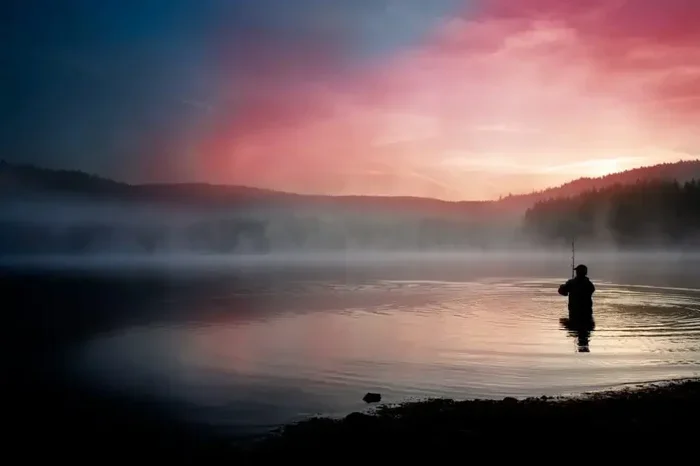
Is morning or afternoon better for trout fishing? The answer depends on water temperature, light conditions, and insect activity. Morning fishing often wins because trout are most active at dawn when the water is cool and insects are hatching. Afternoon sessions can also produce great results, especially during summer months when trout feed later in the day. Understanding these patterns helps you plan smarter trips and improve your trout fishing times consistently.
Every angler wants to know is morning or afternoon better for trout fishing. The truth is, both times offer real advantages depending on the season, weather, and water conditions. Trout are fascinating creatures with predictable feeding patterns that savvy anglers can learn to read.
When you understand trout behavior and what drives their feeding habits, you can plan your trips for maximum success. Whether you prefer the quiet of early dawn or the warmth of a late afternoon on the water, there is a golden window waiting for you. Let us break down exactly what happens during each time of day and how you can use that knowledge to catch more trout.
Key Takeaways
- Morning fishing dominates: Trout feed aggressively at dawn when water is cool and insects are active.
- Afternoon fishing has its perks: Warmer water and continued insect hatches can trigger late-day feeding.
- Water temperature is king: Trout are most active between 50-65°F, which often aligns with early hours.
- Season matters a lot: Spring and fall mornings are prime, while summer afternoons can be surprisingly productive.
- Watch the insects: Matching the hatch during peak insect activity dramatically increases your catch rate.
- Avoid fishing pressure: Early mornings offer quieter water with fewer anglers competing for trout.
- Adapt to conditions: The best time is the one that matches current water and weather patterns.
📑 Table of Contents
Why Timing Matters for Trout Fishing
Trout fishing times play a huge role in whether you go home with a cooler full of fish or an empty tackle box. Trout are cold-blooded, which means their body temperature matches the water around them. This directly affects their metabolism, energy levels, and willingness to feed.
During the early hours, water temperatures are usually at their coolest. Trout become more active because their bodies can process food efficiently. As the day heats up, things change. Warm water holds less oxygen, which can make trout sluggish and less interested in biting.
Light conditions also matter a great deal. Trout have excellent eyesight, and bright sunlight can make them wary. Dawn fishing gives you low light levels that make trout feel safer feeding in open water. By midday, the sun is high and shadows are short, which can push trout into deeper, shaded areas.
Another factor is fishing pressure. Many anglers love a lazy morning on the water, so the early hours often see fewer boats and waders. Less pressure means trout are less spooky and more likely to bite. If you can get on the water before anyone else, you already have a major advantage.
The Science Behind Trout Feeding Patterns
Trout feed based on a simple rule: energy in versus energy out. They will not waste calories chasing food unless the conditions are right. This is why morning fishing is so effective. The water is cool, insects are hatching, and trout have had all night to rest and recover.
During dawn fishing, the insect activity peaks. Mayflies, caddisflies, and midges emerge in large numbers, creating a buffet for hungry trout. Your catch rate during this window is often much higher than at any other time of day.
By afternoon, the insect activity usually slows down. However, this is not always the case. During summer months, certain insects hatch later in the day. If you know which insects are active and when, you can time your afternoon fishing to coincide with these events.
Morning Fishing for Trout: The Early Advantage
If you want to maximize your chances of success, hitting the water at dawn is hard to beat. Morning fishing offers a combination of cool water, low light, and heavy insect activity that trout find irresistible. Most experienced anglers will tell you that the first few hours after sunrise are the most productive.
Why Dawn Is Prime Time
The period just before and after sunrise is often called the “magic hour” for a reason. Water temperatures are at their lowest point of the day, which means trout are fully active and ready to feed. Their metabolisms are firing on all cylinders, and they are looking for food to fuel their day.
Light levels are also perfect during this window. The soft, diffused light of early morning makes trout feel secure enough to move into shallower water. This is where the food is, and where they feel less vulnerable to predators. You can often sight fish in shallow streams during this time, watching for rising trout before you even cast.
Insect activity is at its peak during dawn. Mayflies and caddisflies begin their daily hatch, and trout key in on these easy meals. If you match the hatch with the right fly or lure, you will find trout eagerly taking your offering. This is when fly fishing truly shines, because you can literally watch trout eat and target them with precision.
Best Practices for Morning Sessions
Getting up early is not always easy, but the rewards are worth it. Here are some tips to make your morning sessions count:
- Arrive at the water at least 30 minutes before sunrise to scout and set up.
- Dress in muted, natural colors to avoid spooking trout in clear water.
- Watch for rising fish before you start casting. This tells you exactly where the feeding lanes are.
- Use lightweight leaders and tippets since trout are more forgiving in low light.
- Move slowly and quietly. Spooked trout will not feed again easily.
One of the best things about morning fishing is the peace and quiet. The water is often glassy, and you can hear birds singing and insects humming. It is a beautiful way to start the day, and it produces fish.
Afternoon Fishing for Trout: What to Expect
Does that mean afternoon fishing is a waste of time? Absolutely not. While mornings generally have the edge, afternoon fishing can be surprisingly productive if you know what to look for. The key is understanding how conditions change as the day progresses and adapting your approach accordingly.
When Afternoon Fishing Works Best
During the summer months, morning water temperatures can actually be too cold for trout in some rivers and lakes. As the day warms up, the water reaches the ideal range of 50 to 65 degrees Fahrenheit. This is when trout become active again after a slow start.
Summer afternoons also bring a second round of insect activity. Certain species of mayflies and caddisflies hatch later in the day, creating a fresh feeding opportunity. If you can identify the insects and present the right fly, you can hook into trout that were lethargic earlier.
Cloudy or overcast days are another scenario where afternoon fishing shines. The overcast sky keeps light levels low even in the middle of the day, which makes trout more comfortable feeding in shallower water. On these days, the difference between morning and afternoon productivity shrinks significantly.
Challenges of Afternoon Fishing
There are downsides to fishing in the afternoon. The sun is high, which means shadows are short and trout can spot you more easily. Water clarity matters more during bright conditions, and you may need to use finer leaders and more natural presentations.
Also, by afternoon, most anglers have already been on the water for hours. Fishing pressure increases, and trout in popular spots may have been spooked or heavily pressured all day. If you fish less-visited waters or focus on deeper pools and structure, you can still find willing trout in the afternoon.
Wind can also be a factor. Afternoon breezes are common in many fishing spots, which makes casting more difficult and can stir up sediment that clouds the water. Adjust your expectations and focus on sheltered areas when the wind picks up.
Key Factors That Affect Trout Activity
Beyond just the time of day, several factors influence when and where trout feed. Understanding these variables helps you make better decisions about when to hit the water.
Water Temperature
Water temperature is the single most important factor in trout behavior. Trout are most active and willing to feed when water temperatures are between 50 and 65 degrees Fahrenheit. Below 50 degrees, their metabolism slows and they become sluggish. Above 65 degrees, oxygen levels drop and trout become stressed.
In the morning, water temperatures are usually at their daily low. This is great during summer but can be a problem in spring when the water is still too cold. In autumn, morning temperatures are often ideal, making early sessions extremely productive.
Weather and Atmospheric Conditions
Weather and fishing go hand in hand. Barometric pressure, cloud cover, wind, and precipitation all affect trout behavior. A falling barometer often triggers feeding, which is why many anglers target the hours before a storm moves in.
If you are wondering whether is it better to go fishing before or after rain, the answer is usually before. Rain can wash insects into the water and trigger a feeding frenzy, but heavy rain also makes conditions uncomfortable and reduces visibility. Light rain or the period just before a rain event is often the sweet spot.
Similarly, is fishing better when water is rising or falling is a question many anglers ask. Rising water after a rain event can be excellent because it pushes food into new areas and stirs up the bottom. Falling water is generally more stable and predictable. Either way, understanding the water level trend helps you pick the right spot.
Seasonal Considerations
Each season brings different challenges and opportunities for trout fishing. In spring, water temperatures are warming and insect activity is ramping up. Morning sessions are excellent as the water is still cool from the night. Afternoons can also be productive as the sun warms the shallows.
Summer is the trickiest season. Early mornings are essential because the water is too warm by midday. Seek out shaded pools, deep runs, and spring-fed tributaries where the water stays cooler. Is fishing better at night or day during summer? Many anglers find that evening sessions are just as productive as morning ones when the water is too warm during the day.
Fall is often considered the best season for trout fishing. Water temperatures cool down, trout feed heavily to prepare for winter, and insect activity remains strong. Both morning and afternoon sessions can produce excellent results during autumn.
Quick Tips for Choosing the Best Trout Fishing Time
Here are some fast, actionable tips to help you decide whether to fish in the morning or afternoon:
- Check the water temperature before you go. If it is below 50°F, wait for the sun to warm it up. If it is above 65°F, fish early or late.
- Watch the weather forecast. Overcast days are great for afternoon fishing because light levels stay low.
- Match the hatch. Identify what insects are active and fish during their peak emergence times.
- Avoid peak fishing pressure. Weekday mornings are almost always less crowded than weekend afternoons.
- Bring layers. Morning water is cold, and you will want to stay comfortable so you can focus on fishing.
- Be flexible. If the morning is not producing, stick around for the afternoon. Conditions can change quickly.
Common Mistakes to Avoid
Even experienced anglers make mistakes when timing their trips. Here are some common ones to watch out for:
- Assuming mornings are always best. In summer, afternoon fishing can be just as good or better depending on conditions.
- Ignoring water temperature. Fishing during the wrong temperature window means the trout simply are not interested.
- Not checking insect activity. If no insects are hatching, your presentation needs to match what trout are actually eating.
- Staying too long in a dead spot. If a location is not producing after 30 minutes, move to a new spot rather than wasting the day.
- Overlooking weather changes. A sudden cold front or drop in barometric pressure can shut down feeding fast.
Final Thoughts: Making the Right Choice
So, is morning or afternoon better for trout fishing? The honest answer is that morning generally has the edge. Cool water, low light, peak insect activity, and less fishing pressure all favor the early hours. However, afternoon fishing can be highly productive when conditions align, especially during summer and on overcast days.
The best approach is to understand the factors that drive trout behavior and adapt your plan accordingly. Check the water temperature, watch the weather, and pay attention to insect activity. When you combine this knowledge with time on the water, you will start to notice patterns that help you choose the right time for every trip.
Remember, trout fishing is as much about being in the right place at the right time as it is about technique and gear. Put in the effort to understand trout feeding times, and you will see your catch rate improve significantly. Get out there, enjoy the water, and let the trout tell you when they are ready to feed.
Whether you are an early bird chasing the dawn bite or a patient afternoon angler, there is always a window of opportunity waiting. The key is showing up prepared and ready to adapt. Tight lines and happy fishing!
Frequently Asked Questions
What time of day do trout feed the most?
Trout feed most actively during the early morning hours around dawn. This is when water temperatures are cool, insect activity peaks, and light levels are low. However, during summer months, a second feeding window often occurs in the late evening as temperatures cool down again.
Can you catch trout in the afternoon?
Yes, you can absolutely catch trout in the afternoon. During summer, afternoon sessions can be very productive when water temperatures reach the ideal range for trout activity. Overcast days also make afternoon fishing excellent because the low light keeps trout feeding in shallower water.
Does weather affect the best time to fish for trout?
Weather has a huge impact on trout feeding. Falling barometric pressure, light rain, and overcast skies all encourage trout to feed more actively. Cold fronts and bright sunny days can make trout more sluggish and less willing to bite, especially during the middle of the day.
Is morning or evening better for trout fishing?
Both morning and evening are excellent for trout fishing. Morning offers cool water and peak insect hatches, while evening provides similar conditions as the water cools down after a hot day. Many anglers find that combining both windows gives them the best chances of success throughout the day.
How does water temperature affect trout fishing times?
Water temperature directly affects trout metabolism and feeding behavior. Trout are most active between 50 and 65 degrees Fahrenheit. When the water is too cold or too warm, trout become sluggish and feed less. This is why checking the water temperature before you head out is one of the smartest things you can do.
What season is best for morning trout fishing?
Spring and fall are the best seasons for morning trout fishing. Water temperatures are ideal, insect activity is strong, and trout are in active feeding mode. Summer mornings are also productive, but you may need to fish even earlier before the water warms up too much by mid-morning.
=== CONCLUSION ===
The question of is morning or afternoon better for trout fishing does not have a single right answer. Morning fishing generally offers the best combination of cool water, low light, and heavy insect activity, giving you the highest catch rate of the day. But afternoon fishing has real value too, especially during summer and on overcast days when conditions shift in favor of late-session action.
By understanding trout behavior, monitoring water temperature, and paying attention to insect hatches and weather patterns, you can make informed decisions about when to fish. The more time you spend on the water, the better you will become at reading conditions and picking the right moment to cast your line.
Ultimately, the best time for trout fishing is whenever you can get to the water. Show up prepared, stay flexible, and enjoy every minute on the stream. The trout will reward your effort.