Is It Too Late to Save My Betta Fish
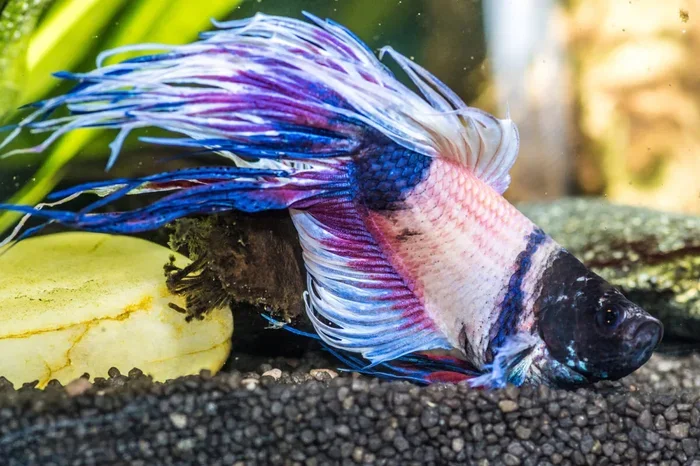
It is rarely too late to save your betta fish if you act fast and know what to look for. This guide walks you through the signs that your betta is in trouble, the most common causes, and simple steps you can take right now to help your fish recover. From water quality fixes to feeding tips, you will learn exactly what to do to give your betta the best chance at a full recovery.
Key Takeaways
- Early action matters: The sooner you notice symptoms and respond, the better the chances of saving your betta fish.
- Water quality is everything: Poor water conditions are the number one killer of betta fish, and fixing this alone can reverse many health issues.
- Know the warning signs: Lethargy, loss of appetite, clamped fins, and labored breathing are red flags you should never ignore.
- Simple treatments work: Many betta fish illnesses respond well to warm water, salt dips, and basic tank adjustments.
- Prevention beats cure: Regular tank maintenance and proper feeding habits keep your betta healthy and reduce the risk of future problems.
- Consult a vet when needed: Some conditions require professional help, and knowing when to seek it can make all the difference.
📑 Table of Contents
- Is It Too Late to Save My Betta Fish?
- Signs That Your Betta Fish Is in Trouble
- Common Causes That Put Betta Fish at Risk
- How to Save a Sick or Struggling Betta Fish
- When It Might Be Too Late to Save Your Betta Fish
- Prevention Tips to Keep Your Betta Fish Healthy
- When to Seek Professional Help
- Final Thoughts
Is It Too Late to Save My Betta Fish?
You stare at your betta fish tank and notice something is wrong. Your colorful friend is barely moving. Maybe it is floating sideways or sitting at the bottom doing nothing. Your heart sinks. You start to wonder, is it too late to save my betta fish?
The honest answer is: usually, it is not too late. Betta fish are tougher than most people think. Even when things look dire, there are often steps you can take to turn things around. The key is knowing what to look for and acting quickly. This article will show you exactly how to do that.
Whether your betta is showing signs of illness, stress, or old age, you have options. Let us walk through them together so you can give your fish the best shot at recovery.
Signs That Your Betta Fish Is in Trouble
Betta fish cannot tell you when something is wrong. That is why you need to watch for clear signals. Catching these signs early can mean the difference between a quick fix and a serious crisis.
Lethargy and Low Energy
A healthy betta fish is active and curious. It swims around the tank, explores decorations, and reacts when you approach. If your betta seems sluggish or stays in one spot, that is a warning sign. Lethargy can point to many problems, from poor water quality to infection. Check the tank temperature first. Bettas need warm water between 76 and 82 degrees Fahrenheit. If the water is too cold, your fish will become slow and weak.
Loss of Appetite
If your betta refuses food, pay attention. Bettas are eager eaters. A healthy fish will gobble up pellets and treats with excitement. When your betta stops eating, something is off. It could be a simple issue like food that is too large, or it could signal a deeper problem. Try offering a small piece of bloodworm or a single pellet. If your betta still ignores food after a day or two, you need to dig deeper.
Clamped Fins and Discoloration
Watch your betta’s fins closely. When a fish holds its fins close to its body, this is called clamping. It often means the fish feels unwell. Fins that appear torn, faded, or develop white edges can signal fin rot or bacterial infection. Discoloration, such as pale coloring or dark patches, is another red flag that should not be ignored.
Labored Breathing and Gasping
If you notice your betta breathing fast or gulping air at the surface, this is serious. Why is my betta fish struggling to swim or gasping for air? Often, the answer lies in low oxygen levels or ammonia buildup in the tank. These conditions are dangerous and require immediate action. Test your water parameters right away. High ammonia or nitrite levels can poison your fish within hours.
Swimming Erratically or Leaning to One Side
A betta that swims in circles, leans to one side, or flips upside down may be dealing with a swim bladder issue or a neurological problem. Why is my betta fish leaning to the side is a common search because many owners panic when they see this. The good news is that swim bladder disorders are often treatable with simple adjustments to feeding and water temperature.
Common Causes That Put Betta Fish at Risk
Understanding what goes wrong helps you fix the problem. Most betta fish health issues come from a handful of common causes. Once you identify the root issue, treatment becomes much easier.
Poor Water Quality
This is the biggest culprit behind sick betta fish. Ammonia and nitrite levels that spike even slightly can cause severe stress. Overfeeding, infrequent water changes, and overcrowded tanks all contribute to bad water. Even if your tank has a filter, you still need to test the water regularly. A simple liquid test kit can reveal hidden dangers that you cannot see with the naked eye.
Temperature Fluctuations
Bettas are tropical fish. They need stable warm water. Cold drafts, air conditioning vents, or placing the tank near a window can cause dangerous temperature swings. How to keep my betta fish warm without a heater is a common concern for many owners, especially in cooler climates. If you do not use a heater, consider moving the tank to a warmer spot or using a small ambient heater designed for aquariums.
Overfeeding and Digestive Issues
It is easy to overfeed a betta. These fish have small stomachs, roughly the size of their eye. Feeding too much leads to bloating, constipation, and swim bladder problems. uneaten food also decays in the tank, polluting the water. Feed your betta two to three small pellets once or twice a day. Skip one feeding day each week to help their digestive system reset.
Infections and Diseases
Bacterial infections, fungal growth, and parasites can all attack a weakened betta. Fin rot shows up as ragged or discolored fins. White spots on the body or fins often indicate ich, a common parasitic infection. Fungal infections appear as cotton-like growths. Many of these conditions are treatable if caught early, but they can become fatal if left unchecked.
Stress from Tank Mates or Environment
Bettas are solitary fish by nature. Housing them with aggressive tank mates causes chronic stress. Even bright lights or constant vibrations near the tank can wear your betta down over time. Stress weakens the immune system, making your fish more vulnerable to disease. A calm, quiet environment goes a long way in keeping your betta healthy.
How to Save a Sick or Struggling Betta Fish
If you have noticed warning signs, do not give up. There are concrete steps you can take right now. Many owners have successfully nursed their bettas back to health using these methods.
Step 1: Test and Fix the Water
Start with the water. Test for ammonia, nitrite, nitrate, and pH. Ammonia and nitrite should always read zero. Nitrate should be below 20 ppm. If your water tests poorly, do a 25 to 50 percent water change immediately. Use dechlorinated water at the same temperature as the tank. Can I just add water to my betta fish tank? No, you need to treat new water properly before adding it to the tank. Adding untreated tap water can introduce chlorine and chloramine, which are toxic to fish.
Step 2: Raise the Temperature Slightly
Increasing the water temperature to around 80 to 82 degrees Fahrenheit can boost your betta’s immune system and help fight mild infections. Do not raise the temperature too quickly. Gradual changes are safer. If you do not have a heater, consider purchasing one. How to make my betta fish tank warmer without a heater is possible in the short term, but a reliable heater is the best long-term solution for consistent warmth.
Step 3: Isolate the Fish if Needed
If you have a community tank, move the sick betta to a quarantine tank. This prevents the spread of disease and gives your fish a stress-free environment to recover. A simple 1 to 2 gallon hospital tank with a sponge filter works perfectly. Keep the water clean and warm. Monitor your betta closely for changes in behavior or appearance.
Step 4: Treat with Aquarium Salt or Medication
For mild bacterial or fungal infections, aquarium salt can be very effective. Add one teaspoon of aquarium salt per gallon of water. Do not use table salt, as it contains additives that harm fish. For more serious conditions, over-the-counter medications like malachite green or formalin can help treat ich and fungal infections. Always follow dosage instructions carefully. Overmedicating can do more harm than good.
Step 5: Adjust Feeding Habits
If your betta is not eating or is bloated, skip feeding for one to two days. This gives the digestive system time to clear any blockages. After that, offer a small amount of high-quality food. Frozen or live bloodworms make excellent treats. How to feed my betta fish properly can prevent many digestive issues. Soak dry pellets before feeding to prevent them from expanding in the fish’s stomach, which can cause constipation and swim bladder problems.
Step 6: Monitor and Be Patient
Recovery takes time. Do not expect your betta to bounce back overnight. Watch for small improvements each day. Increased activity, a return to appetite, and fins opening up are all positive signs. Keep the water pristine and the environment calm. Patience is one of the most powerful tools in betta fish care.
When It Might Be Too Late to Save Your Betta Fish
Let us be honest about the tough situations. Not every betta fish can be saved. Knowing when the chances are slim helps you make informed decisions and avoid unnecessary suffering.
Advanced Stages of Disease
If your betta has reached an advanced stage of dropsy, severe fin rot, or a systemic bacterial infection, recovery may not be possible. Dropsy, characterized by pinecone-like scales and a swollen body, is often fatal even with treatment. In these cases, the kindest choice may be humane euthanasia under the guidance of a veterinarian.
Prolonged Neglect
A betta that has been kept in extremely poor conditions for weeks or months may suffer irreversible organ damage. Chronic ammonia exposure, extreme temperature neglect, and long-term starvation can all cause lasting harm. If you have caught the problem early, there is still hope. But if the damage has been building for a long time, the outlook may be grim.
Old Age
Bettas typically live three to five years. If your fish is at the end of its natural lifespan, declining health is a normal part of life. You can still make your betta comfortable with warm, clean water and gentle care. Focus on quality of life rather than trying to reverse the inevitable.
Prevention Tips to Keep Your Betta Fish Healthy
The best way to save your betta fish is to prevent problems before they start. A little prevention goes a long way toward keeping your fish happy and healthy for years.
- Test your water weekly: Use a liquid test kit to check ammonia, nitrite, nitrate, and pH levels. Catching problems early prevents emergencies.
- Do regular water changes: Replace 20 to 30 percent of the water every week. This keeps waste buildup under control and maintains stable conditions.
- Keep the temperature stable: Use a reliable heater and thermometer. Avoid placing the tank near drafts, windows, or heat sources.
- Feed appropriately: Offer small amounts of food once or twice a day. Remove any uneaten food after five minutes to keep the water clean.
- Provide enrichment: Live plants, gentle filtration, and hiding spots create a stimulating and stress-free environment for your betta.
- Quarantine new additions: If you add new fish or plants to the tank, keep them in a separate tank for two weeks to monitor for disease.
- Observe your fish daily: Spend a few minutes each day watching your betta. You will notice changes in behavior, appetite, or appearance before they become serious problems.
When to Seek Professional Help
Sometimes home treatment is not enough. If your betta fish shows no improvement after a few days of care, or if symptoms worsen rapidly, it is time to consult a professional. Can I take my betta fish to the vet Petco or a local exotic pet clinic? Yes, many pet stores and veterinary clinics offer fish health consultations. A vet can diagnose bacterial or parasitic infections with lab tests and prescribe targeted treatments that go beyond over-the-counter options.
Do not wait too long before seeking help. The longer you wait, the harder it becomes to reverse damage. Trust your instincts. If something feels wrong, it probably is. Getting expert advice early can make all the difference when is it too late to save my betta fish is weighing on your mind.
Final Thoughts
So, is it too late to save your betta fish? In most cases, the answer is no. With quick action, clean water, proper warmth, and a little patience, you can give your betta a real chance at recovery. The signs are there if you know what to look for. The solutions are within your reach. Do not lose hope. Your betta fish is counting on you to step up and help. Start today, and you might just be amazed at how resilient these beautiful little fish can be.
Remember, every hour counts. The sooner you address the problem, the better the outcome. Your betta fish does not have a voice, but you do. Use it to give your fish the best possible second chance.
Frequently Asked Questions
How do I know if my betta fish is dying?
Signs that your betta fish is dying include extreme lethargy, loss of color, labored breathing, refusal to eat for several days, and lying at the bottom or floating at the top without movement. If you notice these symptoms combined, act quickly by testing the water and adjusting conditions immediately.
Can a betta fish recover from swim bladder disease?
Yes, many betta fish recover fully from swim bladder disease. The condition is often caused by overfeeding or constipation. Fasting your fish for one to two days and then offering thawed, shelled peas can help clear the blockage and restore normal swimming behavior.
What is the first thing I should do when my betta fish looks sick?
The first thing you should do is test the water parameters. Check ammonia, nitrite, nitrate, and pH levels. Poor water quality is the leading cause of betta fish illness, and fixing it early can prevent the situation from getting worse. Follow up with a partial water change and observe your fish closely.
How long does it take for a betta fish to recover from illness?
Recovery time depends on the severity of the illness and how quickly you start treatment. Mild infections may improve within a few days, while more serious conditions can take one to two weeks. Consistent water maintenance and proper feeding are essential throughout the recovery period.
Should I separate a sick betta fish from other tank mates?
Yes, you should separate a sick betta fish if you have a community tank. Moving the fish to a quarantine tank prevents the spread of disease and reduces stress, which allows your betta to focus its energy on healing. Keep the quarantine tank clean and at a stable, warm temperature.
Can poor water quality kill a betta fish quickly?
Yes, poor water quality can kill a betta fish within hours if ammonia or nitrite levels spike dangerously high. Regular water testing and weekly water changes are the best ways to prevent toxic buildup and keep your betta fish safe and healthy.
=== INTERNAL LINKS ===
If you want to learn more about identifying health issues early, check out How To Tell If My Betta Fish Is Sick for a detailed guide on recognizing symptoms before they worsen.
After a water change, your betta might need extra care. Visit How To Save Dying Betta Fish After Water Change to learn the steps that protect your fish during and after tank maintenance.
If you have noticed your fish having trouble moving around the tank, read Why Is My Betta Fish Struggling To Swim to understand the common causes and simple fixes that can help your betta move comfortably again.
When feeding becomes an issue, understanding the right approach is key. Our guide on How To Feed My Betta Fish covers everything you need to know about proper nutrition and feeding schedules for a healthy, happy betta.