Is It Okay to Use Tap Water for Betta Fish
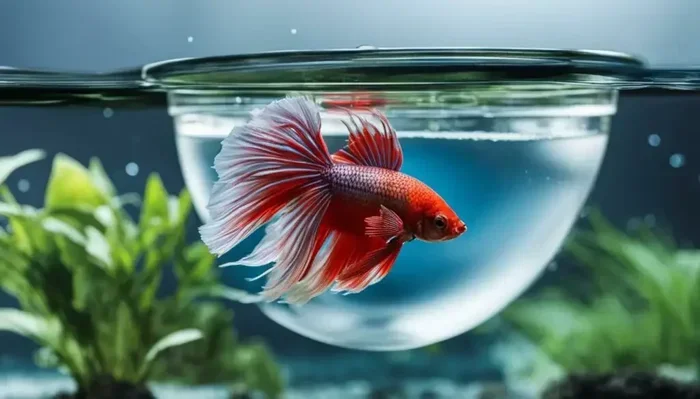
Using tap water for betta fish is possible, but it requires proper treatment. Tap water contains chlorine and chloramine that can harm your betta. You must use a water conditioner to make it safe before adding it to your tank. This guide covers everything you need to know about safely using tap water for your betta fish.
Many betta fish owners wonder about the safety of using tap water for their pets. The short answer is yes, but with important precautions. Tap water is a common and convenient source for filling betta fish tanks. However, it contains chemicals that can seriously harm your fish if not treated properly. Understanding how to make tap water safe is one of the most important skills for any betta keeper.
This article breaks down everything you need to know. We will cover why tap water needs treatment, how to condition it, and what mistakes to avoid. By the end, you will feel confident about using tap water safely for your betta fish. Let us dive in and make sure your fish stays healthy and happy.
Key Takeaways
- Tap water is usable: It can be safe for betta fish after proper treatment with a conditioner.
- Chlorine is the main danger: Untreated tap water contains chemicals that harm betta gills and health.
- Water conditioner is essential: A quality conditioner removes harmful chemicals quickly and easily.
- Let water sit if needed: Allowing tap water to sit for 24 hours can help dissipate some chlorine naturally.
- Test water parameters regularly: Monitor pH, ammonia, and temperature to keep your betta thriving.
- Avoid sudden water changes: Gradual water changes prevent stress and shock in betta fish.
📑 Table of Contents
- Why Tap Water Needs Treatment for Betta Fish
- How to Safely Use Tap Water for Betta Fish
- Can You Let Tap Water Sit to Make It Safe?
- Water Parameters for Betta Fish in Tap Water
- Common Mistakes When Using Tap Water for Betta Fish
- How Often Should You Change Tap Water in a Betta Tank?
- Alternatives to Tap Water for Betta Fish
- Final Thoughts on Using Tap Water for Betta Fish
Why Tap Water Needs Treatment for Betta Fish
Tap water is treated at municipal water plants to make it safe for humans. They add chlorine and chloramine to kill bacteria and pathogens. These chemicals are great for us but dangerous for betta fish. Even small amounts can damage delicate gill tissue and cause serious health problems.
The Role of Chlorine and Chloramine
Chlorine is a powerful disinfectant. It works fast to eliminate germs in water. The problem is that it does not stop at killing harmful bacteria. It also harms the beneficial bacteria in your tank. These good bacteria are essential for breaking down waste and keeping your tank cycle balanced.
Chloramine is even more stubborn. It is a combination of chlorine and ammonia. Water treatment facilities use it because it lasts longer in the water supply. This means it does not simply dissipate over time like regular chlorine. You need a proper water conditioner to neutralize chloramine completely. Without treatment, chloramine can cause ammonia spikes in your tank, which is toxic to bettas.
Other Chemicals Found in Tap Water
Beyond chlorine, tap water may contain other substances that affect betta health. Heavy metals like copper, lead, and zinc can be present in trace amounts. These metals may not harm humans at low levels, but they can be toxic to fish over time. Fluoride and phosphate are also common additives that can promote algae growth in your tank.
The pH of tap water varies by location. Some areas have very hard water with high mineral content. Others have soft water with low mineral levels. Bettas thrive in stable water conditions. Sudden shifts in pH or hardness can cause stress and illness. This is why testing your tap water before use is always a smart step.
How to Safely Use Tap Water for Betta Fish
Now that you know why treatment matters, let us look at the steps to make tap water safe. The process is simple and does not take much time. With the right tools, you can prepare tap water quickly and confidently.
Step 1: Get a Quality Water Conditioner
A water conditioner is the most important product for any betta owner. It removes chlorine, chloramine, and heavy metals instantly. You add it directly to the tap water before putting it in the tank. The conditioner neutralizes harmful chemicals within seconds.
Look for a conditioner specifically designed for aquarium use. Brands like Seachem Prime and API Tap Water Conditioner are popular choices. They are affordable and very effective. Using a conditioner every time you do a water change is non-negotiable. Skipping this step puts your betta at serious risk.
Step 2: Let the Water Reach Room Temperature
Betta fish are tropical creatures. They prefer water temperatures between 76 and 82 degrees Fahrenheit. Tap water often comes out colder than this range. Pouring cold water directly into the tank can cause temperature shock.
Let the treated water sit at room temperature for a while before adding it. You can also use a thermometer to check the temperature. Gradual temperature matching is always better than sudden changes. This small step goes a long way in keeping your betta comfortable.
Step 3: Treat the Water Before Adding It to the Tank
Always add the water conditioner to the new water first. Follow the dosage instructions on the product label. The general rule is one dose per gallon of water. Mix the conditioner thoroughly before pouring the water into the tank.
Never add untreated tap water directly to the tank. Even a small amount of chlorine can irritate your betta’s gills. If you are unsure about the dosage, it is better to add a little extra conditioner than too little. Most conditioners are very safe, so a slight overdose will not hurt your fish.
Can You Let Tap Water Sit to Make It Safe?
Some old-school fish keepers suggest letting tap water sit for 24 hours before use. This method works for chlorine only. Chlorine is a gas that naturally dissipates from standing water over time. However, this trick does not work for chloramine. Chloramine does not evaporate easily and requires a chemical conditioner to neutralize it.
Also, letting water sit does nothing about heavy metals or other dissolved contaminants. It does not adjust the pH either. So while sitting water can help with basic chlorine removal, it is not a complete solution. Using a proper water conditioner is always the better choice.
If you live in an area that uses chloramine, you definitely need a conditioner. Check with your local water utility to find out what they use. Most water departments publish this information online. It is a quick and easy way to know exactly what is in your water supply.
Water Parameters for Betta Fish in Tap Water
Treating tap water is only half the battle. You also need to monitor the water parameters in your tank. Bettas are sensitive to changes in their environment. Keeping stable conditions is key to their long-term health.
pH Levels
Betta fish prefer a slightly acidic to neutral pH range of 6.5 to 7.5. Tap water pH varies widely depending on your location. Some municipal water supplies run as high as 8.0 or above. This is too alkaline for bettas and can cause stress over time.
Use a reliable pH test kit to check your tap water. If the pH is too high, you can use driftwood or Indian almond leaves to lower it gently. Avoid sudden pH adjustments. Gradual changes are always safer for your fish.
Ammonia, Nitrite, and Nitrate
These three nitrogen compounds form the basis of the aquarium nitrogen cycle. Ammonia and nitrite are toxic to bettas at any level. Nitrate is less harmful but should stay below 20 parts per million. Untreated tap water can sometimes contain ammonia, especially in areas that use chloramine.
After adding treated tap water to your tank, test the parameters within 24 hours. This helps you catch any issues early. Regular testing keeps your tank stable and your betta healthy. A simple liquid test kit is worth every penny.
Water Hardness
Water hardness refers to the mineral content in your water. Soft water has low mineral levels, while hard water has high levels. Bettas can adapt to a range of hardness levels, but stability matters most. Sudden changes in hardness can shock your fish.
If your tap water is very hard, you may want to consider mixing it with distilled water. This can help lower the mineral content. Alternatively, you can use a reverse osmosis system for more control. But for most betta owners, treating regular tap water with a conditioner works perfectly well.
Common Mistakes When Using Tap Water for Betta Fish
Even well-meaning betta owners make mistakes with tap water. Learning from these errors can save your fish from unnecessary stress and illness. Here are the most common pitfalls to avoid.
Skipping the Water Conditioner
This is the number one mistake new betta owners make. Some people think tap water is fine straight from the faucet. They skip the conditioner entirely to save time or money. This is a dangerous practice. Chlorine and chloramine can kill your betta within hours of exposure.
Even if your tap water smells fine, it still contains treated chemicals. The smell of chlorine may fade, but chloramine remains active. Always use a conditioner. It is a small step that makes a huge difference in your fish’s safety.
Using Too Much Conditioner
On the flip side, some owners go overboard with conditioner. They think more is better. Excess conditioner can actually strip the water of oxygen and create a harmful environment. It can also interfere with beneficial bacteria in your filter media.
Follow the dosage instructions carefully. Most conditioners are dosed per gallon of water. If you are doing a large water change, calculate the total gallons and dose accordingly. A little goes a long way with most products.
Not Letting Water Sit Long Enough
If you do let water sit to remove chlorine, make sure you wait at least 24 hours. Some owners only wait a few hours and assume the water is safe. Chlorine does dissipate faster in warm, aerated water, but chloramine does not. Do not rely on sitting water alone unless you are certain your water supply uses only chlorine.
Ignoring Temperature Differences
Pouring cold tap water directly into a warm tank is a quick way to stress your betta. Temperature shock can weaken the immune system and make your fish vulnerable to disease. Always match the temperature of the new water to the tank water before adding it.
How Often Should You Change Tap Water in a Betta Tank?
Regular water changes are essential for maintaining a healthy betta tank. They remove built-up toxins and replenish essential minerals. But how often should you do them?
For a standard betta tank of 5 gallons or more, a 25 to 30 percent water change every one to two weeks works well. Smaller tanks or bowls may need more frequent changes because toxins build up faster in less water. Always treat the new tap water with conditioner before adding it to the tank.
Use a gravel vacuum during water changes to remove debris from the substrate. This keeps the tank clean without removing all the beneficial bacteria. Consistent water changes are one of the best things you can do for your betta’s health.
Alternatives to Tap Water for Betta Fish
While tap water works great after treatment, some owners prefer alternative water sources. Let us look at a few options and how they compare.
Spring Water
Bottled spring water can be a good alternative. It is naturally filtered and free of chlorine. However, it varies in mineral content and pH. Always test spring water before using it. Some brands add minerals that could alter your tank parameters unexpectedly.
Distilled Water
Distilled water is pure and free of all contaminants. However, it is also stripped of all beneficial minerals. Using distilled water alone can create an unstable environment. It is best used as a base that you remineralize, or mixed with tap water.
RO (Reverse Osmosis) Water
RO water is highly purified and gives you complete control over water parameters. It is a great choice for serious betta keepers who want precision. However, it requires additional equipment and remineralization. For most casual betta owners, treated tap water is the most practical choice.
Final Thoughts on Using Tap Water for Betta Fish
Using tap water for betta fish is completely fine as long as you treat it properly. A simple water conditioner removes the harmful chemicals and makes the water safe. Always test your water parameters and match temperatures before adding new water to the tank. Avoid common mistakes like skipping the conditioner or using too much of it.
With these practices in place, you can confidently use tap water for your betta fish tank. Your fish will thrive in clean, properly treated water. Stay consistent with water changes and testing, and your betta will enjoy a long, healthy life. Remember that a little effort goes a long way when it comes to keeping your betta happy and safe.
For more details on treating water for your betta, check out this guide on how to use tap water conditioner for betta fish. You can also learn more about whether tap water is safe for your betta fish in our other resources. If you are curious about the best water sources overall, explore our article on what water to use for a betta fish for a comprehensive overview.
Frequently Asked Questions
Can betta fish live in untreated tap water?
No, betta fish should never live in untreated tap water. Tap water contains chlorine and chloramine that damage fish gills and cause serious health problems. Always treat tap water with a water conditioner before adding it to your betta tank. Even short-term exposure to untreated water can be harmful or fatal.
How long should you let tap water sit before adding it to a betta tank?
If your tap water only contains chlorine (not chloramine), letting it sit for 24 hours can help the chlorine dissipate naturally. However, this method does not work for chloramine or remove heavy metals. Using a water conditioner is a faster and more reliable way to make tap water safe for your betta.
What is the best water conditioner for betta fish?
Popular and effective water conditioners include Seachem Prime, API Tap Water Conditioner, and Aqueon Water Conditioner. These products remove chlorine, chloramine, and heavy metals instantly. Choose a conditioner that is easy to dose and trusted by the aquarium community. Always follow the manufacturer’s dosage instructions for best results.
Does boiling tap water make it safe for betta fish?
Boiling tap water can help remove chlorine but does not remove chloramine or heavy metals. It also does not cool the water back down to a safe temperature for your betta. Using a dedicated water conditioner is a much safer and more effective method for preparing tap water for your fish tank.
Can you use cold tap water directly for a betta fish tank?
No, you should not use cold tap water directly. Betta fish are tropical and need warm water between 76 and 82 degrees Fahrenheit. Cold water can cause temperature shock and stress. Always let the treated water reach room temperature or use a heater to match the tank temperature before adding it.
Is filtered tap water safe for betta fish without conditioner?
Not necessarily. Some water filters remove chlorine but may not remove chloramine or heavy metals. Even filtered water should be treated with a conditioner to be completely safe. Always test your water parameters and use a conditioner as a precaution, regardless of whether you filter your tap water first.
=== CONCLUSION ===
Using tap water for your betta fish is perfectly okay when done the right way. The key is always to treat the water with a quality conditioner before adding it to the tank. This simple step removes chlorine, chloramine, and heavy metals that can harm your fish. By following the tips in this guide, you create a safe and comfortable environment for your betta to thrive.
Remember to test your water parameters regularly and keep up with consistent water changes. Avoid common mistakes like skipping treatment or pouring water at the wrong temperature. With a little attention and care, your betta fish will enjoy a healthy, happy life in properly treated tap water. Start applying these practices today and watch your betta flourish.