Do Betta Fish Feel Lonely
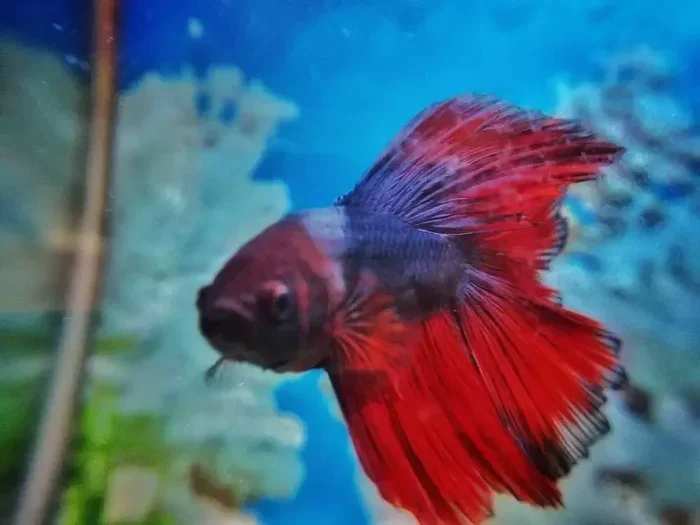
Do betta fish feel lonely? Yes, betta fish can experience loneliness, especially when kept alone in small tanks. Understanding their social needs and behavioral signs helps you create a better environment. This guide covers the real causes of betta fish loneliness and how to prevent it.
Have you ever wondered do betta fish feel lonely? It’s a question many fish owners ask themselves. After all, bettas are often sold alone in small cups at pet stores. You might think they prefer to be on their own. But the truth is more complicated than that.
Betta fish do feel lonely under certain conditions. They are not just simple creatures swimming around without feelings. These colorful fish have complex behaviors and emotional responses. When their needs aren’t met, they can become stressed and unhappy. Understanding this helps you be a better fish parent.
In this article, we’ll explore everything about betta fish loneliness. You’ll learn the signs to watch for, why it happens, and how to fix it. Whether you’re a new fish owner or a seasoned hobbyist, this guide has something for you. Let’s dive in and make sure your betta is living its best life.
Key Takeaways
- Betta fish can feel lonely: Despite being called “siamese fighting fish,” they do have social needs that shouldn’t be ignored.
- Watch for behavioral changes: Hiding, loss of color, and lethargy are common signs of a lonely betta.
- Tank setup matters: A well-decorated tank with hiding spots and open swimming space reduces loneliness.
- Tank mates can help: Choosing the right companions can keep your betta mentally stimulated and happy.
- Interaction counts: Regular observation and gentle interaction can make a big difference in your betta’s mood.
- Prevention is simple: Small changes in care routine can prevent loneliness and boost your fish’s quality of life.
📑 Table of Contents
Do Betta Fish Feel Lonely? Understanding Their Emotional World
Many people believe betta fish are completely solitary creatures. This myth comes from their nickname “siamese fighting fish.” Male bettas do fight each other in the wild. But that doesn’t mean they don’t experience loneliness. In fact, betta fish emotional needs are more complex than most people realize.
Think about it this way. A betta in a tiny cup at a pet store has no stimulation. No plants. No places to explore. Just bare walls and stale water. Over time, this environment takes a toll. The fish becomes bored and stressed. Some fish owners notice their betta becomes less active or loses its bright colors.
What Science Tells Us About Betta Fish Feelings
Research on fish emotions is still growing. However, studies show that fish have more cognitive abilities than we once thought. Bettas, in particular, are known for their curiosity. They watch movement outside the tank. They learn to recognize their owner over time. This level of awareness suggests they experience something similar to boredom or loneliness.
If you’ve ever asked yourself do betta fish get lonely, you’re not alone. Many experienced fish keepers report changes in behavior when their betta is kept in poor conditions. A lonely betta fish often shows visible signs of distress. These signs are your cue to make changes.
It’s also worth noting that bettas in the wild don’t live in complete isolation. They navigate complex environments with plenty of things to explore. Replicating this in a home aquarium is key to keeping them mentally healthy.
Signs Your Betta Fish Is Lonely
How do you know if your betta is feeling lonely? Fish can’t tell us with words, but they communicate through behavior. Learning these signs helps you catch problems early.
Loss of Color
One of the first signs of a stressed or lonely betta is fading color. A healthy betta should display vibrant reds, blues, and greens. If your fish looks pale or washed out, something might be wrong. This is often one of the earliest betta fish stress signs to watch for.
Lethargy and Lack of Movement
A happy betta is an active betta. They swim around the tank, explore corners, and interact with their environment. If your fish just floats in one spot or barely moves, it could be a sign of loneliness or boredom. Betta fish behavior changes like this shouldn’t be ignored.
Hiding and Refusing to Eat
Some lonely bettas start hiding behind plants or in corners. They may also lose interest in food. While this can also signal illness, boredom and loneliness are common causes. If your fish is healthy but still hiding, consider its environment.
Flaring at Nothing
Betta fish sometimes flare their gills and fins at their own reflection. While some flaring is normal, excessive flaring can indicate stress. A lonely betta in a bare tank might see its reflection as a threat. This constant stress wears them down over time.
Why Do Betta Fish Get Lonely?
Understanding the causes of loneliness helps you prevent it. Several factors contribute to a betta feeling isolated or bored.
Small, Bare Tanks
This is the biggest culprit. Many people keep bettas in tiny bowls with no decorations. A small empty tank offers nothing to explore. It’s like being stuck in a bare room with nothing to do. Over time, this leads to boredom and betta fish depression.
A tank that’s too small also means poor water quality. Dirty water affects your fish’s health and mood. The combination of a small space and no enrichment creates a perfect storm for loneliness.
Lack of Stimulation
Bettas are curious creatures. They need things to investigate and interact with. A tank with no plants, no hiding spots, and no variation becomes monotonous. Just like any pet, a betta needs mental stimulation to stay happy.
No Interaction with Their Owner
Did you know that bettas can recognize their owners? Studies show that fish can form bonds with the people who care for them. If you never interact with your betta or never spend time near the tank, your fish might feel isolated. Betta fish and owner bonding is real and important for their well-being.
Wrong Tank Mates or No Tank Mates
Some fish do well alone, but bettas can benefit from the right companions. On the other hand, keeping a betta with aggressive fish causes stress. Finding the balance is key. If you’re unsure about tank mates, check our guide on do betta fish ever get lonely for more insights.
How to Prevent Loneliness in Betta Fish
The good news is that preventing loneliness in bettas is doable. It just takes a little effort and know-how. Here are proven strategies that work.
Upgrade the Tank Size
A larger tank gives your betta room to swim and explore. Many experts recommend at least a 5-gallon tank. Some owners go bigger with 10-gallon setups. If you’re wondering about tank size, our article on do betta fish like a lot of space covers this in detail.
More space means better water quality too. It dilutes waste and reduces toxins. Your betta stays healthier and happier in a bigger environment.
Add Plants and Decorations
Live or silk plants give your betta places to hide and explore. They also provide enrichment. Floating plants are especially great because bettas love to rest near the surface and gaze at what’s above them.
Add caves, driftwood, and other decorations too. These create a natural feel and give your fish things to investigate. A well-decorated tank mimics the betta’s natural habitat and keeps them engaged.
Keep the Water Clean and Comfortable
Clean water is essential for your betta’s health and happiness. Regular water changes remove toxins and keep conditions stable. Bettas prefer warm water between 76 and 82 degrees Fahrenheit. Use a heater to maintain a consistent temperature.
Also consider adding a gentle filter. While bettas don’t like strong currents, a sponge filter keeps water clean without stressing them out. Learn more about filtration preferences in our article on do betta fish like air pump circulation.
Interact with Your Betta Regularly
Spend time near your tank. Talk to your fish. Move your finger slowly along the glass. Bettas are curious and often respond to movement. This simple interaction helps them feel connected and less isolated.
You can also try feeding them by hand or using food puzzles. These activities stimulate their mind and create a routine they look forward to. Betta fish enrichment doesn’t have to be complicated. Even small efforts make a big difference.
Choose the Right Tank Mates
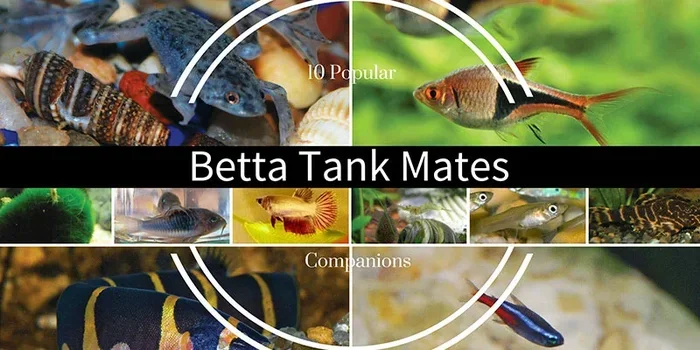
If you want to add companions, choose carefully. Good tank mates for bettas include snails, shrimp, and small peaceful fish. Avoid fish with bright colors or long fins, as bettas may see them as rivals.
If you’re considering adding tank mates, our guide on do betta fish know their owner explains how bettas interact with other creatures. Understanding their social behavior helps you make better choices.
Can Betta Fish Live Happily Alone?
Some bettas do just fine living alone. It depends on the individual fish and their environment. A well-set-up tank with plenty of enrichment can keep a solo betta happy and healthy. The key is providing enough stimulation and maintaining good water quality.
If you choose to keep your betta alone, make sure their tank is interesting. Add plants, decorations, and varied feeding routines. A lonely betta in a boring tank is far more likely to develop behavioral problems than one in a rich, engaging environment.
Remember, every betta is different. Some are more social and need more interaction. Others are perfectly content on their own. Observing your fish and adjusting their care accordingly is the best approach.
Common Mistakes That Cause Betta Loneliness
Avoid these common mistakes to keep your betta happy and healthy:
- Keeping them in a bowl: Bowls are too small and lack filtration. They create a stressful environment for your fish.
- Skipping tank decorations: A bare tank offers no mental stimulation. Your betta needs things to explore and interact with.
- Ignoring water changes: Dirty water causes stress and health problems. Keep up with a regular maintenance schedule.
- Overcrowding the tank: Too many tank mates can stress your betta. Choose companions carefully and monitor their behavior.
- Not spending time near the tank: Your betta benefits from your presence. Even just sitting near the tank helps them feel connected.
Final Thoughts on Betta Fish Loneliness
So, do betta fish feel lonely? The answer is yes. These beautiful, intelligent creatures need more than just clean water and food. They need stimulation, interaction, and a comfortable environment. By understanding their emotional needs, you can provide a home where they truly thrive.
Start with small changes. Add a plant. Spend a few minutes each day watching your fish. Upgrade the tank if needed. Each step makes a meaningful difference in your betta’s quality of life. Your fish will thank you with brighter colors, more energy, and a happier demeanor.
Taking care of a betta is a rewarding experience. When you get it right, you’ll see a fish that’s vibrant, curious, and engaged. That’s the goal every fish owner should strive for. Your betta deserves a life that’s not just survive, but truly flourish.
Frequently Asked Questions
How do I know if my betta fish is lonely?
Watch for signs like fading color, lethargy, hiding, and loss of appetite. These behavioral changes often indicate loneliness or boredom. A healthy betta is active, colorful, and curious about its environment.
Can a betta fish live alone happily?
Yes, a betta can live alone if the tank is well-decorated and enriched. A 5-gallon tank or larger with plants, caves, and regular interaction keeps solo bettas happy. It’s all about the quality of the environment.
What tank size is best for preventing loneliness?
A minimum of 5 gallons is recommended. Larger tanks, like 10 gallons, provide even more space for exploration. A bigger tank also makes it easier to maintain stable water conditions, which supports your betta’s mental health.
Do betta fish get sad when they’re alone?
Bettas can experience stress and sadness-like symptoms when isolated in poor conditions. Their emotional responses include lethargy and color loss. Providing enrichment and a comfortable tank helps prevent these feelings.
Can I keep two betta fish together?
Generally, no. Two male bettas should never be housed together as they will fight. Female bettas can sometimes live in groups called sororities, but this requires careful setup and monitoring. Always research before adding tank mates.
How often should I interact with my betta fish?
Spend a few minutes each day near the tank. Talk softly, move your finger along the glass, or feed them by hand. Regular gentle interaction helps your betta feel secure and connected. Consistency matters more than duration.