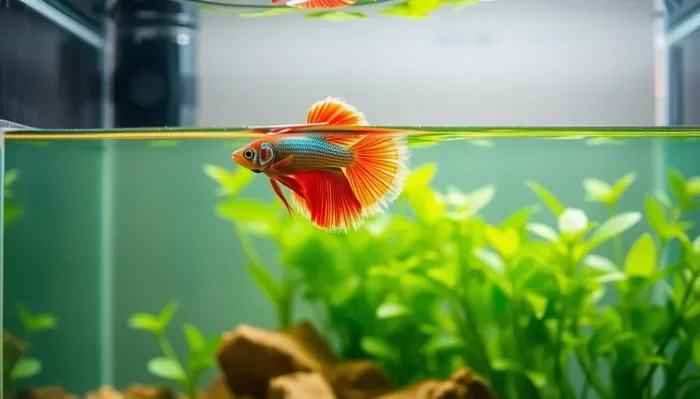
Do Betta Fish Eat Mosquito
Yes, betta fish do eat mosquitoes! These vibrant aquarium fish are natural mosquito hunters and will eagerly consume both adult mosquitoes and their larvae. Adding betta fish to your home can be a fun and effective way to reduce pesky mosquito populations while keeping your fish healthy and entertained.
Do betta fish eat mosquito? The short answer is yes, and they are surprisingly good at it. If you have a betta fish tank at home, you might have noticed your fish darting to the surface whenever a mosquito lands on the water. This natural hunting behavior is not only fascinating to watch but also incredibly useful for keeping your home mosquito-free.
Betta fish are native to the warm, shallow waters of Southeast Asia. In their natural habitat, they eat insects, larvae, and small organisms that fall onto the water surface. Mosquitoes are a common part of their natural diet, making them excellent little pest controllers. In this article, we will explore everything you need to know about betta fish eating mosquitoes, from the benefits to feeding tips and safety precautions.
Key Takeaways
- Betta fish eat mosquitoes: They naturally hunt and consume both adult mosquitoes and mosquito larvae as part of their diet.
- Mosquito larvae are a favorite: Betta fish love eating mosquito larvae because they are small, protein-rich, and easy to catch on the water surface.
- Live food is key: Mosquitoes provide essential protein and nutrients that support betta fish health and vibrant color.
- Safe and chemical-free pest control: Using betta fish for mosquito control is a natural, non-toxic method for your home and garden.
- Feeding balance matters: While mosquitoes are great treats, your betta still needs a varied diet with pellets, flakes, and other nutritious foods.
- Tank setup matters: A proper betta tank setup ensures your fish can hunt mosquitoes safely and comfortably.
📑 Table of Contents
- Why Do Betta Fish Eat Mosquitoes?
- Do Betta Fish Eat Mosquito Larvae?
- How Mosquitoes Benefit Your Betta Fish
- Can You Feed Mosquitoes to Your Betta Fish?
- How Mosquitoes Compare to Other Betta Fish Foods
- Is It Safe to Let Your Betta Eat Mosquitoes?
- Tips for Using Betta Fish as Natural Mosquito Control
- Common Mistakes When Feeding Mosquitoes to Betta Fish
- Final Thoughts on Do Betta Fish Eat Mosquito
Why Do Betta Fish Eat Mosquitoes?
Betta fish are carnivorous by nature. They need a diet rich in protein to stay healthy, active, and colorful. In the wild, bettas spend much of their time hunting for insects and small creatures that land on the water. Mosquitoes fit perfectly into this feeding pattern because they are small, slow-moving, and easy for bettas to catch.
Here is why mosquitoes make great food for betta fish:
- High protein content: Mosquitoes are packed with protein, which is essential for betta growth and energy.
- Easy to catch: Mosquitoes often land on the water surface, right where bettas like to feed.
- Natural hunting stimulation: Catching live mosquitoes keeps your betta mentally stimulated and active.
- Low cost pest control: Your fish can help reduce the mosquito population in your home without any extra effort or expense.
Many betta owners are surprised to learn just how much their fish enjoy hunting mosquitoes. It is one of the most natural and rewarding feeding experiences you can provide for your pet.
Do Betta Fish Eat Mosquito Larvae?
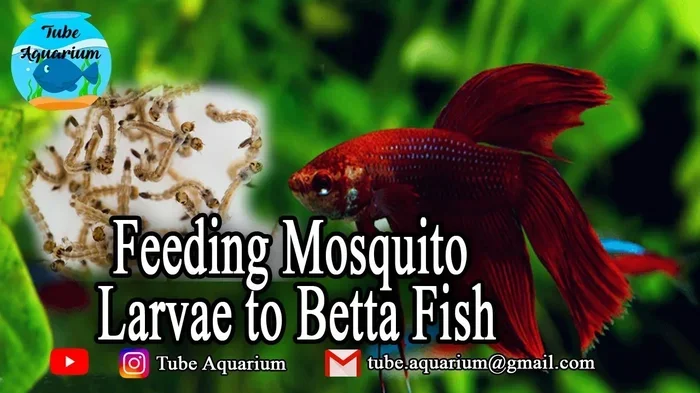
Yes, betta fish eat mosquito larvae, and they often prefer them even more than adult mosquitoes. Mosquito larvae are tiny, wriggling creatures that live just below the water surface. They are an excellent source of protein-rich food for bettas, and many fish keepers actually culture them specifically as live food.
Here is what you should know about betta fish and mosquito larvae:
- Larvae are easy to find: If you have standing water anywhere in your home or garden, chances are mosquito larvae are already there.
- Betta fish hunt them eagerly: Your fish will swim to the surface and pick larvae right out of the water.
- They are highly nutritious: Mosquito larvae contain essential nutrients that support betta fish nutrition and overall health.
- They help with mosquito control: By eating larvae, your betta can help break the mosquito life cycle before they become biting adults.
Many people who keep bettas specifically use their fish as part of a mosquito control strategy. It is a natural, chemical-free way to reduce mosquitoes around your home. For more details on whether all bettas will eat larvae, check out our guide on do all betta fish eat mosquito larvae.
Mosquito Larvae vs. Adult Mosquitoes
Both mosquito larvae and adult mosquitoes are great food sources for betta fish. However, there are some differences worth noting:
- Larvae: Smaller, softer, and easier to eat. Perfect for smaller bettas or younger fish.
- Adult mosquitoes: Larger and provide a bigger meal, but they can be more challenging for your fish to catch.
In most cases, your betta will eat both if given the chance. The key is to offer variety and not rely on mosquitoes as the sole food source.
How Mosquitoes Benefit Your Betta Fish
Feeding mosquitoes to your betta is not just good for pest control. It also provides real health benefits for your fish. Let us look at how betta fish eating mosquitoes can improve their well-being.
Protein Boost for Better Health
Betta fish need a diet that is at least 30 to 50 percent protein. Mosquitoes are an excellent natural source of this essential nutrient. When your betta eats mosquitoes regularly, you may notice:
- Brighter, more vibrant colors in their scales
- Increased energy and activity levels
- Stronger immune system, helping them fight off disease
- Better growth and development, especially in young bettas
Mental Stimulation and Natural Behavior
In the wild, bettas spend a lot of time hunting for food. When you feed them live mosquitoes, you are allowing them to express their natural instincts. This kind of enrichment is important for your fish’s mental health. A betta that gets to hunt is generally happier, less stressed, and more active than one that just gets pellets dropped from above.
You can also explore other live foods that bettas enjoy, such as live brine shrimp or live bloodworms, which are available at most pet stores.
Can You Feed Mosquitoes to Your Betta Fish?
Absolutely! Feeding mosquitoes to your betta is simple and safe. Here is how you can do it effectively:
Method 1: Let the Mosquito Land Naturally
This is the easiest method. Simply leave a light on near your betta tank in the evening. Mosquitoes are attracted to light, and they will often land on the water surface. Your betta will take care of the rest. This method works best if you keep your tank in a room where mosquitoes are common.
Method 2: Collect Larvae from Standing Water
If you have a birdbath, a small pond, or any container with standing water, you can collect mosquito larvae using a small net. Drop the larvae into your betta tank and watch your fish gobble them up. This is a great way to provide fresh, live food without chemicals or additives.
Method 3: Purchase Mosquito Larvae from a Pet Store
Some pet stores and aquarium suppliers sell mosquito larvae as live fish food. This is a clean, controlled source that ensures the larvae are free from pesticides or diseases. If you prefer a store-bought option, this is the safest route.
Method 4: Feed Dried Mosquito-Based Foods
If live mosquitoes are not available, you can try dried foods that contain mosquito or insect-based ingredients. Many high-quality betta fish food brands include dried mosquito larvae or similar proteins in their formulas. While not as exciting as live food, these options still provide good nutrition.
Quick Tips for Feeding Mosquitoes to Your Betta
- Only feed mosquitoes that you are sure have not been exposed to pesticides.
- Do not overfeed. Offer mosquitoes as a treat 2 to 3 times per week alongside regular meals.
- Remove any uneaten mosquitoes after a few hours to keep the tank clean.
- Always wash your hands before and after handling tank water or live food.
How Mosquitoes Compare to Other Betta Fish Foods
Mosquitoes are a great food option, but they work best as part of a balanced betta fish diet. Here is how they compare to other common betta foods:
| Food Type | Protein Level | Availability | Best For |
|---|---|---|---|
| Mosquitoes (live) | High | Seasonal | Natural hunting enrichment |
| Mosquito larvae (live) | High | Easy to find | Daily protein source |
| Betta pellets | Medium-High | Always available | Staple daily food |
| Brine shrimp (live) | High | Pet store | Treat and variety |
| Bloodworms (frozen) | High | Pet store | Supplement feeding |
| Betta flakes | Medium | Always available | Budget-friendly staple |
As you can see, mosquitoes and mosquito larvae offer some of the highest protein levels among common betta foods. However, they should not completely replace pellets or flakes, which are formulated to provide a complete nutritional profile. The best approach is to use mosquitoes as a supplement or treat alongside a quality staple food.
For more information on what bettas can and cannot eat, you might want to read about whether betta fish eat regular fish food or explore the full list of insects bettas can eat.
Is It Safe to Let Your Betta Eat Mosquitoes?
For the most part, yes. Letting your betta eat mosquitoes is safe and natural. However, there are a few important safety considerations to keep in mind.
Avoid Pesticide-Treated Mosquitoes
This is the biggest risk. If you collect mosquitoes from areas that have been sprayed with insecticides or pesticides, those chemicals can harm or even kill your betta fish. Always make sure any mosquitoes or larvae you offer to your fish are from a clean, pesticide-free source.
Watch for Overfeeding
While bettas love mosquitoes, too much of any single food can cause digestive issues. Mosquitoes should make up no more than 10 to 15 percent of your betta’s overall diet. Stick to a regular feeding schedule with quality pellets or flakes as the main course.
Check Your Tank Size
If you have a very small tank, adding too many live mosquitoes at once can dirty the water quickly. Feed small amounts and remove any uneaten insects within a few hours to maintain good water quality.
Disease Concerns
Wild-caught mosquitoes could potentially carry parasites or diseases. If you notice any unusual behavior in your betta after feeding wild mosquitoes, such as lethargy or loss of appetite, stop feeding and monitor your fish closely. When in doubt, opt for store-bought larvae or dried alternatives.
Tips for Using Betta Fish as Natural Mosquito Control
Want to use your betta fish to help reduce mosquitoes around your home? Here are some practical tips to make this work effectively.
- Place your tank near problem areas: If you have a patio, porch, or garden area with mosquitoes, keeping your betta tank nearby can help. The fish will catch any mosquitoes that come near the water surface.
- Use a tank with an open or semi-open top: Betta fish need to access the water surface to catch mosquitoes. A tank with a fully closed lid will prevent this natural hunting behavior.
- Keep the water clean: Regular water changes and proper filtration will ensure your betta stays healthy and can focus on hunting.
- Combine with other natural methods: Use your betta alongside other mosquito control strategies like removing standing water, using screens, and planting mosquito-repelling plants.
- Add a small light near the tank: Lights attract mosquitoes, especially in the evening. Positioning a small lamp near your tank can draw mosquitoes to the water surface where your betta can catch them.
Using your betta fish for mosquito control is a rewarding experience. It gives your fish a chance to hunt naturally while helping you enjoy your outdoor spaces without the annoyance of buzzing mosquitoes.
Common Mistakes When Feeding Mosquitoes to Betta Fish
Even though feeding mosquitoes to your betta is straightforward, some common mistakes can cause problems. Here is what to avoid:
- Feeding mosquitoes from treated areas: As mentioned, pesticides are dangerous. Always source your mosquitoes from clean, untreated areas.
- Replacing staple food with mosquitoes: Mosquitoes alone do not provide all the vitamins and minerals your betta needs. They are a supplement, not a replacement.
- Overfeeding at once: Too many mosquitoes in the tank at one time can lead to wasted food and poor water quality. Feed in small amounts.
- Ignoring uneaten food: Dead or uneaten mosquitoes will decompose in the tank, which can spike ammonia levels and harm your fish.
- Assuming all bettas will eat mosquitoes: While most bettas will eagerly eat mosquitoes, some may be picky or hesitant at first. Be patient and try different feeding methods.
Final Thoughts on Do Betta Fish Eat Mosquito
Betta fish eat mosquito and they do it with enthusiasm and skill. These beautiful fish are natural hunters, and mosquitoes provide them with an excellent source of protein and mental stimulation. Whether you feed them live adult mosquitoes, mosquito larvae, or dried alternatives, your betta will benefit from this natural food source.
Using your betta fish for mosquito control is a safe, chemical-free, and enjoyable way to reduce pests in and around your home. Just remember to keep a balanced diet, source your mosquitoes safely, and enjoy watching your fish do what they do best.
With the right approach, your betta fish can be both a beautiful pet and a helpful ally in the fight against mosquitoes. So the next time you see a mosquito hovering near your tank, smile and know that your fish has got it handled.
Frequently Asked Questions
Can betta fish eat mosquito larvae every day?
While betta fish can eat mosquito larvae regularly, it is best to offer them as a supplement rather than a daily staple. Larvae are high in protein but lack some essential vitamins and minerals found in quality betta pellets. Feed larvae 2 to 3 times per week alongside a balanced diet for the best results.
Are mosquitoes safe for betta fish if they come from outside?
Mosquitoes from outside can be safe as long as they have not been exposed to pesticides, herbicides, or other chemicals. Avoid collecting mosquitoes from areas that have been sprayed. If you are unsure about the source, it is safer to purchase larvae from a reputable pet store or use dried alternatives.
How many mosquitoes should I feed my betta fish at once?
Start with 1 to 2 mosquitoes or a small handful of larvae per feeding. Bettas have small stomachs, and overfeeding can lead to digestive issues and poor water quality. Remove any uneaten mosquitoes after a few hours to keep the tank clean.
Will my betta fish stop eating pellets if I feed it mosquitoes?
Some bettas may become picky if they get too many treats like live mosquitoes. To prevent this, always offer pellets or flakes first during regular feedings, and use mosquitoes as an occasional supplement or reward. This keeps your fish interested in its staple diet.
Can mosquitoes carry diseases that could harm my betta fish?
Wild mosquitoes can potentially carry parasites or pathogens. If you notice any signs of illness in your betta after feeding wild-caught mosquitoes, such as clamped fins, loss of appetite, or unusual swimming behavior, stop feeding and consult a veterinarian if symptoms persist.
What other insects do betta fish eat besides mosquitoes?
Betta fish eat a variety of insects including house flies, gnats, ants, and small beetles. They also enjoy live foods like brine shrimp, bloodworms, and daphnia. Offering a variety of insect-based foods helps ensure your betta gets a well-rounded and nutritious diet.