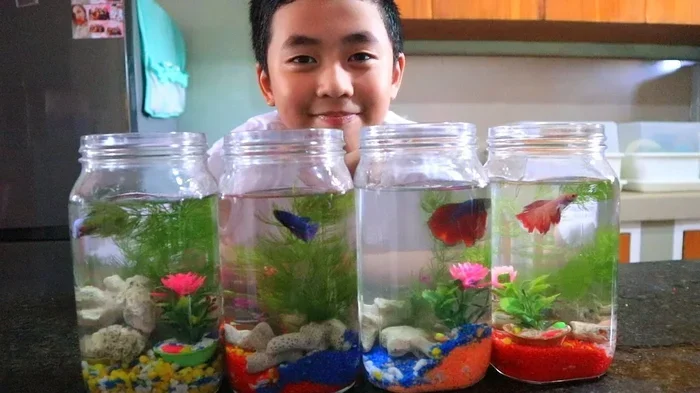
Is It Ok to Put Betta Fish in Normal Water
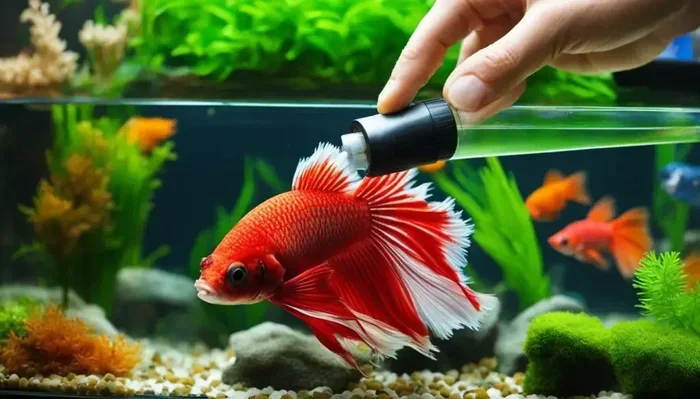
It is not always safe to put betta fish in normal water straight from the tap. Normal tap water contains chlorine and chemicals that can harm your betta fish. You must treat or condition the water before adding your fish. This guide covers everything you need to know about using normal water safely for your betta fish tank.
Keeping a betta fish is one of the most rewarding hobbies you can have. These colorful little creatures bring life and calm to any room. But one question almost every new betta owner asks is: is it ok to put betta fish in normal water. The short answer is: it depends on what you mean by normal water and how you prepare it.
Many beginners assume that filling a tank with regular tap water is fine. After all, we drink tap water every day, right? Well, things work differently underwater. Betta fish are sensitive creatures, and the water they live in directly affects their health and lifespan. Using the wrong type of water can lead to stress, disease, and even death.
This article will walk you through everything you need to know about using normal water for betta fish. We will cover what normal water means, why it can be risky, and exactly how to make it safe. Whether you are a complete beginner or a seasoned fish keeper brushing up on basics, you will find practical tips here.
Key Takeaways
- Normal tap water is not safe for betta fish without treatment: Chlorine and chloramines found in tap water can damage your fish’s gills and health.
- Water conditioner is essential: A simple water conditioner removes harmful chemicals and makes normal water safe for betta fish.
- Let water sit for 24 hours: This helps chlorine evaporate naturally before adding your betta fish to the tank.
- Water temperature matters: Betta fish need warm water between 76-82°F, which normal tap water may not provide.
- Regular water changes keep your betta healthy: Changing 25-30% of the water weekly prevents toxin buildup in the tank.
- Test your water parameters regularly: pH, ammonia, and nitrate levels all affect how safe normal water is for betta fish.
📑 Table of Contents
What Does “Normal Water” Mean for Betta Fish?
When people say normal water, they usually mean tap water from their kitchen sink. But normal water can also mean bottled water, well water, or even filtered water from a fridge. Each type has different qualities that affect your betta fish in different ways.
Tap water is the most common type of normal water in households. It goes through treatment plants where chemicals like chlorine are added to kill bacteria. This makes it safe for humans but not always safe for fish. Bottled water might seem like a better option, but it often lacks the minerals betta fish need. Well water can contain high levels of minerals and contaminants that vary widely depending on your location.
So when we talk about normal water, we are really talking about any untreated water source that comes directly from your home. The key question is whether that water is safe for a living creature like your betta fish.
Why Normal Water Is Not Always Fish-Safe
Water that is safe for humans is not automatically safe for fish. Our bodies handle chemicals differently than fish do. Fish absorb water directly through their skin and gills. This means any harmful substances in normal water enter their system quickly and can cause serious damage.
Chlorine is the biggest culprit in most tap water. It irritates the gills and makes it hard for your betta to breathe. Chloramine, a combination of chlorine and ammonia, is even worse because it does not evaporate as easily. Heavy metals like copper and lead can also lurk in normal water supplies, especially in older homes with aging pipes.
Can You Put Betta Fish in Normal Tap Water?
The answer is yes, but only after you treat it properly. Putting betta fish in normal tap water without treatment is one of the most common mistakes new fish owners make. The good news is that making tap water safe is simple and affordable.
Many experienced fish keepers will tell you that conditioning tap water is a non-negotiable step. You cannot skip this part if you want your betta fish to thrive. The process is quick and takes just a few minutes during each water change.
Some people wonder if putting betta fish in regular water is the same thing as using normal water. The answer is essentially yes. Regular water and normal water usually refer to the same thing: standard tap water from your home supply. The preparation steps are identical.
How Tap Water Affects Betta Fish
Tap water affects betta fish in several ways. Let us break down the main concerns:
- Chlorine exposure: Causes burning and irritation of the gills, leading to labored breathing and stress.
- Chloramine presence: This compound stays in water longer than chlorine and can damage internal organs over time.
- Heavy metals: Copper and zinc from pipes can accumulate in the tank and reach toxic levels for betta fish.
- pH fluctuations: Tap water pH varies by region and may not match the ideal range for betta fish, which is between 6.5 and 7.5.
- Temperature shock: Cold tap water can lower the tank temperature suddenly, stressing your betta fish.
Each of these factors on its own can cause problems. Combined, they create a hostile environment that weakens your fish’s immune system and makes them vulnerable to illness.
The Risks of Using Untreated Normal Water
Using untreated normal water in your betta fish tank is like asking someone to breathe polluted air. Your fish cannot simply walk away from the danger. They are trapped in that water 24 hours a day, seven days a week.
Short-term exposure to untreated tap water can cause immediate gill damage. You might notice your betta gasping at the surface or flashing against decorations. These are clear signs of distress. Long-term exposure leads to chronic health issues, weakened immunity, and a shortened lifespan.
One common question is whether putting tap water in a betta fish bowl is acceptable. The truth is that bowls are even more problematic because they lack filtration and have smaller water volumes. Chemicals concentrate faster in a bowl, making untreated tap water even more dangerous in this setup.
Common Problems from Untreated Water
Here are the most common issues betta fish face when placed in untreated normal water:
- Gill damage: The gills become inflamed and cannot properly oxygenate the blood.
- Stress and behavioral changes: Stressed bettas become lethargic, lose their color, and stop eating.
- Increased disease susceptibility: A weakened immune system opens the door to fungal and bacterial infections.
- Organ failure: Over time, accumulated toxins can cause permanent damage to vital organs.
- Death: In severe cases, untreated water can kill a betta fish within hours.
These risks sound scary, but they are entirely preventable with the right preparation steps. You do not need expensive equipment or advanced skills. A simple water conditioner makes all the difference.
How to Make Normal Water Safe for Your Betta Fish
Making normal water safe is straightforward and should become part of your regular betta fish care routine. Follow these steps every time you add water to your tank or perform a water change.
Step 1: Use a Water Conditioner
A water conditioner is the single most important product for any fish keeper. Brands like Seachem Prime or API Tap Water Conditioner are affordable and effective. You simply add the recommended dose to your tap water before pouring it into the tank. The conditioner neutralizes chlorine, chloramine, and heavy metals instantly.
Most conditioners work within minutes. This means you can add treated water to your tank right away without waiting. Always follow the dosage instructions on the bottle, as the amount needed depends on the volume of water you are treating.
Step 2: Let Water Sit for 24 Hours
If you do not have a water conditioner on hand, letting water sit for 24 hours is a traditional method. During this time, chlorine naturally evaporates from the water. However, this method does not remove chloramine or heavy metals, so it is not as reliable as using a conditioner.
If you choose this route, leave the water in an open container at room temperature. Why wait 24 hours to put betta fish in tank water? Because the chlorine needs time to dissipate. Rushing this process means the water may still contain harmful levels of chlorine when you add your fish.
Step 3: Match the Water Temperature
Betta fish are tropical fish and need warm water. Normal tap water is often too cold, especially in winter months. Use a thermometer to check the temperature of your treated water before adding it to the tank. The ideal range is between 76 and 82 degrees Fahrenheit.
If the water is too cold, you can let it warm up to room temperature or use a small heater to bring it to the right temperature. Sudden temperature changes are just as dangerous as chemical exposure, so always aim for a gradual transition.
Step 4: Test Your Water Parameters
Testing your water is a habit that separates good fish keepers from great ones. A basic liquid test kit measures pH, ammonia, nitrite, and nitrate levels. These parameters tell you whether your water is truly safe for your betta fish.
Test your tap water first, then test the tank water after adding it. This comparison helps you understand how your tap water affects the overall tank environment. Most pet stores sell affordable test kits, and they are well worth the small investment.
Signs Your Betta Fish Is Not Thriving in Normal Water
Even with the best preparation, things can go wrong. Knowing the warning signs helps you catch problems early and take action quickly. Watch your betta fish closely after any water change or tank setup.
Behavioral Warning Signs
Your betta fish will tell you when something is wrong through its behavior. Pay attention to these red flags:
- Gasping at the surface: This usually means the water lacks oxygen or contains irritants affecting the gills.
- Lethargy: A healthy betta is active and curious. If your fish stays at the bottom or hides constantly, something is off.
- Loss of color: Vibrant colors fade when a betta is stressed or unhealthy.
- Clamped fins: Fins held close to the body signal discomfort and stress.
- Loss of appetite: Refusing food for more than a day is a serious warning sign.
Physical Warning Signs
Physical symptoms often appear after behavioral changes. Look for these signs during feeding or tank maintenance:
- White spots on the body: These indicate ich, a common parasitic infection often triggered by poor water quality.
- Red or inflamed gills: A direct sign of chemical irritation from untreated water.
- Frayed or torn fins: While sometimes caused by tank mates, poor water quality weakens fin tissue.
- Swollen abdomen: This can signal dropsy, a condition linked to prolonged exposure to bad water.
If you notice any of these signs, test your water immediately and perform a partial water change with properly conditioned water. Acting fast can save your betta fish’s life.
Best Practices for Maintaining Clean and Safe Water
Making normal water safe is only half the battle. Keeping your betta fish tank clean and stable over time requires consistent maintenance. Here are the best practices every betta owner should follow.
Perform Regular Water Changes
You should change 25 to 30 percent of your tank water every week. This removes built-up toxins and refreshes the water chemistry. Always treat new water with a conditioner before adding it to the tank. Never replace all the water at once, as this shocks your fish with sudden changes in water parameters.
Use the Right Filtration
A gentle filter helps maintain clean water without creating strong currents. Betta fish are not strong swimmers and prefer calm water. A sponge filter works well for betta tanks because it provides mechanical and biological filtration without being too powerful.
Keep Water Parameters Stable
Stability is just as important as cleanliness. Fluctuating pH or temperature causes more stress than slightly imperfect but stable conditions. Aim for a pH between 6.5 and 7.5, and keep the temperature steady around 78°F. Water quality directly impacts your betta fish health, so consistency matters more than perfection.
Avoid These Common Mistakes
- Never add untreated tap water directly to the tank.
- Do not use distilled water without remineralizing it first.
- Avoid sudden large water changes that alter the tank environment.
- Do not rely on bottled water without checking its mineral content.
- Never skip water testing, even if your fish look healthy.
Following these simple steps ensures your betta fish lives in a safe and healthy environment. Normal water becomes perfectly fine for betta fish when you take the right precautions and stay consistent with maintenance.
Remember, every betta fish deserves clean, safe water to thrive. Taking the time to properly prepare your water shows your fish that you care. The small effort you put into water preparation pays off with a happy, colorful, and active betta fish that brings joy to your home for years to come.
Frequently Asked Questions
Can betta fish live in normal tap water without treatment?
No, betta fish should not live in untreated normal tap water. Tap water contains chlorine and chloramine that harm fish gills and overall health. Always use a water conditioner to make tap water safe before adding it to your betta fish tank.
How long should you let normal water sit before adding betta fish?
If you are using the evaporation method, let normal water sit uncovered for at least 24 hours. This allows chlorine to dissipate naturally. However, using a water conditioner is faster and more effective, as it neutralizes chlorine instantly without waiting.
Is bottled water safe for betta fish as normal water?
Bottled water can be safe but requires caution. Some brands lack essential minerals that betta fish need, while others may contain additives. Always test bottled water parameters and consider adding a mineral supplement if needed before using it in your betta tank.
What is the best type of normal water for betta fish?
The best normal water for betta fish is treated tap water. After adding a water conditioner to neutralize harmful chemicals, tap water provides a balanced environment. You can also use filtered water or spring water, but always test and treat it first.
How often should you change normal water in a betta fish tank?
Perform a 25 to 30 percent water change every week using properly conditioned normal water. Weekly changes prevent toxin buildup and keep water parameters stable. Never change more than 50 percent of the water at once to avoid shocking your betta fish.
Can normal water temperature harm betta fish?
Yes, water temperature matters greatly. Cold normal tap water can shock your betta fish and weaken its immune system. Always match the temperature of new water to your tank, keeping it between 76 and 82 degrees Fahrenheit for optimal betta fish health.
=== CONCLUSION ===
Is it ok to put betta fish in normal water? The answer is yes, with proper preparation. Normal tap water is not dangerous on its own, but the chemicals it contains can seriously harm your betta fish if left untreated. Using a quality water conditioner, letting water sit when needed, matching temperatures, and testing parameters are all simple steps that make a huge difference.
Your betta fish depends entirely on you for its water environment. Taking the time to prepare normal water properly is one of the best things you can do for your pet. With the right knowledge and a little consistency, you can create a safe and thriving home for your betta fish using water from your own tap.