Is It Normal for Betta Fish to Swim in Circles
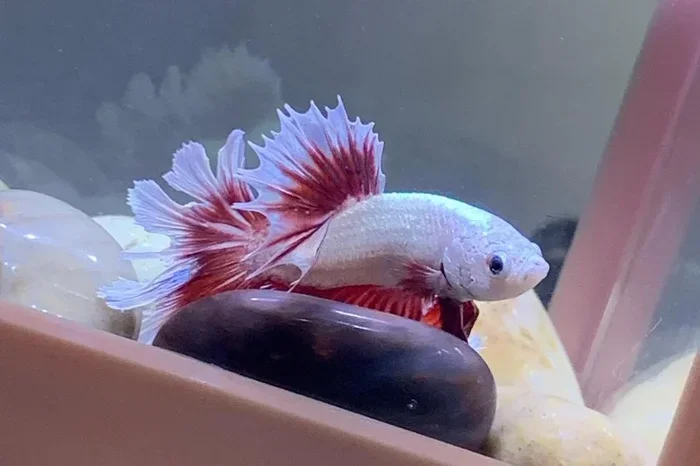
It is not normal for betta fish to swim in circles regularly. While occasional circling might seem harmless, persistent betta fish swimming in circles often signals an underlying issue like swim bladder disease, poor water conditions, or stress. Understanding the root cause helps you act fast and keep your fish healthy and happy.
Have you ever stared at your betta fish tank and noticed your fish swimming in tight little loops? It can be a strange and even scary sight. Many fish owners panic when they see this behavior for the first time. The good news is that understanding why it happens is the first step toward fixing it.
Betta fish swimming in circles is not something you should ignore. It is a clear sign that something is off. Whether it is a minor issue or a serious health concern, your fish is trying to tell you something. This guide breaks down every possible reason behind this behavior and gives you practical steps to help your betta feel better.
We will cover everything from swim bladder problems to tank conditions. You will learn what is normal, what is not, and exactly when to call a vet. By the end, you will feel confident in your ability to keep your betta happy and swimming in a healthy way.
Key Takeaways
- Circling behavior is a warning sign: It usually means something in the tank needs attention.
- Swim bladder issues are the most common cause: These can often be treated at home with simple adjustments.
- Water quality matters enormously: Poor parameters directly trigger abnormal swimming patterns.
- Temperature imbalances can cause disorientation: Keeping the tank at the right degrees prevents many problems.
- Stress from tank mates or small bowls contributes: Upgrading the environment reduces circling episodes.
- Early action leads to faster recovery: The sooner you address the cause, the better the outcome for your betta.
📑 Table of Contents
- What Does It Mean When a Betta Fish Swims in Circles?
- Common Reasons Why Betta Fish Swim in Circles
- How to Tell If Your Betta’s Circling Is Serious
- Steps to Stop Your Betta From Swimming in Circles
- Prevention Tips to Keep Your Betta Swimming Straight
- Expert Insights on Betta Swimming Behavior
- When to See a Veterinarian
- Conclusion
What Does It Mean When a Betta Fish Swims in Circles?
Swimming in circles means your betta is moving in a repeated loop, either clockwise or counterclockwise. Sometimes the circles are wide and slow. Other times they are tight and frantic. The pattern tells you a lot about what is going on inside your fish’s body.
Occasional circling might not be a big deal. Your betta might just be exploring or playing. But when the behavior becomes frequent or obsessive, it is time to pay attention. Persistent circling is almost always a symptom of something deeper.
Think of it like a human walking in circles when feeling dizzy. Your betta cannot tell you it feels off balance or sick. The circling is its way of showing you that something is wrong. The sooner you decode the message, the better your chances of helping.
Normal vs. Abnormal Swimming Behavior
Betta fish are naturally active swimmers. They dart around plants, explore corners, and flare their fins. A healthy betta moves with purpose and smooth, flowing motions. Here is a quick way to tell the difference:
- Normal behavior: Smooth swimming, exploring the tank, resting on leaves, building bubble nests.
- Abnormal behavior: Repeated circling, tilting to one side, floating at the top or sinking to the bottom, clamped fins, rapid gill movement.
If you notice the abnormal signs lasting more than a few minutes at a time, you should investigate further. Betta fish behavior changes are often the earliest warning of trouble.
Common Reasons Why Betta Fish Swim in Circles
Several factors can trigger circling in bettas. Some are easy to fix. Others need a bit more attention. Let us walk through the most common causes one by one.
Swim Bladder Disease
The swim bladder is a small organ that helps your betta control buoyancy. When it malfunctions, your fish loses the ability to swim normally. One of the most visible symptoms is swimming in tight circles or floating sideways.
This condition is very common in bettas. It can be caused by overfeeding, constipation, or even a sudden change in water temperature. The good news is that swim bladder disease is often treatable at home with simple steps like fasting and adjusting the diet.
If you suspect swim bladder issues, check out our detailed guide on how to cure swim bladder in betta fish. It covers proven methods that many fish owners have found effective.
Poor Water Quality
Betta fish are sensitive to changes in water conditions. When ammonia, nitrite, or nitrate levels spike, your fish becomes stressed and disoriented. Circling is one of the first behavioral signs that the water is toxic.
Dirty water affects the gills and nervous system. Your betta may start swimming erratically, including in circles. Regular water changes and proper filtration are essential. Aquarium water quality should always be a top priority for any fish owner.
A quick test with a liquid test kit can reveal hidden problems. Most pet stores sell affordable kits. Test your water at least once a week to stay ahead of issues before they cause behavioral changes.
Incorrect Water Temperature
Betta fish water temperature plays a huge role in your fish’s overall health and behavior. Bettas are tropical fish and need warm water between 76 and 82 degrees Fahrenheit. When the temperature drops too low, your betta becomes sluggish and may swim in strange patterns, including circles.
On the other hand, water that is too hot can also cause stress and disorientation. Fluctuating temperatures are even worse than a consistently wrong temperature. A reliable aquarium heater with a thermostat helps maintain stable conditions.
For the ideal range and more details, visit our article on what is the ideal temperature for betta fish. Keeping the temperature steady is one of the easiest ways to prevent abnormal swimming.
Stress and Environmental Factors
Stress is a silent killer for betta fish. When your fish feels threatened or uncomfortable, it can develop strange behaviors. Circling is one way stress shows up physically.
Common stressors include:
- Tiny bowls or cramped tanks with no swimming space
- Bright lights that are too intense for long periods
- Loud noises or vibrations near the tank
- Aggressive tank mates or constant chasing
- Lack of hiding spots and plants
Every betta deserves a comfortable and calm environment. If you keep your fish in a small bowl, consider upgrading to a larger tank. Our guide on how to care for betta fish in a bowl offers practical tips for improving your fish’s living space, even in smaller setups.
Neurological Issues and Infections
In some cases, circling can point to a neurological problem. Bacterial or viral infections can affect the brain and nervous system. When this happens, your betta may swim in circles, tilt its head, or lose coordination entirely.
These cases are less common but more serious. If you have ruled out swim bladder issues, water quality, and temperature, it is worth considering a deeper health problem. A veterinarian who specializes in fish can help diagnose and treat these conditions.
Some infections come from poor tank hygiene or introducing new fish without quarantine. Always observe new additions to your tank for at least two weeks before mixing them with your betta.
How to Tell If Your Betta’s Circling Is Serious
Not all circling means disaster. But knowing when to act quickly can save your fish’s life. Here is a simple way to evaluate the situation.
First, watch the pattern. Is the circling occasional or constant? Does your betta seem distressed, or is it swimming calmly? Second, check for other symptoms. Look for clamped fins, loss of appetite, faded colors, or rapid breathing. Third, test the water. Ammonia and nitrite should always read zero, and nitrates should stay below 20 ppm.
If your fish is circling nonstop and showing other symptoms, do not wait. Take action immediately. Fish swimming abnormally is never something to brush off, especially with bettas.
Steps to Stop Your Betta From Swimming in Circles
Once you identify the cause, fixing the problem becomes much easier. Here is a step-by-step approach that works for most cases.
Step 1: Test and Fix the Water
Start with the water. Test for ammonia, nitrite, nitrate, and pH. Do a 25 to 30 percent water change if any levels are off. Use a water conditioner to remove chlorine and chloramine from tap water. Clean water is the foundation of a healthy betta.
Step 2: Check the Temperature
Verify that your heater is working correctly. Set it to maintain a steady temperature around 78 degrees Fahrenheit. Avoid placing the tank near windows, doors, or vents where drafts can cause fluctuations.
Step 3: Adjust Feeding Habits
Overfeeding is one of the leading causes of swim bladder problems. Feed your betta small amounts twice a day. Skip one feeding day per week to help digestion. Frozen or live foods like brine shrimp are excellent choices that are easier to digest than pellets.
Step 4: Reduce Stress
Add plants, caves, or decorations that give your betta places to hide. Keep the tank in a quiet area of your home. Avoid tapping on the glass or making sudden loud noises near the aquarium. A calm environment promotes natural, healthy swimming patterns.
Step 5: Monitor and Be Patient
After making changes, give your betta time to adjust. Improvement may take a few days. Continue monitoring behavior and water parameters daily. If the circling persists after a week of adjustments, consult a fish veterinarian for further guidance.
Prevention Tips to Keep Your Betta Swimming Straight
Prevention is always better than cure. A well-maintained tank and a healthy routine go a long way in keeping your betta happy and free from abnormal behaviors like circling.
Here are some simple habits to build into your routine:
- Test water weekly: Keep ammonia and nitrite at zero. Nitrates should stay below 20 ppm.
- Do regular water changes: Replace 20 to 30 percent of the water every week to keep conditions fresh.
- Feed a balanced diet: Rotate between high-quality pellets, frozen foods, and live treats. Avoid overfeeding.
- Maintain stable temperatures: Use a reliable heater and thermometer. Keep the range between 76 and 82 degrees Fahrenheit.
- Provide enrichment: Add plants, caves, and gentle décor. A stimulating environment reduces boredom and stress.
- Quarantine new fish: Always observe new additions for at least two weeks before adding them to your main tank.
These habits take only a few minutes each week but make a huge difference. Consistent care is the best way to prevent betta fish health issues before they start.
Expert Insights on Betta Swimming Behavior
Experienced aquarists and fish veterinarians agree that circling behavior should never be ignored. According to marine biology experts, abnormal swimming patterns are among the top early warning signs of distress in captive fish. Many owners dismiss circling as quirky behavior, but professionals treat it as a serious indicator that something needs attention.
Dr. Jessie Sanders, a certified aquatic veterinarian, often emphasizes that “behavioral changes in fish are the first clue that something is wrong in their environment.” This aligns perfectly with what betta keepers observe at home. The moment you notice persistent circling, you should start investigating the possible causes.
One expert tip that many experienced keepers share is to observe your betta during feeding time. A healthy betta should eat eagerly and swim normally afterward. If it circles or struggles during or after meals, digestive or swim bladder issues are likely the culprit.
Another valuable insight is to keep a simple log of your tank parameters and your betta’s behavior. Writing down water tests and behavioral observations helps you spot patterns over time. This makes it much easier to connect the dots when something goes wrong.
When to See a Veterinarian
Most cases of circling can be resolved with the steps outlined above. However, there are times when professional help is necessary. If your betta stops eating completely, starts losing weight rapidly, or shows visible signs of infection like white spots or open sores, a vet visit is the right move.
Fish veterinarians can prescribe medications that are not available over the counter. They can also perform detailed examinations to identify underlying conditions that might not be obvious at home. Do not hesitate to seek help if your efforts do not produce improvement within a week.
Conclusion
Betta fish swimming in circles is a behavior that deserves your attention. It is not something to brush off as normal or quirky. Whether the cause is swim bladder disease, poor water quality, incorrect temperature, or stress, the sooner you act, the better the outcome for your fish.
Use the steps in this guide to identify the problem and implement a solution. Keep your tank clean, feed wisely, and maintain stable conditions. Your betta will reward you with healthy, natural swimming and a vibrant, happy life. Remember, a little proactive care goes a long way in preventing circling behavior and keeping your betta thriving.
If the circling continues despite your best efforts, do not hesitate to reach out to a fish health professional. Your betta deserves the best care you can provide, and you now have the knowledge to give it.
Frequently Asked Questions
Why is my betta fish swimming in circles all of a sudden?
Sudden circling often points to a rapid change in water conditions or a swim bladder episode. Check your water parameters first and look for signs of distress. A sudden water change, temperature drop, or overfeeding can all trigger this behavior quickly.
Can stress cause a betta fish to swim in circles?
Yes, stress is a very common cause of abnormal swimming in bettas. Poor tank conditions, bright lights, loud noises, or aggressive tank mates can all lead to stress-induced circling. Creating a calm and stable environment helps reduce stress-related behaviors significantly.
Is swimming in circles a sign of swim bladder disease in bettas?
It can be. Swim bladder disease is one of the most frequent causes of circling behavior in bettas. Other symptoms include floating at the top, sinking to the bottom, or swimming tilted to one side. Fasting and adjusting the diet often help resolve mild cases.
How long does it take for a betta to stop swimming in circles after treatment?
Most bettas show improvement within a few days of treatment. If the cause is swim bladder related, fasting for two to three days followed by a diet of boiled peas can help. For water quality issues, a partial water change often brings quick relief. Patience and consistent monitoring are key.
Should I be worried if my betta swims in circles once in a while?
Occasional circling is usually not a cause for alarm. Betta fish sometimes explore or play in loops. However, if the behavior becomes frequent or is accompanied by other symptoms like loss of appetite or clamped fins, it is time to investigate further and take corrective action.
Can a small bowl cause a betta to swim in circles?
Yes, keeping a betta in a too-small bowl can contribute to stress and poor water quality, both of which can lead to circling. Bettas need at least a 5-gallon tank with proper filtration and heating. Upgrading the living space often improves behavior and overall health noticeably.