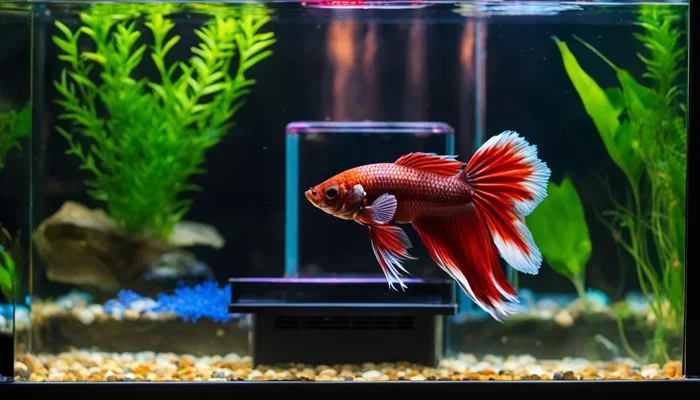
Is It Normal for Betta Fish to Make Bubbles
Yes, it is completely normal for betta fish to make bubbles. Male bettas blow bubble nests as a natural instinct tied to breeding and feeling safe. These bubbles signal a happy, healthy fish. Understanding betta fish bubble behavior helps you provide better care and spot potential issues early.
If you have ever glanced at your betta fish tank and noticed a cluster of tiny bubbles floating on the surface, you might have wondered, “Is this normal?” The short answer is yes. Betta fish making bubbles is one of the most common and completely natural behaviors you will see in a home aquarium. These little bubble clusters, often called bubble nests, tell you a lot about your fish’s mood and overall well-being.
Betta fish, also known as Siamese fighting fish, are famous for their vibrant colors and flowing fins. But their bubble-building habit is just as fascinating. Whether you are a new betta owner or a seasoned hobbyist, understanding why your fish blows bubbles can deepen your appreciation for these amazing creatures. In this guide, we will cover everything you need to know about betta fish bubble nests, what causes them, and when you should pay attention.
Key Takeaways
- Bubble nests are natural: Male betta fish blow bubbles as part of their breeding instinct and a sign of contentment.
- Healthy environment matters: Clean water and proper tank conditions encourage bubble nest building.
- Not all bettas build nests: Female bettas and some males may rarely or never build bubble nests, and that is okay.
- Surface agitation plays a role: air bubbles from filters or bubblers can influence nest-building behavior.
- Watch for warning signs: A destroyed nest or lack of bubbles paired with other symptoms may indicate stress or illness.
- Water quality is key: Using the right water conditioner and maintaining temperature supports healthy betta fish behavior.
📑 Table of Contents
- What Are Bubble Nests and Why Do Betta Fish Make Them?
- Is It Normal for Betta Fish to Make Bubbles?
- What Causes Betta Fish to Blow More Bubbles?
- Are Air Bubbles Bad for Betta Fish?
- When Should You Worry About Bubble Nests?
- How to Support Healthy Bubble Nest Building
- Quick Tips for Betta Fish Owners
- Common Mistakes Bettas Owners Make
- Expert Insights on Betta Bubble Behavior
- Conclusion
What Are Bubble Nests and Why Do Betta Fish Make Them?
A bubble nest is exactly what it sounds like. Your betta fish blows a collection of tiny air bubbles that stick together at the surface of the water. These nests can range from a small cluster to a large, messy raft of bubbles. Male bettas are the primary bubble nest builders, though occasional females may also participate.
The main reason bettas build bubble nests comes down to instinct. In the wild, male bettas create these nests as part of the breeding process. The nest serves as a safe place for eggs and newly hatched fry. Even in a home tank without a mate, your male betta may still build a nest because it is hardwired into his nature. This behavior shows that your fish feels secure and comfortable in its environment.
The Science Behind Bubble Nest Building
When a betta fish blows a bubble nest, it uses a special mucus-coated bubble of air from its mouth. The fish spits these bubbles onto the water surface, and they stick together thanks to the mucus. The result is a floating platform that can hold eggs once breeding occurs.
Several factors trigger this behavior:
- Hormonal signals: Male bettas produce hormones that drive nest-building, especially during breeding season.
- Feeling safe: A calm, stress-free environment encourages bubble nest construction.
- Water conditions: Clean, warm water with gentle surface movement supports healthy nest building.
- Natural instinct: Even without a female present, the urge to build remains strong in most males.
If you want to understand more about what betta fish bubbles mean in detail, you can check out our guide on what it means when betta fish make bubbles for a deeper dive into the behavior.
Is It Normal for Betta Fish to Make Bubbles?
Absolutely. Betta fish making bubbles is not just normal, it is a sign of a happy and healthy fish. In the wild, bubble nests are essential for reproduction. In a home aquarium, they serve as a natural expression of your betta’s instincts. You should feel proud when you see a bubble nest forming in your tank.
However, the frequency and size of bubble nests can vary from fish to fish. Some males build elaborate nests every few weeks, while others build small ones occasionally. Some bettas may rarely build nests at all, and this is also normal. Every fish has its own personality and tendencies.
Male vs. Female Betta Bubble Behavior
Male bettas are the primary nest builders. You will almost always see bubble nests associated with male fish. Female bettas, on the other hand, rarely build bubble nests. In the wild, females are the ones who release eggs, and the male takes over nest duties.
Here is a quick comparison:
- Male bettas: Build bubble nests regularly as part of their breeding instinct.
- Female bettas: Rarely build nests but may destroy them if they are not interested in mating.
- Young bettas: Juveniles may start showing bubble-building behavior as they mature.
If you notice your male betta is not building a nest, do not panic. Some males are just less inclined to do so, especially if they feel no need to breed. As long as your fish is eating well, swimming actively, and showing bright colors, there is usually nothing to worry about.
What Causes Betta Fish to Blow More Bubbles?
While all healthy male bettas have the instinct to build bubble nests, certain conditions can encourage more frequent or larger nests. Understanding these triggers helps you create the best environment for your fish.
Water Quality and Temperature
Clean water is essential for encouraging natural betta fish behavior. When your tank water is fresh and well-maintained, your betta feels more comfortable and is more likely to build a bubble nest. Water changes and proper filtration play a big role here.
Temperature also matters. Bettas thrive in warm water, ideally between 76 and 82 degrees Fahrenheit. If the water is too cold, your fish may become sluggish and less likely to build a nest. On the other hand, water that is too hot can stress your fish out. Maintaining the ideal temperature for betta fish is one of the best things you can do for their overall health.
Surface Agitation and Air Bubbles
Interestingly, the way water moves at the surface can influence bubble nest building. Bettas prefer calm surface water when building nests. If your filter creates a strong current that pushes bubbles away, your fish may struggle to maintain a nest.
Some aquarists wonder if air bubbles from filters or bubblers affect their betta. The answer is yes, they can. Excessive surface agitation can disperse bubble nests quickly. If you notice your betta’s nest keeps falling apart, consider adjusting your filter output or using a sponge filter with gentler flow.
For more information on how water quality impacts your betta, see our article on how to make water for betta fish.
Presence of a Female Betta
Introducing a female betta into the tank can trigger intense bubble nest building in males. The male’s instinct to breed kicks in, and he will work hard to create a nest that is ready for eggs. However, this should only be done carefully and with proper tank setup to avoid aggression.
Are Air Bubbles Bad for Betta Fish?
This is a common question among new betta owners. The short answer is no. Air bubbles themselves are not harmful. In fact, the oxygen exchange at the water surface is important for your fish. Are air bubbles bad for betta fish? Not at all. The bubbles that naturally form at the surface help with gas exchange, which keeps oxygen levels healthy in the tank.
However, there is a difference between natural surface bubbles and excessive mechanical bubbling. A gentle sponge filter or an air stone with low output is perfectly fine. But if your filter is creating a strong, choppy surface, it can make it difficult for your betta to rest and build nests comfortably.
Bettas are labyrinth fish, which means they can breathe air directly from the surface. This is why you might see your betta swimming up to the surface and taking a gulp of air. This behavior is completely normal and not a sign of distress. If you want to learn more about this, our article on do betta fish have to come up for air covers this topic in detail.
When Should You Worry About Bubble Nests?
In most cases, bubble nests are a great sign. But there are situations where changes in bubble nest behavior can signal a problem. Knowing what to look for helps you catch issues early.
Sudden Disappearance of Bubble Nests
If your betta was regularly building bubble nests and suddenly stops, it could indicate stress or illness. Common causes include:
- Poor water quality: Ammonia or nitrite spikes can make your fish feel unwell.
- Temperature changes: A sudden drop or rise in temperature can cause stress.
- Tank mates: Aggressive fish can intimidate your betta and suppress natural behaviors.
- Illness: Diseases like fin rot or ich can reduce your fish’s energy and interest in nest building.
Destroyed Bubble Nests
Sometimes a female betta or a curious tank mate might knock down a bubble nest. This is usually not a cause for concern. Your male will simply build a new one when he feels ready. However, if nests are constantly being destroyed, it may be worth checking your tank setup and choosing more compatible tank mates for betta fish.
No Bubble Nests at All
As mentioned earlier, not every male betta builds bubble nests frequently. Some only build them occasionally, and some rarely build them at all. If your fish is otherwise healthy, active, and eating well, the absence of a bubble nest is not necessarily a red flag.
How to Support Healthy Bubble Nest Building
Want to encourage your betta to build bubble nests? Here are some practical tips that make a real difference.
- Keep the water clean: Perform regular water changes, about 25 percent every week. Use a water conditioner to remove chlorine and chloramines.
- Maintain the right temperature: Use a reliable heater to keep the water between 76 and 82 degrees Fahrenheit.
- Reduce surface agitation: Adjust your filter so the water surface is calm. Bettas prefer still water for nest building.
- Provide floating plants: Live or silk plants near the surface give your betta something to anchor his bubble nest to.
- Feed a quality diet: High-protein foods like brine shrimp and bloodworms support overall health and breeding readiness.
- Keep the tank stress-free: Avoid sudden noises, bright lights, and aggressive tank mates.
For a complete guide on setting up the perfect environment, check out our article on how to set up a fish tank for betta fish.
Quick Tips for Betta Fish Owners
- Tip 1: A bubble nest is a great sign of a happy, healthy male betta.
- Tip 2: Do not disturb the bubble nest unless it is causing a filter blockage.
- Tip 3: Bubble nests can vary in size and shape, and that is perfectly normal.
- Tip 4: Even solitary males may build nests just because it feels natural.
- Tip 5: Keep water parameters stable to reduce stress and encourage natural behaviors.
- Tip 6: If you use a hang-on-back filter, consider baffle it to reduce surface ripple.
Common Mistakes Bettas Owners Make
Many new betta owners make mistakes that unintentionally affect bubble nest behavior. Here are a few to avoid:
- Over-filtering the tank: A powerful filter can create too much surface movement, which breaks apart bubble nests. Use a gentle sponge filter instead.
- Ignoring water changes: Dirty water leads to stress, and stressed fish are less likely to build nests.
- Wrong water temperature: Cold water slows your betta down and suppresses natural behaviors like nest building.
- Using untreated tap water: Chlorine and chemicals in untreated water harm your fish. Always use a water conditioner for betta fish before adding water to the tank.
- Panicking over missing nests: Not every betta builds nests frequently. As long as your fish looks and acts healthy, there is no need to worry.
Expert Insights on Betta Bubble Behavior
Experienced betta keepers and aquatic biologists agree that bubble nest building is one of the most telling signs of a betta’s well-being. According to experts, a healthy male in a well-maintained tank will often build nests as a routine behavior. The key is to observe your fish over time and understand its individual patterns.
Some bettas build nests daily, while others build them only once a month. Both patterns fall within the range of normal behavior. The most important thing is to focus on the overall health and happiness of your fish rather than fixating on the bubble nest alone.
If you are curious about whether your betta fish tank setup is optimal, learning about the best tank size and conditions can give you peace of mind. Proper habitat setup goes hand in hand with encouraging natural behaviors like bubble nest building.
Conclusion
So, is it normal for betta fish to make bubbles? Without a doubt, yes. Betta fish making bubbles and building bubble nests is a completely natural and healthy behavior. It shows your male betta feels safe, comfortable, and ready to express his instincts. Whether you see a large, impressive nest or just a few small bubbles, take it as a positive sign that your fish is thriving.
The key to supporting this behavior lies in maintaining excellent water quality, stable temperature, and a low-stress environment. By following the tips in this guide, you give your betta the best chance to display this fascinating behavior naturally. Keep observing, keep learning, and enjoy the unique charm that betta fish bubble nests bring to your aquarium.
Remember, every betta is different. Some are enthusiastic nest builders, and others are more laid back. What matters most is that your fish is healthy, active, and living in a clean, comfortable tank. With the right care, your betta will continue to surprise and delight you with its natural behaviors for years to come.
Frequently Asked Questions
Why does my betta fish blow bubbles at the surface?
Your betta is likely building a bubble nest, which is a natural behavior for male bettas. They blow bubbles coated in mucus to create a floating platform used during breeding. Even without a female present, this instinct remains strong and signals that your fish feels safe and healthy.
Is a bubble nest a sign that my betta is happy?
Yes, in most cases. A bubble nest indicates that your male betta is comfortable in its environment and feeling good. It shows that water conditions are suitable and that your fish has enough energy to engage in natural breeding behavior.
Should I remove the bubble nest from my tank?
No, you should not remove it unless it is causing a problem with your filter. Bubble nests are a natural part of your betta’s behavior. Disturbing the nest can cause unnecessary stress. Let your fish manage it on its own.
Can female betta fish make bubble nests?
Female bettas rarely build bubble nests. The primary nest builders are male bettas. Females may occasionally contribute to or destroy a nest, especially during breeding interactions. If you see a female building one, it is an uncommon but not alarming occurrence.
What should I do if my betta’s bubble nest keeps falling apart?
This usually happens when there is too much surface agitation from your filter. Try reducing the filter flow or switching to a sponge filter. Also check your water quality and temperature, as stressed or unhealthy fish may struggle to maintain a stable nest.
How often do betta fish build bubble nests?
There is no set schedule. Some males build nests weekly, while others do so monthly or rarely. The frequency depends on individual temperament, water conditions, temperature, and the presence of a female. As long as your fish is healthy, the timing does not matter.