Is It Normal for Betta Fish to Float
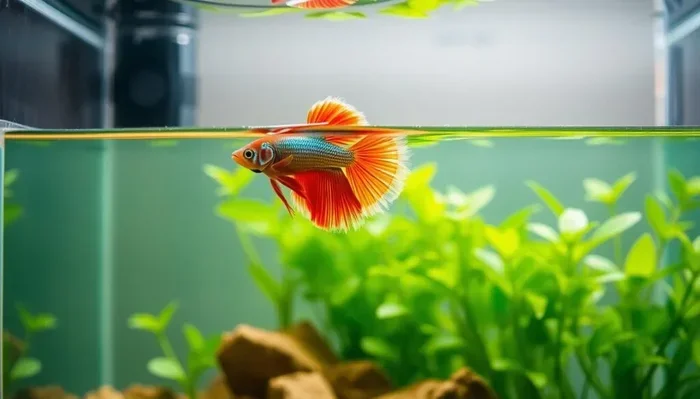
Yes, it can be normal for betta fish to float, but persistent floating is a red flag. A betta fish floating at the top or floating sideways often signals swim bladder problems, overfeeding, or poor water conditions. Understanding why your betta fish floats helps you act fast and keep your fish healthy.
Watching your betta fish float at the top of the tank can be scary. You might wonder, “Is this normal, or is something wrong?” The truth is, betta fish floating behavior has many causes. Some are harmless, while others need quick action.
This guide covers everything you need to know about betta fish floating. We will look at why bettas float, when to worry, and how to fix common problems. Whether your fish is floating sideways, floating at the top, or just resting near the surface, you will find answers here.
## Why Do Betta Fish Float?
Betta fish are beautiful, lively creatures. But they do strange things sometimes. Floating is one of those behaviors that catches every betta fish owner off guard. Understanding the reasons behind this behavior helps you respond the right way.
### Normal Floating Behavior
Not all floating is bad. Bettas naturally spend time near the surface. They breathe atmospheric air through their labyrinth organ. This means they do betta fish have to come up for air, and yes, they absolutely do. Coming to the surface is a normal part of betta biology.
Here are situations where floating is perfectly fine:
- Resting: Bettas sleep near the surface. They look like they are floating still.
- Exploring: Bettas like to hover near the top and observe their surroundings.
- Waiting for food: Bettas often float at the surface when they expect feeding time.
- Basking: Warm water near the surface feels comfortable for bettas.
The key difference is control. A healthy betta can swim down easily. If your fish struggles to descend or stays stuck at the top, that is a problem.
### Abnormal Floating: When to Worry
Abnormal floating means your betta cannot control its position. It might float upside down, float on its side, or drift uncontrollably. This is not normal behavior and usually points to an underlying issue.
Common signs of abnormal floating include:
- Floating at the surface and unable to sink
- Swimming tilted to one side
- Floating upside down
- Struggling to reach the bottom of the tank
- Rapid gill movement while floating
If you notice any of these signs, do not panic. Most causes are treatable. The sooner you act, the better the outcome for your fish.
## The Swim Bladder: What It Is and Why It Matters
The swim bladder is a small organ inside your betta’s body. It controls buoyancy. Think of it like an internal balloon that inflates and deflates. This lets your fish rise, sink, and hold its position in the water.
### What Is Swim Bladder Disorder?
Swim bladder disorder is the most common reason bettas float abnormally. When the swim bladder gets compressed or infected, it stops working properly. Your fish loses control of its buoyancy.
This condition affects many freshwater fish, but bettas are especially prone. The good news is that it is often fixable with simple changes.
### Common Causes of Swim Bladder Problems
Several things can trigger swim bladder issues in bettas:
- Overfeeding: A bloated stomach presses against the swim bladder. This is the number one cause.
- Constipation: Blocked digestion puts pressure on the swim bladder area.
- Air swallowing: Bettas sometimes gulp air while eating floating pellets.
- Infection: Bacterial or parasitic infections can inflame the swim bladder.
- Physical injury: Sharp decorations or rough handling can damage the organ.
- Poor water quality: Dirty water stresses the fish and weakens its systems.
Understanding the cause helps you choose the right treatment. Let us look at how to fix each one.
## How to Fix a Floating Betta Fish
Fixing a floating betta depends on the cause. Most mild cases resolve with simple home care. Severe cases may need more attention.
### Step 1: Fast Your Betta
Fasting is the first thing you should try. Stop feeding your betta for 2 to 3 days. This gives the digestive system time to clear any blockages. Many owners see improvement after just one fasting day.
During the fast, make sure your water stays clean. Do a small water change to keep things fresh.
### Step 2: Adjust the Water Temperature
Water temperature plays a big role in betta digestion. Bettas need warm water to stay healthy. The ideal temperature for betta fish is between 78 and 80 degrees Fahrenheit. Cold water slows digestion and makes constipation worse.
Use a reliable heater to maintain a steady temperature. Sudden temperature swings stress your fish and make floating worse.
### Step 3: Change the Diet
After the fast, offer easily digestible food. Blanched peas are a classic remedy. They help clear constipation and reduce bloating. You can also feed daphnia or brine shrimp as a gentle alternative.
Avoid floating pellets for a while. They cause bettas to gulp air at the surface. Switch to sinking food or soak pellets before feeding.
### Step 4: Improve Water Quality
Dirty water is a silent killer. Poor water parameters stress your betta and weaken its immune system. Test your water regularly for ammonia, nitrite, and nitrate levels.
Keep the tank clean with regular water changes. A 5 gallon tank or larger is ideal for bettas. It gives them room to swim and keeps water stable. If you are unsure about your setup, check if your current setup is right for your fish by reading about what is the best tank size for a betta fish.
### Step 5: Treat Infections if Needed
If fasting and diet changes do not help, an infection might be the cause. Look for other symptoms like clamped fins, redness, or lethargy. In these cases, a mild aquarium salt bath can help. You can learn how to do this safely by reading our guide on how to do a salt bath for betta fish.
For stubborn cases, consult a vet who specializes in fish health. Antibiotics may be necessary for bacterial infections.
## Common Mistakes Bettas Owners Make
Many floating problems come from simple mistakes. Avoiding these habits keeps your betta healthy and prevents floating issues.
### Overfeeding
This is the biggest mistake new owners make. Bettas have small stomachs. They look hungry all the time, but they need very little food. Feed your betta 2 to 3 pellets twice a day. Nothing more.
Excess food sinks to the bottom and rots. This fouls the water and causes bloating. Bloating leads to swim bladder pressure, and that leads to floating.
### Ignoring Water Changes
Skipping water changes lets toxins build up. Even with a filter, betta tanks need regular maintenance. Dirty water causes stress, which causes health problems, which causes floating.
A good routine is a 25 percent water change every week. This keeps aquarium water quality high and your fish stress-free.
### Using the Wrong Water
Tap water contains chlorine and chloramine. These are harmful to bettas. Always use a water conditioner before adding water to the tank. If you want to learn more about this, read our article on how to use tap water conditioner for betta fish.
### Keeping the Tank Too Cold
Bettas are tropical fish. Room temperature water is usually too cold. A heater is essential. Cold water slows metabolism, causes constipation, and triggers floating behavior.
### Overcrowding the Tank
Bettas need space to swim. A crowded tank causes stress and poor water quality. Keep decorations minimal and leave open swimming areas. A cramped tank also makes it harder for a floating betta to reach the surface for air.
## Preventing Floating Problems in the Future
Prevention is always better than treatment. A few simple habits go a long way in keeping your betta healthy and off the surface.
### Feed a Balanced Diet
Variety is key. Rotate between high-quality pellets, frozen foods, and live foods. Soak dry food before feeding to prevent air swallowing. This small change reduces swim bladder problems significantly.
### Maintain Stable Water Parameters
Test your water weekly. Keep ammonia and nitrite at zero. Nitrate should stay below 20 ppm. Stable water conditions prevent stress and illness.
### Keep the Tank Clean
Wipe down the glass, vacuum the substrate, and clean the filter regularly. A clean tank is a healthy tank. Your betta will be less likely to develop floating issues.
### Monitor Temperature Daily
Check the heater every day. A steady temperature between 78 and 80 degrees Fahrenheit keeps digestion running smoothly. Fluctuations are more harmful than a slightly wrong temperature.
### Watch for Early Warning Signs
Catch problems early. If your betta starts eating less, swimming erratically, or spending too much time at the surface, take action right away. Early intervention often prevents full-blown floating episodes.
## Expert Insights on Betta Floating Behavior
Experienced betta keepers agree that floating is common but manageable. Most cases are linked to diet and water quality. The swim bladder is a delicate organ, and bettas are particularly sensitive to changes in their environment.
One expert tip: always observe your betta’s behavior after feeding. A healthy betta eats eagerly, swims actively, and settles at mid-level or the bottom. If you notice your fish consistently floating at the top or struggling to dive, something is off.
Another key insight: stress is the root of many health problems in bettas. Reducing stress through proper tank setup, stable water, and a calm environment prevents a wide range of issues. If your betta is showing signs of distress, learning about how to properly care for betta fish can make a huge difference.
## Quick Tips for Floating Betta Fish
Here are fast, actionable tips you can use right now:
- Fast your betta for 2 to 3 days at the first sign of floating
- Feed blanched peas after the fast to aid digestion
- Keep water temperature steady at 78 to 80 degrees Fahrenheit
- Perform weekly 25 percent water changes
- Use a water conditioner every time you add new water
- Soak dry food before feeding to prevent air gulping
- Switch to sinking pellets instead of floating ones
- Avoid overfeeding — less is more with bettas
## When to See a Vet
Most floating issues resolve with home care within a few days. But some situations need professional help. If your betta shows no improvement after 3 to 4 days of fasting and diet changes, consult a fish vet.
Also seek help if you notice:
- Visible wounds or swelling on the body
- Loss of color or white patches on the skin
- Labored breathing or rapid gill movement
- Complete inability to swim or move
- Floating combined with refusal to eat for more than a week
These symptoms could indicate a serious infection or internal disease. Early treatment gives your betta the best chance of recovery.
## Final Thoughts on Betta Fish Floating
So, is it normal for betta fish to float? The short answer is: sometimes yes, sometimes no. Normal floating is relaxed, controlled, and temporary. Abnormal floating is persistent, uncontrolled, and often paired with other symptoms.
The most important thing you can do as a betta owner is to stay observant. Watch your fish daily. Learn what is normal for your individual betta. Every fish has its own personality and habits.
When floating happens, act quickly but calmly. Start with fasting and water checks. Most bettas recover fully with simple care. Your attention and care make all the difference.
Remember that proper betta fish care goes a long way. Good food, clean water, and the right temperature keep your fish healthy and happy. A well-maintained tank prevents most floating problems before they start.
If you want to dive deeper into betta care, check out our guide on how to properly care for betta fish. It covers everything from tank setup to daily feeding routines.
Your betta depends on you for its well-being. With the knowledge you have gained today, you are well equipped to handle floating episodes and keep your beautiful fish thriving. Stay proactive, stay informed, and enjoy every moment with your betta companion.
Key Takeaways
- Occasional floating is normal: Bettas rest near the surface, especially when sleeping or exploring.
- Swim bladder disorder is the #1 cause: It affects buoyancy and makes bettas float uncontrollably.
- Overfeeding triggers floating issues: Excess food bloats the stomach and presses on the swim bladder.
- Water quality matters greatly: Poor water parameters stress bettas and cause abnormal floating behavior.
- Quick fixes exist: Fasting, temperature adjustments, and diet changes often resolve mild floating problems.
- Know when to seek help: Persistent floating with other symptoms needs immediate attention.
Frequently Asked Questions
Why is my betta fish floating at the top of the tank?
Betta fish often float at the top because they breathe atmospheric air through their labyrinth organ. However, if your betta stays stuck at the top and cannot swim down, it may have swim bladder disorder, overfeeding issues, or poor water quality. Check the water temperature and parameters first, then try a short fast to see if the behavior improves.
Can a betta fish floating sideways be cured?
Yes, most cases of a betta fish floating sideways can be cured. The most common cause is swim bladder disorder from overfeeding or constipation. Fasting your betta for 2 to 3 days, then feeding blanched peas often resolves the issue. Improving water quality and maintaining stable temperature also help speed up recovery.
Is floating the same as a betta fish dying?
No, floating does not mean your betta is dying. Many healthy bettas float near the surface while resting or waiting for food. But if floating is paired with lethargy, loss of appetite, or discoloration, it could signal a serious health problem that needs immediate attention.
How long can a betta fish live with swim bladder disease?
With proper care, a betta fish can recover from swim bladder disease within a few days to a couple of weeks. Mild cases often resolve with fasting and dietary changes. Severe or untreated cases may last longer and require medication or veterinary care.
Does water temperature affect betta fish floating?
Yes, water temperature has a direct impact on betta digestion and buoyancy. Cold water slows the digestive system, leading to constipation and swim bladder pressure. Keeping the temperature between 78 and 80 degrees Fahrenheit supports healthy digestion and reduces floating problems.
Should I stop feeding my betta if it is floating?
Yes, fasting is the first step when your betta is floating. Stop all food for 2 to 3 days to let the digestive system clear. After the fast, offer a small amount of blanched pea or soaked food. Resume normal feeding only when your betta swims normally again.