Is It Normal for a Betta Fish to Hide
It is completely normal for a betta fish to hide sometimes, but frequent or prolonged hiding can signal stress, illness, or an uncomfortable tank. Understanding the reasons behind your betta’s behavior helps you act fast and keep your fish healthy and active.
Have you ever walked past your betta fish tank and noticed your fish hiding in a corner? It can be a little worrying, especially when you want your pet to be active and colorful. The good news is that betta fish hiding is not always a cause for panic.
Bettas are naturally cautious creatures. In the wild, they live in warm, shallow waters full of plants and hiding spots. These instincts carry over into aquarium life. Sometimes your betta just wants a quiet place to rest. Other times, hiding is a clear sign that something in the tank needs attention.
In this guide, we will explore every reason your betta fish might be hiding. We will cover normal behavior, stress triggers, illness signs, and practical steps you can take. By the end, you will know exactly what to do to keep your betta healthy and visible.
Key Takeaways
- Occasional hiding is normal: Bettas are naturally cautious and may hide when they are resting or exploring their surroundings.
- Stress is a top cause: Bright lights, aggressive tank mates, and poor water quality can make your betta seek hiding spots.
- Hiding can signal illness: Lethargy, loss of appetite, and prolonged hiding often point to sickness that needs attention.
- Tank setup matters: Providing caves, plants, and proper betta fish tank conditions reduces stress and encourages natural behavior.
- Quick action saves lives: Catching hiding behavior early and adjusting care can prevent serious health problems.
- Water quality is critical: Regular water changes and proper parameters keep your betta comfortable and visible.
- Know when to seek help: If hiding persists despite improvements, consult a vet who specializes in fish health.
📑 Table of Contents
Why Do Betta Fish Hide?
Understanding why bettas hide is the first step to solving the problem. Betta fish behavior is shaped by their natural instincts and environment. Let us break down the main reasons your fish might be staying out of sight.
Natural Instincts
In their native habitats across Southeast Asia, bettas live among dense vegetation. They use plants, fallen leaves, and debris as cover. This is not a sign of fear. It is simply how they have survived for thousands of years. Your pet betta carries these same instincts, even in a cozy home aquarium.
Hiding gives them a sense of security. They feel safer when they can retreat to a quiet spot. This is especially true for new fish that are still getting used to their betta fish tank setup. Give your betta a few days to adjust before assuming something is wrong.
Rest and Sleep Patterns
Bettas need rest just like any other animal. They are not always swimming around showing off their fins. In fact, bettas sleep quite a bit, especially at night or in dim lighting. During rest, they often tuck themselves into a corner or behind a plant.
If your betta is hiding at night or during nap time, that is perfectly fine. A good rule of thumb is to observe your fish during feeding time. A healthy betta will perk up and show interest in food. If your fish is active and hungry, the hiding is likely just normal rest behavior.
Common Reasons Your Betta Is Hiding
While some hiding is normal, certain triggers can cause excessive or prolonged hiding. Here are the most common reasons your betta might be staying out of sight.
Stress from Bright Lights
Bettas come from murky, shaded waters. A tank with harsh, bright lights can overwhelm them. Many fish owners make the mistake of installing powerful LEDs that make the tank feel like a stadium. Your betta does not want that experience.
Strong lighting can cause betta fish stress and push your fish into hiding. If you notice your betta darting behind decorations when the lights turn on, consider dimming the lights or adding floating plants to create natural shade. A well-lit tank is fine, but it should not feel blinding.
Poor Water Quality
Dirty water is one of the biggest enemies of betta health. Ammonia, nitrite, and nitrate buildup can make your fish feel unwell and cause them to hide. Bettas are sensitive to water changes and water parameters. Even small changes in chemistry can throw them off.
Regular testing and maintenance are essential. Use a liquid test kit to check ammonia, nitrite, nitrate, and pH levels weekly. If any of these are out of range, perform a partial water change right away. Clean water goes a long way toward keeping your betta visible and active.
Wrong Tank Size
Tiny tanks feel cramped and stressful for bettas. A bowl or a 1-gallon tank limits your fish’s ability to swim and explore. This confinement can lead to chronic stress, which often shows up as hiding behavior.
A 5-gallon tank is the minimum recommended size for a single betta. Larger tanks give your fish room to establish territory and feel secure. If you are using a very small container, upgrading to a bigger betta fish habitat can make a huge difference in your fish’s confidence and overall health.
Aggressive Tank Mates
Bettas are known for their territorial nature. Adding aggressive or fin-nipping tank mates can terrorize your betta and force them into hiding. Even fish that seem peaceful can cause stress through constant chasing or hovering near the betta.
If you keep other fish with your betta, watch their interactions closely. A betta that is constantly being pursued will hide to protect itself. Choose calm, compatible species or consider keeping your betta in a solo tank for its own peace of mind.
When Hiding Is a Sign of Trouble
Sometimes hiding is not just about comfort. It can be a warning sign that your betta is sick or in distress. Learning to tell the difference between normal hiding and problem hiding is one of the most important skills a betta owner can develop.
Signs of Illness Behind the Hiding
Pay close attention if your betta hides and shows any of these symptoms:
- Loss of appetite or refusing food
- Faded or dull coloration
- Clamped fins held close to the body
- Labored breathing or gasping at the surface
- White spots or unusual growths on the body
- Lethargy and lack of response to movement
These signs together with hiding can indicate a serious health issue. Common betta illnesses like ich, fin rot, and velvet disease often cause fish to withdraw and hide. The earlier you catch these problems, the better the chances of recovery.
How to Tell If Your Betta Is Dying
Prolonged hiding combined with other symptoms can sometimes mean your betta is in its final stages. If your fish is barely moving, not eating, and staying hidden for hours, it is time to act quickly. Check the water parameters immediately and look for physical signs of disease.
Remember that knowing when a betta fish is dying helps you provide comfort and make informed decisions. Sometimes the kindest choice is to seek professional help or prepare for a peaceful end. Your fish deserves gentle care no matter what.
How to Help a Hiding Betta Fish
If your betta is hiding more than usual, do not panic. There are several practical steps you can take to help your fish feel safe and comfortable again.
Step 1: Test the Water
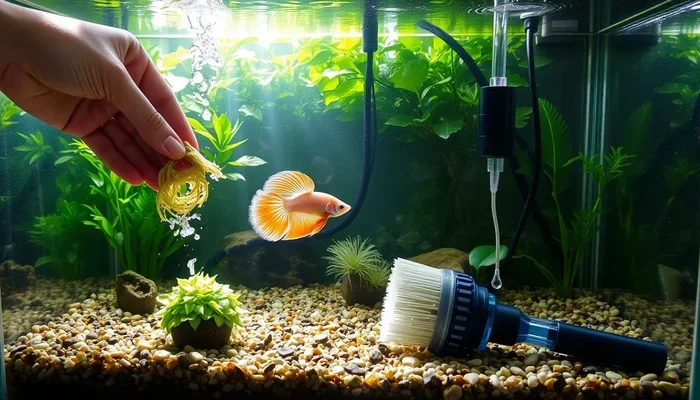
Start with a water test. Check ammonia, nitrite, nitrate, and pH levels. If anything is off, perform a 25 to 50 percent water change using dechlorinated water at the right temperature. Clean water often resolves stress-related hiding within 24 to 48 hours.
Step 2: Adjust the Lighting
Dim the lights or add floating plants to create shaded areas. Your betta should feel like it has options, not just one dark corner. A balanced lighting schedule of 8 to 10 hours on and 12 to 14 hours off mimics natural day cycles and keeps your fish on a healthy routine.
Step 3: Add Hiding Spots
This might sound counterintuitive, but providing plenty of hiding spots actually reduces hiding behavior. When a betta knows it has safe places to retreat, it feels secure enough to venture out. Add caves, driftwood, and live or silk plants to create a natural environment.
Avoid sharp plastic decorations that can tear your betta’s delicate fins. Soft, natural-looking setups make the biggest difference in your fish’s comfort level and willingness to explore the tank.
Step 4: Review Tank Mates and Environment
If you have other fish, consider whether they are causing stress. Remove aggressive species and observe your betta’s behavior over the next few days. A calm, peaceful environment encourages your betta to swim freely and show off its beautiful colors.
Also make sure the tank is not in a high-traffic area of your home. Constant movement and noise near the tank can keep your betta on edge. Place the aquarium in a quiet spot where your fish can feel safe and undisturbed.
Creating a Comfortable Tank Environment
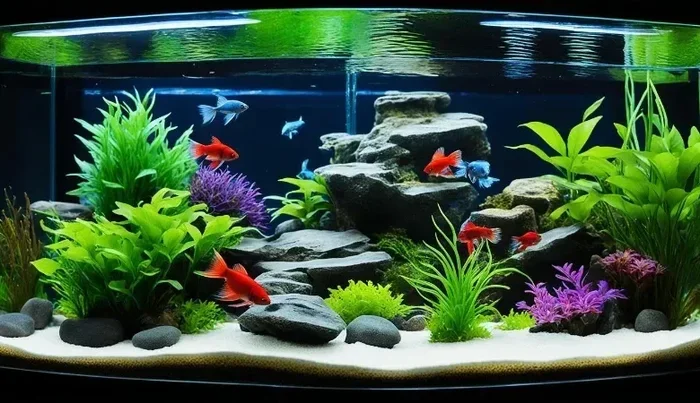
The best way to prevent excessive hiding is to create an ideal environment from the start. A well-designed betta fish tank supports natural behavior and keeps your fish healthy and visible.
Ideal Tank Setup
Here are the key elements of a great betta tank:
- Tank size: At least 5 gallons for a single betta
- Heater: Maintain water temperature between 76 and 82 degrees Fahrenheit
- Filter: A gentle sponge filter that does not create strong currents
- Plants: Live or silk plants that provide natural cover
- Substrate: Soft, smooth gravel or sand
- Lighting: Moderate LED with a timer for consistent day-night cycles
Quick Tips for a Happy Betta
Keep these simple tips in mind every day:
- Feed your betta 2 to 3 small meals per day
- Avoid overfeeding, which fouls the water quickly
- Perform weekly partial water changes
- Keep the tank lid slightly open for gas exchange
- Observe your fish daily for changes in behavior
- Quarantine new fish before adding them to the main tank
Common Mistakes to Avoid
Many betta owners unknowingly create stressful conditions. Here are mistakes to avoid:
- Keeping your betta in a bowl smaller than 3 gallons
- Using strong filters that create powerful currents
- Placing the tank in direct sunlight or near drafts
- Overcrowding the tank with too many decorations
- Skipping regular water tests and maintenance
- Adding aggressive or flashy tank mates
Avoiding these common pitfalls sets your betta up for a long, healthy, and active life. A well-maintained tank is the foundation of good betta fish care.
Expert Insights on Betta Hiding Behavior
Experienced betta keepers and aquatic veterinarians agree that hiding behavior is one of the most misunderstood aspects of betta ownership. Many new owners assume their fish is depressed or unhappy when it hides. In reality, hiding is often a perfectly natural response to the environment.
According to fish health experts, the key is context. A betta that hides briefly and then comes out to eat and explore is likely fine. A betta that hides constantly, refuses food, and shows physical symptoms needs immediate attention. Trust your instincts as an owner. You know your fish better than anyone.
If you are ever unsure, do not hesitate to reach out to experienced betta communities or consult a professional. Early intervention can make all the difference when dealing with health or environmental issues. Your proactive approach as a responsible owner is the best gift you can give your betta.
Conclusion
So, is it normal for a betta fish to hide? The answer is both yes and no. Occasional hiding is completely normal and part of your betta’s natural behavior. But persistent hiding, especially when paired with other symptoms, is a red flag that something needs your attention.
By understanding the reasons behind your betta’s hiding, you can take the right steps to create a safe, comfortable, and healthy environment. Test your water, adjust your lighting, provide hiding spots, and watch for signs of illness. These simple actions go a long way in keeping your betta visible, active, and thriving.
Remember, a happy betta is a visible betta. If your fish is hiding too much, do not wait. Take action today and give your beautiful fish the care it deserves. Your efforts will be rewarded with a vibrant, energetic companion that brings joy to your home every single day.
For more guidance on betta fish care and creating the perfect home for your fish, check out our detailed guides on how to care for a betta fish and setting up a fish tank for betta fish. You will find plenty of practical tips to support your journey as a confident betta owner.
Also, if hiding behavior is accompanied by signs of decline, read our article on how to know if a betta fish is dying so you can recognize warning signs early and respond quickly.
And for those wondering about the deeper instinct behind this behavior, explore do betta fish hide to die to understand when hiding is a natural survival response versus a cry for help.
Frequently Asked Questions
Is it normal for a betta fish to hide after being moved to a new tank?
Yes, it is very normal. Bettas need time to adjust to a new environment. Give your fish 3 to 7 days to settle in. During this period, hiding is expected and not a cause for concern. Just make sure water parameters are stable and the tank is not too bright.
How can I tell if my betta is hiding because of stress or illness?
Look for additional symptoms like loss of appetite, faded color, clamped fins, or labored breathing. Stress-related hiding usually resolves once the trigger is removed. Illness-related hiding persists and worsens over time, often with visible physical symptoms.
Should I be worried if my betta hides all day but eats at night?
This is generally not a major concern. Some bettas are naturally more active at night or during low-light periods. As long as your fish is eating well and shows no other symptoms, the hiding is likely just part of its individual personality and routine.
Can too much hiding cause health problems for my betta?
Prolonged hiding itself does not cause health problems, but the underlying reason often does. If your betta is hiding because of poor water quality, stress, or illness, those conditions can worsen over time. Address the root cause quickly to protect your fish’s health.
What kind of hiding spots are best for betta fish?
Soft silk plants, caves made from smooth rock or ceramic, and driftwood are excellent choices. Avoid sharp plastic decorations that can damage delicate fins. Live plants like java moss or anubias also provide natural cover and improve water quality at the same time.
When should I take my hiding betta to a vet?
If your betta has been hiding for more than a week, refuses food, shows physical symptoms like spots or torn fins, or seems lethargic, it is time to consult a vet. Early professional intervention can save your fish’s life and prevent the spread of disease to other tank inhabitants.