Is It Better to Filet Fish Before or After Baking
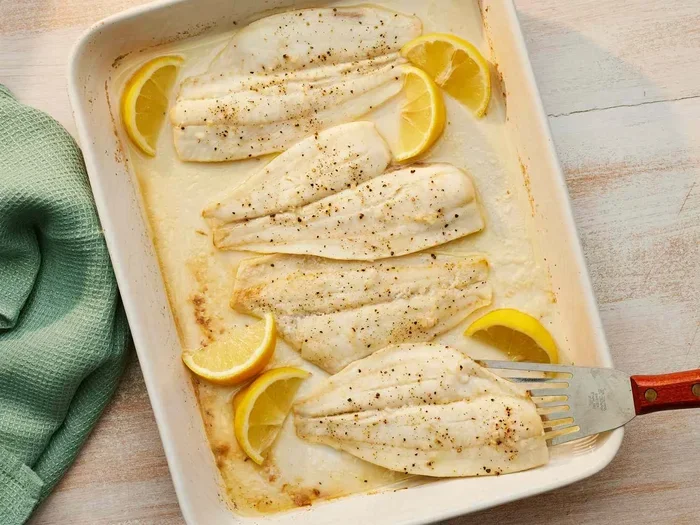
Filleting fish before baking gives you better seasoning control and faster cooking, while filleting after baking keeps the fish moist and preserves the skin. The right choice depends on your recipe, skill level, and the type of fish you are using. This guide breaks down every factor so you can decide what works best for your kitchen.
There is a lot of debate in the kitchen about whether you should filet fish before or after baking. Some cooks swear by pre-filleting because it gives them more control over seasoning and presentation. Others prefer to bake the whole fish first and then filet it at the table for a juicier, more dramatic serving experience.
The truth is that neither method is wrong. Both have clear advantages depending on what kind of fish you are using, your skill level, and the recipe you are following. In this article, we will walk through every angle so you can make the best choice for your next meal.
If you are new to cooking fish, this guide will help you avoid common mistakes and get restaurant-quality results at home. Let us dive in.
Key Takeaways
- Pre-filleting saves time: You can season and marinate the fillets directly for deeper flavor penetration.
- Post-filleting keeps fish moist: Baking the whole fish first protects the flesh from drying out.
- Fish type matters: Delicate fish like tilapia benefit from pre-filleting, while sturdy fish like salmon hold up well either way.
- Skin-on baking has perks: The skin acts as a natural barrier and crisps up beautifully when left on.
- Beginners should try both methods: Practice each approach to find your comfort zone and preferred results.
📑 Table of Contents
- What Does It Mean to Filet Fish Before or After Baking?
- Benefits of Filleting Fish Before Baking
- Benefits of Filleting Fish After Baking
- Which Fish Types Work Best for Each Method
- Step-by-Step: How to Filet Before Baking
- Step-by-Step: How to Filet After Baking
- Comparison Table: Pre-Filleting vs Post-Filleting
- Expert Insights and Final Recommendations
- Conclusion
What Does It Mean to Filet Fish Before or After Baking?
Fileting means cutting the flesh away from the bones in clean, smooth slices. When you filet before baking, you prepare the fish completely before it goes into the oven. When you filet after baking, you bake the whole fish first and then remove the bones and cut portions at the end.
Each approach changes how the fish cooks, how it absorbs flavor, and how it looks on the plate. Understanding these differences is the first step to choosing the right method.
Pre-Filleting: Preparing Fish Before It Goes in the Oven
When you filet first, you remove the bones, skin (sometimes), and trim any dark meat. You are left with clean fillets that you can season, marinate, or stuff before baking. This method gives you full control over the final product.
Pre-filleting works especially well when you want thin, even cuts that cook quickly. It is also ideal when you are cooking for people who do not like dealing with bones at the table.
Post-Filleting: Baking the Whole Fish First
With this method, you bake the fish whole and then filet it after it comes out of the oven. The bones and skin stay intact during cooking, which helps the flesh retain moisture. Many chefs prefer this approach because it creates a more impressive presentation.
Post-filleting is common in restaurants where the server brings out the whole fish and then portions it tableside. It adds a touch of elegance to any meal.
Benefits of Filleting Fish Before Baking
Pre-filleting has several strong advantages that make it the go-to method for many home cooks.
Better Seasoning Penetration
When you filet first, the cuts are thinner and more exposed. This means your rubs, marinades, and spices can reach deep into the flesh. The fish absorbs flavor much faster than a whole fish would.
For example, a simple mix of lemon juice, garlic, and olive oil can penetrate a pre-filleted tilapia fillet in as little as 15 minutes. On a whole fish, the same marinade would need at least 30 minutes to reach the center.
Faster and More Even Cooking
Thin fillets cook quickly and evenly. You do not have to worry about the outside burning while the inside stays raw. This makes pre-filleting a great choice for weeknight dinners when you want something fast.
A fillet that is about one inch thick usually takes 12 to 15 minutes in a 400°F oven. A whole fish of similar weight might take 25 to 30 minutes.
Easier Portion Control
When you filet before baking, you can cut pieces that are exactly the same size. This is helpful when you are cooking for a group and want everyone to get an equal share.
It also lets you remove any thin or uneven edges before cooking, so every piece looks clean and professional on the plate.
Great for Meal Prep
If you like to cook ahead, pre-filleting is the way to go. You can filet several fish at once, season them, and store them in the fridge. When you are ready to eat, just pop them in the oven.
This approach pairs well with batch cooking and meal planning routines. You save time during busy weekdays without sacrificing flavor.
Benefits of Filleting Fish After Baking
Post-filleting also has a strong case. Many experienced cooks prefer this method for specific reasons.
Moisture Retention
The bones and skin act as a natural wrapper during baking. They trap steam inside the fish, keeping the flesh tender and juicy. This is especially important for lean fish like cod or halibut, which can dry out quickly.
When you filet after baking, each slice comes out perfectly moist. The heat distributes more evenly around the whole fish, so there are no dry spots.
Better Presentation
Let us be honest. A beautifully baked whole fish with crispy skin and fresh herbs on top looks stunning. It makes any meal feel special, whether you are cooking for family or guests.
Fileting after baking lets you serve the fish on a large platter with lemon wedges and fresh herbs. It creates a restaurant-style experience right at your dinner table.
Easier Handling During Baking
Whole fish is sturdier than loose fillets. It holds its shape better in the pan, which means less flipping and less risk of the fish breaking apart. This is especially true for delicate fish like flounder or sole.
You also do not need to worry about fillets sticking to the baking dish. The skin and bones hold everything together naturally.
Skin Becomes Crispy and Edible
Baking fish with the skin on creates a crispy, golden layer that many people love. The skin protects the delicate flesh underneath and adds a satisfying texture contrast.
When you filet after baking, you can leave the skin on each portion or remove it based on personal preference. This gives your guests the choice.
Which Fish Types Work Best for Each Method
Not all fish respond the same way to each method. The type of fish you choose plays a big role in determining which approach works better.
Best Fish for Pre-Filleting
- Tilapia: Thin and mild, it absorbs seasonings quickly and cooks evenly when filleted first.
- Catfish: Firm enough to hold together as a fillet but thin enough to cook fast.
- Trout: Small and delicate, pre-filleting helps you remove pin bones easily.
- Mahi-Mahi: Thick fillets benefit from even seasoning before baking.
If you are sourcing your fish from a local market, you might want to check whether the vendor can filet it for you. This saves a lot of prep time at home. The best time to fish in the morning is often when the catch is freshest, which also means the best quality for filleting.
Best Fish for Post-Filleting
- Salmon: Sturdy and fatty, salmon holds up well when baked whole and then portioned.
- Sea Bass: The whole fish bakes beautifully, and the skin crisps up perfectly.
- Branzino: A classic choice for whole-baked fish with crispy skin.
- Snapper: Meaty and flavorful, it stays moist when baked with bones intact.
When choosing between sea and river fish for baking, keep in mind that sea fish generally have firmer flesh that holds its shape better during whole-fish baking. Freshwater fish tend to be more delicate and may benefit more from pre-filleting.
Step-by-Step: How to Filet Before Baking
Follow these steps for clean, professional-looking fillets every time.
- Rinse the fish: Pat it dry with paper towels. Remove the scales if needed.
- Place the fish on a cutting board: Lay it flat with the head facing away from you.
- Insert the knife behind the gills: Cut down to the spine and slice along the backbone toward the tail.
- Separate the fillet: Use short, smooth strokes to lift the flesh away from the bones.
- Remove the skin (optional): Lay the fillet skin-side down and slide the knife between the skin and flesh.
- Season and bake: Apply your favorite spices, place the fillets on a lined baking sheet, and bake at 400°F for 12 to 15 minutes.
Quick Tips for Perfect Pre-Baked Fillets
- Keep your knife sharp. A dull blade tears the flesh instead of cutting cleanly.
- Remove the bloodline along the center for a cleaner taste.
- Let the fillets come to room temperature for 10 minutes before baking. This promotes even cooking.
- Do not overcrowd the baking sheet. Give each fillet space so heat circulates properly.
Step-by-Step: How to Filet After Baking
Baking the whole fish first is simple, but the fileting step requires a little more care.
- Bake the whole fish: Season the outside, stuff the cavity with herbs and lemon, and bake at 375°F to 400°F for 20 to 30 minutes depending on size.
- Let it rest for 5 minutes: This makes the fish easier to handle and helps the juices settle.
- Place the fish on a large cutting board: Use a sturdy board to catch any bones.
- Cut behind the head: Slice down to the spine and cut all the way through to the tail.
- Lift the top fillet: Use a spatula or your fingers to gently remove the top portion of flesh.
- Remove the spine and bones: Use tweezers or pliers to pull out any remaining pin bones.
- Serve each portion: Cut the remaining flesh into individual servings.
Common Mistakes to Avoid
- Cutting too early: Let the fish rest for at least 5 minutes after baking. Cutting too soon releases juices and dries out the flesh.
- Using a flimsy knife: A flexible fillet knife works best for navigating around bones.
- Ignoring small bones: Always check each portion for pin bones before serving. Run your fingers along the flesh to feel for any hidden bones.
- Overfilling the cavity: Too many herbs and lemon slices can block heat from reaching the center of the fish.
Comparison Table: Pre-Filleting vs Post-Filleting
| Factor | Filet Before Baking | Filet After Baking |
|---|---|---|
| Flavor penetration | Better — seasonings reach deep into the flesh | Good — surface seasoning only |
| Moisture retention | Moderate — fillets can dry out faster | Excellent — bones and skin lock in moisture |
| Cooking time | Shorter — thin fillets cook fast | Longer — whole fish takes more time |
| Presentation | Simple and casual | Elegant and restaurant-style |
| Difficulty level | Moderate — requires knife skills | Easy — less cutting precision needed |
| Best for | Thin, delicate fish; meal prep | Sturdy, meaty fish; special occasions |
| Skin texture | Skin usually removed before baking | Skin becomes crispy and edible |
Expert Insights and Final Recommendations
Professional chefs often choose their method based on the occasion. For a quick Tuesday night dinner, pre-filleting is the practical choice. For a weekend gathering or dinner party, baking the whole fish and fileting at the table creates a memorable experience.
If you are planning a fishing trip, timing matters. Fishing before or after rain can affect the freshness and quality of your catch, which in turn influences how you prepare it. Freshly caught fish from a good morning session makes either filleting method shine.
Another factor to consider is where you fish and the conditions. Fish caught in cooler, shaded waters tend to be firmer and hold up better to post-filleting methods. Fish caught in warm, sunny conditions may benefit from pre-filleting to preserve their delicate texture.
Ultimately, the best approach is the one that fits your comfort level and your meal. Try both methods a few times and see which one gives you the results you love. There is no single right answer — just the method that works best for you and the fish you are cooking.
Conclusion
So, is it better to filet fish before or after baking? The answer depends on your priorities. If you want deeper flavor, faster cooking, and easier portion control, pre-filleting is your best bet. If you value moisture, presentation, and a show-stopping serving style, go with post-filleting.
Both methods produce delicious results when done correctly. The key is to match your technique to the type of fish you are using and the experience you want to create. Start with the method that feels most comfortable, and do not be afraid to experiment with the other approach.
Grab your fillet knife, pick up some fresh fish, and give both methods a try. You will be surprised at how different each approach can be. Happy cooking!
Frequently Asked Questions
Can I filet fish the night before baking?
Yes, you can filet fish ahead of time and store it in the fridge overnight. Wrap the fillets tightly in plastic wrap or place them in an airtight container. This works well for meal prep and helps the seasoning penetrate deeper into the flesh before baking.
Is it easier to filet a fish before or after cooking?
Most people find it easier to filet a raw fish because the flesh is firmer and holds its shape better. However, fileting after baking is simpler in terms of bone removal since the bones become more visible and easier to pull out once the fish has cooked.
Does fileting before baking make the fish dry out faster?
It can. Without the skin and bones acting as a protective layer, pre-filleted fish loses moisture more quickly during baking. To prevent this, do not overbake, use a marinade, or wrap the fillets in foil for the first part of cooking.
What is the best knife for fileting fish?
A flexible fillet knife with a thin, sharp blade is the best choice. It glides smoothly along the bones and skin without tearing the flesh. A dull knife makes the job harder and can ruin the texture of the fish.
Should I remove the skin before or after baking?
If you are pre-filleting, you can remove the skin before baking for a cleaner taste and texture. If you are baking whole, leave the skin on during cooking for moisture and crispiness, then remove it or leave it on when you filet after baking.
Which fish is best for beginners who want to try baking?
Tilapia, catfish, and trout are excellent choices for beginners. They are mild in flavor, affordable, and easy to work with. Start with pre-filleting for a simpler experience, and move to whole-fish baking once you feel more confident in the kitchen.