Is Fishing Better or Worse in the Rain
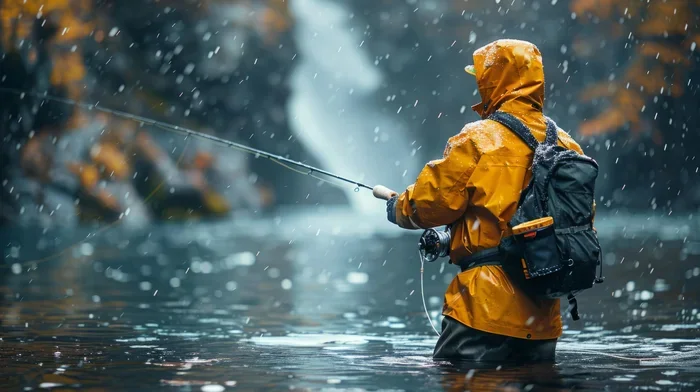
Fishing in the rain can be incredibly productive because it triggers fish to feed more actively. Rain aerates the water, drops the surface temperature, and washes insects into the lake or river, making fish more willing to bite. However, heavy storms and lightning can make fishing dangerous and less effective. Understanding when and how to fish in the rain is the key to a great catch.
Key Takeaways
- Light rain often improves fishing: Fish become more active and feed near the surface.
- Rain increases oxygen levels: This makes fish more energetic and eager to bite.
- Heavy storms are different: They can push fish deeper and make conditions unsafe.
- Timing matters: Fishing before or during light rain often beats fishing after a heavy downpour.
- Gear preparation is key: Proper rain gear and tackle choices make a big difference.
- Fish species respond differently: Bass and trout tend to feed more actively in the rain.
📑 Table of Contents
- Is Fishing Better or Worse in the Rain?
- Why Does Rain Affect Fish Behavior?
- Is Fishing Better or Worse Before, During, or After Rain?
- Which Fish Species Bite Best in the Rain?
- Rainy Day Fishing Tips That Actually Work
- Common Mistakes Anglers Make When Fishing in the Rain
- Expert Insights on Fishing in the Rain
- Quick Tips for Fishing in the Rain
- Conclusion
Is Fishing Better or Worse in the Rain?
Anglers love to debate this question. Some swear by fishing in the rain and call it the secret to big catches. Others avoid the water when clouds roll in. The truth is somewhere in the middle. Rain affects fish behavior in real ways. It changes water temperature, oxygen levels, and how food moves through the ecosystem.
If you have ever wondered whether is fishing better or worse in the rain, the answer depends on several factors. Light rain often makes things better. Heavy storms can make things worse. Knowing the difference helps you decide when to grab your tackle box and head out.
Many experienced anglers say rainy day fishing is some of the best fishing you can do. The rain creates conditions that trigger feeding activity. Fish feel safer feeding when the surface is disturbed. They come out from cover and hit your lure or bait with more aggression. This is why so many seasoned fishermen look forward to rainy weather.
But there is a catch. Not all rain is created equal. A gentle drizzle over a calm lake works very differently than a thunderstorm with heavy downpours. Your strategy should change based on the type of rain, the water you are fishing, and the species you are targeting. Let us break it all down.
Why Does Rain Affect Fish Behavior?
Rain changes the underwater environment in several important ways. Understanding these changes helps you fish smarter. Fish are sensitive creatures. They respond to shifts in their surroundings almost immediately.
Oxygen Levels Rise
Rain hits the water surface and creates tiny ripples. This process adds oxygen to the water. Higher oxygen levels make fish more active and energetic. They have more energy to chase food. This is one of the main reasons fishing in the rain often leads to better results.
Stagnant water with low oxygen makes fish sluggish. Rain breaks that stagnation. Fish suddenly feel more alert and ready to feed. You may notice this effect within minutes of the first raindrops hitting the water.
Water Temperature Drops
Rain cools the surface layer of water. Many fish species prefer cooler temperatures, especially during warm months. When the water cools slightly, fish move into shallower areas to feed. This makes them easier to reach from the shore or a boat.
Cold rain on warm water creates a temperature contrast. Fish notice this shift. They move to areas where the water feels comfortable. These transition zones are prime spots for casting your line.
Food Gets Washed In
Rain washes insects, worms, and other food into the water. This natural buffet attracts fish to the surface. Why do fish bite better in the rain? Because their food is suddenly more available. They do not have to work as hard to find a meal.
This is especially true after a steady rain. The runoff carries nutrients and tiny organisms into lakes and rivers. Fish stack up in areas where the runoff enters the main body of water. These spots can be gold mines for anglers.
Is Fishing Better or Worse Before, During, or After Rain?
Timing plays a huge role in rainy weather fishing. Each phase of a rain event offers different advantages. Let us look at what happens before, during, and after the rain starts.
Before the Rain
Fish often feed heavily right before a storm moves in. They sense the drop in barometric pressure. This triggers a feeding response. Many anglers call this the “prime time” to fish. If you see dark clouds building, get to the water fast.
Is fishing better before or during rain? For many species, the answer is before. Fish go on a feeding binge as the weather changes. They sense what is coming and try to stock up. This makes the pre-rain window incredibly productive.
During the Rain
Light to moderate rain is often excellent for fishing. The rain keeps the water surface cloudy. This makes fish feel safer from predators. They move into open water and feed more freely. Fishing in the rain during a light drizzle can outperform any other time of day.
Heavy rain is different. It creates turbid water and strong currents. Fish may retreat to deeper areas. Visibility drops for both you and the fish. However, some species actually thrive in these conditions. Bass, for example, move into shallower water to feed in the runoff.
After the Rain
Many anglers ask is fishing better after rain. The answer depends on how heavy the rain was. After a light rain, fishing often stays good. The water is still stained, and fish are still actively feeding.
After a heavy storm, things change. Fish may need time to adjust to the new water levels and temperatures. Is fishing better or worse after a storm? It can be worse if the storm was severe. But if the storm passes quickly, fishing often picks up again within hours. Patience is your best friend here.
Which Fish Species Bite Best in the Rain?
Not all fish respond to rain the same way. Some species love rainy conditions. Others prefer clear, calm weather. Knowing which fish to target makes a huge difference in your success.
Bass Fishing in the Rain
Bass are one of the best species to target when it is raining. They feed aggressively before and during light rain. The cloudy water makes them feel protected. They move into shallower areas and hit lures with power.
Use fast-moving lures like crankbaits and spinnerbaits. The rain stirs up the water, and bass chase moving prey. Focus on areas where rainwater enters the lake or river. These spots concentrate food and fish alike.
Trout Fishing in the Rain
Trout also respond well to rainy day fishing. The cooler water temperatures and increased oxygen levels make trout more active. They move into riffles and shallow runs to feed.
Use smaller flies or bait that mimics the insects washed into the water by rain. Trout key in on the natural food sources that rain provides. This makes them easier to catch during a steady drizzle.
Catfish and Other Bottom Feeders
Catfish love rain. The runoff stirs up the bottom and carries food into the water. Catfish move upstream to feed on what the current brings. Fishing for catfish during or after rain can be incredibly productive.
Use smelly baits like chicken liver or cut bait. The current carries the scent farther in the rain-churned water. This helps you reach more fish in less time.
Rainy Day Fishing Tips That Actually Work
Now that you know why rain affects fishing, let us talk about how to make the most of it. These practical tips will help you catch more fish when the skies open up.
Dress for the Weather
This sounds obvious, but many anglers underestimate the rain. Wear waterproof gear from head to toe. A good rain jacket and waterproof boots keep you comfortable. When you are comfortable, you stay on the water longer. More time on the water means more chances to catch fish.
Bring extra layers. Rain often comes with wind and cooler temperatures. Staying warm and dry keeps your focus sharp. You will make better decisions about where to cast and when to move.
Adjust Your Technique
Fish behave differently in the rain. Your approach should change too. Use brighter or louder lures. The cloudy water reduces visibility. Fish rely more on sound and vibration to find food. Noisy lures and rattling crankbaits work well in these conditions.
Slow your retrieve down. Fish may be less aggressive in heavy rain. A slower presentation gives them more time to find and strike your bait. Pay attention to how the rain is affecting the water. Adjust on the fly.
Focus on Runoff Areas
Rain creates runoff. This runoff carries food and changes the water chemistry. Fish stack up where runoff enters the main body of water. Look for creek mouths, drainage pipes, and areas where streams flow into lakes.
These spots are natural feeding stations. Cast your line near the edges of the runoff. You will likely find fish holding in these areas, waiting for food to wash by.
Safety First
Never fish during lightning or severe thunderstorms. Your safety matters more than any fish. If you hear thunder, get off the water immediately. Wait at least 30 minutes after the last thunderclap before returning.
Wear a life jacket if you are on a boat. Rain makes surfaces slippery. Waves can pick up quickly during storms. Being prepared keeps you safe and lets you enjoy the experience.
Common Mistakes Anglers Make When Fishing in the Rain
Even experienced anglers make mistakes in rainy conditions. Avoiding these errors can save you from a frustrating day on the water.
Ignoring the Type of Rain
Not all rain is the same. A light drizzle creates great fishing conditions. A torrential downpour does the opposite. Many anglers fail to distinguish between the two. They go out in heavy rain expecting great results and come home disappointed.
Check the forecast before you go. Light rain over a few hours is ideal. Heavy, sustained rain is not. Plan your trip around the type of rain you will get.
Using the Wrong Gear
Rain changes the water. Clear water techniques do not work well in stained or turbid water. Many anglers keep using the same lures and baits they would use on a sunny day. This is a mistake.
Switch to darker or brighter lures. Use scented baits that help fish find your offering in low-visibility water. Your gear choices should match the conditions. Adapting to the rain gives you a real edge.
Staying Too Long in One Spot
Fish move in response to rain. They may start in shallow water and move deeper as the rain intensifies. If you stay in one spot all day, you may miss the action as it moves.
Be willing to change locations. Try different depths and areas. Watch for signs of active feeding. The fish tell you where they are. Listen to them.
Expert Insights on Fishing in the Rain
Professional anglers have strong opinions about rainy weather fishing. Most agree that light rain is one of the best times to be on the water. The reduced light and increased food trigger aggressive feeding across many species.
Experts also point out that barometric pressure plays a role. Falling pressure before a storm gets fish moving. Rising pressure after the storm stabilizes them again. Understanding this pattern helps you time your trips for maximum success.
Many pro anglers say they target bass fishing in the rain more than any other species. Bass feed heavily in low-light, rainy conditions. They feel protected by the dark water and the noise of the rain on the surface. This makes them easier to lure in.
One thing all experts agree on: preparation is everything. Checking the weather, packing the right gear, and knowing your target species all make a difference. The best anglers do not just show up when it rains. They plan for it.
Quick Tips for Fishing in the Rain
- Go before the storm hits for the best feeding activity.
- Use noisy lures like crankbaits and spinnerbaits in low-visibility water.
- Fish near runoff areas where food concentrates.
- Wear waterproof gear so you can stay on the water longer.
- Slow your retrieve in heavy rain when fish are less aggressive.
- Target bass and catfish first, as they respond best to rain.
- Stay safe and avoid fishing during lightning or severe storms.
Conclusion
So, is fishing better or worse in the rain? The answer is clear. Light to moderate rain almost always makes fishing better. It triggers feeding, adds oxygen, and makes fish feel safe enough to move into open water. The key is understanding the type of rain and adjusting your approach accordingly.
Heavy storms and lightning make fishing dangerous. But a gentle rain over a calm lake or river? That is prime time to be on the water. The fish are feeding, the conditions are in your favor, and the catches can be outstanding.
Next time the sky darkens and the first drops fall, do not rush inside. Grab your gear, head to your favorite spot, and give rainy day fishing a try. You might just catch the biggest fish of your life. The rain is not your enemy. It is your secret weapon.
Whether you fish for bass, trout, catfish, or any other species, rain creates opportunities. Use the tips in this guide, stay safe, and enjoy the experience. Fishing in the rain is not just good luck. It is good strategy.
Frequently Asked Questions
Is fishing better in the rain or after the rain?
Fishing during light rain is often better than fishing after heavy rain. The rain triggers feeding activity and washes food into the water. After a heavy storm, fish may need time to settle back into their normal patterns. However, fishing after a light rain can also be very productive.
Why do fish bite more in the rain?
Fish bite more in the rain because the rain increases oxygen levels and drops water temperature. It also washes insects and food into the water, triggering a feeding response. The cloudy water makes fish feel safer from predators, so they move into open areas to feed more aggressively.
What kind of rain is best for fishing?
Light to moderate rain is the best for fishing. It creates ideal conditions without making the water too turbid or dangerous. Heavy storms with lightning are not safe and often push fish too deep. A steady drizzle over a few hours gives you the best chance of success.
Do bass fish more in the rain?
Yes, bass are one of the most active species during rain. They feed aggressively in low-light, rainy conditions because the cloudy water makes them feel protected. Use fast-moving lures and focus on shallow areas near runoff for the best bass fishing in the rain.
Is it safe to fish in the rain?
It is safe to fish in light rain as long as there is no lightning or severe weather. If you hear thunder, get off the water immediately. Wait at least 30 minutes after the last thunderclap before returning. Always prioritize your safety over any catch.
What should I wear when fishing in the rain?
Wear a waterproof rain jacket, waterproof boots, and quick-dry clothing. Bring extra layers because rain often comes with cooler temperatures and wind. Staying dry and warm helps you stay focused and comfortable on the water for longer periods.