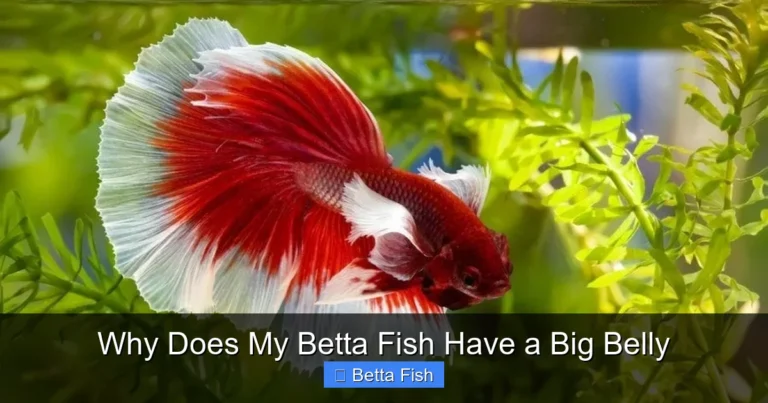
Is Fish Better Bot Frosen
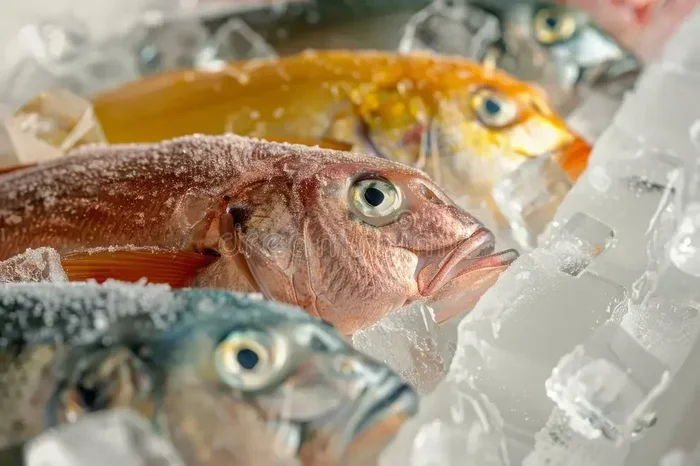
Frozen fish can be a great option for betta fish, offering strong nutrition and long shelf life. Many fish keepers wonder if frozen fish is better than fresh or freeze-dried alternatives. The answer depends on quality, storage, and how you prepare it. This guide breaks down everything you need to know about frozen fish for your betta.
Key Takeaways
- Frozen fish retains most nutrients: Flash freezing locks in omega-3 fatty acids and protein.
- Fresh is not always better: Store-bought fresh fish may lose quality during transport and storage.
- Proper thawing matters: Always thaw frozen fish safely to avoid bacteria and preserve nutrition.
- Frozen fish is cost-effective: You can buy in bulk and store it for months without waste.
- Watch for additives: Choose plain frozen fish without preservatives or seasoning.
- Frozen fish food is convenient: It saves time and reduces the hassle of daily feeding routines.
📑 Table of Contents
What Does Frozen Fish Mean for Your Betta?
If you own a betta fish, you know how important diet is. These colorful swimmers need protein-rich food to stay healthy and vibrant. Frozen fish has become a popular choice among betta keepers. But is it really better than other options?
The short answer is yes, in many cases. Frozen fish offers a balance of nutrition, convenience, and safety. It avoids the risks that come with live food and often beats out flake or pellet options in nutritional value. Let us dive deeper into why this is the case.
When we talk about frozen fish, we mean fish that has been quickly frozen after harvesting. This process, called flash freezing, preserves the flesh at very low temperatures. The result is a product that stays close to its original nutritional profile. For betta fish owners, this is great news because it means your fish gets high-quality food every time.
Why Frozen Fish Matters for Betta Health
Betta fish are carnivores. They need a diet rich in protein and certain fats. Frozen fish delivers both. The freezing process does not destroy the essential amino acids that bettas need for muscle growth and energy. It also preserves omega-3 fatty acids, which support fin health and reduce inflammation.
Many people assume that fresh fish is always superior. But fresh fish from the store may have been sitting on a shelf for days. During that time, it loses nutrients. Frozen fish, on the other hand, is often frozen at peak freshness. This means it can actually be more nutritious than what you buy at the grocery store.
Frozen vs Fresh Fish: What Is the Real Difference?
Understanding the difference between frozen and fresh fish helps you make better feeding choices. Both options have pros and cons. Let us look at them side by side.
Nutritional Comparison
Frozen fish is often flash-frozen within hours of being caught. This locks in vitamins and minerals. Fresh fish, especially if it has traveled long distances, can lose a significant amount of its nutritional value. Studies show that frozen fish retains more omega-3 content over time than fresh fish that has been sitting in a display case.
Here are some key differences to keep in mind:
- Protein content: Frozen fish maintains protein levels very well. Fresh fish can degrade faster.
- Vitamin B12: This vitamin stays stable in frozen fish. It breaks down more quickly in fresh fish stored at warm temperatures.
- Omega-3 fatty acids: Both frozen and fresh fish contain these healthy fats. But frozen fish preserves them longer.
- Minerals like selenium and potassium: These remain intact in frozen fish through the storage period.
Freshness and Safety
Fresh fish can carry bacteria if it has not been handled properly. Frozen fish goes through a freezing process that kills many harmful pathogens. This makes it a safer choice for both you and your fish.
When buying fresh fish, you have to trust the supply chain. How long was it on a truck? Was it kept at the right temperature? With frozen fish, these questions matter less. The freezing process itself acts as a preservation step that reduces food safety risks.
That said, not all frozen fish is created equal. Some products contain added sodium, preservatives, or fillers. Always read the label. Look for plain frozen fish with no extra ingredients. Your betta will thank you for it.
Benefits of Feeding Frozen Fish to Bettas
There are several strong reasons to consider frozen fish as a staple in your betta’s diet. Let us explore the biggest advantages.
1. High Nutritional Value
Frozen fish packs a nutritional punch. It is loaded with protein, healthy fats, and essential vitamins. For bettas, this means better color, stronger fins, and more energy. A well-fed betta fish is a happy betta fish.
Unlike many processed betta foods, frozen fish does not contain artificial colors or fillers. It is as close to a natural diet as you can get in a home aquarium. This is especially important for bettas, which thrive on whole-food diets.
2. Long Shelf Life
One of the best things about frozen fish is how long it lasts. You can store it in your freezer for months. This means you always have food on hand without worrying about spoilage. No more rushing to the pet store because your fish food ran out.
Compare this to live food, which has a very short lifespan. Live food can also introduce parasites or bacteria into your tank. Frozen fish gives you the benefits of a natural diet without the risks.
3. Cost Savings Over Time
Buying frozen fish in bulk can save you money. A single bag can last for weeks or even months. When you compare the cost per feeding to live food or premium pellets, frozen fish often comes out ahead.
Plus, there is less waste. You can thaw only what you need for each feeding. This means you do not end up throwing away spoiled food. Over time, these savings add up significantly.
4. Easy Portion Control
Feeding bettas the right amount is important. Overfeeding can lead to bloating and water quality issues. Frozen fish makes portion control easy. You can cut small, precise pieces for each feeding. This helps you avoid the common mistake of giving your betta too much food.
How to Properly Store and Thaw Frozen Fish
Getting the most out of frozen fish depends on how you store and prepare it. Follow these steps to keep your fish food safe and nutritious.
Storage Tips
- Keep frozen fish at 0 degrees Fahrenheit or below.
- Store it in airtight packaging to prevent freezer burn.
- Label your containers with the date of freezing.
- Use frozen fish within six months for best quality.
- Do not refreeze fish that has already been thawed.
Thawing Frozen Fish Safely
Thawing is a simple process, but it matters. The wrong method can reduce nutrition or introduce bacteria. Here is the best way to do it:
- Take out the amount of fish you need for one feeding.
- Place it in a small container or bowl.
- Let it thaw in the refrigerator overnight.
- Once thawed, use it within 24 hours.
- Never thaw fish at room temperature or in warm water.
Some keepers like to rinse thawed fish before feeding. This can remove excess moisture and any surface bacteria. Just make sure the fish is fully thawed before offering it to your betta. Cold fish can upset your betta’s stomach.
Can You Feed Frozen Fish Directly?
Some betta owners drop small pieces of frozen fish directly into the tank. This works in a pinch. However, thawing first is always better. Thawed fish is easier for your betta to eat and digest. It also reduces the risk of introducing temperature shocks into your tank water.
Common Mistakes When Feeding Frozen Fish to Bettas
Even with good intentions, mistakes can happen. Here are the most common errors betta keepers make with frozen fish and how to avoid them.
Mistake 1: Overfeeding
Bettas have small stomachs. A few pieces of frozen fish are enough for one feeding. Many new fish keepers give too much, which leads to bloating and poor water quality. Feed only what your betta can eat in two to three minutes.
Mistake 2: Using Low-Quality Frozen Fish
Not all frozen fish products are the same. Some contain added salt, preservatives, or breading. These are harmful to bettas. Always choose plain, single-ingredient frozen fish. Look for products designed for aquarium fish or human-grade fish with no additives.
Mistake 3: Skipping the Thawing Step
Feeding rock-hard frozen fish directly to your betta is a bad idea. It can cause digestive issues and temperature shocks. Always thaw your frozen fish properly before feeding. Your betta will eat it more readily and digest it better.
Mistake 4: Ignoring Variety in Diet
While frozen fish is excellent, it should not be the only food your betta eats. Bettas benefit from a varied diet that includes high-quality pellets, occasional frozen treats, and sometimes freeze-dried options. Think of frozen fish as a staple, not the entire menu.
Final Verdict: Is Frozen Fish the Right Choice for Your Betta?
After looking at all the evidence, the answer is clear. Frozen fish is an excellent choice for betta fish. It offers strong nutrition, long shelf life, and safety benefits that many other food options cannot match.
Is it better than fresh fish? In many cases, yes. Frozen fish is often frozen at peak freshness, which means it retains more nutrients than fresh fish that has been sitting on a shelf. Is it better than freeze-dried food? Absolutely. Freeze-dried food loses some nutritional value during the drying process. Frozen fish keeps more of the natural vitamins and fats that bettas need.
If you want to give your betta the best diet possible, consider adding frozen fish to your feeding routine. It is affordable, convenient, and packed with the nutrients your fish needs to thrive. Your betta will show it through brighter colors, stronger fins, and more active behavior.
Remember to always buy high-quality products, store them properly, and thaw them safely. These small steps make a big difference in the health and happiness of your betta fish.
Frozen fish is not just a trend. It is a smart, science-backed choice for responsible fish keepers. Give it a try and see the difference it makes in your betta’s life.
Frequently Asked Questions
Can betta fish eat frozen fish every day?
Yes, you can feed frozen fish to your betta daily, but variety is key. Mix frozen fish with high-quality pellets or other foods to ensure a balanced diet. Feeding only one type of food, even a nutritious one like frozen fish, can lead to nutritional gaps over time.
Is frozen fish better than live food for bettas?
In many ways, yes. Frozen fish offers similar nutrition to live food without the risk of parasites or bacteria. Live food can be convenient but carries more health risks. Frozen fish gives you the benefits of a natural diet with added safety and convenience.
How long can you keep frozen fish in the freezer?
Properly stored frozen fish can last up to six months in the freezer. After that, the quality and nutritional value start to decline. Always label your packages with the freezing date and use older stock first to get the best results.
Does freezing fish kill parasites?
Freezing fish at very low temperatures can kill many parasites. However, not all parasites are eliminated by home freezing. Commercial frozen fish products often go through regulated freezing processes that are designed to eliminate parasites safely. This is another reason to choose quality frozen fish over random sources.
Can frozen fish cause constipation in bettas?
If overfed, yes. Bettas have small digestive systems, and too much frozen fish can lead to constipation or bloating. Feed small portions and remove any uneaten food after a few minutes. This keeps your betta healthy and your tank water clean.
What is the best type of frozen fish for bettas?
Plain frozen fish like frozen bloodworms, frozen brine shrimp, or frozen daphnia are excellent choices. You can also use frozen fish fillets like frozen squid or frozen mussels. Always choose products with no added salt, preservatives, or seasoning for the safest and healthiest option.
=== CONCLUSION ===
Frozen fish is a fantastic food choice for betta fish. It offers strong nutrition, long shelf life, and excellent safety. By choosing quality frozen fish and following proper storage and thawing methods, you give your betta the best possible diet. Say goodbye to guesswork and hello to a healthier, happier fish. Start incorporating frozen fish into your betta feeding routine today and watch your fish thrive.