Is Fish Better Baught Frosen
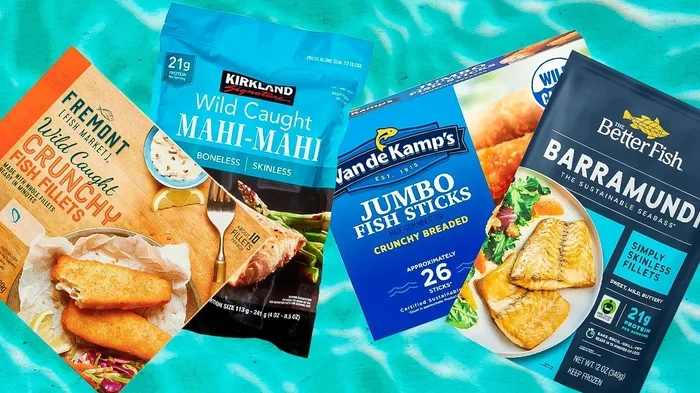
Is fish better caught frozen? The answer might surprise you. Frozen fish can retain its nutritional value, freshness, and even its taste when handled and stored correctly. Whether you’re feeding your betta fish or preparing seafood for dinner, understanding the frozen vs fresh fish debate helps you make smarter choices.
Key Takeaways
- Frozen fish is often fresher than you think: Many frozen fish products are frozen at sea within hours of being caught, locking in freshness and nutrition.
- Freezing preserves nutrients effectively: When done properly, freezing fish maintains omega-3 fatty acids, protein, and vitamins just as well as fresh fish.
- Taste differences are minimal with proper handling: Thawing fish correctly can deliver a flavor profile very close to fresh-caught fish.
- For betta fish, frozen food offers convenience and safety: Frozen bloodworms, brine shrimp, and fish fillets provide a nutritious diet without the risks of parasites found in raw food.
- Not all frozen fish is created equal: The freezing method, storage temperature, and packaging all affect the final quality of frozen fish.
- Knowledge is your best tool: Understanding how to select, store, and prepare frozen fish ensures you and your fish get the best quality possible.
Is Fish Better Caught Frozen? The Complete Guide
Every time you stand at the seafood counter or open a bag of frozen fish fillets, the same question pops up: is fish better caught frozen or is fresh always the way to go? The debate has raged among home cooks, fishermen, and even aquarium hobbyists for years.
Here is the honest truth. Frozen fish is not the inferior product most people assume. In many cases, fish that is flash-frozen shortly after being caught actually outperforms “fresh” fish that has been sitting on a dock or in a supermarket display case for days. The freezing process locks in nutrients, preserves texture, and stops the clock on spoilage.
Whether you are stocking your betta fish tank with frozen bloodworms or deciding between fresh and frozen salmon for dinner, this guide breaks down everything you need to know. We will explore how freezing works, why it matters, and when frozen fish is genuinely the better choice.
What Does “Caught Frozen” Actually Mean?
The term “caught frozen” can be a little confusing. It does not mean the fish is frozen while it is still swimming. Instead, it refers to fish that is caught and then immediately frozen on the fishing vessel or at a processing facility within hours of leaving the water.
This method is called flash freezing. Industrial freezers drop the temperature of the fish to minus 40 degrees Fahrenheit or lower in a very short time. Tiny ice crystals form inside the fish cells, which prevents the cell walls from bursting. This is the key to maintaining texture and juiciness when the fish is later thawed.
By contrast, fish labeled as “fresh” may have been caught days ago. It could have been transported across the country on ice, stored in a warehouse, and then displayed for sale. During that time, enzymatic degradation slowly breaks down the flesh. The fish may look okay, but its flavor and nutritional content are already declining.
How Freezing Affects Fish Nutrition
One of the biggest concerns people have about frozen fish is nutrition. Does freezing kill the good stuff? The short answer is no. Let us break it down.
Protein is highly stable during freezing. Your fish fillet retains its protein content whether it is frozen or fresh. Omega-3 fatty acids, the heart-healthy fats found in salmon, mackerel, and sardines, also remain intact. Studies have shown that properly frozen fish maintains its omega-3 levels for months.
What about vitamins? Vitamin D and vitamin B12 hold up well in frozen fish. Some water-soluble vitamins like vitamin C can decrease slightly, but fish is not a major source of vitamin C anyway. The overall nutritional profile of frozen fish is remarkably similar to fresh fish.
This is great news for betta fish owners too. Frozen fish food for aquariums retains the essential nutrients your betta needs for vibrant color, energy, and overall health. Frozen bloodworms and brine shrimp are packed with protein and healthy fats, making them an excellent staple food.
Frozen Fish vs Fresh Fish: A Head-to-Head Comparison
Let us settle the debate with a clear comparison. The table below shows how frozen and fresh fish stack up across the most important factors.
| Factor | Fresh Fish | Frozen Fish |
|---|---|---|
| Nutritional Value | High if eaten quickly | High and stable over time |
| Taste and Texture | Best when very fresh | Very close with proper thawing |
| Convenience | Short shelf life | Long storage life |
| Safety | Risk of bacteria growth | Freezing kills many parasites |
| Cost | Often more expensive | Generally more affordable |
| Availability | Limited by season and region | Available year-round |
As you can see, frozen fish holds its own in every category. In some areas, like safety and convenience, it actually wins. Freezing is also a critical step in parasite control. Many health agencies recommend that fish meant to be eaten raw should be frozen first to eliminate parasites and harmful organisms. This is something fresh fish from the counter does not guarantee unless specifically labeled as “sushi grade.”
Why Fishermen and Chefs Choose Frozen
You might be surprised to learn how many professionals prefer frozen fish over fresh. Commercial fishermen often freeze their catch on the boat within hours. This is because ocean trawling and long fishing trips make it impossible to keep fish fresh without proper refrigeration. Freezing is the most reliable method to preserve the catch.
Professional chefs also rely heavily on frozen fish. Top restaurants use frozen seafood because it offers consistency. A frozen fillet from a reputable supplier will look and taste the same in January as it does in July. Fresh fish, on the other hand, can vary dramatically depending on when it was caught and how it was stored.
For those comparing sea fish versus freshwater fish, freezing works equally well for both species. Whether you are freezing wild-caught cod from the North Atlantic or farm-raised tilapia, the principles of proper flash freezing remain the same. The key is the speed and temperature of the freeze, not the species or habitat of the fish.
If you are curious about the broader debate between wild-caught and farmed fish, understanding how freezing impacts both is essential. Wild-caught fish and farmed fish each have unique nutritional profiles, but freezing preserves whichever benefits each type offers. You can explore the differences between wild and farmed options in more detail through resources on whether farmed fish is better than wild fish and why wild-caught fish is considered superior for those seeking deeper insight.
How to Freeze Fish at Home Properly
If you catch your own fish or buy fresh fillets and want to freeze them, doing it right makes all the difference. Poor freezing techniques lead to freezer burn, dry patches, and off-flavors. Here is a step-by-step guide to freezing fish like a pro.
Step 1: Clean and Gut the Fish. Remove the scales, guts, and fins immediately after catching. The sooner you process the fish, the better the final quality will be. Bacteria start multiplying on dead fish within minutes, so speed matters.
Step 2: Rinse and Dry. Give the fish a cold water rinse and pat it dry with paper towels. Excess moisture during freezing creates larger ice crystals, which damage the cell structure and lead to mushy texture when thawed.
Step 3: Portion the Fish. Cut the fish into meal-sized portions. This prevents repeated thawing and refreezing, which destroys quality. For betta fish owners, portioning frozen fish food into small cubes or flat strips makes feeding time simple and mess-free.
Step 4: Wrap Tightly. Use plastic wrap, freezer paper, or vacuum-seal bags. Air exposure is the enemy of frozen fish. Oxygen causes oxidation, which leads to rancid flavors and nutrient loss. Vacuum-sealing is the gold standard for home freezers.
Step 5: Label and Date. Always write the date and fish species on the package. Most fish maintains good quality for three to six months in a standard freezer. Some fatty fish like salmon have a shorter window, while lean fish like cod can last longer.
Following these steps ensures your frozen fish stays as close to the fresh catch as possible. The same principles apply whether you are storing fish for your own meals or preparing frozen fish food for aquarium fish like bettas.
Thawing Frozen Fish the Right Way
How you thaw frozen fish is just as important as how you freeze it. A bad thawing job can undo all your careful storage efforts. Here are the best methods.
Refrigerator Thawing: This is the safest and most recommended method. Place the frozen fish in the refrigerator the night before you plan to cook it. It thaws slowly and evenly, keeping the fish at a safe temperature throughout. This method preserves moisture and texture better than anything else.
Cold Water Thawing: If you are short on time, seal the fish in a zip-lock bag and submerge it in cold water. Change the water every 20 minutes. A fillet will thaw in about an hour. This method is fast and still keeps the fish safe from bacterial growth.
Direct Cooking: You can cook fish straight from the freezer in many cases. This works especially well for thin fillets and small pieces. Just add a few extra minutes to the cooking time. Many betta fish owners feed small frozen food pieces directly to their fish, letting them soften in the tank water naturally.
Avoid the Microwave and Hot Water: These methods cook the edges of the fish while the center remains frozen. They also create uneven texture and can promote bacterial growth. Always steer clear of these shortcuts.
Special Considerations for Betta Fish Owners
If you keep betta fish, frozen food is likely already part of your routine. Frozen fish foods offer several advantages over live and freeze-dried alternatives. Let us look at why frozen is often the preferred choice.
Nutritional Integrity: Freezing preserves the natural nutrients in fish food far better than freeze-drying, which removes moisture and can degrade heat-sensitive vitamins. Frozen bloodworms, daphnia, and brine shrimp retain their protein and fatty acid content effectively.
Parasite-Free Safety: Live food can carry parasites and bacteria that harm your betta. Freezing kills most of these organisms, making frozen food a much safer option. This is the same reason commercial fisheries freeze fish for human consumption, as detailed in guides about whether raw fish is better than cooked and food safety practices.
Easy Portion Control: Betta fish have tiny stomachs roughly the size of their eye. Frozen food allows you to feed precise amounts, reducing overfeeding and keeping your tank water clean. Overfeeding is one of the most common mistakes betta owners make, and it leads to poor water quality and health problems.
Variety in Diet: Offering a varied diet is crucial for betta health. Frozen fish lets you rotate between different protein sources easily. Mix frozen brine shrimp with frozen bloodworms and occasional frozen fish fillet pieces for a well-rounded betta diet.
When selecting frozen fish food, always check the ingredient list. High-quality products list real fish or shrimp as the first ingredient. Avoid products loaded with fillers, artificial colors, and preservatives. Your betta deserves the same quality seafood you would expect for yourself.
Common Mistakes When Buying and Using Frozen Fish
Even though frozen fish is a fantastic option, there are pitfalls to watch out for. Avoiding these mistakes ensures you get the best quality every time.
Buying Fish with Ice Crystals: If the packaging shows large ice crystals or frost, the fish has likely been thawed and refrozen. This damages texture and can introduce safety concerns. Look for packages with no visible frost or ice buildup.
Ignoring the Expiry Date: While frozen fish stays safe indefinitely at proper temperatures, quality degrades over time. Always check the date and use the fish within the recommended window for the best flavor and nutrition.
Improper Storage at Home: Keep your home freezer at zero degrees Fahrenheit or below. Temperature fluctuations during power outages or frequent door openings can compromise fish quality. A chest freezer offers more stable temperatures than an upright model for long-term storage.
Skipping the Thawing Step: Cooking frozen fish without thawing works in some cases, but thick fillets often cook unevenly. Always thaw fish properly unless the recipe specifically calls for direct cooking from frozen.
Overlooking the Source: Not all frozen fish is equal. Some comes from polluted waters or unsustainable fishing practices. Look for certifications like MSC (Marine Stewardship Council) or ASC (Aquaculture Stewardship Council) on the packaging. Understanding whether freshwater fish versus saltwater fish fits your preferences also helps guide better purchasing decisions, as explored in comparisons like whether freshwater fish is better than saltwater fish.
Expert Insights on the Frozen Fish Debate
Food scientists and marine biologists generally agree that properly frozen fish is nutritionally equivalent to fresh fish. Dr. Robert Van Wynen, a seafood science researcher, has noted that the key factor in fish quality is the time between catch and freezing, not the freezing itself. Fish frozen within hours of capture is scientifically indistinguishable from fresh fish in terms of protein content, omega-3 levels, and overall nutritional density.
Chef recommendations also lean toward frozen for consistency and quality. Many high-end restaurants now use frozen seafood as their primary supply. The ability to control quality, reduce waste, and ensure food safety makes frozen fish a practical and superior choice in professional kitchens.
For aquarium hobbyists, the expert consensus is clear. Frozen fish food provides the best balance of nutrition, safety, and convenience for betta fish and other tropical species. It eliminates the risks associated with live food while delivering a natural, species-appropriate diet that promotes healthy growth and brilliant coloration.
Key Takeaways: Why Frozen Fish Deserves a Second Look
The next time someone tells you frozen fish is inferior, set the record straight. Is fish better caught frozen? The evidence strongly supports yes, in many cases it is. Flash freezing preserves what makes fish special, from its omega-3 fatty acids to its delicate texture. For your dinner table or your betta fish tank, frozen fish delivers quality you can count on.
Remember to buy from reputable sources, store at proper temperatures, and thaw correctly. These simple habits make all the difference. Whether you are comparing wild-caught versus farm-raised fish, debating sea fish versus freshwater fish, or simply trying to feed your betta the best diet, frozen fish stands as a reliable, nutritious, and practical choice.
So the next time you reach for that bag of frozen fish fillets or a container of frozen bloodworms, do not hesitate. You are making a smart, science-backed decision. Frozen fish is not a compromise. It is a celebration of quality preserved at its peak.
The real answer to is fish better caught frozen lies in the method and the care behind it. With the right approach, frozen fish is every bit as good as fresh, sometimes even better. Trust the process, trust the science, and enjoy the incredible quality that well-frozen fish brings to your table and your aquarium.
Frequently Asked Questions
Is frozen fish as healthy as fresh fish?
Yes, frozen fish is just as healthy as fresh fish when it is properly flash-frozen. The freezing process preserves protein, omega-3 fatty acids, and essential vitamins. In fact, frozen fish sometimes retains its nutrients better than fresh fish that has been sitting for days.
Can I feed frozen fish food to my betta fish?
Absolutely. Frozen fish food like bloodworms, brine shrimp, and daphnia is excellent for betta fish. It provides high-quality protein and healthy fats while being safer than live food because freezing eliminates parasites and harmful bacteria.
How do I thaw frozen fish without losing quality?
The best method is refrigerator thawing. Place the frozen fish in the fridge the night before cooking. For faster thawing, seal the fish in a bag and submerge it in cold water. Avoid microwaving or using hot water, as these methods damage texture and can promote bacterial growth.
Does freezing fish remove parasites?
Yes, freezing fish at very low temperatures for a sufficient period kills most parasites and harmful organisms. This is why health agencies recommend freezing fish before consuming it raw. For aquarium fish, frozen food is safer because the freezing process eliminates these risks entirely.
What is the best type of fish to freeze at home?
Most fish freeze well, but lean species like cod, haddock, and tilapia tend to hold up best. Fatty fish like salmon and mackerel can be frozen but should be used within three months for optimal quality. Always clean, dry, and wrap fish tightly before freezing to prevent freezer burn.
Is frozen sea fish better than frozen freshwater fish?
Both are nutritious and safe when properly frozen. The choice depends on personal preference and dietary needs. Sea fish and freshwater fish each offer unique benefits. What matters most is how quickly the fish was frozen after being caught and how well it is stored, not whether it came from the sea or a freshwater source.