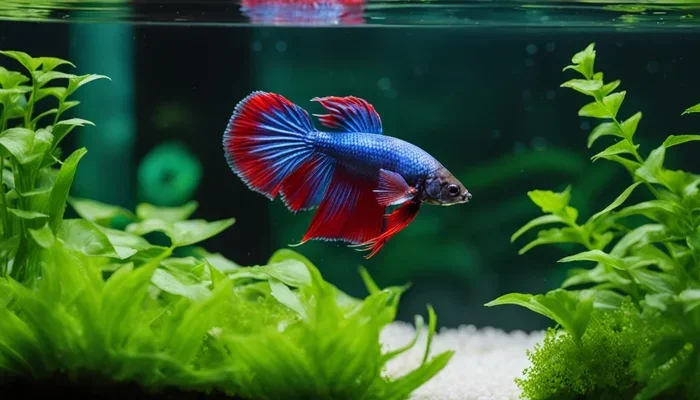
Is Fiji Water Good for Betta Fish

Is Fiji Water good for betta fish? The short answer is yes, but with some important caveats. Fiji Water contains natural minerals and has a balanced pH, which can benefit your betta. However, it is not specifically formulated for aquarium use, so you need to test and adjust it before adding it to your tank. This guide covers everything you need to know about using Fiji Water safely for your betta fish.
Keeping a betta fish healthy starts with one simple thing: the water. Every betta owner wants the best for their colorful companion. And when you walk down the bottled water aisle, Fiji Water stands out. It promises pure, natural hydration. But is fiji water good for betta fish? That is the real question every betta keeper should ask.
The truth is, not all water is created equal for aquariums. Your betta fish needs specific water conditions to thrive. pH levels matter. Mineral content matters. Even the source of the water matters. Fiji Water has gained popularity among fish keepers, but it deserves a closer look before you pour it into your tank.
In this article, we will break down everything you need to know. We will look at the mineral profile of Fiji Water. We will compare it with other common water types. And we will give you clear, actionable steps to use it safely. By the end, you will know exactly whether Fiji Water belongs in your betta setup.
Key Takeaways
- Fiji Water is generally safe for betta fish because it contains natural minerals and has a near-neutral pH.
- Always test Fiji Water before use to check pH, hardness, and mineral levels to ensure they match your betta’s needs.
- Fiji Water is not a replacement for water conditioner — you still need to treat it properly before adding it to the tank.
- Compare Fiji Water with other water types like tap water, spring water, and purified water to find the best option.
- Avoid using Fiji Water exclusively long-term without monitoring your betta’s health and water parameters.
- Use Fiji Water as a supplement or occasional water source rather than a primary aquarium water type.
📑 Table of Contents
What Is Fiji Water and What Makes It Different?
Fiji Water comes from an underground aquifer in Fiji. It is collected from a natural volcanic source. The bottling process aims to preserve its natural mineral content. This is what sets it apart from most other bottled waters.
Fiji Water contains several key minerals. These include silica, calcium, magnesium, and potassium. The pH level typically sits around 7.3 to 7.5. That is slightly alkaline and close to neutral. For betta fish, this range is generally acceptable.
But here is the important part. Betta fish live in specific water conditions in the wild. They come from warm, slow-moving waters in Southeast Asia. Their natural habitat has soft water with low mineral content. So while Fiji Water is clean and safe for humans, it may not perfectly match what bettas need naturally.
Mineral Content of Fiji Water
Let us look at what Fiji Water actually contains. A typical liter of Fiji Water includes:
- Silica: Around 93 mg/L. This gives Fiji Water its smooth taste.
- Calcium: Approximately 18 mg/L. Important for bone health in fish.
- Magnesium: About 15 mg/L. Supports muscle function.
- Potassium: Roughly 2 mg/L. Helps with cellular function.
- Sodium: Very low levels. This is good news for fish.
These numbers are not exact and can vary slightly by batch. But they give you a general idea. The mineral profile is moderate. It is not as soft as rainwater. And it is not as hard as some tap water sources. This middle-ground profile is why many fish keepers consider Fiji Water as an option.
Is Fiji Water Good for Betta Fish?
So, is fiji water good for betta fish? The answer is yes, with conditions. Fiji Water is clean and free from chlorine and chloramine. Those are two chemicals commonly found in tap water that harm betta fish. You do not need a water conditioner to remove them from Fiji Water.
However, Fiji Water also has not been specifically treated for aquarium use. It has not been adjusted for the ideal pH or mineral levels for bettas. This means you need to take extra steps before using it.
Here is what makes Fiji Water a mixed bag for bettas:
- Pros: No chlorine, no chloramine, no heavy metals, natural minerals, and a stable pH.
- Cons: Higher mineral content than betta natural habitat, expensive compared to other options, and not designed for aquarium use.
If you want to use Fiji Water, you should test it first. Use a liquid test kit to check the pH, ammonia, nitrite, and nitrate levels. Also test the general hardness (GH) and carbonate hardness (KH). These tests will tell you if the water is safe for your betta.
When Fiji Water Works Well for Bettas
Fiji Water can work well in certain situations. For example, if your tap water is very hard or contains high levels of chlorine, Fiji Water can be a good alternative. It is also useful for top-off water in aquariums where evaporation leaves behind minerals. Using Fiji Water for top-offs helps maintain stable water parameters.
Another good use is for betta fry or sick bettas. Young fish and stressed fish are more sensitive to water quality. Fiji Water provides a clean, consistent water source. This can help reduce the risk of water-related health issues.
Fiji Water vs Other Water Types for Betta Fish
Fiji Water is just one option among many. To understand where it fits, let us compare it with other common water types. This comparison will help you make the best choice for your betta.
| Water Type | pH Range | Mineral Content | Cost | Betta Safe? |
|---|---|---|---|---|
| Fiji Water | 7.3 – 7.5 | Moderate | High | Yes, with testing |
| Tap Water | 6.5 – 8.5 | Varies widely | Low | Yes, with conditioner |
| Spring Water | 6.5 – 8.0 | Low to moderate | Medium | Yes, often good |
| Distilled Water | Neutral (7.0) | Very low | Medium | Yes, but needs remineralization |
| Purified Water | Neutral (7.0) | Very low | Medium | Yes, but needs remineralization |
| Well Water | Varies | Varies widely | Low | Test before use |
As you can see, Fiji Water sits in the middle of the pack. It is safer than untreated tap water. But it is more expensive than most alternatives. If you are on a budget, tap water with a good conditioner might be a better primary choice. If you want something pure, purified drinking water is also worth considering.
For most betta owners, the best approach is to use a mix of water sources. This gives your betta a balanced environment. You can use tap water treated with conditioner as your main source. Then use Fiji Water occasionally for water changes or top-offs.
How to Use Fiji Water for Your Betta Fish Tank
If you have decided to try Fiji Water, you need to do it the right way. Simply pouring it into your tank is not enough. Here is a step-by-step guide to using Fiji Water safely for your betta.
Step 1: Test the Fiji Water Before Use
Buy a liquid test kit. Test the pH, GH, KH, ammonia, nitrite, and nitrate. Write down the results. Compare them to the ideal betta water parameters. Betta fish prefer a pH between 6.5 and 7.5. They like soft to moderately hard water. The GH should be between 3 and 4 dGH.
Step 2: Let the Water Sit
Even though Fiji Water is free from chlorine, it can still benefit from sitting in an open container for 24 hours. This allows dissolved gases to equalize. It also brings the water closer to room temperature. Temperature shock is a real danger for betta fish. Always match the water temperature to your tank before adding it.
Step 3: Mix with Conditioned Tap Water if Needed
If the Fiji Water test results show high mineral content, consider mixing it with treated tap water. This dilutes the minerals and brings the parameters closer to what your betta needs. A 50/50 mix is a good starting point. Test the mixed water before adding it to the tank.
Step 4: Acclimate Your Betta
When you add the Fiji Water to your tank, do it gradually. Use the drip method or float the bag method. Sudden changes in water chemistry can stress your betta. Even if the water is safe, a rapid shift can cause problems.
Step 5: Monitor Your Betta After the Water Change
Watch your betta closely for the next 24 to 48 hours. Look for signs of stress. These include clamped fins, loss of color, rapid breathing, or hiding more than usual. If you notice any of these signs, test the water again. You may need to adjust your approach.
Quick Tips for Using Fiji Water
- Always buy fresh Fiji Water. Check the expiration date on the bottle.
- Store opened bottles in a cool, dark place to prevent bacterial growth.
- Never use Fiji Water that has been sitting open for more than a few days.
- Use a separate container for mixing and storing aquarium water.
- Keep a log of your water parameters and changes. This helps you spot trends over time.
Potential Risks of Using Fiji Water for Betta Fish
Fiji Water is not without risks. Understanding these risks helps you use it wisely and avoid problems. Let us look at the potential downsides.
High Cost Over Time
Fiji Water is expensive. A single gallon can cost several dollars. For a betta tank, you might need several gallons per water change. Over time, the cost adds up quickly. If you are on a tight budget, Fiji Water is not the most practical choice as your primary water source.
Inconsistent Mineral Levels
Bottled water mineral content can vary between batches. One bottle of Fiji Water might have slightly different minerals than the next. This inconsistency makes it harder to maintain stable water parameters. Stable water is key to a healthy betta tank.
Not Ideal for Long-Term Use
Using Fiji Water exclusively over a long period can lead to mineral buildup in your tank. Bettas thrive in stable, consistent conditions. If the mineral levels creep up over time, it can affect your betta’s health. This is why many experts recommend using Fiji Water as a supplement rather than a sole water source.
Potential for Contamination
While rare, bottled water can sometimes be contaminated during the bottling process. Plastic micro-particles, bacteria, or other impurities can find their way into the water. Always inspect the water before use. If it looks cloudy or smells off, do not use it.
Environmental Impact
Buying large quantities of bottled water creates plastic waste. If you care about the environment, this is something to consider. Using a good water filter on your tap water is a more sustainable option. You can still use Fiji Water occasionally without feeling guilty about waste.
Expert Tips for Maintaining Optimal Water Quality for Bettas
Whether you use Fiji Water or another water type, the goal is the same: stable, clean water for your betta. Here are some expert tips to help you get there.
Test your water regularly. A liquid test kit is your best friend. Test strips are okay for quick checks, but liquid kits are more accurate. Test at least once a week. More often if you notice any changes in your betta’s behavior.
Use a water conditioner every time. Even if you use Fiji Water, a water conditioner can help remove any trace contaminants. It also adds a protective slime coat to your betta’s scales. This is especially helpful for bettas in new or changing water conditions.
Do regular water changes. A 25 to 30 percent water change every week is ideal. This removes waste buildup and keeps mineral levels in check. Use a gravel vacuum to clean the substrate at the same time.
Keep the temperature stable. Betta fish need warm water between 78 and 80 degrees Fahrenheit. Use a reliable heater with a thermostat. Sudden temperature drops can make your betta sick very quickly.
Consider a water filter. A gentle sponge filter is perfect for betta tanks. It provides mechanical and biological filtration without creating too much flow. Bettas prefer calm water, and a strong filter can stress them out.
Observe your betta daily. The best early warning system is your own eyes. Watch for changes in appetite, color, activity level, and fin condition. Catching problems early makes treatment much easier.
Conclusion
So, is fiji water good for betta fish? Yes, it can be. Fiji Water is clean, free from harmful chemicals, and has a balanced pH that works for most bettas. It offers a natural mineral profile that can complement your betta’s environment. But it is not a perfect or complete solution on its own.
The best approach is to use Fiji Water as part of a broader water management strategy. Test it first. Mix it with conditioned tap water if needed. Monitor your betta closely after water changes. And always prioritize stable, consistent water parameters above all else.
Your betta fish deserves the best care you can provide. And that starts with the water you use. Whether you choose Fiji Water, tap water, or a combination, the key is to be informed and intentional. With the right approach, your betta will thrive and bring you joy for years to come.
Remember, every betta is different. What works for one fish may not work for another. Pay attention to your individual betta’s needs. Adjust your water routine as needed. And never stop learning about the best ways to care for your underwater friend.
Frequently Asked Questions
Can I use Fiji Water directly in my betta tank without testing?
It is not recommended. Fiji Water has not been treated for aquarium use. Always test the pH, hardness, and mineral content before adding it to your tank. Testing takes just a few minutes and can prevent serious problems for your betta.
How often can I use Fiji Water for my betta fish tank?
You can use Fiji Water for water changes once or twice a month. It works well as a supplement to your regular water routine. For weekly water changes, mixing Fiji Water with conditioned tap water is often the most practical approach.
Is Fiji Water better than tap water for betta fish?
Fiji Water is free from chlorine and chloramine, which makes it safer than untreated tap water. However, tap water treated with a good water conditioner is also safe and much more affordable. Fiji Water is a good option, but it is not necessarily better than properly treated tap water.
What is the best water for betta fish overall?
The best water for betta fish is clean, dechlorinated water with a stable pH between 6.5 and 7.5. Many betta keepers use tap water treated with a conditioner as their primary source. You can supplement with Fiji Water or spring water for variety and added minerals.
Will Fiji Water change the pH of my betta tank?
Fiji Water has a slightly alkaline pH of around 7.3 to 7.5. If your tank water is more acidic, using Fiji Water may raise the pH slightly. Always test your tank water after adding Fiji Water to make sure the pH stays within the safe range for bettas.
Can I use Fiji Water for betta fry?
Yes, Fiji Water can be used for betta fry, but with extra caution. Fry are very sensitive to water changes. Test the Fiji Water thoroughly, match the temperature exactly, and make changes gradually. Using Fiji Water mixed with conditioned tap water is a safer approach for young bettas.