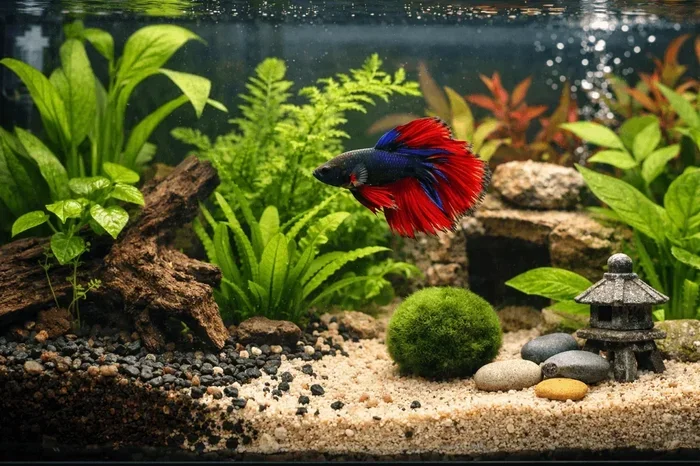
Is Chilla Woid Good for Betta Fish
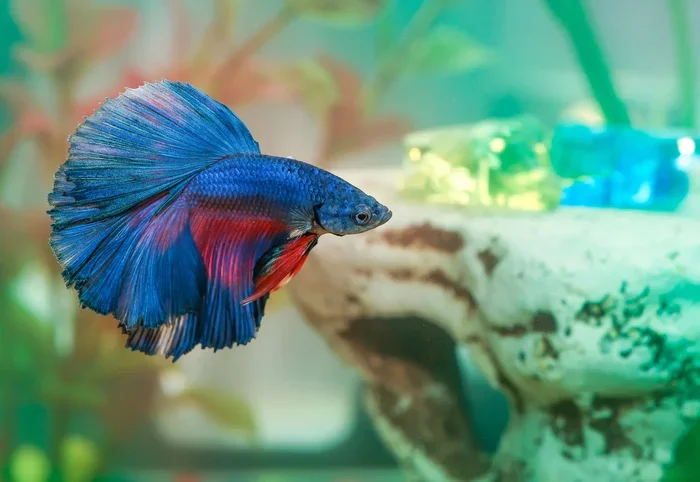
Chilla woid is a popular aquarium decoration that can benefit betta fish by releasing natural tannins, softening water, and creating a more natural habitat. When used correctly, this driftwood option supports healthier water conditions and provides hiding spots that reduce stress. However, improper preparation or excessive use can alter water chemistry too much, so moderation and proper curing are essential.
If you are a betta fish owner, you have probably seen chilla woid floating around in aquarium forums and fish store displays. The question on every hobbyist’s mind is simple: is chilla woid good for betta fish? The short answer is yes, but with some important caveats. Chilla woid, also known as cholla wood, is a type of driftwood that comes from the dried remains of a cactus species. It has become a staple in many freshwater aquariums, and for good reason.
In this guide, we will walk through everything you need to know about using chilla woid in a betta fish tank. From the benefits it offers to the potential risks, you will find all the practical details here. Whether you are a beginner or a seasoned aquarist, this article will help you make an informed decision about adding chilla woid to your setup.
Key Takeaways
- Natural Water Conditioning: Chilla woid releases tannins that mimic the betta fish natural habitat and soften water parameters.
- Stress Reduction: The textured surface and dark color of chilla woid provides hiding spots that help betta fish feel secure.
- pH Lowering Effect: Chilla woid can gently lower pH levels, which is beneficial for betta fish that prefer slightly acidic water.
- Proper Preparation Is Key: Always cure and soak chilla woid before adding it to your betta tank to avoid water cloudiness and chemical imbalances.
- Moderation Matters: Too much chilla woid can drastically change water chemistry, so use it in appropriate amounts for your tank size.
- Pair With Live Plants: Combining chilla woid with live plants creates a natural, thriving environment that benefits both fish and aesthetics.
📑 Table of Contents
- What Exactly Is Chilla Woid?
- The Benefits of Chilla Woid for Betta Fish
- Potential Risks of Using Chilla Woid
- How to Prepare Chilla Woid for Your Betta Tank
- How Much Chilla Woid Should You Use?
- Pairing Chilla Woid With Other Aquarium Elements
- Common Mistakes to Avoid With Chilla Woid
- Expert Insights on Chilla Woid and Betta Fish Health
- Final Thoughts: Is Chilla Woid Worth It?
What Exactly Is Chilla Woid?
Chilla woid is a hollow, tube-shaped piece of driftwood that comes from the dead skeleton of the cholla cactus. It is lightweight, porous, and has a unique texture that looks great in any aquarium. Many hobbyists choose chilla woid because it is natural, affordable, and easy to find online or at local pet stores.
Unlike synthetic decorations, chilla woid is an organic material that interacts with your aquarium water over time. It slowly releases compounds that can change the water chemistry in subtle ways. This is exactly why many betta fish keepers are interested in it. The wood also has small holes and tunnels that make excellent hiding spots. For betta fish, who can sometimes feel anxious in open spaces, these hiding areas are incredibly valuable.
Why Betta Fish Owners Love Driftwood
Driftwood in general has been a part of aquarium decoration for decades. Chilla woid stands out because of its shape and porosity. The tiny holes inside the wood give beneficial bacteria a place to colonize. These bacteria play a crucial role in breaking down waste and keeping your tank’s nitrogen cycle healthy. A well-established biological filter is the backbone of any successful betta fish tank.
Beyond the biological benefits, driftwood also adds a natural, earthy aesthetic. It makes your tank look like a miniature version of the betta fish natural habitat in Southeast Asia. This visual appeal is a big reason why so many hobbyists reach for chilla woid when decorating their aquariums.
The Benefits of Chilla Woid for Betta Fish
Adding chilla woid to your betta tank comes with several real advantages. Let us break them down so you can understand exactly what this wood brings to the table.
Natural Tannin Release
One of the most notable benefits of chilla woid is the release of tannins. Tannins are natural compounds found in many types of wood and leaves. When chilla woid sits in water, it slowly leaches these tannins, which give the water a slightly amber or tea-like tint. This might sound unappealing at first, but it actually replicates the conditions found in the betta fish natural habitat. In the wild, bettas live in warm, slow-moving waters that are often stained with tannins from decaying plant matter.
Tannins also have mild antibacterial and antifungal properties. Some hobbyists believe that these compounds help keep their betta fish healthier by creating a more natural water environment. While tannins alone are not a cure for diseases, they do contribute to an overall healthier tank ecosystem.
Water Chemistry Improvement
Chilla woid can gently influence your tank’s water chemistry. Specifically, it tends to lower pH and soften water hardness. Betta fish thrive in slightly acidic to neutral water with a pH between 6.5 and 7.5. If your tap water is too hard or too alkaline, adding a piece of chilla woid can help bring those parameters into a more comfortable range for your betta.
However, this effect is gradual and gentle. It is not going to crash your pH overnight. That is actually one of the reasons chilla woid is considered safer than chemical pH adjusters. Still, you should monitor your water parameters regularly, especially during the first few weeks after adding the wood.
Stress Reduction and Hiding Spots
Betta fish are not always the bold, flashy creatures we imagine them to be. In fact, they can get stressed easily, especially in tanks with too much open space or bright lighting. Chilla woid provides dark, enclosed spaces where your betta can retreat and feel safe. This is especially important for shy or newly introduced fish.
When a betta fish feels secure, it shows better color, eats more eagerly, and is generally more active. The simple act of providing a hiding spot can make a noticeable difference in your fish’s behavior and overall well-being.
Bacterial Colony Support
The porous surface of chilla woid is a fantastic home for beneficial bacteria. These microorganisms are essential for the nitrogen cycle, which converts toxic ammonia into less harmful nitrate. More surface area for bacterial colonization means a more stable and resilient tank ecosystem. This is especially helpful in smaller tanks, where maintaining water quality can be a challenge.
If you are using a sponge filter or an air pump, the water flow over the chilla woid helps distribute beneficial bacteria throughout the tank more evenly. This creates a more balanced environment for your betta fish.
Potential Risks of Using Chilla Woid
While chilla woid offers many benefits, it is not without risks. Understanding these potential downsides will help you use the wood safely and avoid common mistakes.
Drastic pH Drops
If you add too much chilla woid to a small tank, the tannin release and pH-lowering effect can be too strong. A sudden drop in pH can stress your betta fish and lead to health problems. This is especially true if you keep your tank in a room with fluctuating temperatures or if you do not test your water regularly.
The key is to start with a small piece and monitor the water chemistry closely. You can always add more wood later, but it is much harder to remove the effects once they happen. If your tank already has soft, acidic water, be extra cautious with how much chilla woid you introduce.
Water Cloudiness During Curing
When you first add chilla woid to your tank, it may cause the water to become cloudy. This is completely normal and not harmful. The cloudiness comes from tannins and fine wood particles that leach out during the initial soaking phase. It usually clears up within a few days to a week.
To minimize this, you should cure the wood properly before adding it to your main tank. Boiling the chilla woid for a few hours helps release excess tannins and sterilizes the surface. It also makes the wood sink faster, which is a bonus since floating driftwood can be annoying to deal with.
Algae Growth
In some cases, chilla woid can encourage algae growth. The porous surface provides a perfect substrate for algae spores to attach and grow, especially if your tank receives too much light or has excess nutrients. While some algae are normal and even beneficial, uncontrolled growth can be unsightly and harmful to water quality.
To manage this, make sure you are not overfeeding your fish and that your lighting schedule is consistent. Live plants can also help compete with algae for nutrients, keeping the growth in check.
How to Prepare Chilla Woid for Your Betta Tank
Proper preparation is the most important step when adding chilla woid to your aquarium. Skipping this step can lead to water quality issues and an unhappy betta fish. Here is a simple, step-by-step guide to get your wood tank-ready.
Step 1: Clean the Wood
Start by rinsing the chilla woid under warm running water. Use a brush to remove any loose bark, dirt, or debris. Do not use soap or any chemical cleaners. These residues can be toxic to your betta fish and destroy the beneficial bacteria you are trying to cultivate.
Step 2: Boil the Wood
Place the cleaned chilla woid in a large pot and cover it with water. Bring the water to a boil and let it simmer for 1 to 2 hours. Boiling serves two purposes. It sterilizes the wood and forces out excess tannins that would otherwise cloud your tank water. You will notice the water turning dark brown during this process. That is completely normal and a sign that the wood is releasing its tannins.
Step 3: Soak and Monitor
After boiling, let the wood cool and then soak it in a bucket of dechlorinated water for 24 to 48 hours. Change the water once or twice during this period. The soaking process continues to draw out tannins and helps the wood become waterlogged so it sinks in your tank.
Step 4: Add to Your Tank
Once the wood has been cured and soaked, it is ready for your betta tank. Place it gently in the aquarium and observe the water over the next few days. Test your pH regularly and watch for any signs of stress in your betta fish. If the water parameters stay stable, you are good to go.
How Much Chilla Woid Should You Use?
The amount of chilla woid you need depends on your tank size and your water parameters. As a general rule, one small piece of chilla woid is sufficient for a 5-gallon tank. For larger tanks, you can add more, but do so gradually. A good starting point is one piece of wood per 5 gallons of water.
If you notice the water turning too dark or the pH dropping too quickly, remove a piece of the wood and monitor the changes. It is always easier to add less and adjust later than to deal with the aftermath of too much driftwood. Remember, the goal is to create a natural, comfortable environment for your betta fish, not to drastically alter the water chemistry.
Pairing Chilla Woid With Other Aquarium Elements
Chilla woid looks great on its own, but it really shines when combined with other natural aquarium elements. Pairing it with live plants, for example, creates a lush, vibrant aquascape that mimics the betta fish natural habitat. Plants like java fern, anubias, and Amazon sword all thrive in the slightly acidic conditions that chilla woid helps create.
If you are unsure which plants to choose, check out our guide on what plants are good for betta fish for expert recommendations. You can also pair chilla woid with other natural decorations like Indian almond leaves or catappa leaves for an even more authentic look and water quality benefit.
When it comes to tank setup, make sure your chilla woid fits well with your overall aquascape design. Avoid placing it near strong filter outflows, as this can cause the wood to shift and disturb the substrate. A stable, well-planned tank layout keeps both your decorations and your betta fish happy.
Common Mistakes to Avoid With Chilla Woid
Even experienced hobbyists sometimes make mistakes when using chilla woid in a betta tank. Here are the most common errors and how to avoid them.
- Skipping the curing process: Adding raw chilla woid directly to your tank will cause water cloudiness and may release too many tannins at once. Always boil and soak the wood first.
- Using too much wood: More is not always better. Excessive chilla woid can crash your pH and make the water too acidic for your betta fish.
- Ignoring water testing: After adding chilla woid, test your water parameters at least once a week for the first month. Catching pH shifts early prevents stress and illness in your fish.
- Not replacing old wood: Over time, chilla woid breaks down and loses its effectiveness. Replace pieces that become mushy or heavily covered in algae every 6 to 12 months.
- Pairing with incompatible tank mates: While chilla woid is great for bettas, make sure any other fish in the tank can tolerate the slightly softer, more acidic water conditions.
For more tips on creating a safe and thriving environment for your betta, you might also want to read about what makes the best tank for betta fish to ensure your entire setup supports optimal health.
Expert Insights on Chilla Woid and Betta Fish Health
Many experienced betta fish keepers swear by chilla woid as a natural tank enhancer. The consensus in the aquarium community is that, when used correctly, it provides significant benefits without major risks. The key is patience and observation. Take your time preparing the wood, introduce it gradually, and watch how your betta fish responds.
Some experts also recommend combining chilla woid with a stable temperature range for betta fish to create the most natural and stress-free environment possible. Warm water around 78 to 80 degrees Fahrenheit paired with tannin-stained water closely resembles the conditions bettas evolved in. This combination can bring out your fish’s best colors and natural behaviors.
Another tip from seasoned aquarists is to place your chilla woid near the correct pH level for betta fish testing zones in your tank. This makes it easier to monitor how the wood is affecting your water chemistry over time and adjust as needed.
Final Thoughts: Is Chilla Woid Worth It?
So, is chilla woid good for betta fish? The answer is a resounding yes, as long as you take the proper precautions. Chilla woid offers a range of benefits, from natural water conditioning to stress reduction and bacterial support. It enhances the aesthetic appeal of your tank while also improving the living conditions for your betta fish.
The most important thing to remember is preparation. Curing your chilla woid properly, using it in appropriate amounts, and monitoring your water chemistry will ensure a positive experience for both you and your fish. With the right approach, chilla woid can transform your betta tank into a beautiful, natural-looking habitat that your fish will thrive in.
Whether you are setting up a new tank or looking to improve an existing one, chilla woid is a worthwhile addition. Just go slow, stay observant, and enjoy the process of creating a healthier, more natural home for your beloved betta fish.
Frequently Asked Questions
Can chilla woid harm my betta fish?
Chilla woid is generally safe for betta fish when properly prepared. The main risk comes from adding too much wood, which can drastically lower pH or release excessive tannins. Always cure the wood before adding it to your tank and monitor water parameters closely during the first few weeks.
How long does it take for chilla woid to release tannins?
Chilla woid begins releasing tannins immediately upon contact with water. The most significant release happens during the first 1 to 2 weeks. After that, the release slows down considerably. Boiling the wood beforehand helps reduce initial tannin output and speeds up the stabilization process.
Will chilla woid turn my betta tank water yellow?
Yes, chilla woid can give your tank water a yellow or amber tint due to tannin release. Many betta fish keepers actually prefer this look because it mimics the natural habitat of wild bettas. The color is harmless and can even provide mild antibacterial benefits for your fish.
How often should I replace chilla woid in my betta tank?
Chilla woid can last for several years in a tank, but it gradually breaks down over time. Replace pieces that become soft, mushy, or heavily covered in algae every 6 to 12 months. Regular inspection will help you determine when it is time for a swap.
Can I use chilla woid in a small betta bowl or vase?
It is not recommended to use chilla woid in very small bowls or vases. These containers have limited water volume, so even a small piece of wood can significantly alter water chemistry. Stick to using chilla woid in tanks that are at least 3 to 5 gallons in size for stable water conditions.
Does chilla woid affect the temperature of my betta tank?
Chilla woid does not directly affect tank temperature. However, because it is lightweight and porous, it can shift around easily if placed near strong filter currents. Anchor the wood with decorations or plants to keep it stable and prevent it from disturbing your tank setup.