Is Betta Fish Dying
Is your betta fish dying? Recognizing the early warning signs of a dying betta fish can make the difference between life and death. This guide covers the most common betta fish dying signs, the underlying causes, and proven steps you can take to help your fish recover. Whether your betta fish is lethargic, not eating, or showing unusual behavior, you will find practical advice to act quickly and confidently.
Watching a betta fish struggle can be heartbreaking. You notice changes in behavior, color, or appetite, and a worried thought creeps in: is betta fish dying? This is a question many fish owners face at some point, and the answer is not always clear-cut. A betta fish can show signs of distress for many reasons, and understanding what those signs mean is the first step toward helping your fish.
The good news is that many causes of a dying betta fish are preventable or treatable. With the right knowledge and quick action, you can give your betta fish a real chance at recovery. This article walks you through everything you need to know, from the earliest warning signs to the steps you can take at home. We will also cover when it is time to call in a professional and how to keep your fish healthy going forward.
Key Takeaways
- Spot the signs early: Knowing the physical and behavioral betta fish dying symptoms helps you react fast and improve survival chances.
- Water quality matters: Poor water conditions are the number one cause of a sick betta fish and can be fixed with simple maintenance.
- Temperature is critical: Keeping the tank within the ideal range prevents many common health problems in betta fish.
- Quick action saves lives: The faster you identify and treat the issue, the better the outcome for your betta fish health.
- Prevention is powerful: Regular tank cleaning, proper feeding, and stress reduction go a long way in keeping your betta fish alive and thriving.
- Know when to seek help: Some situations require professional advice or a visit to a fish health specialist.
📑 Table of Contents
How To Tell If Your Betta Fish Is Dying
Before you panic, take a moment to observe your fish carefully. Betta fish are resilient creatures, but they do send clear signals when something is wrong. Learning to read these signals is one of the most valuable skills any fish owner can have. How Do You Know A Betta Fish Is Dying is a question many beginners ask, and the answer starts with paying close attention to a few key indicators.
Physical Signs of a Dying Betta Fish
Your betta fish’s body tells you a lot about its health. Here are the most common physical signs to watch for:
- Faded or dull color: A healthy betta has vibrant, bright colors. When a betta fish is dying, its colors often fade or become pale.
- Clamped fins: If your betta keeps its fins pressed close to its body instead of spread out, this is a warning sign.
- White spots or patches: These can indicate fungal or bacterial infections that weaken the fish over time.
- Swollen body: Bloating or a swollen belly may point to dropsy, a serious condition that affects many bettas.
- Curled or torn fins: Fin damage can result from poor water quality or physical injury inside the tank.
- Rapid breathing: If your betta is breathing very fast or gasping at the surface, the water may be low in oxygen or full of toxins.
Behavioral Changes That Signal Trouble
Behavioral shifts are often the first clue that something is wrong. A healthy betta fish is curious and active. When a betta fish is dying or seriously unwell, you may notice:
- Lethargy: The fish spends most of the time resting at the bottom of the tank and shows little interest in moving.
- Loss of appetite: Refusing food for more than a day or two is a red flag for betta fish health.
- Hiding or staying still: Bettas that hide in corners or behind decorations for long periods may be feeling very unwell.
- Flashing or rubbing: Scraping against rocks or decorations can signal irritation from parasites or poor water conditions.
- Swimming erratically: Uncontrolled darting or floating sideways suggests a neurological or internal issue.
Common Reasons Why Betta Fish Die
Understanding the root causes of a dying betta fish helps you tackle the problem at its source. Many fish owners do not realize that small, everyday mistakes can have a big impact on their betta’s well-being. Let us look at the most common reasons and what you can do about them.
Poor Water Quality
This is the number one killer of pet bettas. Ammonia and nitrite build up in tanks that are not cycled or cleaned regularly. Even a small amount of ammonia can burn a betta’s gills and make it very sick. If you have ever wondered why is my betta fish dying, dirty water is often the answer. Regular water changes, proper filtration, and testing kits are your best defense.
Wrong Water Temperature
Bettas are tropical fish and need warm water to thrive. Water that is too cold slows down their immune system, making them vulnerable to disease. On the other hand, water that is too hot holds less oxygen, which can stress your fish. What Is The Ideal Temperature For Betta Fish is a great resource if you are unsure about the right range. Aim for a steady temperature between 78 and 80 degrees Fahrenheit.
Overfeeding and Poor Diet
It is easy to overfeed a betta fish, especially when it looks at you with those big, hopeful eyes. Excess food rots in the tank and pollutes the water. A poor diet also weakens the immune system over time. Feed your betta small amounts two times a day, and skip a feeding day once a week to let the digestive system rest.
Stress and Loneliness
Bettas kept in tiny bowls or tanks with aggressive tank mates experience chronic stress. Stress suppresses the immune system and opens the door to illness. Even a betta fish that is kept alone in a small tank can become bored and stressed without enrichment like plants or hiding spots.
Underlying Disease
Sometimes a betta fish is already fighting an illness before you bring it home. Common diseases include ich, fin rot, velvet, and bacterial infections. These conditions can progress quickly if left untreated. If you suspect your fish is sick, it is important to act fast and research the specific symptoms.
Can You Save a Dying Betta Fish?
The short answer is yes, in many cases you can. The key is catching the problem early and responding with the right treatment. Can You Save A Betta Fish From Dying is a topic that gives many fish owners hope, and with good reason. Bettas are tough fish, and their bodies can recover quickly once conditions improve.
Immediate Steps To Take
When you notice signs that your betta fish is dying, do not wait. Here is what you should do right away:
- Test the water: Check ammonia, nitrite, nitrate, and pH levels. Any spike in ammonia or nitrite is an emergency.
- Do a partial water change: Replace 25 to 50 percent of the tank water with clean, dechlorinated water at the correct temperature.
- Remove waste and uneaten food: Clean the substrate and remove any leftover food from the tank floor.
- Raise the temperature slightly: A gentle increase to 80 degrees Fahrenheit can help boost the immune system, but do not change the temperature too quickly.
- Add aquarium salt: A small amount of aquarium salt can help with mild infections and reduce stress. Follow dosage instructions carefully.
When To Use Medication
If water quality is not the issue, your betta may need medication. Common treatments include:
- Anti-parasitic drugs: For ich, velvet, or other external parasites.
- Antibiotics: For bacterial infections like fin rot or body fungus.
- Anti-fungal treatments: For white cotton-like growths on the body or fins.
Always follow the dosage instructions on the product label. Overmedicating can harm your fish more than the disease itself. If you are unsure, consult a fish health specialist or a trusted online resource before adding any treatment to the tank.
Creating a Recovery Environment
A stress-free environment is essential for healing. Consider setting up a quarantine tank if you have a community tank. This gives your sick betta a quiet place to recover without competition for food or harassment from other fish. Keep the water clean, the temperature stable, and the lighting dim. Many owners also find that adding live plants helps reduce stress and improves water quality at the same time.
How To Prevent Your Betta Fish From Dying
Prevention is always better than cure, and this is especially true for betta fish. A little effort each day goes a long way toward keeping your fish healthy and happy for years to come. The average betta fish lifespan is three to five years, but with excellent care, some bettas live even longer.
Maintain Clean Water
Test your water at least once a week. Perform partial water changes every one to two weeks. Use a water conditioner to remove chlorine and chloramine from tap water before adding it to the tank. A well-maintained filter is your best friend, but remember to clean the filter media in old tank water, not tap water, to preserve beneficial bacteria.
Feed a Balanced Diet
High-quality betta pellets should form the foundation of your fish’s diet. Supplement with frozen or live foods like bloodworms and brine shrimp a few times a week. Variety keeps your betta healthy and interested in food. Avoid feeding flakes designed for tropical community fish, as they do not provide the protein levels a betta needs.
Provide a Properly Sized Tank
Many people still keep bettas in tiny bowls, but these fish need space to thrive. A tank of at least 5 gallons is recommended. A larger tank is even better because it is more stable in terms of water chemistry. A what is the best tank size for a betta fish guide can help you choose the right setup for your home.
Reduce Stress
Keep the tank in a quiet area away from loud noises and direct sunlight. Avoid tapping on the glass or chasing your fish. Provide hiding spots with plants and decorations so your betta feels safe. A calm, predictable environment supports a strong immune system and a happy fish.
When To Seek Professional Help
Not every situation can be handled at home. If your betta fish is not responding to basic treatments within 48 hours, it is time to seek professional advice. Some conditions, such as severe dropsy or advanced infections, require expert care. A veterinarian who specializes in fish health can provide a proper diagnosis and prescribe targeted treatment.
You should also consult a professional if you notice multiple fish showing symptoms at the same time. This could indicate a tank-wide water quality issue or a contagious disease that needs immediate isolation and treatment. Do not wait until it is too late. Early intervention is always better than watching your fish decline.
| Situation | Action | Urgency Level |
|---|---|---|
| Betta not eating for 2+ days | Test water, check temperature, fast then offer live food | Moderate |
| Gasping at surface | Immediate water change, check ammonia and nitrite | High |
| White spots on body | Raise temperature, add anti-parasitic treatment | Moderate |
| Swollen belly, scales sticking out | Quarantine, consult fish vet, possible dropsy | Critical |
| Fins rotting or disintegrating | Water change, add aquarium salt, consider antibiotics | Moderate to High |
| Lethargic, staying at bottom | Check water parameters, adjust temperature, observe for 24 hours | Moderate |
Final Thoughts On Is Betta Fish Dying
The question is betta fish dying does not have to be a death sentence. With the right knowledge and quick action, you can turn things around for your beloved pet. The most important thing is to stay calm, observe carefully, and respond with the appropriate steps. Whether it is a water change, a temperature adjustment, or a trip to the vet, every effort counts.
Remember that prevention plays a huge role. Clean water, proper temperature, good nutrition, and a stress-free environment are the foundations of a long and healthy life for your betta. You do not need to be an expert to care for your fish well. Just stay attentive, keep learning, and enjoy the rewarding experience of keeping these beautiful creatures. Your betta fish counts on you, and with the tips in this guide, you are well equipped to give it the best possible care.
Frequently Asked Questions
How can you tell if a betta fish is dying?
Look for faded colors, clamped fins, rapid breathing, lethargy, loss of appetite, and erratic swimming. These betta fish dying symptoms often appear together and signal that something is seriously wrong with the fish’s health or environment.
Can a dying betta fish be saved?
Yes, in many cases a dying betta fish can be saved if you act quickly. Test the water, perform a partial water change, adjust the temperature, and treat any visible illness. The sooner you intervene, the better the chances of recovery.
What is the most common cause of betta fish death?
Poor water quality is the leading cause of death in betta fish. Ammonia and nitrite buildup from infrequent water changes or an uncycled tank can be fatal. Regular maintenance and testing are essential to prevent this.
How long does it take for a betta fish to die from poor water conditions?
It can happen within days if ammonia or nitrite levels are very high. Mild exposure may cause gradual decline over weeks. This is why consistent water testing and regular changes are so important for betta fish health.
Is my betta fish dying or just sleeping?
A sleeping betta will still respond to food and movement. A dying betta shows persistent lethargy, refuses food, and displays physical symptoms like faded color or clamped fins. If you are unsure, check the water parameters and look for other warning signs.
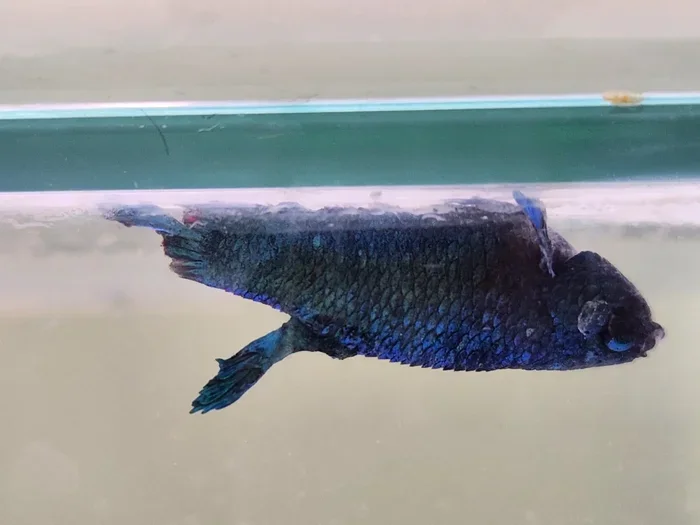
What should I do if my betta fish is lying on its side at the bottom of the tank?
This can be a sign of swim bladder disorder, infection, or severe stress. Test the water immediately, perform a partial water change, and check the temperature. If the fish does not improve within 24 hours, consider consulting a fish health specialist for guidance.
=== CONCLUSION ===
Seeing your betta fish in distress is never easy, but knowledge is your greatest tool. Now that you understand the signs a betta fish is dying, the common causes, and the steps you can take, you are better prepared to protect your fish. Trust your instincts, observe your betta daily, and do not hesitate to take action when something seems off. With proper care and attention, you can give your betta fish a healthy, happy life and avoid the heartbreak of losing a beloved pet.