Is Betta Fish Compatible with Platy Fish
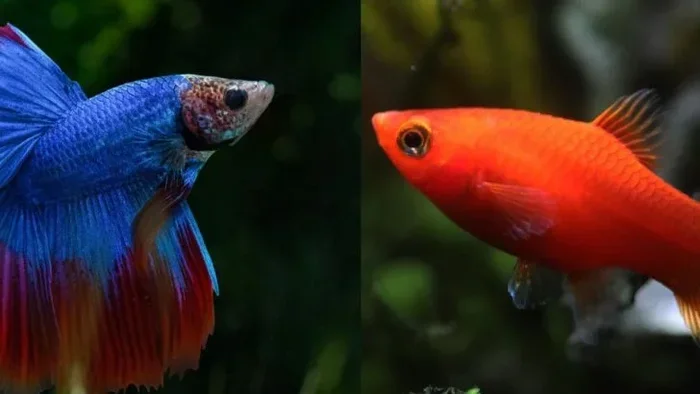
Yes, betta fish can live with platy fish under the right conditions. Both species are peaceful enough to coexist, but success depends on tank size, water parameters, and temperament matching. This guide covers everything you need to know about creating a harmonious betta and platy community tank.
Keeping a betta fish compatible with platy fish setup is one of the most exciting things you can do as a hobbyist. Both species bring vibrant colors and lively energy to a community tank. But the big question every fish keeper asks is: can they really live together? The short answer is yes, but there are important details you need to know first.
Many people assume bettas are too aggressive for any tank mate. That is not always true. Bettas are territorial, but they are not violent by nature. Platy fish, on the other hand, are calm, colorful, and easygoing. When you pair them the right way, they can create a stunning and peaceful aquarium.
In this guide, we will walk you through everything you need to know. From tank setup and water conditions to temperament matching and feeding routines, we have you covered. By the end, you will know exactly how to make a betta and platy community tank work beautifully.
Key Takeaways
- Betta fish and platy fish can coexist: Both species are generally peaceful, making them viable tank mates when paired correctly.
- Tank size matters a lot: A minimum of 20 gallons is recommended to reduce aggression and give each fish enough space.
- Water parameters must align: Bettas and platies thrive in similar temperature and pH ranges, which makes compatibility easier.
- Male bettas are more aggressive: Choose your betta’s gender carefully, as males tend to flare and chase more than females.
- Platy fish are livebearers: They reproduce frequently, so be prepared for baby fish or manage your tank population accordingly.
- Hiding spots reduce stress: Plants, caves, and decorations give both species places to retreat and feel safe.
- Monitor behavior closely: Watch for signs of aggression or stress, especially during the first few weeks of introduction.
📑 Table of Contents
Understanding Betta Fish Temperament
Betta fish, also known as Siamese fighting fish, are beloved for their flowing fins and bright colors. But their reputation as aggressive fighters follows them everywhere. Understanding their true temperament is the first step toward successful tank sharing.
Male vs. Female Betta Behavior
Male bettas are the more colorful and more aggressive of the two genders. They have long, flowing fins and will flare at anything that enters their space. This includes other fish, their own reflection, and even your hand near the glass.
Female bettas tend to be calmer and less territorial. They have shorter fins and a more subdued color palette. If you are planning a betta fish compatible with platy fish setup, a female betta is often the safer choice. She is less likely to chase or nip at your platies.
What Triggers Betta Aggression
Bettas flare up when they feel threatened. Common triggers include:
- Limited swimming space
- Bright lights or loud noises near the tank
- Another fish with bright colors or long fins
- Overcrowding
- Lack of hiding spots
When you understand these triggers, you can design a tank that minimizes stress for everyone. The goal is to make your betta feel secure so it has no reason to be aggressive toward its tank mates.
Meet the Platy Fish
Platy fish belong to the Poeciliidae family and are native to Central and North America. They are livebearers, meaning they give birth to live young rather than laying eggs. Platy fish are popular among beginners and experts alike because they are hardy, colorful, and easy to care for.
Types of Platy Fish
There are three main species of platy fish you will encounter in the aquarium hobby:
- Southern Platy (Xiphophorus maculatus): The most common type. They come in red, orange, yellow, and blue varieties.
- Variable Platy (Xiphophorus variatus): Slightly larger and more active. They have a wider range of color patterns.
- Swordtail Platy (Xiphophorus hellerii): Known for the male’s elongated tail fin. They are peaceful but slightly more active than other platies.
All three types make excellent companions for betta fish when the tank is set up properly. Their peaceful nature and constant swimming behavior add life to any community aquarium.
Why Platy Fish Work Well as Tank Mates
Platy fish are not aggressive. They do not nip fins or chase other fish around the tank. They are mid-dwellers, which means they swim in the middle and upper parts of the aquarium. This is important because bettas prefer the top and middle levels too.
Because platies are so peaceful, they rarely provoke a betta’s territorial instincts. They keep to themselves and mind their own business. This makes them one of the best options if you want a peaceful community tank with your betta.
Setting Up the Perfect Tank for Both Species
Tank setup is where most compatibility problems start. A poorly designed tank will cause stress for both your betta and your platies. Getting the environment right is the foundation of a successful shared aquarium.
Tank Size Requirements
Size matters more than most people think. A small bowl or a 5-gallon tank is not suitable for housing two species together. You need enough space for each fish to claim its own territory without feeling crowded.
Here are the recommended tank sizes:
- 10 gallons: Minimum for one betta and 2-3 platies. This works but leaves little room for error.
- 20 gallons: The sweet spot. Enough space for one betta, 4-5 platies, and plenty of decorations.
- 30 gallons or more: Ideal for a larger community with multiple platies and ample swimming room.
The more space you provide, the less likely aggression will become an issue. A larger tank also makes it easier to maintain stable water conditions.
Water Parameters for Both Species
One of the reasons bettas and platies work so well together is that they share similar water preferences. Here is a quick comparison:
| Parameter | Betta Fish | Platy Fish |
|---|---|---|
| Temperature | 76-82°F (24-28°C) | 70-82°F (21-28°C) |
| pH Level | 6.5-7.5 | 6.8-8.0 |
| Water Hardness | Soft to moderate | Moderate to hard |
| Tank Mates | Peaceful community fish | Peaceful community fish |
As you can see, there is significant overlap in their ideal ranges. A temperature around 78°F and a pH of 7.0 will keep both species happy and healthy.
Decorations and Hiding Spots
Your tank should have plenty of places for each fish to retreat to. Bettas love plants, especially floating ones like java moss or water wisteria. These plants give bettas a sense of security and break up lines of sight between fish.
Platy fish also appreciate dense planting and open swimming areas. You can use a mix of live plants, caves, and driftwood to create a balanced environment. The more natural the setup, the less stressed your fish will be.
Feeding Both Species Together
Feeding a mixed-species tank can be tricky because bettas and platies have different dietary needs. But with a little planning, you can feed both species effectively without overfeeding or underfeeding either one.
What to Feed Your Betta
Bettas are carnivores. They need a diet high in protein. Good options include:
- Betta pellets or flakes (as a staple)
- Frozen or live bloodworms
- Brine shrimp
- Daphnia
Feed your betta 1-2 times a day, giving only what they can eat in 2 minutes. Bettas are prone to overfeeding, which leads to bloating and health problems.
What to Feed Your Platy Fish
Platy fish are omnivores. They eat both plant matter and small protein sources. Good foods for platies include:
- High-quality flake food
- Algae wafers
- Blanched vegetables like zucchini or spinach
- Frozen or live brine shrimp
Platy fish are not picky eaters. They will eat almost anything you offer. This makes feeding them alongside a betta easier because you can share some of the same foods.
Feeding Tips for a Shared Tank
Here are some practical tips to make feeding time work smoothly:
- Feed the betta first: Bettas are slower eaters. Give them their food first so they get enough to eat before the platies rush in.
- Spread food across the tank: Drop pellets near the betta’s area and flakes in the middle and upper sections for the platies.
- Watch for uneaten food: Remove any leftover food after 5 minutes to keep the water clean.
- Use a feeding ring: A feeding ring can help contain food in one area, making it easier for your betta to get its share.
Common Challenges and How to Solve Them
Even with the best setup, challenges can arise when keeping bettas and platies together. Being prepared for these issues will help you respond quickly and keep your fish healthy.
Fin Nipping Behavior
Some platy fish may nip at a betta’s long fins. This is more common with male platies, who can be slightly more active and curious. If you notice fin nipping, try adding more plants and decorations to break up sightlines.
You can also try moving the betta to a different area of the tank temporarily. Sometimes a simple rearrangement of the decorations is enough to reset the tank hierarchy and reduce tension.
Overpopulation from Platy Breeding
Platy fish are prolific breeders. A single female can produce 20-50 babies every few weeks. If you do not want a tank full of baby platies, consider keeping only male platies or only female platies.
If you do want to keep the babies, make sure your tank is large enough to support the growing population. You can also rehome the extras with local fish clubs or fellow hobbyists.
Betta Bullying
Sometimes a betta will bully its tank mates, especially if the tank is too small. Signs of bullying include:
- The betta chasing other fish constantly
- Other fish hiding all the time
- Loss of appetite in the platies
- Visible stress marks on the fish
If bullying occurs, you have a few options. You can add more hiding spots, increase the tank size, or separate the betta into its own tank. The well-being of all your fish should always come first.
When to Separate the Fish
Not every combination will work. If you have tried everything and the fish are still stressed, it is okay to separate them. A betta solo tank with proper enrichment can be just as rewarding as a community setup. There is no shame in giving your betta its own space.
Final Thoughts on Keeping Bettas and Platies Together
So, is betta fish compatible with platy fish? The answer is a qualified yes. With the right tank size, water parameters, and careful observation, these two species can live together in harmony. The key is to understand each fish’s needs and create an environment where both feel safe and comfortable.
Start with a 20-gallon tank or larger, choose a female betta if possible, and add plenty of plants and hiding spots. Feed both species appropriately and watch their behavior closely during the first few weeks. If everything goes well, you will have a beautiful and peaceful community tank that you can enjoy for years to come.
Remember, every fish is an individual. Some bettas are calmer than others, and some platies are more active. Pay attention to your specific fish and adjust your approach as needed. The effort you put in will be worth it when you see your betta and platies swimming together in a thriving, colorful aquarium.
If you are interested in exploring more tank mate options, check out our guide on what fish is compatible with a betta fish for additional ideas. You can also learn more about keeping bettas with other species in our article on can betta fish live with platy fish.
For a broader look at community tank options, our piece on do betta fish get along with each other offers valuable insights into betta behavior in shared spaces.
Frequently Asked Questions
Can a male betta live with platy fish?
Yes, a male betta can live with platy fish, but it requires more caution. Male bettas are more territorial and prone to flaring. A larger tank with plenty of hiding spots and plants is essential. Monitor the betta closely during the first few weeks to ensure it is not stressing the platies out.
How many platy fish can I keep with one betta?
In a 20-gallon tank, you can keep 4-5 platies alongside one betta. Platies are social fish, so keeping a small group is better for their well-being. Just make sure the tank is large enough to give each fish its own space and reduce the chance of territorial disputes.
Do platy fish harass betta fish?
Generally, no. Platy fish are peaceful and rarely harass other fish. However, male platies can sometimes be overly curious and may approach a betta’s fins. This is not usually harmful, but if you notice excessive chasing, adding more plants and decorations can help redirect their attention.
What temperature should I keep a betta and platy tank at?
A temperature between 78°F and 80°F (25-27°C) is ideal for both species. Bettas and platies share a similar temperature range, so maintaining this middle ground keeps everyone comfortable and healthy. Use a reliable aquarium heater and thermometer to keep the temperature stable.
Will platy fish eat betta food?
Yes, platies will eat betta food, but it should not be their sole diet. Betta pellets are high in protein, which platies need in moderation. Supplement their diet with flake food, algae wafers, and blanched vegetables to ensure they get balanced nutrition.
Can I keep baby platies with a betta fish?
Keeping baby platies with a betta is risky. Bettas may see the small fry as food or become irritated by their movement. If you want to raise baby platies, it is best to move them to a separate grow-out tank until they are large enough to coexist safely with adult fish.