Is a Plastic Food Bowl Good for Betta Fish
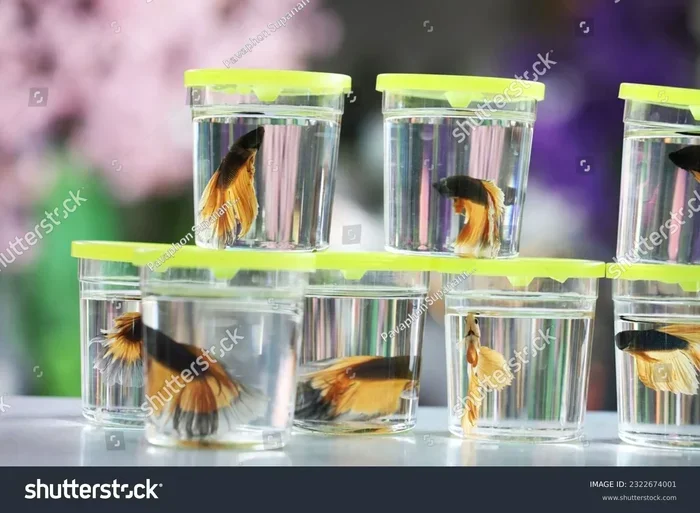
A plastic food bowl can work for betta fish in a pinch, but it comes with real risks. Chemicals from low-quality plastic can leach into the water, and plastic scratches easily, trapping harmful bacteria. Choosing the right material matters more than most fish keepers realize.
Is a plastic food bowl good for betta fish? This is a question many new betta owners ask. The short answer is: it depends. Some plastic bowls work fine for short-term use, but others can cause real problems for your fish.
Betta fish are popular pets. They are colorful, active, and relatively easy to care for. But their health depends heavily on their environment. Even something as simple as a food bowl can affect their well-being. Let us break down everything you need to know.
## Why Your Betta Fish Needs a Proper Food Bowl
Feeding your betta fish the right way starts with the right bowl. A proper food bowl keeps their meals contained and makes feeding time easier for you. But the wrong bowl can introduce harmful substances into the water.
### The Role of the Food Bowl in Betta Care
A food bowl does more than just hold pellets or flakes. It keeps the feeding area clean and controlled. When you drop food into a tank without a bowl, it floats around and gets stuck in filters or decorations. This wastes food and clouds the water.
A dedicated food bowl helps you measure portions. It also gives your betta a clear spot to eat. Over time, this routine reduces stress and makes feeding more efficient.
### How Bowl Material Affects Water Quality
The material of your bowl directly impacts water quality. Plastic can leach chemicals, especially when exposed to warm water. Betta fish thrive in water between 76 and 82 degrees Fahrenheit. Warm water speeds up chemical leaching from cheap plastics.
This is why many experienced fish keepers avoid plastic altogether. They prefer glass or ceramic. These materials are inert, meaning they do not release harmful substances. If you want to keep your betta fish healthy, the bowl you choose really matters.
## The Pros and Cons of Plastic Food Bowls
Plastic bowls are cheap and easy to find. That is why so many people start with them. But there are clear downsides you should know about before you buy.
### Benefits of Using a Plastic Bowl
Let us be fair. Plastic bowls do have some advantages. Here are the main benefits:
- Affordable: Plastic bowls cost much less than glass or ceramic options.
- Lightweight: They are easy to move and clean.
- Break-resistant: You do not have to worry about dropping and shattering them.
- Widely available: You can find them at almost any pet store or online.
- Portable: Great for travel or temporary setups.
### Drawbacks You Need to Know
Now for the downsides. These are the reasons most experts recommend avoiding plastic:
- Chemical leaching: Low-quality plastics release toxins into warm water.
- Scratches harbor bacteria: Scratches create tiny grooves where harmful bacteria grow.
- Discoloration over time: Cloudy or stained plastic looks unappealing and may signal degradation.
- Not durable long-term: Plastic becomes brittle and cracks after months of use.
- Potential for odor: Old plastic bowls can develop a stubborn smell that is hard to remove.
### Quick Tips: Choosing a Plastic Bowl If You Must
If you decide to use a plastic bowl anyway, follow these tips to reduce risk:
- Choose BPA-free and food-grade plastic only.
- Replace the bowl every few months.
- Inspect it regularly for scratches and cracks.
- Wash it thoroughly with warm water and mild soap.
- Never use a plastic bowl that has held non-food items before.
## Plastic vs Glass vs Ceramic: Which Is Best?
The material debate is one of the most discussed topics in betta fish care. Each option has its strengths. Let us compare them side by side.
### Plastic Bowls
Plastic is the budget-friendly choice. It is light and won’t break if you drop it. But it scratches easily and can leach chemicals. For short-term or temporary use, plastic is okay. For a long-term setup, it falls short.
### Glass Bowls
Glass is the gold standard for many fish keepers. It is non-toxic, easy to clean, and does not scratch easily. Glass bowls come in many sizes and shapes. The main downside is that they can break if you are not careful.
### Ceramic Bowls
Ceramic bowls are heavy and sturdy. They do not scratch or leach chemicals. Many ceramic bowls are also designed to look attractive. The downside is that they are heavier and can chip if dropped.
### Comparison Table
| Feature | Plastic | Glass | Ceramic |
|---|---|---|---|
| Price | Low | Medium | Medium to High |
| Durability | Low | Medium | High |
| Safety | Low to Medium | High | High |
| Ease of Cleaning | Medium | High | High |
| Break Risk | Low | High | Medium |
| Lifespan | Short | Long | Long |
### Expert Insight
Most aquarium experts agree that glass or ceramic is the safer choice. If you are setting up a permanent home for your betta, skip the plastic. Your fish will thank you with better health and longer life.
## Common Mistakes People Make With Plastic Bowls
Even well-meaning betta owners make mistakes. Here are the most common ones to avoid.
### Using Cheap, Unverified Plastic
Not all plastic is created equal. Cheap plastics from unknown brands may contain BPA or other harmful chemicals. Always check the label. Look for food-grade or BPA-free markings.
### Ignoring Scratches and Wear
A scratched plastic bowl is a breeding ground for bacteria. Over time, tiny scratches collect food particles and waste. You cannot fully clean them out, even with scrubbing. If your bowl looks scratched, it is time to replace it.
### Overfeeding in a Small Bowl
A small plastic bowl makes it easy to overfeed. Leftover food sinks to the bottom and decays. This raises ammonia levels quickly. Ammonia is toxic to betta fish and can cause serious health problems.
### Skipping Regular Cleaning
Some people think plastic bowls are disposable. They use them for weeks without a proper cleaning. This is a mistake. Any bowl, plastic or otherwise, needs regular cleaning to keep your betta healthy.
## How to Keep a Plastic Bowl Safe for Your Betta
If you are committed to using a plastic bowl, there are steps you can take to minimize risk.
### Choose the Right Size
A good plastic bowl for a betta fish should be at least 1 to 2 gallons in size. Larger bowls give your fish more room and dilute waste more effectively. A wide, shallow shape works best because it allows easy access to food.
### Clean It the Right Way
Never use harsh chemicals to clean a plastic bowl. Stick to warm water and a soft brush. Avoid abrasive sponges that create new scratches. Rinse the bowl thoroughly before adding water.
### Monitor Water Quality
Plastic bowls do not have filtration systems. This means you need to monitor water quality closely. Test the water regularly for ammonia, nitrite, and nitrate levels. If you notice any changes, do a partial water change right away.
### Link to Related Care Tips
If you want to learn more about keeping your betta healthy, check out our guide on choosing a good filter for your betta fish. A proper filter can make a huge difference in water quality. You might also want to read about the best food for betta fish to ensure you are feeding them a balanced diet. And if you are curious about other container options, our article on whether betta fish can live in a plastic bowl covers this topic in more detail.
## When to Upgrade From a Plastic Bowl
A plastic bowl can work as a temporary solution. But it is not ideal for long-term betta care. Here are signs that it is time to upgrade.
– Your bowl has visible scratches or cloudiness.
– You notice your betta fish acting differently after meals.
– The water gets cloudy faster than usual.
– You have had the same bowl for more than six months.
– You want to set up a proper tank with filtration.
Upgrading to a glass or ceramic bowl is a simple step. It shows your commitment to your betta fish’s health and happiness.
## Final Thoughts
So, is a plastic food bowl good for betta fish? The honest answer is that it is not the best choice. Plastic bowls are convenient and affordable, but they come with real risks. Chemicals, bacteria, and wear can all affect your fish over time.
If you are just starting out, a plastic bowl can work temporarily. But we strongly recommend upgrading to glass or ceramic as soon as possible. Your betta fish deserves a safe, clean, and healthy environment.
Small choices like the food bowl you use can have a big impact. Make the smart choice today, and your betta fish will live a longer, happier life.
Key Takeaways
- Plastic bowls pose risks: Chemicals and scratches can harm your betta fish over time.
- Not all plastic is equal: Food-grade and BPA-free plastics are safer than cheap alternatives.
- Glass and ceramic are better long-term choices: They are easier to clean and safer for your fish.
- Size and shape matter: A wide, shallow bowl helps your betta eat comfortably.
- Cleaning habits count: No bowl stays safe if you skip regular cleaning.
- Watch for warning signs: Cloudy water or changes in your betta’s behavior signal a problem.
Frequently Asked Questions
Can betta fish eat from a plastic bowl safely?
Yes, in the short term. But long-term use of a plastic bowl can expose your betta to chemicals and bacteria from scratches. It is safer to switch to glass or ceramic for regular feeding.
What type of plastic is safe for a betta fish food bowl?
Look for BPA-free, food-grade plastic. These are the safest options. Even with safe plastic, you should replace the bowl regularly and inspect it for damage.
How often should I clean a plastic food bowl for my betta fish?
You should clean the bowl after every feeding. Leftover food decays quickly in plastic and can pollute the water. A quick rinse with warm water works best.
Is a plastic bowl okay for a baby betta fish?
A plastic bowl is not ideal for baby betta fish either. Young bettas are more sensitive to water quality changes. Glass or ceramic bowls provide a safer environment for fry and juveniles.
What size plastic bowl is best for a betta fish?
Aim for at least 1 to 2 gallons. A wider, shallower shape is better because it gives your betta easy access to food and allows waste to dilute more effectively.
Are there any alternatives to plastic bowls for feeding betta fish?
Yes. Glass and ceramic bowls are the best alternatives. They are non-toxic, easy to clean, and much safer for long-term use. You can also use a small feeding dish designed specifically for aquarium use.