How.long Do.betta Fish Live
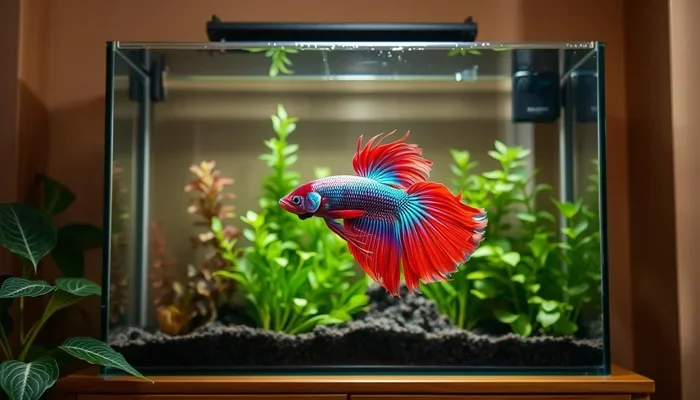
How long do betta fish live? On average, betta fish live between 3 and 5 years, but with proper care, some can reach 7 years or more. The key factors that influence betta fish lifespan include tank size, water quality, diet, temperature, and stress levels. This guide covers everything you need to know to give your betta the longest, healthiest life possible.
If you own a betta fish or are thinking about getting one, you probably want to know how long do betta fish live. The answer is not as simple as a single number. A betta fish lifespan depends on many factors, from the tank setup to the food you feed. Understanding these factors can mean the difference between a betta that lives just two years and one that thrives for seven or more.
Betta fish, also known as Siamese fighting fish, are among the most popular freshwater aquarium fish in the world. Their vibrant colors and flowing fins make them stand out. But beauty alone does not guarantee a long life. Many bettas die early because their owners do not know what they need. This article will walk you through everything that affects betta fish lifespan and give you actionable steps to maximize your fish’s years.
Whether you are a beginner or a seasoned aquarist, the tips here will help you create a better home for your betta. Let us dive in and explore the factors that determine how long your betta fish will live.
Key Takeaways
- Average lifespan: Betta fish typically live 3 to 5 years with good care.
- Tank size matters: A proper tank setup significantly extends how long do betta fish live.
- Water quality is critical: Regular water changes and stable parameters keep bettas healthy.
- Diet affects longevity: A varied, high-quality diet prevents common health problems.
- Stress shortens life: Avoiding overcrowding and aggressive tank mates helps bettas thrive.
- Female bettas can live longer: Proper conditions sometimes give female betta fish an edge in lifespan.
- Wild vs. captive: Betta fish in the wild face shorter lives due to environmental challenges.
📑 Table of Contents
How Long Do Betta Fish Live on Average?
Most betta fish live between 3 and 5 years in captivity. However, this is just an average. Some bettas pass away at 1 or 2 years, while others surprise their owners by living well past 5. The record for the oldest betta fish is around 9 to 10 years, though this is rare.
When people ask how long do betta fish live, they usually want a number they can count on. The honest answer is that it depends on you. The care you provide day to day has a huge impact. A betta in a small bowl with no filter may only survive 1 to 2 years. A betta in a well-maintained 5-gallon tank with stable water conditions can easily reach 4 to 5 years.
Why Some Betta Fish Live Longer Than Others
You might wonder why two betta fish can have such different lifespans. The reasons come down to environment, genetics, and care habits. Here are the main factors:
- Tank size and setup: A larger tank with a filter and heater gives bettas a stable environment.
- Water quality: Clean, toxin-free water reduces stress and prevents disease.
- Diet quality: Nutritious food supports growth, immunity, and overall health.
- Genetics: Some bettas are simply bred from stronger lines.
- Stress levels: A peaceful environment without aggressive tank mates helps bettas stay healthy.
Each of these plays a role. Even one poor factor can shorten a betta’s life. But when you get several right, you stack the odds in your favor.
Factors That Affect Betta Fish Lifespan
Now let us look at each factor in detail. Understanding why these things matter will help you make better decisions for your fish.
Tank Size and Habitat
The tank you choose has a direct effect on how long do betta fish live. Many beginners start with a tiny bowl or a 1-gallon jar. This is a common mistake. A small volume of water changes temperature and chemistry very fast. Ammonia spikes happen quickly in tiny tanks, and bettas are very sensitive to ammonia.
A 5-gallon tank is the minimum recommended size for a single betta. If you can go larger, a 10-gallon tank gives even more stability. In a properly sized tank, you can add a filter and a heater. These tools keep the water clean and at a steady temperature, which is essential for betta health.
When comparing setups, the difference is clear:
- Bowl or vase (under 1 gallon): High stress, frequent water changes needed, short lifespan of 1 to 2 years.
- 5-gallon tank: Stable water parameters, room for swimming, lifespan of 3 to 5 years.
- 10-gallon tank or larger: Best stability, room for plants and enrichment, potential for 5 to 7+ years.
Notice the pattern. Bigger tanks lead to longer lives. This is one of the easiest ways to improve your betta’s outlook.
Water Quality and Maintenance
Clean water is the foundation of a long betta fish lifespan. In the wild, bettas live in rice paddies and slow-moving streams. These environments have fresh, oxygen-rich water. In a home aquarium, you must replicate this as closely as possible.
Here is what good water maintenance looks like:
- Test the water weekly for ammonia, nitrite, and nitrate levels.
- Perform a 25 to 30 percent water change every week.
- Use a water conditioner to remove chlorine and chloramine from tap water.
- Keep the temperature between 76 and 82 degrees Fahrenheit.
- Maintain a pH level between 6.5 and 7.5.
Skipping water changes is one of the fastest ways to shorten a betta’s life. Toxins build up fast, and bettas show signs of stress through faded colors, clamped fins, and loss of appetite.
Diet and Nutrition
What you feed your betta matters more than most people realize. A poor diet leads to malnutrition, bloated stomachs, and a weakened immune system. All of these can cut a betta’s life short.
Betta fish are carnivores. They need protein-rich food. High-quality betta pellets should form the base of their diet. But you should also offer variety. Live or frozen foods like brine shrimp, bloodworms, and daphnia are excellent treats. They mimic what bettas eat in their natural habitat and provide essential nutrients.
Feeding tips for a longer life include:
- Feed small amounts 2 times a day, not one large meal.
- Skip one feeding day per week to allow the digestive system to rest.
- Avoid overfeeding, which leads to obesity and swim bladder issues.
- Rotate between pellets, frozen foods, and occasional live foods.
A well-fed betta with a balanced diet will have better color, more energy, and a stronger immune system. These all contribute to a longer life.
Temperature and Water Parameters
Betta fish are tropical fish. They need warm water to stay healthy. Cold water slows their metabolism and makes them vulnerable to illness. A heater is not optional for bettas, even though some pet stores sell them in unheated cups.
The ideal temperature range for bettas is 76 to 82 degrees Fahrenheit. Below 74 degrees, a betta becomes sluggish and prone to diseases like ich and fin rot. Above 86 degrees, the oxygen level in the water drops, which also causes stress.
An aquarium thermometer is a cheap and essential tool. Check it daily. A stable temperature matters just as much as the right range. Sudden swings in temperature are more dangerous than a slightly off but steady temperature.
Stress and Environment
Stress is a silent killer in betta fish. A stressed betta has a weakened immune system, making it easy for diseases to take hold. Common stressors include bright lights, loud noises, aggressive tank mates, and cramped spaces.
To keep your betta calm and healthy:
- Place the tank in a quiet area away from direct sunlight and speakers.
- Use soft, dim lighting or live plants to create natural shade.
- Avoid housing bettas with aggressive fish like cichlids or fin-nippers.
- Provide hiding spots with plants and decorations.
- Keep the tank routine consistent, as bettas thrive on predictability.
A calm betta is a healthy betta. When stress is minimized, the body can focus on growth, immunity, and longevity.
How Long Do Betta Fish Live in Different Environments?
The environment plays a huge role in determining how long do betta fish live. Let us compare a few common scenarios.
Betta Fish in a 5-Gallon Tank
A 5-gallon tank is the sweet spot for most single bettas. It is large enough to maintain stable water parameters but small enough to manage easily. In a well-maintained 5-gallon tank, bettas commonly live 4 to 5 years. Adding live plants and a gentle filter can push that even further.
For more specific guidance on tank size and lifespan, check out our article on how long do betta fish live in a 5 gallon tank.
Betta Fish in the Wild
In the wild, bettas face many dangers. Predators, pollution, drought, and competition for territory all take a toll. Wild bettas rarely live as long as their captive counterparts. Most survive only 2 to 3 years in their natural habitat. The harsh reality of the wild means that even strong genetics cannot always overcome environmental threats.
To learn more about wild betta lifespans, read our piece on how long do betta fish live in the wild.
Female Betta Fish Lifespan
Female betta fish often live slightly longer than males. This is partly because females are generally hardier and less prone to the fin damage and stress that comes with aggression and display behaviors. With excellent care, a female betta can reach 5 to 7 years.
If you are interested in keeping female bettas, our guide on how long do female betta fish live has more detailed information.
Common Mistakes That Shorten Betta Fish Lifespan
Knowing what to avoid is just as important as knowing what to do. Here are the most common mistakes that cut a betta’s life short.
Keeping Betta Fish in Tiny Bowls
This is the number one mistake. A tiny bowl with no filter or heater is a death sentence for most bettas. The water fouls quickly, temperatures swing wildly, and the fish has no room to swim. Many people buy bettas from pet stores in small cups and keep them there. This is not a proper home.
Overfeeding
Betta fish have small stomachs. Overfeeding causes bloating, constipation, and swim bladder disorder. Uneaten food also decays in the water, spiking ammonia levels. Feed only what your betta can eat in 2 minutes, twice a day.
Ignoring Water Changes
Some owners think a filter alone keeps the water clean. Filters remove debris and process ammonia, but they do not remove nitrates. Regular water changes are essential to keep nitrate levels low and the environment healthy.
Housing Betta Fish with Aggressive Tank Mates
Male bettas are territorial. Housing them with other aggressive fish leads to fighting, fin damage, and chronic stress. Even peaceful fish may nip at a betta’s long fins. Choose tank mates carefully or keep bettas alone.
Neglecting Signs of Illness
Betta fish hide illness until it becomes serious. By the time you notice white spots, torn fins, or lethargy, the disease may already be advanced. Regular observation and quick treatment can save a betta’s life.
How to Help Your Betta Fish Live Longer
If you want to push your betta past the average lifespan, focus on these proven strategies. Each one is simple but effective.
1. Set Up a Proper Tank from Day One
Do not wait until problems appear. Start with a 5-gallon or larger tank, a gentle filter, and a reliable heater. Add live plants like java moss or anubias. These create a natural environment that reduces stress and supports beneficial bacteria.
2. Establish a Consistent Care Routine
Consistency is key. Feed at the same times each day. Perform water changes on a schedule. Test water parameters weekly. A routine helps you catch problems early before they become life-threatening.
3. Provide Mental Stimulation
Betta fish are curious. They enjoy exploring planted tanks, investigating decorations, and watching the world outside their tank. A stimulating environment keeps them active and engaged, which supports both physical and mental health.
4. Monitor Health Daily
Spend a few minutes each day watching your betta. Look for changes in color, appetite, swimming behavior, and fin condition. Early detection of problems gives you the best chance of successful treatment.
5. Learn About Common Betta Diseases
Knowing the signs of common illnesses like fin rot, ich, and velvet helps you act fast. Keep a basic fish first-aid kit on hand with medications for bacterial infections and parasites. Quick action can mean the difference between a full recovery and a shortened life.
For tips on handling illness and recovery, you might also find our article on how long to quarantine your betta fish after treatment helpful.
Conclusion
How long do betta fish live depends largely on the care you provide. With a proper tank, clean water, a nutritious diet, and a stress-free environment, your betta can live 4 to 5 years or even longer. The small steps you take every day, from water changes to feeding schedules, add up to a big impact on your fish’s quality and length of life.
Remember that every betta is different. Genetics play a role, but your choices as an owner play an even bigger one. Do not settle for the bare minimum. Give your betta the best possible home, and you will be rewarded with a vibrant, lively companion for years to come. Start applying these tips today, and watch your betta thrive.
Frequently Asked Questions
Can betta fish live for 10 years?
Most betta fish live between 3 and 5 years. A lifespan of 10 years is extremely rare and not well documented. With the best possible care, some bettas may reach 7 to 8 years, but 10 years would be exceptional. Focus on providing excellent daily care rather than chasing a record-breaking lifespan.
Why did my betta fish die so quickly?
Betta fish often die quickly when kept in poor conditions. Tiny bowls, unfiltered water, incorrect temperatures, and overfeeding are the most common causes. Stress from aggressive tank mates and untreated diseases also shorten lives significantly. If you provide a proper 5-gallon tank with stable water, your betta has a much better chance of living a full lifespan.
Do male and female betta fish live the same amount of time?
Female betta fish tend to live slightly longer than males, often by a few months to a year. Females are generally hardier and less prone to stress-related issues. However, both sexes can live long, healthy lives with proper care, good water quality, and a nutritious diet.
Does tank size really affect how long betta fish live?
Yes, tank size has a significant impact. A larger tank provides more stable water parameters, which reduces stress and disease risk. A 5-gallon tank or larger is recommended for bettas. Small bowls and vials lead to rapid toxin buildup and temperature swings, both of which shorten a betta’s life.
What is the oldest recorded betta fish age?
The oldest betta fish on record lived to approximately 9 or 10 years old. This is extremely rare and required near-perfect care consistently over many years. Most bettas live 3 to 5 years. While the record is impressive, it should not be the goal. Focus on giving your betta the best care you can rather than trying to break records.
How can I tell if my betta fish is aging?
Signs of aging in betta fish include faded colors, slower swimming, increased sleep, and reduced appetite. Fins may become ragged over time as well. These changes are natural. You can support an aging betta by offering easy-to-eat foods, keeping the water warm and clean, and minimizing stress in the tank.