How.long.do Betta Fish Live
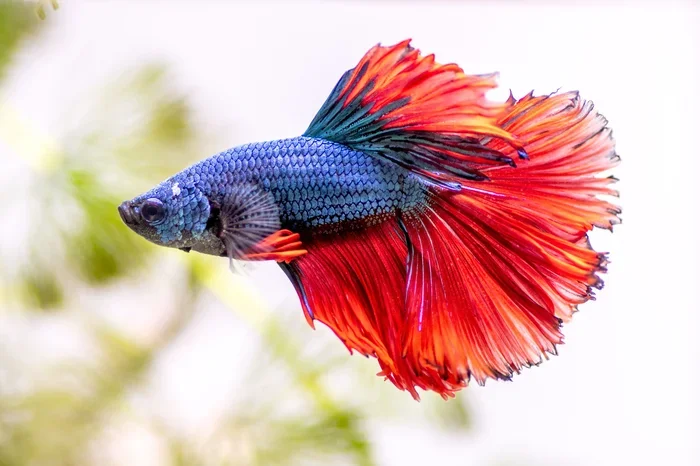
How long do betta fish live? On average, betta fish live between 3 and 5 years, but with the right care, some can reach 7 years or more. Tank size, water quality, diet, and stress levels all play a huge role in determining your betta’s lifespan. This guide covers everything you need to know to help your betta fish thrive.
Have you ever wondered how long do betta fish live? It is a question every betta owner should know the answer to. Whether you just brought home your first betta or you have been caring for these beautiful fish for years, understanding their lifespan helps you give them the best life possible.
Betta fish, also known as Siamese fighting fish, are popular pets around the world. They come in stunning colors and flowing fins that make them stand out in any room. But behind their beauty lies a fragile creature that needs proper care to thrive. The average betta fish lifespan ranges from 3 to 5 years. However, some dedicated owners report their bettas living up to 7 years or even longer.
So what separates a betta that lives 3 years from one that lives 7? It all comes down to habitat, diet, water conditions, and overall care. In this article, we will break down everything you need to know about betta fish longevity. You will learn the factors that affect their lifespan, common mistakes to avoid, and actionable tips to help your fish live a long and happy life.
Key Takeaways
- Average lifespan: Most betta fish live 3 to 5 years with proper care.
- Tank size matters: A 5-gallon tank or larger significantly improves betta health and longevity.
- Water quality is critical: Clean, properly heated water prevents disease and stress.
- Diet affects longevity: A varied, high-quality diet keeps bettas healthy and active.
- Stress shortens life: Avoid overcrowding, aggressive tankmates, and poor conditions.
- Female bettas may live slightly longer: With proper care, females sometimes outlive males.
- Wild bettas live shorter lives: Habitat conditions in the wild impact their overall lifespan.
📑 Table of Contents
- Understanding Betta Fish Lifespan
- Male vs Female Betta Fish Lifespan
- How Tank Setup Impacts Betta Fish Lifespan
- Diet and Nutrition for a Longer Life
- Common Mistakes That Shorten Betta Fish Lifespan
- Signs of Aging in Betta Fish
- How Long Do Betta Fish Live in the Wild?
- Tips to Help Your Betta Fish Live Longer
- Final Thoughts
Understanding Betta Fish Lifespan
The how long do betta fish live question does not have a single simple answer. Many factors come into play. Let us explore what science and experience tell us about betta fish lifespan.
Average Lifespan of Betta Fish
Most betta fish live between 3 and 5 years. This is the general range you will see in most care guides. But keep in mind that this number depends heavily on where your betta came from and how it has been cared for.
Pet store bettas often have a shorter starting lifespan. Many arrive already stressed or malnourished. If you buy a healthy betta from a reputable source and provide excellent care, you give it the best chance at reaching its full potential.
Factors That Affect Betta Fish Longevity
Several key factors determine how long your betta will live. Let us look at each one closely.
Tank Size: One of the biggest mistakes new owners make is keeping their betta in a tiny bowl. A betta fish living in a 5-gallon tank or larger has a much better chance of thriving. Small bowls lead to poor water quality, which causes stress and disease. If you want your betta to live a long life, invest in a proper tank.
Water Quality: Betta fish are sensitive to ammonia, nitrite, and nitrate buildup. Regular water changes and proper filtration are essential. Clean water reduces stress and keeps your betta’s immune system strong.
Water Temperature: Bettas are tropical fish. They need warm water between 76 and 82 degrees Fahrenheit. Cold water slows their metabolism and makes them vulnerable to illness. A reliable aquarium heater is a must.
Diet and Nutrition: What you feed your betta directly impacts its health. A varied diet of high-quality pellets, frozen bloodworms, and brine shrimp keeps your fish nourished. Overfeeding is a common mistake that can shorten your betta’s life.
Stress Levels: Stress weakens the immune system. Aggressive tankmates, bright lights, loud noises, and cramped spaces all cause stress. A calm, well-planned environment helps your betta stay healthy for years.
Male vs Female Betta Fish Lifespan
Many people ask whether male or female bettas live longer. The answer is not always clear-cut, but there are some general trends worth noting.
Male betta fish tend to be the ones people keep as pets. They have the most vibrant colors and long, flowing fins. Because of their beauty, they receive a lot of attention in the hobby. However, their striking appearance sometimes comes with trade-offs. Males are more prone to fin rot and other conditions related to their elaborate fins.
Female betta fish often have slightly shorter fins and less vivid colors. But they tend to be hardier in some cases. Female bettas may live slightly longer on average, though the difference is usually small. Both sexes can live 3 to 5 years or more with proper care.
If you want detailed information on this topic, check out our guide on how long female betta fish live for more specific insights.
How Tank Setup Impacts Betta Fish Lifespan
The environment you create for your betta plays a huge role in its longevity. A well-designed tank mimics the betta’s natural habitat and reduces stress.
Ideal Tank Size for Longevity
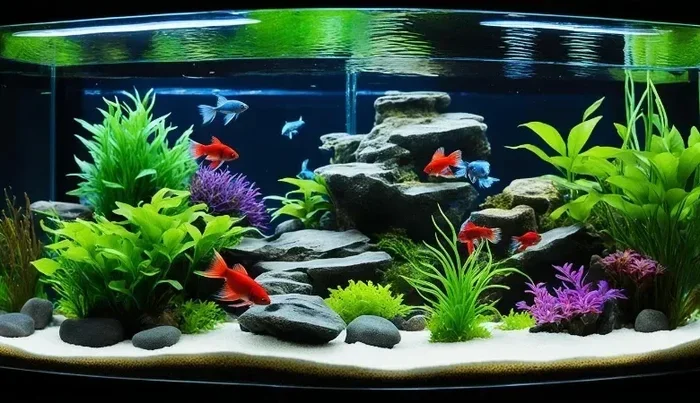
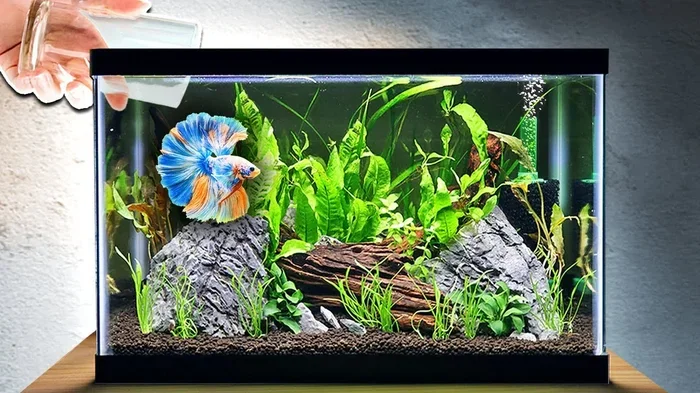
Many people still believe bettas can live happily in tiny cups or bowls. This is a myth. Bettas need space to swim and explore. A 5-gallon tank is the minimum recommended size. Larger tanks, such as 10 or 20 gallons, provide even more stability in water parameters.
In a larger tank, toxins dilute more effectively. This means fewer water changes are needed to maintain quality. Your betta also has more room to exercise, which keeps it physically fit and mentally stimulated.
For more details on tank size and its effect on betta health, read our article on how long betta fish live in a 5 gallon tank.
Water Parameters and Filtration
Keeping your water parameters stable is one of the most important things you can do. Here are the ideal ranges for a betta tank:
- Temperature: 76 to 82 degrees Fahrenheit
- pH: 6.5 to 7.5
- Ammonia: 0 ppm
- Nitrite: 0 ppm
- Nitrate: Under 20 ppm
A gentle filter helps maintain these parameters. Bettas prefer slow water flow because their long fins make them weak swimmers. Sponge filters work great for betta tanks. They provide mechanical and biological filtration without creating a strong current.
Plants and Decorations
Adding live or silk plants to your betta tank gives it places to hide and rest. Bettas love exploring and resting on broad leaves. Avoid sharp plastic decorations that can tear their delicate fins. Natural decorations like driftwood and smooth rocks create a beautiful and safe environment.
Diet and Nutrition for a Longer Life
Feeding your betta the right food is one of the simplest ways to extend its lifespan. A balanced diet supports growth, immunity, and vibrant color.
Best Foods for Betta Fish
Betta fish are carnivores. They need protein-rich food to stay healthy. Here are the best food options:
- High-quality betta pellets: Look for pellets with fish meal as the first ingredient. These provide balanced nutrition.
- Frozen bloodworms: A favorite treat that adds variety and protein.
- Brine shrimp: Great for conditioning and feeding bettas of all ages.
- Daphnia: A natural food that aids digestion.
- Freeze-dried foods: Convenient and nutritious when used as a supplement.
Feeding Schedule and Portions
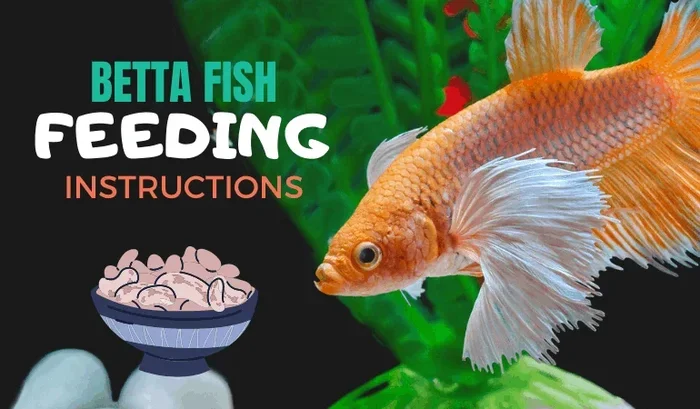
Overfeeding is one of the fastest ways to shorten your betta’s life. Excess food rots in the tank and pollutes the water. Feed your betta 2 to 3 pellets twice a day. Skip one feeding day per week to help your fish digest any remaining food.
If you want to learn more about fasting and how long bettas can go without food, see our guide on how long betta fish can live without food.
Common Mistakes That Shorten Betta Fish Lifespan
Many betta fish die prematurely because of preventable mistakes. Understanding these pitfalls helps you avoid them.
Keeping Bettas in Tiny Bowls
This is the number one mistake. Tiny bowls lack filtration, heat, and space. The water quality deteriorates quickly, stressing your fish. A betta kept in a bowl may only live 1 to 2 years instead of its full potential.
Ignoring Water Changes
Even with a filter, you need regular water changes. Aim for a 25 to 30 percent water change every week. This removes built-up toxins and keeps your betta healthy.
Overcrowding the Tank
Bettas are solitary fish. They do not need tankmates, and many species will bother them. Keeping your betta alone in its own tank is often the safest choice. If you do add companions, choose peaceful, small species that do not nip at betta fins.
Skipping Quarantine
New fish or plants can introduce diseases to your tank. Always quarantine new additions for at least two weeks. This simple step protects your betta from parasites and infections.
For more on quarantine practices, check out how long to quarantine your betta fish after treatment.
Signs of Aging in Betta Fish
As bettas age, you may notice changes in their behavior and appearance. Recognizing these signs helps you adjust their care accordingly.
- Faded colors: Older bettas may lose some of their vibrant hues.
- Reduced activity: Aging fish often swim less and rest more.
- Frayed fins: Fin damage becomes more common as bettas get older.
- Decreased appetite: Some older bettas eat less than they used to.
- White spots or patches: These can indicate aging or minor health issues.
If you notice any of these signs, do not panic. Adjust their care routine and monitor their health closely. Regular water testing and a consistent feeding schedule go a long way in supporting an aging betta.
How Long Do Betta Fish Live in the Wild?
Wild bettas face very different conditions than pet bettas. In their natural habitat in Southeast Asia, bettas live in shallow rice paddies, streams, and ponds. These environments change dramatically with the seasons.
Wild betta fish typically live shorter lives than their captive counterparts. Habitat loss, pollution, predation, and seasonal droughts all take a toll. Wild bettas may live only 1 to 2 years on average. This makes captive care even more valuable, as a well-cared-for pet betta can far outlive its wild relatives.
For a deeper dive into this topic, read our article on how long betta fish live in the wild.
Tips to Help Your Betta Fish Live Longer
Want to give your betta the best shot at a long, healthy life? Follow these practical tips every day.
- Keep the tank clean: Perform regular water changes and vacuum the substrate.
- Use a heater: Maintain a stable temperature between 76 and 82 degrees Fahrenheit.
- Feed a varied diet: Rotate between pellets, frozen foods, and live foods.
- Avoid overfeeding: Feed small portions and remove uneaten food after 2 minutes.
- Provide enrichment: Add plants, caves, and gentle decorations for stimulation.
- Monitor water parameters: Test your water weekly for ammonia, nitrite, and nitrate.
- Keep stress low: Avoid sudden changes in light, noise, and tank layout.
- Observe your fish daily: Early detection of illness leads to faster treatment.
Consistency is the secret ingredient. Bettas thrive on routine. When you provide stable conditions, your fish rewards you with years of companionship.
Final Thoughts
The answer to how long do betta fish live depends largely on you. With the right tank, clean water, proper diet, and a low-stress environment, your betta can live a full and happy life. Most bettas reach 3 to 5 years, and some even surpass 7 years with excellent care.
Remember that every betta is different. Genetics, starting health, and the care you provide all shape your fish’s lifespan. Focus on what you can control, and give your betta the best possible home. Your efforts will pay off in the form of a healthy, vibrant companion that brings joy to your life for years to come.
If you enjoyed this guide and want to learn more about betta care, explore our other articles on betta fish lifespan and health. A well-informed owner is the greatest asset any betta fish can have.
Frequently Asked Questions
How long do betta fish live on average?
Most betta fish live between 3 and 5 years on average. With excellent care, some bettas reach 7 years or more. The key factors include tank size, water quality, diet, and stress levels.
Can betta fish live longer than 5 years?
Yes, betta fish can live longer than 5 years. Many dedicated owners report their bettas living 6 to 7 years. Providing a proper tank, clean water, and a nutritious diet increases the chances of reaching this milestone.
What is the longest a betta fish has ever lived?
The longest recorded betta fish lifespan is around 9 to 10 years in exceptional cases. These rare instances involve outstanding care, optimal tank conditions, and a healthy diet from the very start.
Do male and female betta fish live the same amount of time?
Male and female bettas have similar lifespans, typically 3 to 5 years. Some evidence suggests female bettas may live slightly longer on average, but the difference is usually small. Both sexes benefit greatly from proper care.
Does tank size really affect how long betta fish live?
Yes, tank size has a significant impact. A 5-gallon tank or larger provides stable water parameters and room to swim. Small bowls lead to poor water quality, stress, and disease, all of which shorten your betta’s lifespan.
What can I do to make my betta fish live longer?
To help your betta live longer, keep the water clean and warm, feed a varied diet, avoid overfeeding, and reduce stress. Regular water changes, proper filtration, and daily observation are simple steps that make a big difference.