How to Treat Betta Fish Velvet
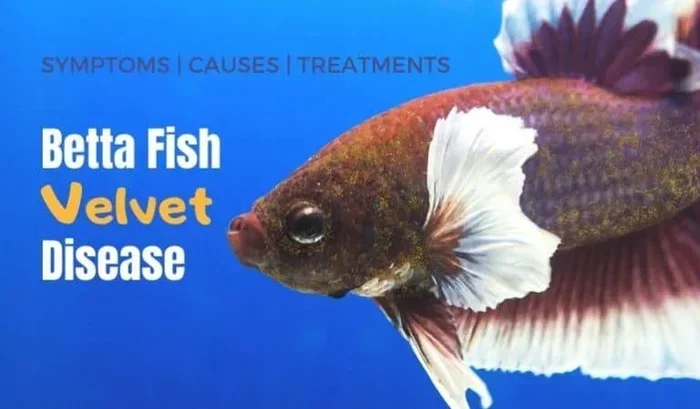
Betta fish velvet is a serious parasitic disease caused by Piscinoodinium, a tiny organism that coats your fish in a gold or rust-colored dust. This guide walks you through identifying velvet early, choosing the right treatment, and nursing your betta back to full health. Whether you are a beginner or experienced aquarist, you will find practical steps to fight this stubborn infection.
Betta fish velvet is one of the most alarming diseases a fish keeper can face. You look at your beautiful betta one morning and notice a fine, gold or rust-colored dust covering its body. That dusty coating is not just a cosmetic issue. It is a parasitic infection that can turn deadly fast if you do not act quickly.
This guide gives you everything you need to know about how to treat betta fish velvet at home. We cover the symptoms to watch for, the root causes behind velvet outbreaks, and the most effective treatment methods available today. By the end, you will feel confident and ready to tackle velvet head-on.
Velvet disease (also called gold dust disease or rust disease) is caused by a parasitic organism named Piscinoodinium. This microscopic creature attaches itself to your betta’s skin, fins, and gills. It feeds on the fish’s cells and fluids, creating that signature dusty appearance. Velvet spreads fast in crowded or poorly maintained tanks, which is why quick action matters so much.
Key Takeaways
- Early detection saves lives: Catching velvet disease in its first stages makes treatment much easier and more effective.
- Copper-based medications work best: Formalin and copper-based treatments are the go-to solutions for killing the velvet parasite.
- Raise the water temperature: Warming the tank to 82-86°F speeds up the parasite’s life cycle and makes medication more effective.
- Darken the tank: Reducing light helps your betta rest and recover while disrupting the parasite’s photosynthesis.
- Quarantine is essential: Isolating infected fish prevents velvet from spreading to other tank mates.
- Support recovery with clean water: Regular water changes and proper water parameters help your betta bounce back faster.
- Prevention beats treatment: Maintaining good tank hygiene and avoiding stress are the best ways to keep velvet away.
📑 Table of Contents
- Understanding Betta Fish Velvet Disease
- Spotting the Symptoms of Velvet Early
- Common Causes of Velvet in Betta Fish
- How to Treat Betta Fish Velvet Step by Step
- Preventing Velvet Disease in Your Betta Tank
- Common Mistakes to Avoid When Treating Velvet
- Expert Tips for Beating Velvet
- When to Seek Professional Help
- Frequently Asked Questions
- Conclusion
Understanding Betta Fish Velvet Disease
What Exactly Is Velvet?
Velvet is a single-celled parasitic dinoflagellate that belongs to the Oodinium family. Under a microscope, the parasite looks like a tiny pill-shaped organism with hair-like structures called flagella. It uses these flagella to attach to your betta’s body and feed on its nutrients. As it feeds, it creates the characteristic golden or brownish dust that gives the disease its name.
The parasite has two life stages. The first stage is the feeding stage, where it embeds itself in your fish’s skin and causes damage. The second stage is the reproductive stage, where it detaches and multiplies in the water column. Understanding this life cycle is key because it tells us exactly when and how to attack the parasite.
How Velvet Spreads
Velvet spreads through contaminated water, infected plants, or new fish that carry the parasite. Free-swimming parasites float in the water until they find a host. Once they latch onto a fish, the cycle begins again. The entire process can take as little as 72 hours from initial contact to visible symptoms, which is why velvet outbreaks can seem to appear out of nowhere.
Stress plays a huge role in velvet outbreaks. Fish with weakened immune systems are far more vulnerable. Poor water quality, sudden temperature drops, and overcrowding all lower your betta’s defenses. This is why maintaining good betta fish care habits is your first line of defense against velvet and many other diseases.
Spotting the Symptoms of Velvet Early
Catching velvet early gives your betta the best chance of survival. The symptoms progress quickly, so check your fish daily. Here is what to look for:
- Gold or rust-colored dust on the body, fins, and gills. This is the most obvious sign and usually appears first on the gills.
- Flashing or scratching. Your betta may rub against decorations or the substrate to relieve irritation caused by the parasite.
- Rapid breathing. Infected fish often breathe quickly because the parasites irritate the gills.
- Clamped fins. Fins held close to the body signal discomfort and stress.
- Loss of appetite. A betta that stops eating is often feeling unwell.
- Lethargy. Your fish may seem sluggish and uninterested in its surroundings.
- Thickened slime coat. The fish produces extra mucus to protect itself from the parasite.
One tricky thing about velvet is that it can be mistaken for ich (white spot disease). The key difference is color. Ich shows up as white spots, while velvet appears as a fine gold or brown dust. If you are unsure, dim the lights and look closely. Velvet will have a shimmery, dusty quality that ich does not.
Common Causes of Velvet in Betta Fish
Poor Water Quality
Dirty water is the number one cause of velvet outbreaks. When ammonia and nitrite levels spike, your betta becomes stressed and its immune system weakens. This gives the velvet parasite the perfect opportunity to strike. Regular water changes and testing your water parameters are essential habits for every betta keeper.
Temperature Fluctuations
Bettas are tropical fish and need stable warm water. Sudden drops in temperature can shock your fish and make it susceptible to velvet. A reliable heater and thermometer help maintain consistent conditions. Learn more about keeping your betta warm in our article on how to warm a betta fish bowl.
Introducing New Fish or Plants
New fish and live plants can carry velvet parasites into your tank without showing symptoms. Always quarantine new arrivals for at least two weeks before adding them to your main tank. This simple step prevents many disease problems.
Overcrowded Tanks
Too many fish in a small space creates stress and poor water quality. Bettas need adequate space and clean water to stay healthy. Overcrowding is one of the most common reasons velvet spreads rapidly through a tank.
How to Treat Betta Fish Velvet Step by Step
Treating velvet requires a multi-pronged approach. You need to kill the parasite, support your betta’s immune system, and create conditions that prevent reinfection. Follow these steps carefully for the best results.
Step 1: Quarantine the Infected Fish
The first thing you should do is move your infected betta to a separate quarantine tank. Velvet spreads very easily to other fish in the same tank. A quarantine tank also makes it easier to medicate without affecting other inhabitants or your biological filter.
Use a small tank (5 gallons or larger) with a gentle filter and heater. Keep the water clean and stable. This isolated environment reduces stress on your betta while you treat the infection.
Step 2: Raise the Water Temperature
Gradually increase the water temperature to 82-86°F (28-30°C). Warmer water speeds up the velvet parasite’s life cycle, which makes it more vulnerable to medication. Raise the temperature slowly over 24 hours to avoid shocking your betta.
Do not exceed 86°F, as higher temperatures can stress your fish further. Monitor the temperature with a reliable thermometer throughout the treatment period.
Step 3: Darken the Tank
Velvet parasites contain chlorophyll and rely on light for part of their life cycle. By dimming or turning off the tank lights, you disrupt the parasite’s ability to reproduce. Keep the tank dark for most of the treatment period, only providing low light for short periods so you can observe your fish.
Many experienced fish keepers recommend covering the tank with a dark towel or blanket on three sides. This simple trick can make a real difference in how quickly your betta recovers.
Step 4: Administer Medication
There are several effective medications for treating velvet. Here is a comparison of the most common options:
- Copper-based medications: These are the most effective treatment for velvet. Products like Seachem Cupramine or API Copper Power target the parasite directly. Follow dosage instructions carefully, as copper can be harmful in high concentrations.
- Formalin-based treatments: Formalin kills the free-swimming stage of the parasite. It is effective but requires careful dosing and good aeration.
- Malachite green: Often combined with formalin, malachite green is a powerful anti-parasitic. It works well against velvet but can stain decorations and silicone.
- Salt baths: Aquarium salt helps by drawing fluid from the parasite and supporting your betta’s slime coat. You can learn more about salt baths in our guide on how to salt bath betta fish.
For severe cases, a combination of copper medication and aquarium salt often works best. Treat the quarantine tank for 7-10 days, even if symptoms improve earlier. Stopping treatment too soon can allow the parasite to return.
Step 5: Perform Regular Water Changes
During treatment, do 25-50% water changes every two to three days. This removes dead parasites, excess medication, and waste products that can stress your recovering betta. Always use dechlorinated water at the same temperature as the tank.
Clean water is vital for recovery. If you want to learn more about maintaining excellent water quality, check out our article on how to take care of betta fish water.
Step 6: Support Your Betta’s Recovery
After the active treatment phase, focus on helping your betta regain strength. Offer small, easy-to-digest foods like high-quality pellets or frozen bloodworms. Keep the tank clean and stress-free. Watch for any returning symptoms and be ready to retreat if needed.
It can take two to four weeks for a betta to fully recover from velvet. Patience and consistent care make all the difference during this period.
Preventing Velvet Disease in Your Betta Tank
Prevention is always easier than treatment. Once your betta recovers, take these steps to keep velvet from coming back:
- Maintain stable water parameters. Test ammonia, nitrite, and nitrate levels weekly. Keep ammonia and nitrite at zero and nitrate below 20 ppm.
- Keep the water temperature consistent. Use a quality heater and avoid placing the tank near drafts or direct sunlight.
- Quarantine all new fish and plants. A two-week quarantine period protects your main tank from hidden diseases.
- Do not overcrowd the tank. Give your betta plenty of space and avoid adding too many tank mates.
- Feed a balanced diet. High-quality food supports a strong immune system, which is your betta’s best defense against velvet and other diseases.
- Reduce stress factors. Avoid sudden changes in lighting, temperature, or water chemistry. Stress weakens the immune system and invites disease.
Following these simple practices dramatically reduces the risk of velvet and many other tropical fish diseases. A well-maintained tank is a healthy tank.
Common Mistakes to Avoid When Treating Velvet
Even experienced fish keepers make mistakes when treating velvet. Here are the most common ones to watch out for:
- Waiting too long to start treatment. Velvet progresses rapidly. The longer you wait, the harder it becomes to eliminate. Start treatment as soon as you notice symptoms.
- Using the wrong medication. Not all fish medications work against velvet. Make sure your chosen treatment targets parasitic infections specifically.
- Skipping quarantine. Treating the main tank without isolating the infected fish puts all your other fish at risk. Always use a separate quarantine tank.
- Turning the lights off completely for too long. While dimming the tank helps, your betta still needs some light to maintain its natural day-night cycle. Provide low light for 4-6 hours a day.
- Stopping medication too early. Even if your betta looks better after a few days, the parasite may still be present. Complete the full treatment course.
- Ignoring water quality. Medication works best in clean water. Skipping water changes during treatment reduces the effectiveness of your medication.
Avoiding these mistakes gives your betta the best possible chance of a full and speedy recovery.
Expert Tips for Beating Velvet
Here are some extra tips from experienced betta keepers that can help you win the battle against velvet:
- Combine salt and medication. Using aquarium salt alongside copper or formalin treatment creates a two-pronged attack that is harder for the parasite to survive.
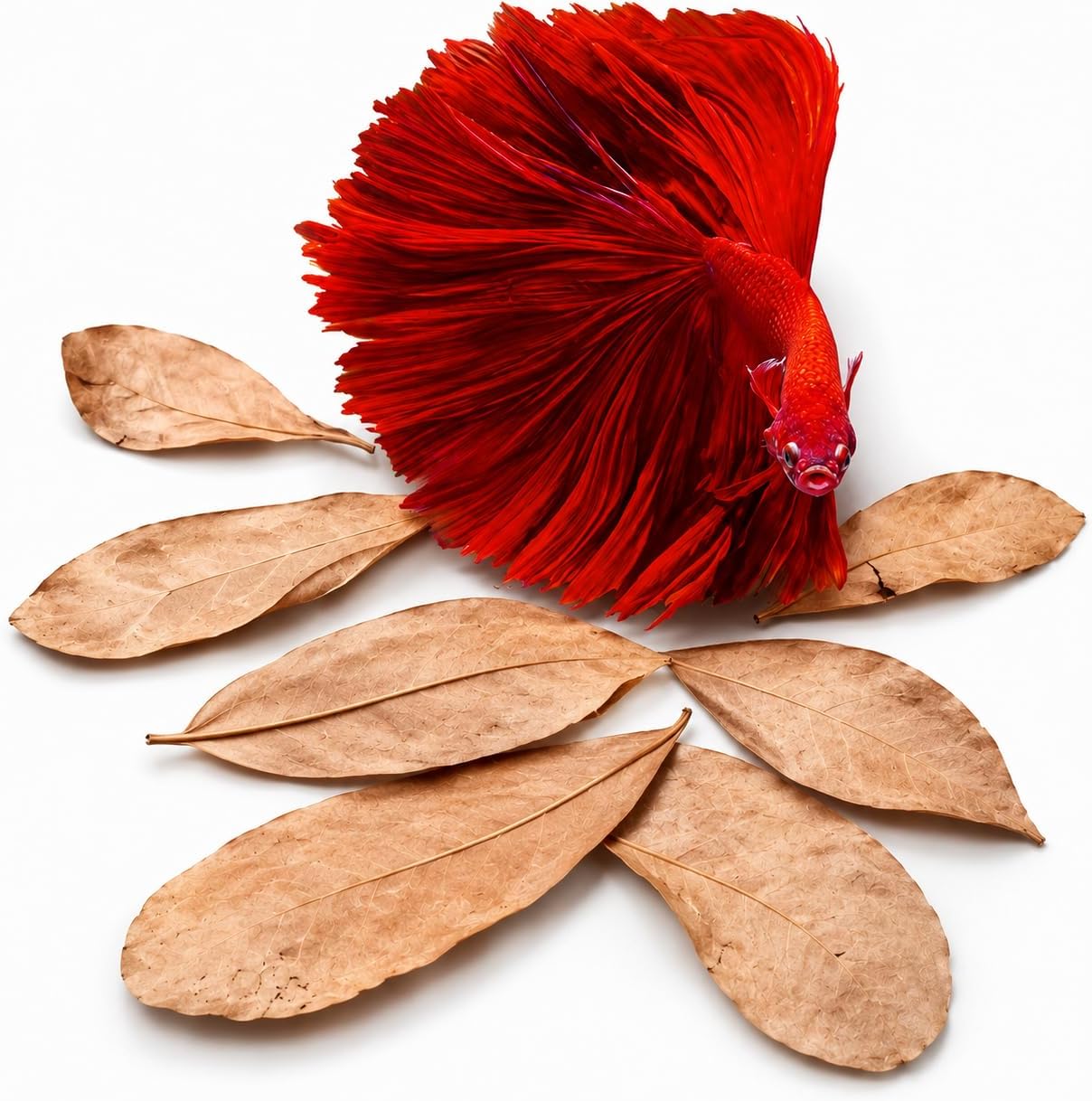
- Add Indian almond leaves. These leaves release natural compounds that support the immune system and have mild anti-parasitic properties. They also create a soothing environment for stressed fish.
- Use a sponge filter in the quarantine tank. Sponge filters provide gentle mechanical and biological filtration without creating strong currents that tire out a sick betta.
- Monitor your betta closely. Check for changes in behavior, appetite, and appearance every day. Early detection of any returning signs means you can act fast.
- Boost immunity with garlic. Soaking food in garlic extract can stimulate your betta’s appetite and support its immune system during recovery.
These expert strategies complement your main treatment plan and give your betta extra support during a challenging time.
When to Seek Professional Help
Most velvet cases can be treated at home with the methods described above. However, there are situations where professional help is the best choice:
- Your betta shows no improvement after 7-10 days of treatment.
- The infection has spread to the gills, causing severe breathing difficulty.
- Your betta stops eating entirely and becomes extremely lethargic.
- You have multiple fish showing symptoms and are unsure how to proceed.
In these cases, consult a veterinarian who specializes in fish health or reach out to experienced aquarist communities for advice. Sometimes a secondary bacterial infection develops alongside velvet and requires additional treatment.
Frequently Asked Questions
Can betta fish survive velvet disease?
Yes, betta fish can survive velvet if you catch it early and start treatment immediately. Survival rates drop significantly once the gills are heavily infected, which is why acting fast is so important. With proper medication, warm water, and clean conditions, most bettas make a full recovery within two to four weeks.
How long does it take for velvet to go away?
Visible symptoms usually improve within 3-5 days of starting treatment. However, you should continue the full course of medication for 7-10 days to ensure all parasites are eliminated. Complete recovery of your betta’s color, appetite, and energy levels may take an additional one to two weeks after treatment ends.
Is betta fish velvet contagious to other fish?
Yes, velvet is highly contagious. The free-swimming parasites spread through shared water and can infect any fish in the same tank. This is why quarantine is critical. Move infected fish immediately and treat the quarantine tank separately to protect your other fish.
Can velvet go away on its own?
It is very unlikely for velvet to resolve without treatment. The parasite continues to feed on your fish and multiply. By the time symptoms become noticeable, the infection is already well established. Waiting for it to go away on its own usually leads to serious health decline or death. Always treat velvet promptly.
What is the best medication for betta fish velvet?
Copper-based medications are widely considered the most effective treatment for velvet. Products like Seachem Cupramine and API Copper Power target the parasite specifically. Combining copper with aquarium salt and raising the water temperature gives you the best chance of eliminating velvet completely.
Can velvet come back after treatment?
Yes, velvet can return if the treatment was incomplete or if the tank conditions that caused the initial outbreak have not been corrected. Always finish the full medication course and maintain excellent water quality afterward. Quarantining new fish and plants also prevents reinfection from external sources.
Conclusion
Treating betta fish velvet is challenging but absolutely doable with the right approach. The key is to act fast, quarantine the infected fish, raise the temperature, darken the tank, and use effective medication. Supporting your betta with clean water, proper nutrition, and a low-stress environment gives it the best chance of a full recovery.
Remember that prevention is your strongest weapon. Maintain stable water quality, quarantine new arrivals, and keep your betta healthy and stress-free. These habits go a long way toward preventing velvet and many other common fish diseases. Your betta depends on you for its health and happiness. With the knowledge in this guide, you are well-equipped to protect your fish and give it the care it deserves.