How to Treat a Tumor in Betta Fish
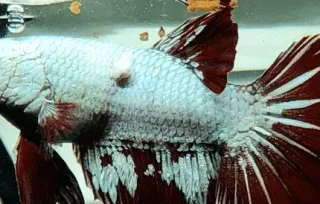
Finding a tumor on your betta fish can be scary, but there are steps you can take to help. This guide covers how to identify tumor symptoms, explore treatment options, and create a healing environment for your betta. Early detection and proper care make a real difference in outcomes.
Discovering a lump or unusual growth on your betta fish is alarming. You want to help your pet, but you may not know where to start. How to treat a tumor in betta fish is a question many fish owners face, and the answer depends on several factors. This guide walks you through everything you need to know, from identifying the problem to choosing the right treatment path. You will learn about tumor types, symptoms, home care strategies, and when to seek professional help.
Betta fish are beloved for their vibrant colors and flowing fins. They bring life and calm to any space. But like all living creatures, they can develop health issues. Tumors are one of the more serious conditions a betta can face. The good news is that not all growths are cancerous, and many bettas can live comfortably with proper care even after a diagnosis. Let us dive into what you need to know.
Key Takeaways
- Tumors in betta fish can be benign or malignant: Understanding the type is the first step toward effective treatment.
- Early detection saves lives: Catching symptoms early gives you more treatment options and better chances of recovery.
- Water quality is critical: Clean, stable water supports healing and reduces stress during treatment.
- Vet consultation is essential: A professional diagnosis helps you choose the right path, whether medical or supportive care.
- Prevention starts with good husbandry: Proper diet, clean water, and low stress reduce tumor risk significantly.
📑 Table of Contents
Understanding Tumors in Betta Fish
A tumor is an abnormal mass of tissue that grows when cells divide uncontrollably. In betta fish, tumors can appear on the body, fins, or internal organs. They may be visible as a lump or swelling, or they may be hidden inside the body. The key to effective treatment is understanding what kind of tumor your betta has.
Types of Tumors in Bettas
Not all tumors are the same. Some are benign, meaning they do not spread. Others are malignant, which means they can invade surrounding tissue and spread to other parts of the body. Here are the most common types found in betta fish:
- Benign tumors: These grow slowly and usually stay in one place. They may not threaten your betta’s life if managed well.
- Malignant tumors: These are cancerous and can spread rapidly. They are harder to treat and often carry a poorer prognosis.
- Abscesses: These are not true tumors but pus-filled pockets caused by infection. They can look like tumors and need different treatment.
- Cysts: Fluid-filled sacs that develop under the skin. They are usually benign and may not require aggressive treatment.
Knowing the difference matters because it shapes your treatment plan. A vet can help you determine the type through examination or imaging.
Common Causes of Tumors in Betta Fish
There is no single cause for tumors in bettas. Several factors can increase the risk. Genetics play a big role, especially in selectively bred fish like bettas. Poor water quality over time can weaken the immune system and make cells more vulnerable to abnormal growth. Diet also matters, as low-quality food may lack nutrients that support healthy cell function. Age is another factor, as older bettas are more prone to developing growths. Finally, exposure to toxins or parasites can trigger cellular damage that leads to tumor formation.
How to Identify Tumor Symptoms in Betta Fish
Catching tumor symptoms early gives you a better chance of helping your fish. Some signs are obvious, while others are subtle. Watch your betta closely for any of the following indicators:
- Visible lumps or bumps: Any new growth on the body, fins, or head should be monitored closely.
- Swelling or bloating: A bloated belly can sometimes indicate an internal tumor rather than just constipation or bloat.
- Loss of appetite: If your betta stops eating or shows little interest in food, something may be wrong.
- Lethargy: A tumor-affected betta may spend more time resting at the bottom of the tank.
- Fin clamping: Holding fins close to the body is a sign of discomfort or pain.
- Difficulty swimming: Tumors near the spine or internal organs can affect balance and movement.
- Color changes: Fading color or pale patches can signal illness, including tumor development.
If you notice any of these symptoms, do not panic. Many of these signs overlap with other common betta health issues. That is why proper diagnosis is so important. For more on distinguishing betta health problems, check out our guide on how to treat ich on a betta fish, as some symptoms can be confused with parasitic infections.
Treatment Options for Betta Fish Tumors
Once a tumor is identified, you need to decide on a treatment approach. The right choice depends on the tumor type, size, location, and your betta’s overall health. Here are the main options available to you.
1. Veterinary Consultation and Diagnosis
The first and most important step is to consult a veterinarian who specializes in fish or exotic pets. A vet can perform a physical exam, take samples, or use imaging to understand the tumor better. This professional diagnosis is crucial because it tells you whether the growth is benign or malignant. Without this information, you are guessing, and guessing can lead to the wrong treatment. Many online resources can help you find a fish vet near you, including communities and forums dedicated to betta care.
2. Medication and Antibiotics
If the tumor is caused by or complicated by an infection, your vet may prescribe antibiotics or antifungal medications. These do not shrink tumors directly, but they can treat secondary infections that make your betta uncomfortable. Medication can also support the immune system and buy time for your fish. Common medications include Melafix, Pimafix, and Kanaplex, but always follow a vet’s guidance before using any treatment.
3. Epsom Salt Baths
Epsom salt can help reduce swelling and ease discomfort in some cases. A controlled Epsom salt bath involves dissolving the salt in a separate container of tank water and placing your betta in it for 15 to 30 minutes. This is not a cure for tumors, but it can provide temporary relief from inflammation. Always use aquarium-grade Epsom salt and follow proper dosing guidelines.
4. Supportive Care and Environmental Adjustments
Creating the best possible environment for healing is a powerful form of treatment. This includes maintaining pristine water quality, keeping the tank stress-free, and offering a nutritious diet. Clean water is the foundation of betta health, and during illness, it becomes even more critical. Learn more about maintaining optimal conditions in our article on how to take care of betta fish water. Small changes like reducing light intensity, minimizing tank traffic, and providing hiding spots can significantly lower your betta’s stress levels.
5. Surgical Removal
In rare cases, surgical removal of a tumor may be an option. This is typically reserved for external, accessible tumors that are benign. Surgery carries risks for fish, including anesthesia complications and infection. It is expensive and requires a skilled exotic vet. Most betta owners will not pursue this route, but it is worth knowing it exists as a possibility.
6. Humane End-of-Life Care
Sometimes, despite your best efforts, a tumor cannot be treated effectively. If your betta is suffering and quality of life is poor, you may need to consider humane options. This is never easy, but it is an act of love. For guidance on this difficult topic, you can read our article on how to put down a betta fish at home. Making this decision with compassion is part of responsible fish ownership.
How to Create a Healing Environment for Your Betta
Whether your betta is undergoing treatment or simply needs extra support, the environment matters enormously. A well-maintained tank reduces stress and promotes healing. Here is how to set up a recovery-friendly habitat.
Water Quality and Maintenance
Keep the water temperature stable between 78 and 80 degrees Fahrenheit. Test ammonia, nitrite, and nitrate levels regularly. Perform small water changes (about 20 to 25 percent) every few days to keep toxins low. Use a gentle filter or sponge filter to maintain flow without creating strong currents that exhaust a sick fish.
Tank Setup for Recovery
A simple, clean tank setup works best during recovery. Remove sharp decorations that could injure your betta. Add soft plants or silk decorations for hiding. Keep the tank quiet and away from loud noises or high-traffic areas. If you need to rearrange the tank, follow proper guidelines to avoid stressing your fish further. Our guide on how to set up a fish tank for betta fish offers practical tips for creating a safe and comfortable home.
Diet and Nutrition During Illness
Offer high-quality, easily digestible food during recovery. Frozen or live brine shrimp and bloodworms are excellent choices. Soak dry food before feeding to prevent bloating. Feed small amounts twice a day rather than one large meal. If your betta refuses food for more than two days, contact your vet immediately.
Preventing Tumors in Betta Fish
While you cannot prevent all tumors, especially those with a genetic basis, you can take steps to reduce the risk. Prevention starts with good husbandry and a proactive approach to your betta’s health.
- Maintain excellent water quality: Test water parameters weekly and perform regular water changes. Clean water is the single most important factor in preventing disease.
- Feed a balanced diet: Offer variety with high-quality pellets, frozen foods, and occasional treats like blanched peas. Proper nutrition supports healthy cell function.
- Reduce stress: Avoid aggressive tankmates, sudden temperature changes, and loud noises. A calm environment keeps the immune system strong.
- Quarantine new fish: Before adding any new fish to your tank, quarantine them for at least two weeks to prevent disease transmission.
- Schedule regular observation: Spend a few minutes each day watching your betta. Early detection of any abnormality gives you the best chance of a positive outcome.
Taking these steps does not guarantee your betta will never develop a tumor, but it does stack the odds in your favor. Healthy fish are more resilient and better equipped to fight off illness.
When to Seek Immediate Veterinary Help
Not every growth is a tumor, and not every tumor is an emergency. However, certain situations require prompt veterinary attention. If your betta shows rapid swelling, open sores, loss of buoyancy, or complete refusal to eat for more than three days, seek help immediately. Internal tumors that press on vital organs can cause sudden decline. The faster you act, the more options you have. Trust your instincts as an owner, too. You know your fish best, and if something feels wrong, it is always worth getting a professional opinion.
Key Takeaways
- Tumors in betta fish can be benign or malignant: Understanding the type is the first step toward effective treatment.
- Early detection saves lives: Catching symptoms early gives you more treatment options and better chances of recovery.
- Water quality is critical: Clean, stable water supports healing and reduces stress during treatment.
- Vet consultation is essential: A professional diagnosis helps you choose the right path, whether medical or supportive care.
- Prevention starts with good husbandry: Proper diet, clean water, and low stress reduce tumor risk significantly.
Conclusion
Learning how to treat a tumor in betta fish is not easy, but knowledge is your greatest tool. By understanding the types of tumors, recognizing symptoms early, and exploring all available treatment options, you give your betta the best possible chance. Whether you choose medical treatment, supportive care, or humane end-of-life decisions, the most important thing is that you act with love and intention. Keep your water clean, your betta well-fed, and your observation routine consistent. These simple habits form the backbone of good betta care and can make all the difference when health challenges arise. Your betta fish depends on you, and the effort you put in truly matters.
Frequently Asked Questions
Can betta fish survive a tumor?
It depends on the type and stage of the tumor. Benign tumors that are caught early and managed properly can allow a betta to live a comfortable life for months or even years. Malignant tumors are much harder to treat and often have a poorer prognosis. Early veterinary consultation gives you the best chance of a positive outcome.
How do I know if my betta has a tumor or something else?
Tumors often appear as firm, slow-growing lumps. Other conditions like bloat, ich, or abscesses can look similar but usually have different symptoms. A vet can provide a proper diagnosis through examination or imaging. Do not try to self-diagnose, as misidentification can lead to the wrong treatment.
Are betta fish tumors contagious to other fish?
Most tumors are not contagious. They are caused by abnormal cell growth within the individual fish. However, if the tumor is linked to a viral or bacterial infection, there may be a risk to tankmates. Always quarantine a sick betta and maintain excellent water quality to protect other fish in the tank.
Can I treat a betta tumor at home without a vet?
While you can provide supportive care at home, such as improving water quality and offering a nutritious diet, a vet is essential for proper diagnosis. Home care alone cannot cure a tumor, but it can improve comfort and support the immune system. Always consult a professional for the best treatment plan.
What is the cost of treating a tumor in a betta fish?
Costs vary widely depending on the treatment approach. A basic vet consultation may cost between $50 and $150. Medications and follow-up visits add to the expense. Surgery, if recommended, can be significantly more costly. Some fish owners find that supportive care at home is a more affordable and practical option.
Can poor water quality cause tumors in betta fish?
Poor water quality does not directly cause tumors, but it weakens the immune system and creates an environment where diseases, including abnormal cell growth, are more likely. Maintaining clean, stable water is one of the most effective ways to support overall betta health and reduce disease risk.