How to Transfer Betta Fish into Bowl
Transferring your betta fish into a bowl requires careful preparation, proper water conditions, and a gentle acclimation process. This guide walks you through every step, from choosing the right bowl to ensuring your betta settles in comfortably. Follow our expert tips to keep your betta healthy and stress-free during the move.
Key Takeaways
- Preparation is key: Have the bowl fully set up and cycled before moving your betta fish into bowl.
- Acclimate slowly: Gradual temperature and water parameter adjustments prevent stress and shock.
- Choose the right bowl: At least 2.5 gallons with a heater and gentle filtration for optimal betta fish care.
- Monitor water quality: Regular testing and maintenance keeps the bowl environment safe and stable.
- Avoid common mistakes: Skipping acclimation, using untreated tap water, and sudden environment changes harm your fish.
📑 Table of Contents
- How to Transfer Betta Fish into Bowl
- Step 1: Prepare the Bowl Before the Transfer
- Step 2: Prepare the Transport Water
- Step 3: The Acclimation Process
- Step 4: Monitor Your Betta After the Transfer
- Step 5: Long-Term Bowl Maintenance After Transfer
- Common Mistakes to Avoid When Transferring Betta Fish
- Expert Tips for a Smooth Betta Fish Bowl Transfer
- When to Consider a Larger Setup Instead of a Bowl
- Conclusion
How to Transfer Betta Fish into Bowl
Moving a betta fish into a new bowl can feel overwhelming, especially if you want to keep your fish happy and healthy. The truth is, transferring betta fish into a bowl is simpler than most people think. You just need the right approach, a little patience, and some basic knowledge. In this guide, we walk you through every step so your betta settles in smoothly.
Whether you are upgrading from a tiny cup at the pet store or moving your betta from a larger tank, the process matters. A rushed transfer can cause stress, illness, or even death in betta fish. But done right, it becomes a routine part of betta fish care that keeps your fish thriving. Let us break it all down for you.
Why Proper Transfer Matters for Betta Fish
Betta fish are sensitive creatures. They react strongly to changes in their environment. Sudden shifts in water temperature, pH levels, or chemical content can shock their system. This is why learning how to transfer betta fish into a bowl the right way is so important.
A proper transfer reduces betta fish stress and helps them adapt to their new bowl habitat. It also sets the foundation for long-term health. When your betta feels safe, it shows brighter colors, eats better, and behaves more actively. Skipping steps or rushing the process can lead to problems you do not want to deal with later.
Step 1: Prepare the Bowl Before the Transfer
The first rule of moving betta fish to a bowl is never to do it with an empty or unprepared bowl. Your betta needs a safe, stable environment ready before it even enters the new space. This step is the foundation of a successful transfer.
Choose the Right Bowl Size
Many people think betta fish can live in tiny bowls. That is a myth. Your betta needs at least 2.5 gallons of water to stay healthy. A larger bowl gives your fish room to swim, explore, and stay active. It also makes maintaining water parameters much easier.
When choosing a bowl, look for one with a wide opening. This makes cleaning and maintenance simpler. Avoid bowls with sharp edges or materials that could leach chemicals into the water. Glass or high-quality plastic bowls work best for betta fish habitats.
Set Up the Bowl Properly
Before you bring your betta home, set up the bowl completely. Here is what you need:
- A heater: Bettas need warm water between 76 and 82 degrees Fahrenheit. A small submersible heater keeps the temperature stable.
- A filter: Choose a gentle sponge filter. Strong currents stress betta fish out.
- Water conditioner: Always treat tap water with a water conditioner for betta before adding it to the bowl.
- Substrate and decor: Add smooth gravel or sand and a few plants. This gives your betta places to explore and rest.
Let the bowl run for at least 24 hours before the transfer. This allows the water to cycle and any chlorine or harmful chemicals to dissipate. It also stabilizes the temperature. Skipping this step is one of the most common mistakes new betta owners make.
Step 2: Prepare the Transport Water
How you transport your betta fish matters just as much as the bowl setup. The water your betta travels in should be as close as possible to its current environment. This minimizes shock during transfer and keeps your fish calm.
Use Water from the Current Habitat
If possible, scoop some water from your betta’s current tank or container. Use this water to fill the transport bag or container. Mixing old and new water later during acclimation helps your betta adjust gradually.
If you are getting your betta from a pet store, ask the staff what type of water they use. Some stores use treated water, while others use tap water with conditioner. Knowing this helps you prepare matching water conditions at home.
Temperature Matching
Temperature is the most critical factor during transport. Betta fish temperature should stay between 76 and 82 degrees Fahrenheit. Use a thermometer to check both the transport water and the bowl water. They should be within one degree of each other.
If the temperatures differ, float the transport container in the bowl for 15 to 20 minutes. This slowly brings the water to the same temperature. Never dump cold or hot water directly into your betta’s environment.
Step 3: The Acclimation Process
This is the most important step in transferring betta fish into a bowl. Acclimation is the process of slowly adjusting your fish to the new water conditions. It prevents osmotic shock, which happens when a fish’s body struggles to adapt to different water chemistry.
The Drip Method
The drip method is the gold standard for acclimating betta fish. Here is how to do it:
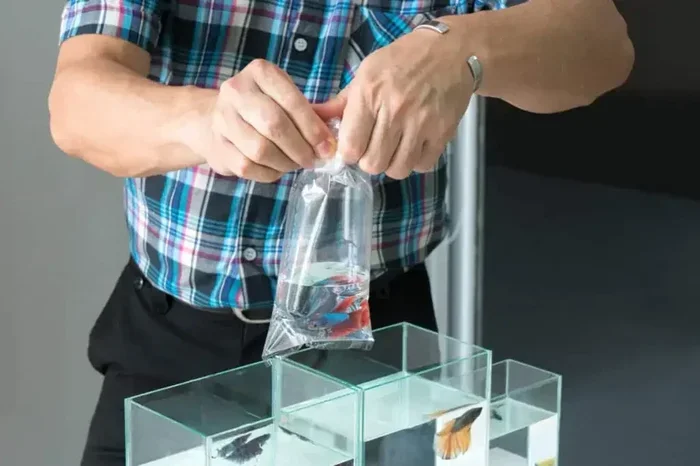
- Place your betta in its transport bag or container inside the bowl. Do not open the bag yet.
- Float the bag or container in the bowl for 15 minutes. This equalizes the temperature.
- Open the bag and add a small cup of bowl water to the transport container.
- Wait another 15 minutes.
- Repeat the water addition every 15 minutes for about an hour.
- After 4 to 5 additions, gently release your betta into the bowl using a net.
Do not pour the transport water into the bowl. That water may contain bacteria or chemicals from the previous environment. The drip acclimation process gives your betta time to adjust without stress.
The Floating Method
If the drip method feels too complicated, the floating method works as a simpler alternative. Float the sealed bag in the bowl for 20 to 30 minutes. Then gradually add small amounts of bowl water to the bag over 15 minutes. Finally, use a net to transfer your betta into the bowl.
The floating method works well for quick transfers. However, the drip method provides a gentler and more controlled experience. For the best results, use the drip method whenever possible.
Step 4: Monitor Your Betta After the Transfer
The transfer is not over once your betta is in the bowl. The first 24 to 48 hours are critical. During this time, your fish adjusts to its new betta fish environment. Watching closely helps you catch any problems early.
What to Watch For
Keep an eye on these signs during the first day:
- Swimming behavior: A healthy betta swims steadily. If your fish stays at the bottom or hides constantly, it may still be stressed.
- Eating habits: Do not feed your betta for the first 12 hours after transfer. After that, offer a small amount of food and watch how it eats.
- Color changes: Faded colors can indicate stress. Bright, vibrant colors mean your betta is settling in well.
- Breathing rate: Rapid breathing at the surface can signal poor water quality or ongoing stress.
Water Testing
Test the bowl water 24 hours after the transfer. Check for ammonia, nitrite, and nitrate levels. These bowl water parameters should read zero for ammonia and nitrite, and below 20 ppm for nitrate. If levels are off, perform a small water change and retest.
Regular testing during the first week helps you catch any issues before they become serious. A betta fish water test kit is a worthwhile investment for any betta owner.
Step 5: Long-Term Bowl Maintenance After Transfer
Once your betta is settled in, ongoing care keeps the bowl healthy. A clean, well-maintained bowl supports your betta’s long-term health and happiness.
Regular Water Changes
Perform a 25 to 30 percent water change every week. Use a siphon to remove debris from the substrate. Always treat new water with a water conditioner for betta before adding it to the bowl. Match the temperature of the new water to the bowl water to avoid temperature shocks.
Cleaning Schedule
Wipe down the inside of the bowl glass weekly to remove algae buildup. Check the filter sponge monthly and rinse it in removed bowl water (never tap water). Replace filter media as needed to maintain good water filtration for betta.
For more detailed guidance on keeping the bowl clean, check out our guide on how to maintain a betta fish bowl. It covers everything from daily checks to monthly deep cleans.
Feeding and Environment
Feed your betta 2 to 3 small meals per day. Overfeeding leads to dirty water and health problems. Remove any uneaten food within a few minutes.
Add plants and gentle decor to create hiding spots. Bettas feel safer in environments with places to explore and rest. This also reduces betta fish stress and encourages natural behavior.
Common Mistakes to Avoid When Transferring Betta Fish
Even experienced fish keepers make mistakes during transfers. Knowing what to avoid saves your betta from unnecessary stress and health problems.
- Skipping acclimation: Never dump your betta directly into the new bowl. The sudden change in water chemistry can be fatal.
- Using untreated tap water: Always use a water conditioner for betta to remove chlorine and chloramine from tap water.
- Transferring with dirty water: Transport water may carry pathogens. Keep it separate from the bowl.
- Ignoring temperature differences: Even a 3 to 4 degree difference can shock your betta. Always match temperatures carefully.
- Overcrowding the bowl: Bettas are solitary fish. Keep only one betta per bowl to prevent aggression and stress.
For a deeper look at avoiding errors during the transition, our article on how to put a betta fish in a new bowl covers common pitfalls in detail.
Expert Tips for a Smooth Betta Fish Bowl Transfer
Want to make the process even easier? These expert tips make a real difference:
- Transfer in the evening: Bettas are less active at night, so they handle the transition more calmly.
- Use a quarantine period: If possible, keep your betta in a separate container for 24 hours after transfer. This lets you observe health before introducing it to the full bowl setup.
- Add Indian almond leaves: These release natural compounds that support betta fish health and reduce stress during transitions.
- Keep the lights off: Dim lighting for the first 24 hours helps your betta feel secure in its new betta fish bowl environment.
These small adjustments go a long way. Your betta will thank you with vibrant colors and energetic behavior.
When to Consider a Larger Setup Instead of a Bowl
While this guide focuses on transferring betta fish into a bowl, it is worth mentioning that bowls have limitations. Bowls under 2.5 gallons are difficult to maintain stable conditions in. If you find yourself constantly battling water quality issues, it might be time to consider a larger tank.
A 5 to 10 gallon tank with a gentle filter and heater provides a more stable betta fish habitat. The extra water volume dilutes toxins and makes temperature control easier. For more information on setting up a proper tank, check out our guide on how to set up a fish tank for betta fish.
However, if you prefer the simplicity and beauty of a bowl setup, following the steps in this guide ensures your betta thrives. The key is consistent maintenance and careful attention to water quality.
Conclusion
Transferring betta fish into a bowl does not have to be stressful. With proper preparation, careful acclimation, and ongoing maintenance, your betta will settle into its new home with ease. Remember to prepare the bowl in advance, match water conditions, acclimate slowly, and monitor your fish closely after the move.
Every betta fish deserves a safe and comfortable transition. By following the steps in this guide, you give your fish the best possible start in its new bowl habitat. Take your time, stay patient, and enjoy watching your betta explore its fresh environment.
For more tips on betta fish care, explore our other guides on warming a betta fish bowl and caring for betta fish in a bowl. These resources help you build a complete and thriving setup for your beloved fish.
Frequently Asked Questions
How long does it take to acclimate a betta fish to a new bowl?
The full acclimation process should take about 45 minutes to one hour using the drip method. The floating method takes a bit less time, around 30 to 45 minutes. Always prioritize slow and gradual changes over speed. Rushing the process can cause stress and health problems for your betta.
Can I transfer my betta fish directly into a bowl without acclimation?
You should never transfer a betta fish directly without acclimation. Sudden changes in water temperature and chemistry cause osmotic shock, which can be fatal. Always take the time to gradually adjust your fish to the new environment. It only takes an hour and makes a huge difference.
What size bowl is best for a betta fish?
A minimum of 2.5 gallons is recommended for a single betta fish. Larger bowls of 5 gallons or more are even better because they provide more stable water conditions. Avoid bowls smaller than 2.5 gallons, as they make it very difficult to maintain proper water parameters and temperature.
Do I need a filter and heater in a betta fish bowl?
Yes, both a gentle filter and a heater are essential for a healthy betta bowl setup. Bettas need warm water between 76 and 82 degrees Fahrenheit, and a filter helps maintain clean water. Without these, you will face constant water quality issues that stress your fish and shorten its lifespan.
Should I feed my betta fish right after transferring it to a new bowl?
Wait at least 12 hours after the transfer before feeding your betta. This gives the fish time to settle and reduces the risk of digestive issues caused by stress. After the waiting period, offer a small amount of food and observe how your betta responds.
What signs indicate my betta is stressed after being transferred to a new bowl?
Watch for faded colors, hiding at the bottom, rapid breathing, loss of appetite, or clamped fins. These are common signs of betta fish stress after a transfer. If you notice these symptoms, check your water parameters, ensure the temperature is correct, and give your fish some quiet time with dimmed lights.