How to Train Betta Fish to Jump Through Hoop
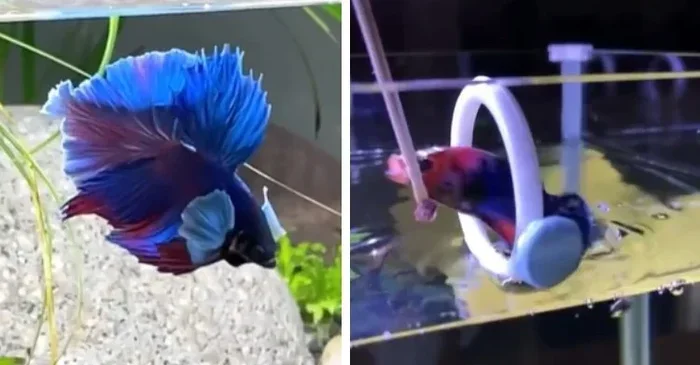
Training your betta fish to jump through a hoop is a fun and rewarding activity that strengthens your bond with your pet. This guide walks you through the entire process, from choosing the right hoop to mastering the final jump. You will learn proven techniques, common mistakes to avoid, and expert tips to make training sessions successful and safe for your betta fish.
Teaching your betta fish to jump through hoop is one of the most exciting tricks you can train your fish to do. It is not just a cool party trick. It also provides great mental stimulation and exercise for your fish. Many fish owners are surprised to learn that bettas are smart enough to learn complex behaviors. With the right approach, patience, and a few simple tools, you can train your betta to leap through a hoop like a pro.
Before you start, it helps to understand how bettas learn. These colorful fish respond well to positive reinforcement. That means rewarding good behavior with food or praise. The key is to be consistent, keep sessions short, and never force your fish. If you are new to fish training, you might want to check out can you train a betta fish to do tricks first. That article covers the basics of fish learning and sets a great foundation.
This guide covers everything you need to know. From setting up the hoop to advanced training techniques, you will find clear, actionable steps. Let us dive in and get started.
Key Takeaways
- Start with a small, soft hoop: Using the right equipment keeps your betta safe and makes the learning process smoother.
- Use positive reinforcement: Treats and praise motivate your betta fish to repeat desired behaviors consistently.
- Keep sessions short and frequent: Short daily training sessions work best for betta fish attention spans and prevent stress.
- Gradually increase difficulty: Raising the hoop height and adjusting distance over time builds confidence and skill progressively.
- Monitor water quality and fish health: A healthy, stress-free betta learns faster and performs better during training.
- Be patient and consistent: Every betta learns at its own pace, so consistency and patience are the keys to success.
📑 Table of Contents
- Why Train Your Betta Fish to Jump Through a Hoop?
- Getting Ready: Equipment You Will Need
- Step-by-Step: How to Train Betta Fish to Jump Through Hoop
- Common Mistakes to Avoid During Training
- Tips for Faster and More Successful Training
- Maintaining Your Betta’s Health During Training
- Advanced Training: Taking Hoop Jumping to the Next Level
- Conclusion
Why Train Your Betta Fish to Jump Through a Hoop?
Training your betta fish is about more than showing off. It offers real benefits for your fish and your relationship with them. Here are some strong reasons to give it a try:
- Mental Stimulation: Betta fish are intelligent creatures. Learning new behaviors keeps their minds active and engaged. Without stimulation, fish can become bored and lethargic.
- Physical Exercise: Jumping through a hoop gives your betta a full-body workout. It strengthens muscles and improves coordination.
- Stronger Bond: Training sessions create trust between you and your fish. Your betta learns to associate you with positive experiences.
- Stress Relief: Enrichment activities like training reduce stress in aquarium fish. A stimulated fish is a happier fish.
- Fun and Rewarding: There is nothing quite like watching your betta successfully complete a trick. It is a great confidence booster for you too.
If you are curious about other fun activities, check out how to play games with your betta fish. That article shares more ways to keep your fish entertained and engaged.
Getting Ready: Equipment You Will Need
Before you begin training, gather a few simple items. Having everything ready makes the process much smoother.
Choosing the Right Hoop
The hoop is the most important piece of equipment. It should be small enough for your betta to swim through comfortably. Here are some options:
- Soft silicone rings: These are flexible and gentle on your fish. They are the safest option.
- Plastic hoops from craft stores: Look for smooth edges and small sizes. Avoid anything sharp.
- DIY hoops from fishing line: You can create a custom hoop using clear fishing line and a small ring. This gives you full control over size and shape.
Start with a hoop that is about two to three inches in diameter. You can always make it smaller as your betta improves. Never use metal hoops or anything with rough edges. Safety comes first.
Other Essential Supplies
- High-value treats: Use small pieces of bloodworms, brine shrimp, or betta pellets. These are the best motivators.
- A clean training tank: Use a small, separate tank or a section of your main aquarium. Keep water conditions stable.
- A target stick: A small stick or chopstick helps guide your betta through the hoop during early training.
- A timer: Keep training sessions short. A simple phone timer works perfectly.
Step-by-Step: How to Train Betta Fish to Jump Through Hoop
Now for the fun part. Here is a clear, step-by-step process to train your betta fish to jump through a hoop. Follow each stage carefully and do not rush.
Step 1: Build Trust and Comfort
Before any training begins, your betta needs to feel safe. Spend a few days simply sitting near the tank. Talk softly and let your fish get used to your presence. Feed your betta by hand during this phase. This builds trust and makes your fish more receptive to training later.
Step 2: Introduce the Hoop
Place the hoop gently in the water. Do not chase your fish with it. Let your betta explore the hoop at its own pace. Some fish will investigate immediately, while others may take a few days. That is completely normal. Patience is the most important tool in betta fish training.
Step 3: Lure Your Betta Through the Hoop
Once your betta is comfortable with the hoop, it is time to start luring. Hold a treat on the target stick on one side of the hoop. Gently move the treat through the hoop. Your betta will follow the food and swim through the opening.
The moment your fish goes through the hoop, give the treat and praise. Repeat this several times during a five-minute session. Do this once or twice a day. Consistency matters more than duration.
Step 4: Add the Jump Command
After your betta reliably swims through the hoop, you can encourage a jump. Raise the hoop slightly above the water surface. Use the target stick to guide your fish upward. When your betta leaps through, reward immediately with a treat.
At this stage, you can start using a verbal cue like “jump.” Say it just before your fish leaps. Over time, your betta will associate the word with the action. This is called associative learning, and bettas can learn it surprisingly fast.
Step 5: Practice and Refine
Keep practicing regularly. Gradually increase the height of the hoop or the distance your betta must travel. Always keep sessions short and positive. If your fish seems tired or stressed, stop the session immediately. Never punish or scold your betta. Training should always be a positive experience.
If you want to strengthen your betta before advanced training, read how to make your betta fish stronger. A stronger fish will perform better and stay healthy during training.
Common Mistakes to Avoid During Training
Even the best intentions can lead to mistakes. Here are the most common errors fish owners make when training their bettas:
- Training sessions that are too long: Betta fish have short attention spans. Sessions longer than five to ten minutes will frustrate your fish and reduce effectiveness.
- Skipping warm-up: Always let your betta settle before starting. Rushing into training creates stress and resistance.
- Using the wrong treats: Low-quality food will not motivate your betta. Use high-value treats your fish loves.
- Moving the hoop too fast: Progress should be gradual. Sudden changes in hoop size or height confuse your fish.
- Ignoring water quality: Poor water conditions make fish sluggish and uninterested. Always check your water parameters before training. Learn more about how to take care of betta fish water to keep your tank in top shape.
- Training a stressed fish: If your betta shows signs of stress, stop training and address the underlying issue first.
Expert Insight
Professional fish trainers emphasize that every betta fish learns at a different pace. Some fish pick up hoop jumping in just a few days, while others may take several weeks. The key is to read your fish’s body language and adjust your approach accordingly. Never compare your fish’s progress to others.
Tips for Faster and More Successful Training
Want to speed up the process? Try these proven tips that experienced betta owners swear by:
- Train at the same time every day. Bettas thrive on routine. A consistent schedule helps your fish know when it is time to focus.
- Use a clicker or distinct sound. A small clicker creates a clear signal that marks the exact moment your betta does something right. This technique is called clicker training and works wonders with fish.
- Keep the room quiet. Reduce distractions around the training tank. Loud noises and sudden movements can startle your betta and break focus.
- End every session on a positive note. Even if your fish did not perform perfectly, reward any effort. This keeps your betta excited about the next session.
- Vary the training environment slightly. Small changes keep things interesting. But avoid major disruptions that could stress your fish.
Remember that betta fish training is a journey, not a race. Celebrate small wins along the way. Every successful pass through the hoop is a step forward.
Maintaining Your Betta’s Health During Training
Training puts extra energy demands on your betta. Keeping your fish healthy throughout the process is essential. Here are some health-focused tips:
- Feed a balanced diet: High-quality pellets, frozen bloodworms, and occasional treats support energy needs during training.
- Maintain clean water: Regular water changes and proper filtration prevent illness. A healthy fish learns faster.
- Watch for signs of fatigue: If your betta starts swimming erratically or hiding, take a break from training.
- Monitor water temperature: Bettas prefer warm water between 78 and 80 degrees Fahrenheit. Learn more about how to keep your betta fish warm to maintain ideal conditions.
- Provide rest days: Just like any athlete, your betta needs recovery time. Schedule rest days between intense training sessions.
For more information on keeping your betta healthy, you can read how to properly take care of betta fish. It covers all the essentials of daily betta care.
Advanced Training: Taking Hoop Jumping to the Next Level
Once your betta masters the basic hoop jump, you can try more advanced techniques. These challenges keep training exciting and push your fish’s abilities further.
Multiple Hoops in a Row
Set up two or three hoops in a line. Guide your betta through each one using the target stick. Start with the hoops close together and gradually increase the distance. This builds endurance and precision.
Raised Hoop Heights
Gradually raise the hoop higher above the water surface. This requires your betta to jump with more force. Always ensure the water level is safe and your fish cannot jump out of the tank. A lid or mesh cover is essential when training jumping behaviors.
Adding a Visual Cue
Use a colored card or hand signal to cue the jump. Over time, your betta will respond to the visual signal even without the target stick. This creates a more impressive performance you can show off to friends and family.
Keep in mind that how to train betta fish to jump through hoop requires ongoing patience. Advanced tricks take more time and practice. Stay positive and enjoy the process with your fish.
Conclusion
Training your betta fish to jump through a hoop is a incredibly rewarding experience. It challenges your fish mentally and physically while deepening the bond between you. By following the steps outlined in this guide, you set your betta up for success. Remember to start simple, use positive reinforcement, keep sessions short, and always prioritize your fish’s health and comfort.
Whether you are a complete beginner or an experienced fish keeper, how to train betta fish to jump through hoop is a skill that brings joy to both you and your pet. Be patient, stay consistent, and celebrate every small victory. Your betta has more potential than you might think. Start training today and watch your fish amaze you.
Frequently Asked Questions
How long does it take to train a betta fish to jump through a hoop?
Most bettas learn the basic hoop jump within two to four weeks of consistent training. However, every fish is different. Some bettas pick it up in just a few days, while others may need several weeks. The key is to be patient and keep training sessions short and positive.
Is it safe for betta fish to jump out of water?
Jumping through a hoop slightly above the water surface is generally safe if done carefully. Always ensure your tank has a lid or mesh cover to prevent your betta from accidentally jumping out. Keep the jump height low and never force your fish to jump higher than it is comfortable with.
What treats work best for betta fish training?
High-value treats like bloodworms, brine shrimp, and small pieces of betta pellets work best. Use treats your betta loves and only give them during training sessions. This creates a strong motivation to perform the desired behavior.
Can all betta fish learn to jump through hoops?
Most betta fish can learn this trick with proper training and patience. However, individual temperament varies. Some bettas are more curious and eager to learn, while others may be shy or less interested. If your fish seems uninterested, take a break and try again later.
How often should I train my betta fish?
One to two short training sessions per day, lasting five to ten minutes each, is ideal. Training too often can stress your fish and reduce its willingness to participate. Consistency matters more than duration, so daily short sessions work best.
Do I need a separate tank for training my betta fish?
It is helpful to use a small separate tank or a dedicated section of your main aquarium for training. This keeps distractions to a minimum and helps your betta focus. Make sure the water quality and temperature in the training area are the same as in your main tank.