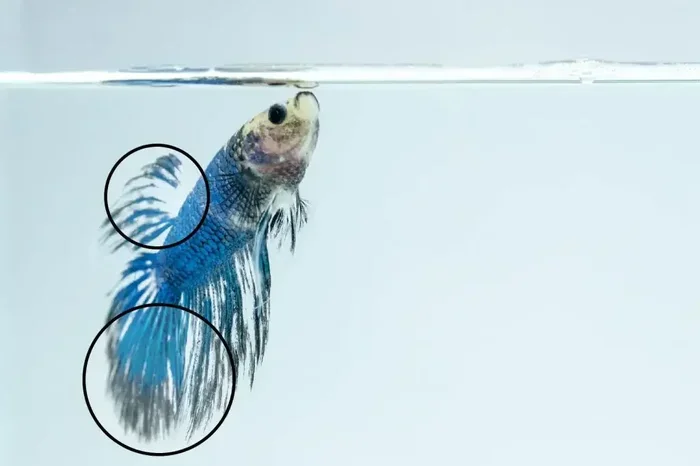
How to Tell When a Betta Fish Is Pregnant
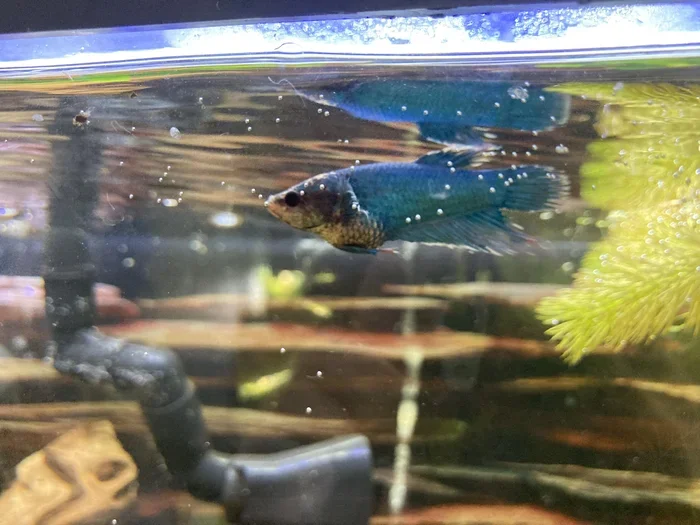
Telling when a betta fish is pregnant starts with watching for a white dot on her belly, a swollen body, and changes in behavior. Female betta fish carry eggs internally and show clear signs like a vertical breeding stripe and increased appetite. This guide walks you through every stage of betta fish pregnancy so you can care for your fish confidently.
Watching your betta fish closely can reveal amazing changes. One of the most exciting things a fish keeper can experience is realizing their female betta fish is carrying eggs. But how do you actually know? Many new fish owners miss the early signs of betta fish pregnancy. By the time they notice, the eggs are already released.
This guide breaks down every sign, behavior, and care tip you need. Whether you are a beginner or a seasoned hobbyist, you will find practical advice here. Let us walk through the process step by step.
Key Takeaways
- Spotting Early Signs: A white dot (ovipositor), swollen belly, and vertical stripes are the first clues your betta fish may be pregnant.
- Behavioral Changes Matter: Nesting behavior, increased appetite, and flaring at other fish signal readiness to breed.
- Tank Setup Is Crucial: A properly prepared tank with the right water conditions makes breeding safe and successful.
- Know the Gestation Period: Betta fish carry eggs for about 1 to 2 weeks before releasing them into a bubble nest.
- Post-Breeding Care: Separating the female after egg release protects both her and the fry from being eaten.
- Watch for Health Issues: Some signs of pregnancy overlap with illness, so always compare multiple symptoms before assuming breeding.
📑 Table of Contents
- Understanding Betta Fish Pregnancy Basics
- Top Signs Your Betta Fish Is Pregnant
- How to Prepare for Betta Fish Breeding
- The Breeding Process Step by Step
- Common Mistakes During Betta Fish Breeding
- What to Do After the Eggs Are Released
- When to Seek Help
- Final Thoughts on Recognizing Betta Fish Pregnancy
Understanding Betta Fish Pregnancy Basics
First, let us clear up a common misconception. Betta fish do not get “pregnant” in the way mammals do. Instead, the female carries eggs inside her body. The male betta fish then fertilizes the eggs externally. This process is called bubble nesting. The male builds a nest of bubbles at the water surface, and the eggs are placed there after release.
Knowing this helps you understand what to look for. The female betta fish does not carry live young. She carries eggs that will be released into the water. This distinction matters because it changes how you care for her during this time.
How Long Does Betta Fish Pregnancy Last?
The gestation period for betta fish is relatively short. A female betta fish usually carries eggs for about 1 to 2 weeks. During this time, her body prepares the eggs for release. Once she is ready, she will release the eggs near the male’s bubble nest.
The entire breeding process can take anywhere from a few hours to a couple of days. After the eggs are released and fertilized, the male takes over. He guards the bubble nest and the eggs until they hatch. This usually takes about 24 to 48 hours after fertilization.
What Age Can a Betta Fish Get Pregnant?
Female betta fish can start breeding when they are about 4 to 6 months old. However, it is best to wait until they are at least 6 months old. Breeding too early can cause health problems for the female. If you are unsure about your fish’s age, you can learn how to tell the age of a female betta fish by looking at her color, fins, and body shape.
Top Signs Your Betta Fish Is Pregnant
Spotting the signs of betta fish pregnancy early makes a big difference. The changes are not always obvious at first. But once you know what to look for, they become much easier to spot.
1. White Dot on the Belly (Ovipositor)
The most reliable early sign is a small white dot on the underside of the belly. This is called the ovipositor. It is where the eggs will exit the body. If you see this dot, your female betta fish is likely ready to breed or is already carrying eggs.
Use a flashlight to get a better look. Shine it gently against the side of the tank. The white dot should be visible near the vent area, which is close to the bottom of the belly. If you are not sure what you are seeing, compare it with images of a healthy breeding female.
2. Swollen or Rounded Belly
A pregnant betta fish will have a noticeably rounder belly. The swelling is usually more pronounced toward the back end of the fish. However, a swollen belly can also signal illness. This is why you should look for multiple signs together before making a conclusion.
If the belly feels soft and the fish is still eating well, pregnancy is more likely. If the belly is hard, the fish is lethargic, or she is not eating, she may be sick. In that case, check out our guide on how to tell if my betta fish is sick to rule out health problems.
3. Vertical Breeding Stripes
Female betta fish develop vertical stripes when they are ready to breed. These are called breeding bars or pregnancy stripes. They appear as faint horizontal lines that run along the body. Some fish keepers call them “breeding stripes” because they signal readiness for mating.
These stripes are more visible in lighter-colored bettas. Dark-colored fish may show them less clearly. Look closely under good lighting. The stripes usually appear alongside other signs like the ovipositor and swollen belly.
4. Increased Appetite
A pregnant betta fish often eats more than usual. She is fueling her body to produce and carry eggs. You may notice she finishes her food faster or begs for more at feeding time. This increase in appetite is a normal part of betta fish pregnancy.
Feed her high-quality food like brine shrimp, daphnia, or bloodworms. These foods support egg production and keep her healthy. Just be careful not to overfeed. Remove any uneaten food within a few minutes to keep the tank clean.
5. Nesting and Flaring Behavior
When a female betta fish is ready to breed, she may start flaring at the male. She might also show interest in the area where the male is building his bubble nest. This behavior is a strong indicator that breeding is imminent.
You may also notice the female swimming near the surface more often. She is checking out the bubble nest site. Some females will even help the male build the nest by picking up bubbles and placing them in the right spot.
How to Prepare for Betta Fish Breeding
Once you have confirmed your betta fish is pregnant, it is time to prepare the tank. A proper setup makes breeding safer and more successful. Skipping this step can lead to stress, illness, or even death for your fish.
Set Up a Breeding Tank
Use a separate tank for breeding. A tank of 5 to 10 gallons works well. Keep the water temperature between 78 and 82 degrees Fahrenheit. This warmth encourages breeding behavior and helps the eggs develop properly.
Add a sponge filter for gentle water flow. Strong filters can destroy the bubble nest. Also, place a few floating plants or a breeding mop in the tank. These give the eggs something to attach to and provide hiding spots for the fry later on.
Choose the Right Pair
Not all betta fish will breed successfully together. Choose a healthy male and female that are roughly the same size. If the male is too large, he may harm the female. If the female is too large, she may not release her eggs easily.
Introduce them slowly. Place them in the breeding tank and watch their interactions. Some flaring is normal, but aggressive chasing means you should separate them. Give them time to get used to each other before expecting breeding to happen.
Maintain Clean Water Conditions
Clean water is essential for healthy betta fish and successful breeding. Test the water regularly for ammonia, nitrite, and nitrate levels. Keep ammonia and nitrite at zero. Nitrates should stay below 20 parts per million.
Do regular water changes of about 20 to 30 percent each week. Use dechlorinated water that matches the tank temperature. If you want to learn more about maintaining water quality, check out our guide on how to take care of betta fish water.
The Breeding Process Step by Step
Once the female is ready, the actual breeding process begins. Understanding each step helps you know when to intervene and when to let nature take its course.
Step 1: The Male Builds a Bubble Nest
The male betta fish starts building a bubble nest at the water surface. He blows tiny bubbles that stick together to form a cluster. This nest will hold the fertilized eggs. A healthy bubble nest is round or dome-shaped and sits near the surface of the water.
The male may also flare at the female during this time. This is his way of showing interest and attracting her. Some males build the nest quickly, while others take their time. Both are normal.
Step 2: The Female Releases Eggs
When the female is ready, she will release eggs from her ovipositor. The male wraps his body around hers in a behavior called the “spawning embrace.” During this embrace, the male fertilizes the eggs as the female releases them.
This process may happen several times over a few hours. Each time, the female releases a small batch of eggs. A healthy female can release between 10 and 50 eggs per spawning session. After each embrace, the male will collect the eggs and place them in the bubble nest.
Step 3: Remove the Female After Breeding
Once breeding is complete, remove the female from the tank. The male becomes protective of the eggs and may become aggressive. He might even attack and eat the female if she stays in the tank too long.
Transfer the female back to her regular tank gently. Use a small container or breeding net to avoid stressing her. The male will now focus entirely on guarding the bubble nest and caring for the eggs.
Step 4: Eggs Hatch and Fry Emerge
After about 24 to 48 hours, the eggs will hatch. The male continues to guard the nest and retrieve any eggs that fall. The baby betta fish, called fry, will stay near the nest for the first few days. They absorb their yolk sacs for nutrition during this time.
After about 3 to 4 days, the fry will start swimming freely. At this point, you can remove the male from the tank. He may start eating the fry once they are free-swimming. Feed the fry infusoria or liquid fry food for the first week, then gradually introduce baby brine shrimp.
Common Mistakes During Betta Fish Breeding
Even experienced fish keepers make mistakes during breeding. Knowing what to avoid saves you time, money, and heartbreak.
Skipping the Quarantine Period
Never introduce a new fish directly into the breeding tank without quarantine. Both the male and female should be healthy and free of parasites or diseases. A two-week quarantine period is standard practice. Skipping this step can introduce illness to the breeding pair and destroy the bubble nest.
Overfeeding the Breeding Pair
Feeding too much can foul the water quickly. Poor water quality leads to fungal infections on the eggs and stress on the fish. Feed small amounts 2 to 3 times a day. Remove any uneaten food immediately. Keep the tank sparkling clean throughout the breeding process.
Ignoring Aggression
Some flaring is normal, but constant chasing or nipping is not. If the male and female are fighting aggressively, separate them immediately. Leaving them together during intense aggression can result in injury or death. Watch them closely during the first few hours of introduction.
Disturbing the Bubble Nest
The bubble nest is fragile. Strong water flow, tank vibrations, or sudden movements can destroy it. Keep the tank in a quiet location. Avoid tapping on the glass or making loud noises near the breeding tank. A stable, calm environment gives the best chance for successful hatching.
What to Do After the Eggs Are Released
After the female has released her eggs and been removed, the male takes over all parenting duties. Here is what you should do during this phase.
- Monitor the Bubble Nest: Check the nest daily. If it breaks apart, the male may rebuild it. If the nest stays intact, the eggs are developing normally.
- Keep the Water Warm: Maintain the temperature at 78 to 82 degrees Fahrenheit. Cooler water slows development and can cause the eggs to become infertile.
- Do Not Disturb: Avoid moving the tank or making sudden changes. The male needs a calm environment to care for the eggs.
- Watch for Fungus: White fuzzy growth on eggs can signal a fungal infection. Remove affected eggs carefully with a pipette if you notice any.
- Prepare Fry Food: Have baby brine shrimp or liquid fry food ready before the eggs hatch. Newly hatched fry need very small, live food to survive.
Raising betta fish fry is a rewarding experience, but it requires patience and attention. Each fry is tiny and delicate. With the right care, many of them will grow into healthy adult betta fish over the next few months.
When to Seek Help
Sometimes things do not go as planned during the breeding process. If the female betta fish shows signs of distress, illness, or if the male stops caring for the nest, you may need to step in. Look for warning signs like clamped fins, loss of color, refusal to eat, or staying at the bottom of the tank.
If you suspect illness rather than pregnancy, it is important to act quickly. Many health issues in betta fish are treatable if caught early. Our article on how to help a betta fish that is sick provides detailed steps for identifying and treating common betta fish illnesses.
Final Thoughts on Recognizing Betta Fish Pregnancy
Learning how to tell when a betta fish is pregnant is a valuable skill for any fish keeper. From the white ovipositor dot to the breeding stripes and swollen belly, the signs are there if you know where to look. Pair your observation skills with proper tank setup, clean water, and a healthy diet, and you will give your betta fish the best chance for a successful breeding experience.
Remember that every betta fish is different. Some show all the signs clearly, while others are more subtle. Be patient, watch closely, and enjoy the process. Whether you are breeding betta fish as a hobby or raising fry for the first time, the experience is truly unforgettable.
Take your time, do your research, and trust your instincts. You already care enough to learn how to spot the signs. That puts you ahead of most fish owners. Your betta fish is lucky to have such a dedicated keeper.
Frequently Asked Questions
How can you tell if a betta fish is pregnant or just bloated?
A pregnant betta fish will have a rounded belly with a visible white dot (ovipositor) and vertical breeding stripes. A bloated fish usually has a swollen belly that feels firm, may swim erratically, and often refuses food. If you are unsure, check for multiple signs together and compare with our guide on how to tell if my betta fish is sick to rule out illness.
How long are betta fish pregnant for?
Betta fish carry eggs internally for about 1 to 2 weeks. The actual breeding process, from bubble nest building to egg release, happens over a few hours to a couple of days. After fertilization, the male guards the eggs in the bubble nest for another 24 to 48 hours until they hatch.
Can a betta fish get pregnant without a male?
A female betta fish can carry eggs without a male present. However, the eggs will not be fertilized and will not develop into fry. The female may release unfertilized eggs, which the other fish in the tank may eat. If you do not plan to breed, it is best to keep males and females separated.
What should I feed a pregnant betta fish?
Feed a pregnant betta fish high-protein foods like brine shrimp, daphnia, bloodworms, and quality betta pellets. Offer small amounts 2 to 3 times a day. A nutritious diet supports healthy egg production and keeps the female strong during the breeding process.
How do I know if my betta fish eggs are fertile?
Fertile betta fish eggs are small, translucent, and slightly amber or brownish in color. Unfertilized eggs turn white and may develop fungus. The male betta fish will typically remove unfertilized eggs from the bubble nest and eat them. This is normal behavior and part of the breeding process.
Is it normal for a female betta fish to flare at the male?
Yes, some flaring from the female is normal during the breeding process. It shows she is receptive and ready to mate. However, constant aggressive flaring and chasing can cause stress. If the behavior becomes too intense, separate the fish briefly and reintroduce them slowly to reduce tension.