How to Tell If Your Betta Fish Has Ich
Learn how to tell if your betta fish has ich by watching for white spots, clamped fins, and loss of appetite. This guide covers the early signs, causes, and effective treatment options to help your fish recover quickly. Acting fast is the best way to protect your betta from serious harm.
Key Takeaways
- White spots are the #1 sign: Tiny white dots on the body and fins are the most obvious symptom of ich in betta fish.
- Early detection saves lives: Catching ich in the first stages makes treatment much easier and more effective.
- Multiple treatment options work: Medications, temperature increases, and salt baths can all eliminate ich when used correctly.
- Stress triggers outbreaks: Poor water quality, sudden temperature drops, and overcrowding weaken your betta’s immune system.
- Prevention is simple: Quarantining new fish, maintaining stable water parameters, and reducing stress keep ich away.
- Recovery takes patience: Even after spots disappear, continue treatment for 10 to 14 days to fully eradicate the parasite.
- Don’t confuse ich with other diseases: Velvet and columnaris look similar but require different treatments.
📑 Table of Contents
What Is Ich in Betta Fish?
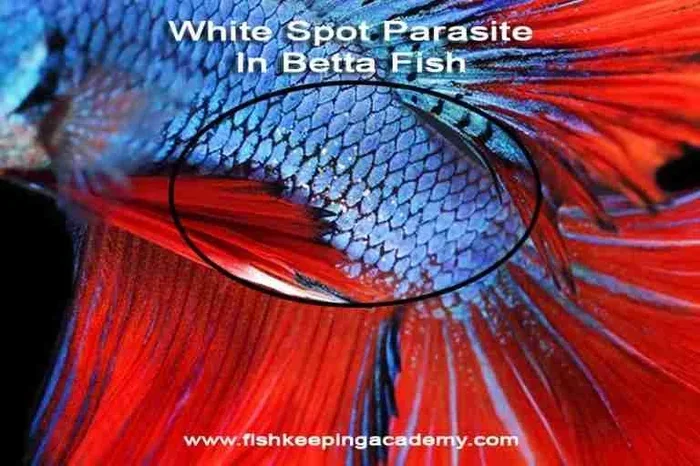
If you have ever noticed tiny white spots on your betta, you might wonder what is going on. Those spots could be a sign of ich, one of the most common fish diseases out there. Ich is caused by a tiny parasite called Ichthyophthirius multifiliis. It attaches itself to your fish’s body, fins, and gills, causing discomfort and serious health problems if left untreated.
The best thing you can do is learn how to tell if your betta fish has ich so you can start treatment right away. Many fish owners feel panic when they first see white spots on their betta. The good news is that ich is very treatable, especially when you catch it early. Understanding what ich looks like and how it spreads is the first step toward saving your fish.
In this article, you will learn the signs, causes, and best ways to treat and prevent ich. You will also discover why some fish get ich more than others and what you can do to protect your tank. Let us dive into everything you need to know about ich in betta fish.
How Does Ich Affect Betta Fish?
Once the ich parasite attaches to your betta, it burrows into the skin and feeds on cells and body fluids. This creates small white cysts that you can see with the naked eye. Each cyst can release hundreds of new parasites into the water, which then look for new hosts. The cycle repeats quickly, which is why ich can spread so fast in a tank.
Your betta fish may scratch against rocks or decorations as the parasites irritate the skin. You might also notice your fish breathing faster than usual. These are clear signs that something is wrong and needs attention right away.
Some people confuse ich with other conditions like velvet disease or columnaris. While these diseases share some symptoms, each one requires a different approach to treatment. Learning to identify ich correctly will help you choose the right remedy and avoid wasting time on the wrong solution.
For more details on what happens when your betta shows white spots, check out our guide on what happens if your betta fish has white spots. It covers related conditions and how they differ from ich.
How to Tell If Your Betta Fish Has Ich: Key Symptoms
Spotting ich early gives your betta the best chance of a full recovery. Here are the most common signs to watch for:
- White spots on the body and fins – These look like tiny grains of salt or sugar. They are the most obvious sign of ich and usually appear first on the fins and body.
- Clamped fins – If your betta keeps its fins pressed close to its body, this is a sign of discomfort or pain.
- Loss of appetite – A betta with ich often stops eating or eats much less than usual.
- Rapid breathing – Infected fish may breathe quickly or gasp at the water surface because the parasites irritate the gills.
- Lethargy – Your fish may become less active, spending more time resting at the bottom or hiding.
- Scratching against objects – Also called flashing, this behavior happens when parasites cause itching under the skin.
- Cloudy or milky appearance – In some cases, the skin may look slightly cloudy as the immune system fights the infection.
Not every betta will show all of these symptoms. Some fish display only one or two signs in the early stages. However, if you notice white spots combined with any of the other behaviors listed above, there is a strong chance your fish has ich.
It is also worth noting that early-stage ich can be hard to detect. The white spots may be very small at first and hard to see. Checking your betta closely each day during routine feeding time is one of the best habits you can build. The sooner you spot the problem, the easier it is to treat.
How to Tell Ich Apart from Other Diseases
Several fish diseases look similar to ich, which can make diagnosis tricky. Velvet disease, for example, also causes a fine gold or rust-colored dusting on the fish. Columnaris causes white patches too, but these patches tend to look more fuzzy or cotton-like. Knowing the difference helps you choose the right treatment.
If you are unsure whether your betta is sick, you can learn more about general illness signs in our article on how to tell if my betta fish is sick. It walks you through the most common symptoms of fish diseases beyond just ich.
What Causes Ich in Betta Fish?
Understanding what triggers ich helps you prevent future outbreaks. The parasite that causes ich is present in most aquarium environments, but it only becomes a problem when certain conditions are met. Poor water quality, high fish stress, and sudden environmental changes all create the perfect storm for an outbreak.
Stress as a Leading Cause
Stress is the number one reason ich flares up in betta tanks. When a fish is stressed, its immune system weakens, making it much easier for parasites to take hold. Common stressors include poor water quality, sudden temperature changes, aggressive tank mates, and being moved to a new tank.
Betta fish are particularly sensitive to aquarium temperature. If the water drops below 75°F, your betta becomes sluggish and more vulnerable to disease. Keeping the temperature stable between 78°F and 80°F helps your betta stay strong and fight off infections naturally.
Poor Water Quality
Dirty water is a breeding ground for parasites and bacteria. High levels of ammonia, nitrite, and nitrate weaken your betta’s immune system over time. Regular water changes and proper filtration are essential for keeping the tank environment healthy.
Even if your tank looks clean, harmful chemicals can build up quickly. Testing the water weekly with a liquid test kit is one of the simplest and most effective ways to stay ahead of water quality problems.
Introducing New Fish or Plants
New fish, plants, or decorations that come from other tanks can carry ich parasites without showing any symptoms. This is why quarantining new arrivals for at least two weeks is such an important practice. A quarantine tank lets you observe new fish for signs of disease before introducing them to your main tank.
For more on how to keep your betta strong and resilient against diseases like ich, read our guide on how to make your betta fish healthy again. It covers recovery steps and long-term health strategies.
How to Diagnose Ich Early
Early diagnosis is the key to a successful recovery. The longer ich goes untreated, the more damage the parasites can do to your betta’s gills and body. Catching the signs of fish disease symptoms early gives you a much better chance of a full cure.
Daily Observation Habits
Make it a habit to observe your betta every day. During feeding time, watch how your fish moves, eats, and interacts with its environment. Look closely at the fins, body, and gills for any changes in color, texture, or behavior.
Using a flashlight can help you spot small white cysts that might be hard to see in normal room lighting. Shine the light gently against the glass and look at your fish from different angles. This simple habit takes less than a minute and can catch problems before they escalate.
Using a Magnifying Glass
In the early stages, ich cysts can be very small. A small magnifying glass or a magnifying loupe can help you see them more clearly. Look for tiny white bumps that are raised slightly from the skin. If you see these, it is very likely your betta has ich.
When to Consult a Vet
If you are not sure whether your fish has ich or another condition, consulting a veterinarian who specializes in fish health is always a good idea. A professional can confirm the diagnosis and recommend the most appropriate treatment plan for your specific situation. Do not wait too long, because advanced ich infections can become much harder to treat.
Treatment Options for Ich
Once you confirm that your betta has ich, it is time to act. There are several effective treatment methods available. The right choice depends on the severity of the infection and the setup of your tank. Combining approaches often delivers the best results.
Medication-Based Treatments
There are many over-the-counter medications specifically designed for ich treatment in freshwater aquariums. Look for products that contain formalin, malachite green, or copper-based ingredients. These chemicals target the parasite during its free-swimming stage, which is when it is most vulnerable.
Always follow the dosage instructions on the package carefully. Overdosing can harm your betta and beneficial bacteria in the tank. If you are unsure about the right product, ask for advice at your local fish store or consult an aquatic veterinarian.
For a detailed breakdown of the best medications and step-by-step treatment methods, visit our article on how to treat ich on a betta fish. It provides a complete guide from start to finish.
Temperature-Based Treatment
Raising the water temperature is one of the oldest and most effective home remedies for ich. The parasite’s lifecycle speeds up in warmer water, which means it falls off the fish faster and becomes vulnerable to medication more quickly.
Gradually increase the temperature to about 82°F to 84°F over the course of 24 to 48 hours. Do not raise it too quickly, as sudden temperature changes will stress your betta even more. Maintain the higher temperature for about 10 to 14 days after all visible spots disappear. This ensures that any remaining parasites in the cyst stage are fully eliminated.
Salt Baths
Aquarium salt can be a helpful addition to ich treatment. Salt helps reduce the osmotic stress on your betta’s body and creates an environment that is less favorable for the parasite. Add one teaspoon of aquarium salt per gallon of water, but make sure the salt you use is free of additives like iodine.
Not all bettas tolerate salt equally. Some fish may show signs of stress when salt is added. Monitor your betta closely during a salt treatment and be ready to remove the salt if you notice any negative reactions.
Combining Methods for Best Results
For severe ich infections, combining medication with a temperature increase and salt baths often produces the best results. This multi-pronged approach attacks the parasite at different stages of its lifecycle, giving your betta the strongest chance of recovery.
Remember to remove any carbon filter media during treatment, as carbon can absorb medications and reduce their effectiveness. You can add the carbon back once the treatment is complete.
What to Expect During Recovery
After starting treatment, you may actually see more white spots appear before they disappear. This is normal and happens because the medication causes the cysts to release their parasites, which are then killed by the treatment. Do not panic if this happens. Continue the full course of treatment even after the spots vanish.
Recovery time varies depending on the severity of the infection. Mild cases may clear up within a week, while more serious infections can take two to three weeks. Patience and consistency are key to a full recovery. Keep monitoring your fish daily and adjust treatment if needed.
Preventing Ich in Your Betta Tank
Prevention is always better than cure. Taking a few proactive steps can greatly reduce the risk of ich ever appearing in your tank. Good fish tank maintenance and a calm environment go a long way in keeping your betta healthy.
Maintain Stable Water Parameters
Keep ammonia and nitrite levels at zero and nitrate levels below 20 ppm. Test the water regularly and perform partial water changes of 25 to 30 percent every week. Clean gravel and remove uneaten food to prevent harmful buildup. Stable water parameters are the foundation of disease prevention in any aquarium.
Avoid Overcrowding
Overcrowded tanks create more waste and increase stress on all the fish. Make sure your tank is appropriately sized for the number of inhabitants. A single betta does well in a tank of at least 5 gallons, but larger is always better. If you keep tank mates, choose peaceful species that will not harass your betta.
Quarantine New Additions
Always quarantine new fish, plants, and decorations for at least two weeks before adding them to your main tank. This simple step can prevent the introduction of ich and many other diseases. A quarantine tank is a small investment that pays off big time in keeping your main tank healthy.
Reduce Stress Factors
Keep the tank in a quiet area away from loud noises and direct sunlight. Avoid sudden changes in lighting or water flow. Provide hiding spots and gentle filtration to create a calm environment where your betta feels safe. Reducing fish stress strengthens the immune system and makes your betta naturally more resistant to parasitic infections.
For more tips on keeping your betta in top shape, explore our article on how to make your betta fish stronger. It covers exercise, diet, and environmental enrichment that boost your fish’s immune system.
Regular Tank Maintenance
A clean tank is a healthy tank. Establish a consistent maintenance routine that includes weekly water changes, filter cleaning, and equipment checks. Staying on top of these small tasks saves you from dealing with major health problems down the road. Consistent fish tank maintenance is the single best thing you can do for your betta’s long-term health.
Conclusion
Knowing how to tell if your betta fish has ich is an essential skill for every fish owner. By watching for white spots, clamped fins, rapid breathing, and loss of appetite, you can catch ich early and start treatment before it becomes life-threatening. The combination of medication, temperature adjustment, and salt baths provides a powerful approach to eliminating the parasite from your tank.
Prevention plays an equally important role. Stable water parameters, a stress-free environment, and proper quarantine procedures go a long way in keeping ich away. Your betta fish depends on you for its health and well-being, and the effort you put into learning about diseases like ich will pay off with a happier, healthier pet.
Stay vigilant, act quickly, and trust your instincts. You now have the knowledge and tools to protect your betta from ich and give it the best possible life in your care. Your betta will thank you with vibrant colors and lively behavior for years to come.
Frequently Asked Questions
What does ich look like on a betta fish?
Ich appears as tiny white spots that look like grains of salt or sugar scattered across the body, fins, and gills. These spots are caused by parasites burrowing into the skin and forming small cysts that are visible to the naked eye.
Can ich kill a betta fish?
Yes, if left untreated, ich can be fatal because the parasites damage the gills and weaken the immune system. However, with prompt treatment and proper care, most betta fish recover fully from ich infections.
How long does it take to cure ich in a betta fish?
Mild cases of ich usually clear up within 7 to 10 days of treatment. More severe infections may take two to three weeks. It is important to continue treatment for the full duration even after the spots disappear to prevent a relapse.
Can ich spread to other fish in the tank?
Yes, ich is highly contagious and can spread rapidly to other fish in the same tank. The parasite releases hundreds of new organisms from each cyst, making quick action essential to protect all inhabitants in your aquarium.
Is ich contagious to humans?
No, the ich parasite that affects fish cannot infect humans. It is specific to freshwater fish and poses no health risk to people. You can safely handle your betta during treatment without any concern.
What is the fastest way to get rid of ich?
The fastest approach is combining a temperature increase to 82°F to 84°F with medication containing formalin or malachite green. This dual method attacks the parasite at multiple life stages simultaneously and delivers results much faster than using just one treatment alone.