How to Teach a Betta Fish to Jump

Teaching your betta fish to jump is a fun and rewarding experience that strengthens the bond between you and your fish. With the right betta fish training techniques, patience, and a safe setup, your betta can learn this impressive trick in just a few weeks. This guide covers everything from environment setup to step-by-step jump training methods that actually work.
Teaching a betta fish to jump might sound like something out of a circus act. But it is actually a real thing that many betta owners do at home. How to teach a betta fish to jump is a question that pops up a lot in fishkeeping communities. And the good news is that it is easier than you think.
Betta fish are smarter than most people give them credit for. They can recognize their owners, learn simple routines, and even perform tricks. Jump training is one of the most impressive tricks you can teach. It also gives your fish much-needed mental stimulation. In this guide, we walk you through every step of the process.
If you are curious about what other tricks bettas can learn, check out our guide on can you teach a betta fish to do tricks for more ideas.
## Why Teach Your Betta Fish to Jump
Betta fish are natural jumpers. In the wild, they live in shallow rice paddies and slow-moving streams. Sometimes they need to leap out of the water to catch insects or escape danger. This means jumping is already in their nature. You are just channeling that instinct in a safe way.
### Understanding Betta Fish Behavior
Before you start any training, it helps to understand how bettas think. Bettas are curious creatures. They explore their surroundings and respond to movement above the water. They also connect actions with rewards. Once your betta realizes that jumping leads to a tasty treat, they will start trying it on their own.
Betta fish behavior plays a big role in how quickly they learn. Some bettas are bold and eager. Others are shy and need more time. Watching your fish’s personality will help you adjust your approach.
### Benefits of Jump Training
There is more to jump training than just a cool trick. Here are some real benefits:
– Mental stimulation keeps your betta healthy and active
– Training sessions create a stronger bond between you and your fish
– It encourages natural behavior in a safe environment
– Jumping helps improve your betta’s appetite and overall energy
– It gives you a fun way to interact with your pet daily
Training also helps you notice changes in your betta’s health early. A fish that refuses to participate in training might be telling you something.
## Preparing the Right Environment
You cannot just toss a betta into a tank and expect them to jump on command. The environment matters a lot. A stressed fish will not learn anything. A comfortable fish will thrive and pick up new behaviors quickly.
### Setting Up the Tank for Training
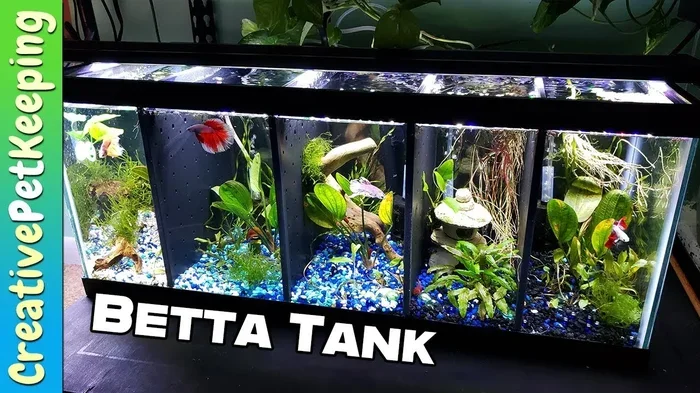
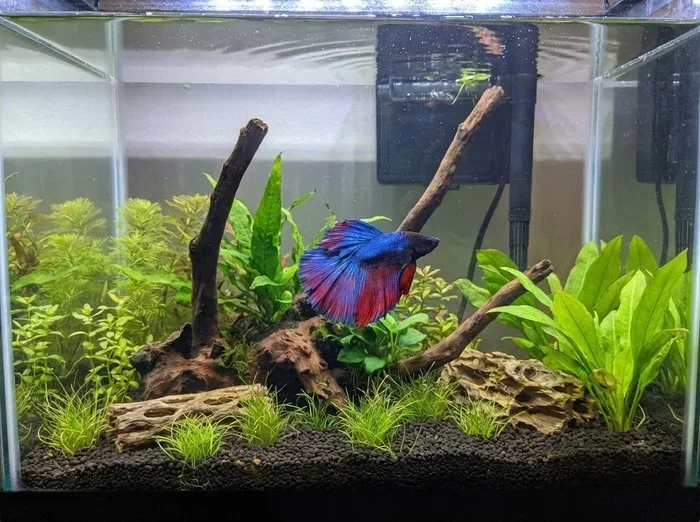
Start with a proper tank setup. Bettas need at least a 5-gallon tank to stay healthy. Make sure the water is clean and the temperature is between 78 and 80 degrees Fahrenheit. A set up a fish tank for betta fish guide can help you get the basics right if you are starting fresh.
Here is what you need for a good training environment:
– A clean tank with stable water parameters
– A gentle filter that does not create strong currents
– A few plants or decorations for hiding spots
– A lid with a small gap or opening for jumping
– Soft lighting to reduce stress
The lid is especially important. Bettas are known jumpers, and they can leap out of open tanks. You want a small opening just big enough for your betta to jump through during training. Never leave the tank completely uncovered.
### Water Quality and Temperature
Take care of betta fish water before you begin any training routine. Dirty water will make your fish sluggish and uninterested. Test the ammonia, nitrite, and nitrate levels regularly. Do partial water changes every week to keep things fresh.
Temperature is equally important. Bettas are tropical fish and need warm water to stay active. If the water is too cold, your betta will be lethargic and will not want to train. If you do not have a heater, look into ways to keep your betta fish warm without a heater.
## Step-by-Step Jump Training Guide
Now comes the fun part. Here is a clear, step-by-step approach to teaching your betta to jump.
### Building Trust First
You cannot train a betta that does not trust you. Spend a few days just sitting near the tank. Talk softly and let your fish get used to your presence. This is also a great way to grow a bond with your betta fish.
During this phase, feed your betta by hand. Drop the food near your fingers and let them come to you. Once your betta eats from your hand consistently, you are ready to move to the next step. Trust is the foundation of all successful betta fish training.
### Using Food as Motivation
Bettas are food-driven. Use this to your advantage. Pick a high-value treat that your betta loves. Bloodworms, brine shrimp, or daphnia work great. These should be different from their regular pellets so they feel like a special reward.
Start by holding the treat just above the water surface. Wait for your betta to rise up. At first, they might just hover at the top. That is perfectly fine. The goal is to get them comfortable being near the surface.
### Gradual Height Progression
Once your betta is consistently going to the surface for food, you can start raising the bar. Literally. Hold the treat a little higher each session. Your betta will stretch and eventually break the surface. The moment they do, reward them immediately.
Here is a simple progression plan:
– Week 1: Hold the treat at the water surface
– Week 2: Hold the treat just above the surface
– Week 3: Encourage a full jump by holding the treat higher
– Week 4: Add a cue word like “jump” before presenting the treat
Keep each session short. Five to ten minutes is plenty. Overdoing it will exhaust your fish and make them lose interest.
## Common Mistakes to Avoid
Even with the best intentions, many betta owners make mistakes during training. Here are the most common ones:
– Forcing your betta to jump by pushing them with your finger
– Training sessions that are too long or too frequent
– Using low-quality food that does not motivate your fish
– Ignoring water quality and letting the tank get dirty
– Getting frustrated and giving up too quickly
Remember that every betta learns at their own pace. Some pick up jumping in a few days. Others take weeks. The key is to stay patient and consistent. Never punish or stress your fish during training.
## Keeping Your Betta Fish Healthy During Training
Training should never come at the cost of your fish’s health. Here are some important tips to keep in mind.
First, limit treats. Jump training uses extra food as rewards. Too many treats can lead to bloating and constipation. Feed your betta their regular meals first and use treats only during training sessions.
Second, watch for signs of stress. If your betta stops eating, hides constantly, or loses color, take a break from training. A stressed betta fish needs rest and comfort, not more challenges.
Third, make sure the water is always clean. Training can increase your betta’s activity level, which means more waste. Stay on top of water changes and filter maintenance.
## Advanced Tips for Experienced Fish Owners
Once your betta has mastered the basic jump, you can level things up. Try adding a cue word or hand signal before the jump. Over time, your betta will associate the cue with the action and the reward.
You can also try different heights and angles. Some owners use a target stick to guide their betta’s jumping direction. This is advanced training and works best with bettas that have already mastered the basics.
Just remember that not every betta will become a jumping star. And that is perfectly okay. The training process itself is valuable. It gives you time to connect with your fish and observe their unique personality.
## Conclusion
Teaching your betta fish to jump is one of the most rewarding things you can do as a fish owner. It is not just about the trick itself. It is about building trust, providing enrichment, and deepening your connection with your pet. With patience, the right environment, and consistent training, your betta can learn to jump on command.
Start slow, keep sessions short, and always put your fish’s health first. Whether you are a beginner or an experienced aquarist, how to teach a betta fish to jump is a skill that brings joy to both you and your fish. Grab some treats, set up the right environment, and enjoy the journey.
Key Takeaways
- Jump training builds trust: Teaching your betta to jump is a great way to grow a bond with your betta fish and keep them mentally stimulated.
- Start slow and be patient: Rushing the process can stress your fish. Gradual steps are the key to successful betta fish training.
- Environment matters: Proper water quality, temperature, and tank setup make a huge difference in your betta’s willingness to learn.
- Use food motivation: High-value treats like bloodworms and brine shrimp are the best rewards for positive reinforcement during training.
- Safety first: Always keep the tank lid slightly open and never force your betta to jump. Betta fish care during training is essential.
- Short sessions work best: Keep training sessions to 5-10 minutes to avoid overstimulating your fish.
Frequently Asked Questions
How long does it take to teach a betta fish to jump?
Most bettas learn to jump within two to four weeks with consistent daily training. Some faster learners may pick it up in just a few days, while shy bettas might take longer. Patience and regular short sessions are the keys to success.
Is jump training safe for betta fish?
Yes, jump training is safe as long as you keep the tank environment clean and stress-free. Never force your betta to jump, and always use high-value treats as positive reinforcement. A healthy, well-cared-for betta will enjoy the mental stimulation.
What treats work best for betta fish jump training?
Bloodworms, brine shrimp, and daphnia are the best treats for training. These are high in protein and most bettas find them irresistible. Use them sparingly as rewards during training and do not replace regular meals with treats.
Can I train my betta fish to jump out of the tank?
No, you should never train your betta to jump out of the tank. The goal is to encourage jumping within the water column or just above the surface in a controlled way. Always keep a secure lid with a small opening to prevent accidental escapes.
What if my betta fish refuses to jump during training?
Some bettas are naturally less active or more cautious. If your fish is not interested, try switching to a different treat or shortening the training sessions. Make sure the water conditions are ideal and that your fish is healthy before continuing.
Do I need a special tank setup for jump training?
You need a clean tank with stable water parameters and a lid with a small gap. Beyond that, no special equipment is required. A well-maintained tank with proper temperature and low stress is the best setup for any betta training activity.