How to Take Care of a Betta Fish Yahoo Answers
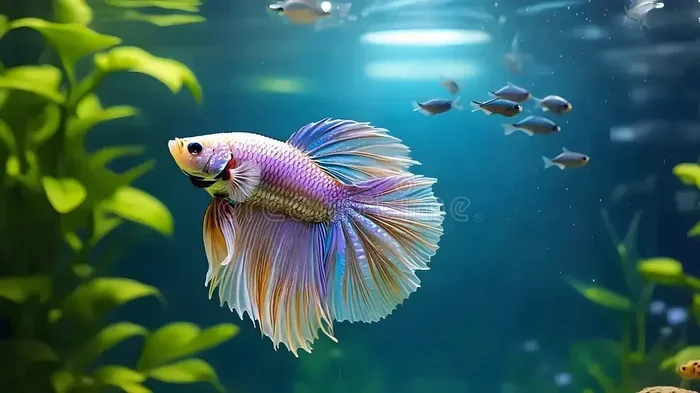
Our guide covers everything you need to know about betta fish care, pulling together common advice from Yahoo Answers and verified expert insights. You will learn how to set up the perfect tank, feed your betta properly, maintain water quality, and keep your fish healthy and happy.
Many people turn to Yahoo Answers when they first get a betta fish. They want quick, real-world advice from fellow fish keepers. The good news is that a lot of that advice is solid. But there is so much more to know about betta fish care than what fits in a short Yahoo Answers post.
If you have ever searched “how to take care of a betta fish Yahoo answers,” you know the mix of helpful tips and outdated myths out there. Some answers say bettas can live in tiny cups. Others swear by bowls with no filters. The truth is somewhere in between, and this guide will help you sort fact from fiction. Whether you are a complete beginner or looking to level up your care routine, you will find practical steps that really work.
Key Takeaways
- Proper Tank Setup: A minimum 5-gallon tank with a heater and filter is essential for your betta fish to thrive.
- Water Quality Matters: Regular water changes and proper conditioning prevent common health problems.
- Feeding Habits: Feed your betta small amounts twice a day with high-quality pellets or frozen food.
- Health Monitoring: Watch for signs of stress or disease like clamped fins, lethargy, or loss of appetite.
- Warm Water Is Critical: Maintain a steady temperature between 76°F and 82°F for optimal betta health.
📑 Table of Contents
- Why People Turn to Yahoo Answers for Betta Fish Care
- Setting Up the Perfect Betta Fish Tank
- Feeding Your Betta Fish Properly
- Water Quality and Maintenance
- Keeping Your Betta Fish Healthy
- Winter Care and Temperature Management
- Common Mistakes People Make with Betta Fish Care
- Expert Insights on Betta Fish Care
- Conclusion
Why People Turn to Yahoo Answers for Betta Fish Care
Yahoo Answers has been a go-to place for pet owners for years. People ask questions about their betta fish because they are curious, worried, or just need quick help. The community is large and diverse. You can find answers from beginners and experts alike. But not every answer is accurate.
Here are some common reasons people search for betta care advice on Yahoo Answers:
- Quick fixes: People want fast solutions when their fish looks sick.
- Cost concerns: Many users ask about cheap ways to set up a betta tank.
- Behavior questions: “Why is my betta hiding?” or “Why is my betta not eating?” are common queries.
- Tank setup advice: Beginners often ask about bowl vs. tank debates.
- Feeding confusion: There is a lot of conflicting advice about what and how often to feed bettas.
The problem with Yahoo Answers is that anyone can reply. There is no quality control. Some advice is outdated. Some is just plain wrong. This guide gives you the reliable information you need, backed by proven betta fish care practices.
Setting Up the Perfect Betta Fish Tank
A proper tank setup is the foundation of good betta fish care. Many Yahoo Answers posts suggest a tiny bowl. That advice is outdated and harmful. Bettas need space, clean water, and the right environment to live a long, healthy life.
Tank Size Matters
The smallest tank you should use for a betta is 5 gallons. A 10-gallon tank is even better. Here is why tank size matters so much:
- More stable water parameters: Larger water volumes dilute toxins faster.
- Room to swim: Bettas are active fish that enjoy exploring.
- Easier maintenance: Bigger tanks are more forgiving of small mistakes.
- Better filtration: You can use a gentle filter that does not create too much current.
Many people on Yahoo Answers ask if bettas can live in bowls. The short answer is no. Bowls are too small, hard to heat, and difficult to maintain. If you want your betta to thrive, invest in a proper tank. For more detailed setup guidance, check out our article on how to set up a fish tank for betta fish.
Heating and Filtration
Betta fish are tropical. They need warm water to stay healthy. A small aquarium heater set to 78°F is ideal. You also need a gentle filter. Bettas do not like strong currents, so choose a sponge filter or adjust the flow with an baffle.
Here is a simple setup checklist:
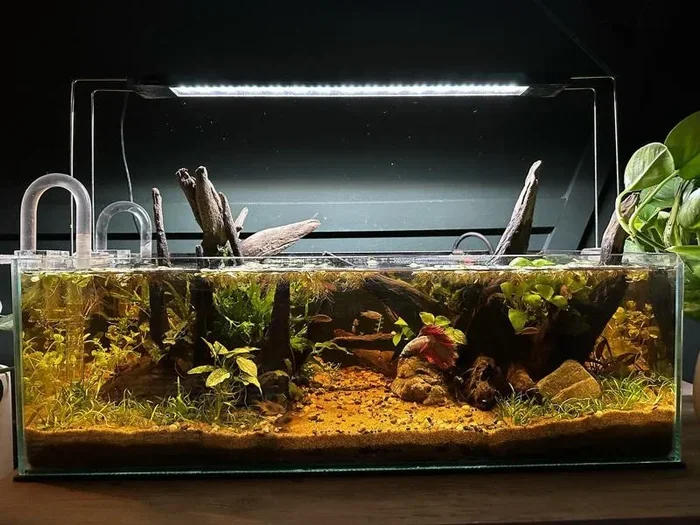
- 5-gallon or larger tank with a lid (bettas can jump).
- Adjustable aquarium heater set between 76°F and 82°F.
- Sponge filter for gentle water flow.
- Substrate like fine gravel or sand.
- Live or silk plants for hiding spots and enrichment.
- Thermometer to monitor water temperature.
Getting the setup right from day one saves you a lot of trouble later. It also means fewer trips to the vet and a much happier fish.
Feeding Your Betta Fish Properly
Feeding is one of the most discussed topics on Yahoo Answers when it comes to betta care. People ask what to feed, how much, and how often. The answers vary wildly. Let us clear up the confusion.
What to Feed Your Betta
Betta fish are carnivores. They need a protein-rich diet. Here are the best food options:
- High-quality betta pellets: Look for pellets with fish meal as the first ingredient. These should make up the bulk of your betta’s diet.
- Frozen or live foods: Bloodworms, brine shrimp, and daphnia are excellent treats and supplements.
- Freeze-dried foods: These are convenient and still nutritious. Soak them before feeding to avoid digestive issues.
Avoid feeding your betta only flakes. Most flakes are designed for tropical community fish, not carnivorous bettas. They lack the protein levels your betta needs.
Feeding Schedule and Portions
Feed your betta small amounts twice a day. A good rule of thumb is to offer only what your fish can eat in two minutes. Overfeeding is one of the most common mistakes new betta owners make.
Overfeeding leads to:
- Water pollution: Uneaten food rots and raises ammonia levels.
- Constipation: Bettas are prone to bloating and swim bladder issues.
- Obesity: Yes, fish can get fat too.
One day per week, skip feeding entirely. This gives your betta’s digestive system a break and helps prevent constipation. For more detailed feeding tips, read our guide on how to care for a betta fish.
Water Quality and Maintenance
If there is one thing every Yahoo Answers post agrees on, it is this: clean water is essential. But knowing how to maintain water quality is a different story. Let us break it down simply.
The Importance of Water Changes
Regular water changes are the single most important thing you can do for your betta. In a 5-gallon tank, you should change 25% to 30% of the water every week. In a smaller tank, you may need to do more frequent partial changes.
Here is a simple routine to follow:
- Siphon out debris from the substrate during each water change.
- Use a water conditioner to remove chlorine and chloramine from tap water.
- Match the temperature of new water to the tank water.
- Test water parameters regularly using an aquarium test kit.
Never do a full water change all at once. This shocks your betta and can kill beneficial bacteria that help break down waste. For step-by-step instructions on preparing water for your betta, visit our article on how to prepare water for a betta fish.
Understanding the Nitrogen Cycle
The nitrogen cycle is the process that breaks down harmful toxins in your tank. Ammonia from fish waste converts to nitrite, then to nitrate. Nitrate is less harmful and gets removed through water changes.
You need to cycle your tank before adding your betta. This means growing enough beneficial bacteria to process waste. An uncycled tank is the number one cause of betta fish death among beginners. It takes about 4 to 6 weeks to cycle a new tank properly.
Key water parameters for bettas:
- Ammonia: 0 ppm
- Nitrite: 0 ppm
- Nitrate: Below 20 ppm
- pH: 6.5 to 7.5
- Temperature: 76°F to 82°F
Keeping Your Betta Fish Healthy
Even with the best setup, bettas can get sick. Knowing the signs of trouble early makes a huge difference. Many people on Yahoo Answers ask about ich, fin rot, and stress. Let us cover the basics of betta fish health.
Common Betta Fish Diseases
Here are the most common health issues bettas face:
- Ich (white spot disease): Small white spots on the body and fins. Caused by stress and poor water quality. Treat with raised temperature and medication.
- Fin rot: Frayed or decaying fins. Usually caused by bacterial infection from dirty water. Improve water quality and use antibacterial treatment.
- Swim bladder disease: Fish swims sideways or struggles to stay upright. Often caused by overfeeding or constipation. Fast your fish for 24 to 48 hours and feed a peeled pea.
- Fungal infections: White cotton-like growths on the body. Treat with antifungal medication.
Prevention is always better than cure. Keep the water clean, maintain stable temperatures, and feed a balanced diet. For advice on treating a stressed betta, see our article on how to treat a stressed betta fish.
Signs of a Happy, Healthy Betta
How do you know your betta is doing well? Look for these positive signs:
- Bright, vibrant colors: A healthy betta shows rich, vivid colors.
- Active swimming: Your fish should explore the tank and respond to you.
- Healthy appetite: A betta that eagerly eats is a happy betta.
- Intact fins: Fins should be smooth and flowing, not torn or discolored.
- Built bubble nests: Male bettas build bubble nests when they feel safe and content.
If your betta shows any of these signs, you are doing a great job. If not, it is time to check your water parameters and routine.
Winter Care and Temperature Management
One topic that comes up frequently on Yahoo Answers is how to care for betta fish during colder months. Betta fish are tropical and sensitive to temperature drops. In winter, room temperatures can fall below what your betta needs.
If your home gets cold, a heater is non-negotiable. Do not rely on room temperature alone. Even if you do not use a heater, monitor the water temperature daily with a thermometer. For detailed tips on keeping your betta warm, read our guide on how to take care of betta fish in winter.
Some owners also ask about alternatives to heaters. While there are a few methods like placing the tank in a warm room or using a heat lamp, these are not as reliable as a proper aquarium heater. A heater with a thermostat gives you consistent, worry-free temperature control.
Common Mistakes People Make with Betta Fish Care
Learning from other people’s mistakes can save your betta’s life. Here are the most common errors new owners make, based on patterns seen in Yahoo Answers and real-world experience:
- Keeping bettas in bowls or cups: This is the biggest myth. Bettas need at least 5 gallons of space.
- Skipping the tank cycle: Adding a betta to an uncycled tank almost always leads to health problems.
- Overfeeding: Bettas have small stomachs. A few pellets twice a day is plenty.
- Using cold water: Room temperature water is almost always too cold for bettas.
- Ignoring water changes: Even with a filter, regular water changes are essential.
- Housing male bettas together: Male bettas are territorial and will fight, often to the death.
Avoiding these mistakes puts you ahead of most beginner betta keepers. Your fish will live longer, look better, and be more active.
Expert Insights on Betta Fish Care
Veterinarians and experienced aquarists agree on a few key principles for betta care. First, always cycle your tank before introducing your betta. Second, invest in a heater and a gentle filter. Third, do not skip water changes. Fourth, feed a varied, protein-rich diet. These four steps alone will dramatically improve your betta’s quality of life.
Many people find conflicting advice online, which is confusing. The key is to look for information from reputable sources. Aquarium hobby organizations, university extension programs, and experienced fish keepers are your best resources. Yahoo Answers can give you a starting point, but always cross-check with trusted guides.
Remember that every betta fish is an individual. Some are more active, some are lazier. Some eat eagerly, some are picky. Observing your own fish and responding to its unique needs is just as important as following general care guidelines.
Conclusion
Taking care of a betta fish is a rewarding experience. It does not have to be complicated or expensive. With the right tank setup, proper feeding, clean water, and regular monitoring, your betta can live a happy and healthy life for three to five years or even longer.
The advice you find on Yahoo Answers can be a helpful starting point, but always verify it with reliable sources. This guide has covered the essentials of betta fish care from tank setup to health monitoring. Use these tips to give your betta the best life possible. Your fish will thank you with vibrant colors, active swimming, and a joyful bubble nest.
Start with the basics, stay consistent, and enjoy the journey of being a betta fish owner. You have got this.
Frequently Asked Questions
Can a betta fish live in a bowl without a filter?
Technically, a betta can survive in a small unfiltered bowl, but it will not thrive. Bowls are too small to maintain stable water parameters. Without a filter, waste builds up quickly and stresses your fish. A 5-gallon tank with a gentle sponge filter is the minimum for a healthy, happy betta.
How often should I change my betta fish water?
For a 5-gallon tank, change 25% to 30% of the water every week. Smaller tanks need more frequent changes. Always use a water conditioner to remove harmful chemicals from tap water before adding it to the tank. Consistent water changes are the key to preventing disease and keeping your betta healthy.
What temperature should my betta fish tank be?
The ideal temperature for a betta fish tank is between 76°F and 82°F. Use an adjustable aquarium heater with a thermostat to maintain a steady temperature. Sudden temperature drops can stress your betta and make it susceptible to illness. Monitor the temperature daily with an aquarium thermometer.
Why is my betta fish not eating?
A betta that refuses food may be stressed, sick, or simply not hungry. Check the water temperature and parameters first, as poor water quality is the most common cause. If the tank conditions are good, try offering different foods like frozen bloodworms or brine shrimp. If your betta still refuses food for more than three days, look for other signs of illness.
Can betta fish live with other fish?
Male bettas should never be housed with other male bettas. They are highly territorial and will fight aggressively. Female bettas can sometimes live together in groups called sororities, but this requires a large tank and careful setup. Some peaceful community fish like corydoras or snails can coexist with a betta in a well-planted 10-gallon tank or larger.
How long do betta fish live?
With proper care, betta fish typically live between three and five years. Some well-cared-for bettas have been known to live up to seven years. The key factors that influence lifespan include tank size, water quality, diet, and stress levels. Giving your betta a proper setup from day one gives it the best chance at a long, healthy life.
=== INTERNAL LINKS USED ===
1. How To Set Up A Fish Tank For Betta Fish — linked in the tank setup section.
2. How To Care For A Betta Fish — linked in the feeding section.
3. How To Prepare Water For A Betta Fish — linked in the water quality section.
4. How To Treat A Stressed Betta Fish — linked in the health section.
5. How To Take Care Of Betta Fish In Winter — linked in the winter care section.