How to Take Care If a Betta Fish
Learning how to take care of a betta fish is easier than you think. This guide covers everything from tank setup and water temperature to feeding routines and common health issues. Whether you are a new fish owner or looking to improve your care routine, you will find practical tips to keep your betta healthy and happy.
Taking care of a betta fish is one of the most rewarding experiences for any pet lover. These colorful little creatures have personality, flair, and a way of making you feel like their whole world revolves around you. But behind those beautiful flowing fins lies a creature that needs proper attention to truly thrive.
If you have ever wondered how to take care of a betta fish the right way, you are in the right place. This guide walks you through every important detail, from setting up the perfect tank to keeping your fish healthy and happy for years to come. Let us dive in.
Key Takeaways
- Right Tank Size Matters: A minimum 5-gallon tank gives your betta room to thrive and stay active.
- Water Quality Is Critical: Regular water changes and proper conditioning prevent illness and stress.
- Feed Smart, Not Too Much: Overfeeding is one of the most common mistakes betta owners make.
- Watch for Warning Signs: Knowing early symptoms of illness saves lives and reduces vet costs.
- Keep the Water Warm: Betta fish need stable temperatures between 76-82°F to stay healthy.
📑 Table of Contents
Understanding Your Betta Fish Needs
Betta fish, also known as Siamese fighting fish, are native to the warm, slow-moving waters of Southeast Asia. They are not the simple little pets many people assume them to be. In fact, bettas have specific needs that, when met, allow them to live happy and fulfilling lives.
On average, a well-cared-for betta fish can live between 3 to 5 years. Some lucky owners even reach the 7-year mark. The key to unlocking that kind of lifespan lies in understanding what these fish truly need. It is not just about dropping them in a bowl and feeding them flakes.
Bettas are labyrinth fish, which means they breathe air from the surface. This unique trait shapes everything about their care. They need access to the water surface, warm water, and a clean environment. Understanding these basics sets the foundation for everything else you will do as a betta owner.
Betta Fish Personality and Behavior
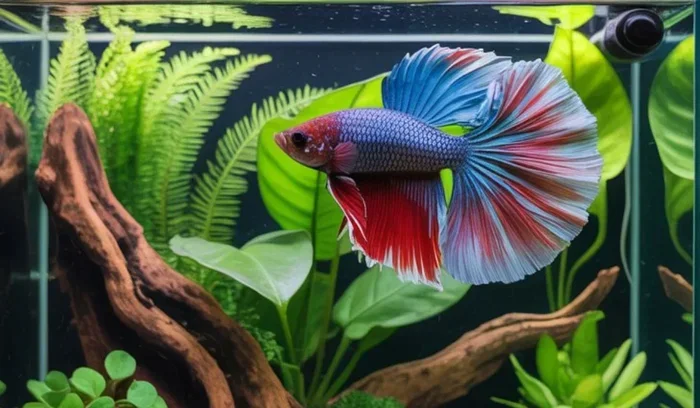
One of the most fascinating things about bettas is their personality. They are curious fish that explore their surroundings, watch you from across the room, and even recognize their owners over time. Male bettas in particular are known for their dramatic fin displays and territorial behavior.
Bettas also need mental stimulation. A boring tank with nothing to explore can lead to stress and lethargy. Adding plants, caves, and open swimming space keeps them engaged. A stimulated betta fish is a healthy betta fish.
Setting Up the Perfect Betta Fish Tank
The tank you choose plays a huge role in your betta’s well-being. Many people make the mistake of buying a tiny bowl and calling it good. While bettas can survive in small spaces, they thrive in environments that give them room to move.
Choosing the Right Tank Size
A 5-gallon tank is the minimum recommended size for a single betta. This gives your fish enough space to swim, explore, and establish a comfortable territory. Tanks smaller than 3 gallons are too small for long-term health and make maintaining stable water conditions much harder.
If you want to keep multiple fish, you will need a larger tank with proper dividers. Bettas are territorial, especially males, and should never be housed together without barriers. For more details on tank setup, check out this guide on how to set up a fish tank for betta fish.
Essential Equipment for Your Betta Tank
Here is a simple list of what you need to get started:
- Tank: Minimum 5 gallons, preferably with a lid to prevent jumping.
- Filter: A gentle sponge filter keeps water clean without creating strong currents.
- Heater: Bettas need warm water, so a reliable heater is essential.
- Thermometer: Lets you monitor water temperature daily.
- Water Conditioner: Removes chlorine and harmful chemicals from tap water.
- Substrate: Soft gravel or sand works best for betta tanks.
- Plants and Decorations: Live or silk plants provide hiding spots and enrichment.
Setting up the tank before bringing your betta home is crucial. You want the water to cycle properly and reach stable conditions. Rushing this process can lead to health problems down the road.
Ideal Water Temperature for Bettas
Betta fish need warm water to stay healthy. The ideal temperature range is between 76°F and 82°F. Water that is too cold slows their metabolism and weakens their immune system. Water that is too hot reduces oxygen levels and causes stress.
During winter months, maintaining stable temperatures becomes even more important. If your home gets cold, consider investing in a reliable heater with a built-in thermostat. For seasonal care tips, you can read more about how to take care of betta fish in winter.
Feeding Your Betta Fish the Right Way
Feeding your betta might seem simple, but it is one of the areas where most mistakes happen. Bettas are carnivorous by nature, and their diet should reflect that. Flakes alone do not provide the nutrition they need.
Best Foods for Betta Fish
A healthy betta diet includes a variety of foods:
- Betta Pellets: High-quality pellets formulated for bettas should be the staple of their diet.
- Frozen or Live Foods: Bloodworms, brine shrimp, and daphnia make excellent treats.
- Freeze-Dried Foods: These are convenient and still packed with nutrients.
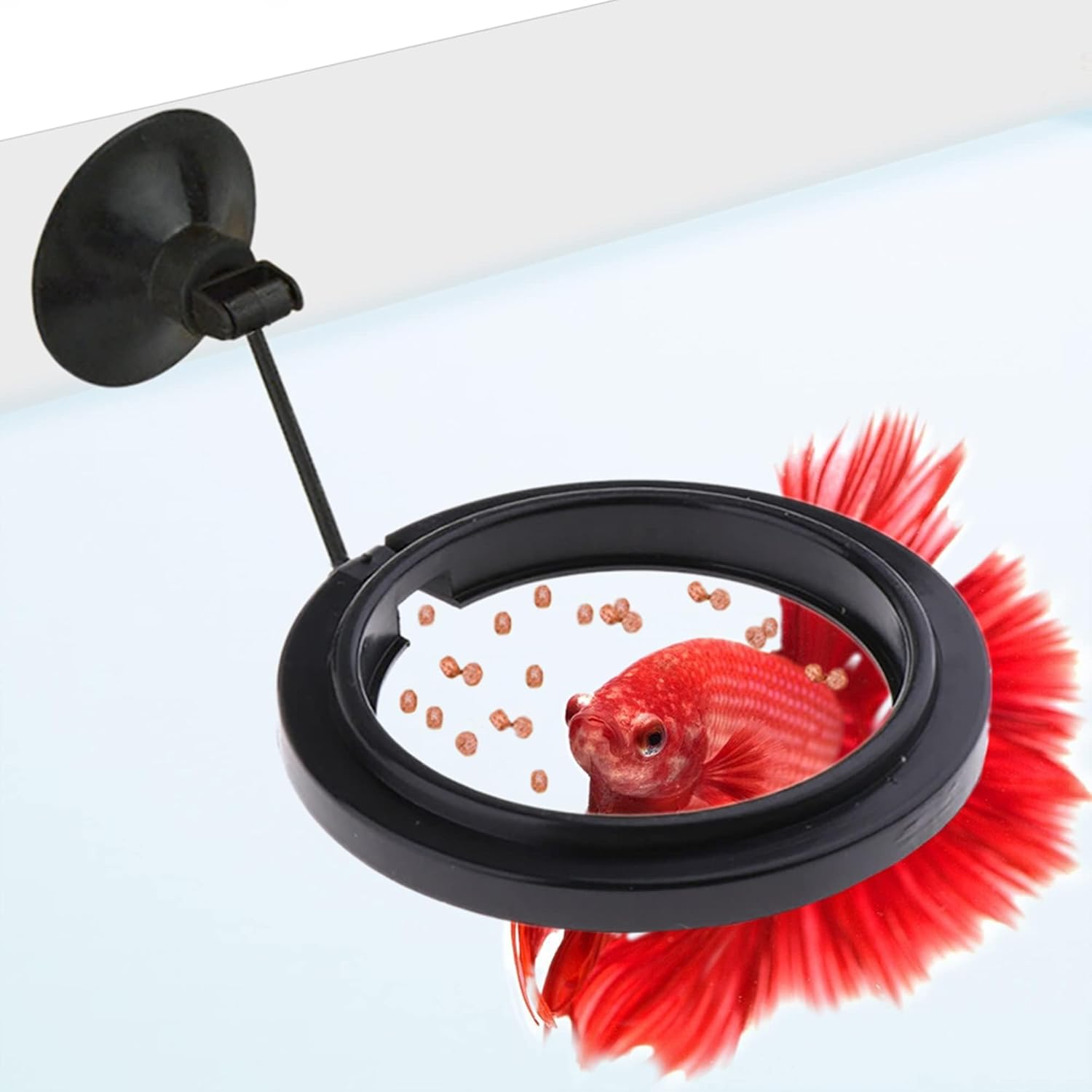
You should feed your betta 2 to 3 small meals per day. A good rule of thumb is to offer only what your fish can eat in 2 minutes. Uneaten food decays quickly and pollutes the water, leading to ammonia spikes and potential illness.
Occasionally, you can offer a pea as a treat to help with digestion. Just make sure to remove the shell and feed a tiny portion. For a detailed guide on this, see how to feed a pea to a betta fish.
Common Feeding Mistakes
Overfeeding is the number one mistake betta owners make. It leads to bloating, constipation, and poor water quality. Bettas have small stomachs, roughly the size of their eye. Keeping portions small and feeding schedules consistent goes a long way.
Another mistake is relying solely on flakes. While not harmful, flakes lack the protein content bettas need. Switch to pellets as the main food source and use flakes only as an occasional supplement.
Maintaining Water Quality
Clean water is the single most important factor in betta fish care. Dirty water leads to stress, illness, and a shortened lifespan. Keeping your betta’s environment clean does not have to be complicated, but it does require consistency.
Water Changes and Cycling
For a 5-gallon tank, you should perform a 25% water change every week. This removes waste buildup, excess food, and harmful chemicals. For larger tanks, a 20% weekly change works well.
Before adding new water, always treat it with a water conditioner. Tap water contains chlorine and chloramine that are toxic to fish. A good conditioner neutralizes these chemicals instantly and makes the water safe.
Cycling your tank before adding your betta is equally important. Cycling builds beneficial bacteria that break down ammonia and nitrites. Skipping this step often leads to ammonia poisoning, which can be fatal. If you are unsure about the process, this article on how to properly take care of betta fish covers cycling in detail.
Testing Water Parameters
Investing in a simple liquid test kit is one of the best decisions you can make. Test for ammonia, nitrites, nitrates, and pH levels regularly. Here is what you should aim for:
- Ammonia: 0 ppm
- Nitrites: 0 ppm
- Nitrates: Below 20 ppm
- pH: Between 6.5 and 7.5
Catching an imbalance early gives you time to correct it before your fish suffers. Make testing part of your weekly routine, just like feeding and water changes.
Keeping Your Betta Fish Healthy
Even with the best care, bettas can sometimes fall ill. Knowing the signs of common health issues helps you act quickly and give your fish the best chance of recovery.
Recognizing Signs of Illness
Watch for these warning signs that something might be wrong:
- Clamped fins: Fins held close to the body often signal stress or illness.
- Loss of color: A faded or dull appearance can indicate poor health.
- Lethargy: Spending too much time at the bottom or not responding to food.
- White spots: A classic sign of ich, a common parasitic infection.
- Bloating: Could indicate overfeeding or a more serious condition like dropsy.
- Rapid breathing: Often a sign of poor water quality or oxygen deprivation.
If you notice any of these symptoms, test your water parameters first. In many cases, poor water quality is the root cause. For more information on identifying serious health problems, check out how to know if a betta fish is dying.
Preventing Stress in Your Betta
Stress weakens a betta’s immune system and makes them vulnerable to disease. Common stressors include sudden temperature changes, aggressive tank mates, bright lights, and loud noises near the tank.
To keep stress levels low, maintain a consistent routine. Feed at the same times each day, perform regular water changes, and avoid moving the tank around frequently. A calm, stable environment keeps your betta thriving.
When to Seek Help
Sometimes home care is not enough. If your betta shows signs of a fungal or bacterial infection that does not improve with water changes and aquarium salt, it may be time to consult a veterinarian who specializes in fish. Acting early can make all the difference in treatment success.
Common Mistakes to Avoid
Every betta owner makes mistakes at some point. The key is learning from them. Here are the most common pitfalls to watch out for:
- Keeping your betta in a tiny bowl: Bettas need at least 5 gallons to truly thrive.
- Skipping the tank cycle: Adding fish to an uncycled tank is one of the fastest ways to harm them.
- Overfeeding: Excess food ruins water quality fast and causes health problems.
- Using cold water: Room temperature water is often too cool for bettas, especially in winter.
- Ignoring water changes: Even with a filter, regular water changes are non-negotiable.
- Adding aggressive tank mates: Not all fish get along with bettas. Research compatibility before adding any new fish.
Avoiding these mistakes puts you ahead of most betta owners. It shows your fish that you care, and the results speak for themselves in a vibrant, active, and long-lived pet.
Quick Tips for Better Betta Care
Here are some bonus tips to take your care routine to the next level:
- Add live plants to your tank. They naturally filter the water and provide hiding spots.
- Use a gentle filter to avoid strong currents that tire out bettas.
- Keep the tank away from direct sunlight, which promotes algae growth.
- Give your betta mental stimulation with new decorations occasionally.
- Always acclimate new fish slowly to prevent shock.
Conclusion
Learning how to take care of a betta fish properly does not require a degree in marine biology. It requires patience, consistency, and a genuine desire to give your fish the best life possible. From setting up the right tank to maintaining clean water and feeding a balanced diet, every step you take matters.
Your betta fish depends on you for everything. In return, they offer color, personality, and companionship that few other pets can match. Start with the basics, stay consistent, and watch your little friend thrive. The effort you put in today creates a healthier, happier fish tomorrow.
If you ever feel unsure about any aspect of betta care, remember that knowledge is your best tool. Keep learning, keep observing, and never hesitate to seek advice from experienced aquarists. Your journey as a betta fish owner is just beginning, and it is going to be a wonderful one.
Frequently Asked Questions
How often should I change my betta fish water?
For a 5-gallon tank, perform a 25% water change every week. This removes waste buildup and keeps harmful chemicals at bay. Consistency matters more than the volume of each change.
Can betta fish live in a bowl without a filter?
Technically yes, but it is not ideal. A bowl without filtration requires more frequent water changes and is harder to keep clean. A 5-gallon tank with a gentle sponge filter is the best setup for long-term betta health.
What temperature should my betta fish tank be?
The ideal temperature is between 76°F and 82°F. Use a reliable heater and thermometer to maintain stable conditions. Fluctuations outside this range can stress your fish and weaken their immune system.
How do I know if my betta fish is happy?
A happy betta has vibrant colors, open fins, and active swimming behavior. They should respond to food eagerly and explore their tank. A lethargic or hiding betta may be stressed or unwell.
Can I keep other fish with my betta?
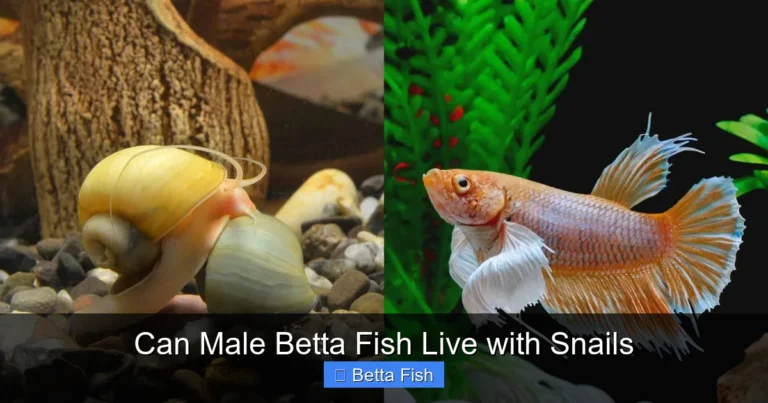
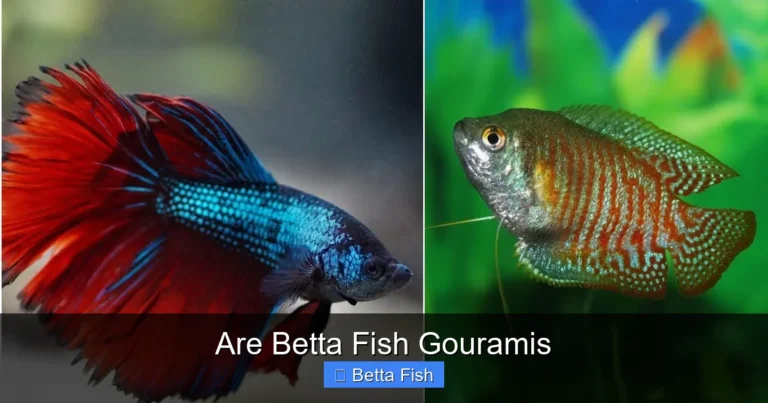
It depends on the fish. Peaceful, small community fish like corydoras or shrimp can sometimes coexist with bettas. Avoid fish with bright colors or long fins, as bettas may see them as rivals. Always research compatibility before adding tank mates.
Why is my betta fish not eating?
Loss of appetite can signal stress, poor water quality, or illness. First, test your water parameters to rule out environmental issues. If the water is fine, try offering a different food type. If the behavior continues for more than a few days, consult a fish veterinarian.