How to Take Care Baby Betta Fish
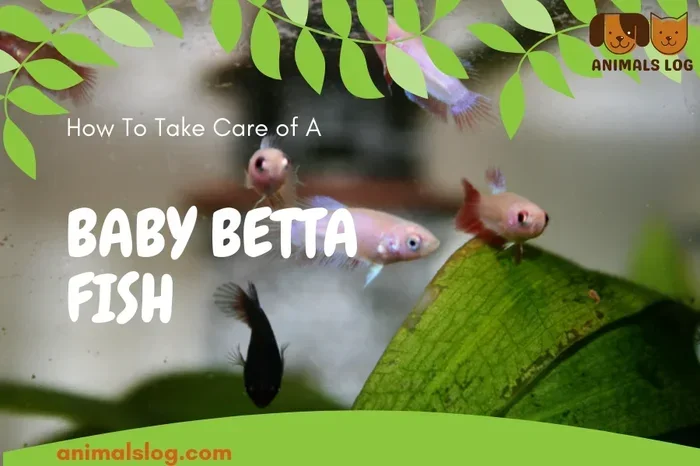
Taking care of baby betta fish requires the right tank setup, proper feeding schedule, and clean water conditions. This guide covers everything you need to know about raising healthy betta fry, from the first day to adulthood. Follow these simple steps to give your baby betta fish the best start in life.
Welcoming baby betta fish into your home is exciting. These tiny, colorful creatures bring so much joy. But how to take care baby betta fish properly? Many new fish owners feel unsure at first. The good news is that with the right knowledge, raising betta fry can be a rewarding experience. This guide walks you through every step of baby betta fish care in simple, easy-to-follow steps.
Whether you just hatched a batch of eggs or brought home a few tiny fry, this article has you covered. You will learn about tank setup, feeding, water quality, and common mistakes to avoid. Let us dive in and make sure your little ones thrive.
Key Takeaways
- Proper Tank Setup: A small, filtered tank with gentle water flow is essential for baby betta fish safety and growth.
- Feeding Frequency: Baby bettas need small, frequent meals multiple times a day to support their rapid growth.
- Water Quality: Keeping the water clean and at the right temperature prevents common diseases and stress.
- Avoid Overcrowding: Separating betta fry early prevents aggression and ensures each fish gets enough food.
- Patience Matters: Baby betta fish take several months to reach full color and fin development.
📑 Table of Contents
- Why Baby Betta Fish Need Special Care
- Setting Up the Perfect Tank for Baby Betta Fish
- Feeding Your Baby Betta Fish the Right Way
- Water Quality and Maintenance
- Common Health Issues and How to Prevent Them
- Growing Your Baby Betta Fish to Adulthood
- Common Mistakes to Avoid When Caring for Baby Betta Fish
- Final Thoughts on Baby Betta Fish Care
Why Baby Betta Fish Need Special Care
Baby betta fish, also called betta fry, are very delicate. They are only a few millimeters long when they first hatch. Their tiny bodies are fragile and sensitive to changes in their environment. Unlike adult bettas, fry cannot handle strong water flow or temperature swings.
Taking care of baby betta fish properly during the first weeks is critical. This is when their immune systems are still developing. A small mistake in water quality or feeding can lead to serious problems. Many betta fry do not survive the first month without proper care. So, understanding their needs early on makes a huge difference.
If you want to learn more about whether baby bettas are difficult to raise, check out our guide on are baby betta fish hard to take care of. It covers common challenges and how to overcome them.
The First Few Days After Hatching
During the first 48 to 72 hours, baby betta fry still have a yolk sac attached to their bodies. They do not need to eat during this time. The yolk sac provides all the nutrients they need. You should not attempt to feed them anything in these first days.
After the yolk sac is absorbed, the fry will start swimming freely. This is the moment you begin your feeding routine. It is important to be gentle and consistent from day one.
Setting Up the Perfect Tank for Baby Betta Fish
Creating the right habitat is the foundation of baby betta fish care. A proper tank setup keeps your fry safe, healthy, and growing strong. You do not need a huge tank, but you do need the right equipment.
Tank Size and Type
A 5-gallon tank works well for a small group of betta fry. If you have many fry, consider a 10-gallon tank. The key is to provide enough space without making water maintenance difficult. Avoid large tanks because they are harder to keep clean for tiny fish.
Use a sponge filter in the tank. Sponge filters provide gentle filtration without creating strong currents. Baby bettas are weak swimmers and can get swept away by powerful filters. The sponge filter also hosts beneficial bacteria that help keep the water safe.
Heating and Lighting
Baby betta fish need warm water to thrive. Keep the temperature between 78 and 80 degrees Fahrenheit. Use a small aquarium heater with a thermostat to maintain a stable temperature. Temperature swings can stress your fry and weaken their immune systems.
Lighting should be soft and indirect. Avoid placing the tank in direct sunlight. A small LED aquarium light on a timer works perfectly. Keep the light on for 8 to 10 hours a day. This helps your fry develop healthy patterns and colors.
Adding Safe Decorations
Add live or silk plants to the tank. These give your baby bettas places to hide and feel secure. Avoid sharp plastic decorations or rough gravel. Tiny fry can easily injure themselves on harsh surfaces. Java moss is an excellent choice because it provides natural cover and tiny organisms for the fry to graze on.
For more detailed guidance on setting up the right environment, read our article on how to set up a fish tank for betta fish. It covers all the essentials for a healthy betta habitat.
Feeding Your Baby Betta Fish the Right Way
Feeding is one of the most important parts of how to take care baby betta fish. Baby bettas have tiny stomachs and need frequent, small meals. Getting the feeding routine right can mean the difference between thriving fry and stunted growth.
What to Feed Baby Betta Fish
In the first week after free swimming begins, feed your fry infusoria or liquid fry food. These are tiny enough for their small mouths. As they grow, you can introduce baby brine shrimp. This is the gold standard food for betta fry. It is packed with protein and promotes fast, healthy growth.
Here is a feeding timeline to follow:
- Days 1 to 3 (free swimming): Infusoria or liquid fry food
- Days 4 to 7: Microworms and infusoria
- Week 2 and beyond: Baby brine shrimp, finely crushed flakes
- Month 2+: Gradually transition to adult betta pellets
Feeding Schedule and Amounts
Feed your baby bettas 3 to 4 times a day. Each feeding should be very small. Only give them what they can eat in 2 to 3 minutes. Overfeeding is one of the biggest mistakes new fry owners make. Excess food decays quickly and pollutes the water.
Watch your fry during feeding time. The strongest fry will eat first. If some fry are not getting food, consider feeding in smaller groups or using a pipette to target feed weaker individuals.
For more specific feeding advice for young bettas, see our article on what to feed baby betta fish. It goes deeper into the best food options at each growth stage.
Water Quality and Maintenance
Clean water is the backbone of healthy baby betta fish care. Baby bettas are very sensitive to ammonia and nitrite buildup. Even small amounts of these chemicals can harm or kill your fry. Regular maintenance keeps the water safe and stable.
Water Parameters to Monitor
Keep these water parameters in check at all times:
- Temperature: 78 to 80 degrees Fahrenheit
- pH Level: 6.5 to 7.5
- Ammonia: 0 ppm (parts per million)
- Nitrite: 0 ppm
- Nitrate: Below 20 ppm
Water Changes
Perform small water changes of 10 to 20 percent every other day. Use a turkey baster or pipette to remove debris from the substrate. Always treat new water with a water conditioner before adding it to the tank. This removes chlorine and chloramine that are harmful to fish.
Never do a full water change with baby bettas. The sudden shift in water parameters can shock and kill your fry. Consistency is key. Small, frequent changes are far safer than occasional large ones.
For tips on preparing the best water for your bettas, read our guide on how to prepare water for a betta fish. It explains water treatment in detail.
Common Health Issues and How to Prevent Them
Even with the best care, baby betta fish can sometimes get sick. Knowing the signs of common problems helps you act fast and save your fry.
Signs of a Sick Baby Betta
Watch for these warning signs in your fry:
- Loss of color or fading body
- Refusing to eat
- Lying at the bottom of the tank
- Labored breathing or gasping at the surface
- White spots on the body (ich)
- Curled or clamped fins
Prevention Tips
The best way to keep your baby bettas healthy is prevention. Follow these simple steps:
- Keep the water clean with regular small water changes.
- Do not overfeed your fry.
- Maintain a stable temperature with a reliable heater.
- Quarantine any new plants or decorations before adding them to the tank.
- Remove any uneaten food immediately after feeding.
If you notice any signs of illness, act quickly. Isolate affected fry if possible and research the specific condition. For more information on treating sick bettas, visit our how to care for sick betta fish guide.
Growing Your Baby Betta Fish to Adulthood
Raising betta fry to adulthood takes patience and dedication. It typically takes about 4 to 6 months for a baby betta to reach full maturity. During this time, you will see amazing changes in their color, fins, and personality.
Growth Milestones to Expect
Here is what you can expect as your fry grows:
- Week 1 to 2: Tiny translucent bodies, still very fragile
- Month 1: Color begins to appear, fins start to grow
- Month 2: More vibrant colors, fins becoming more defined
- Month 3 to 4: Noticeable fin development, active swimming
- Month 5 to 6:接近 adult appearance, males develop full fins and color
When to Separate Males and Females
Once your bettas start showing their gender, usually around 2 to 3 months, you should separate the males. Male bettas are aggressive toward each other and will fight. Keep each male in his own container to prevent injuries. Females can generally be kept together in small groups if the tank is large enough.
Common Mistakes to Avoid When Caring for Baby Betta Fish
Even experienced fish keepers make mistakes with baby bettas. Here are the most common errors and how to avoid them.
Overfeeding
This is the number one mistake. Baby bettas have tiny stomachs. Too much food leads to bloating, constipation, and dirty water. Feed small amounts several times a day and remove any leftovers.
Using the Wrong Filter
Power filters and hang-on-back filters create too much current for baby bettas. The strong flow can exhaust your fry and prevent them from eating. Always use a sponge filter for fry tanks.
Ignoring Water Temperature
Cold water slows down the growth of baby bettas and makes them vulnerable to disease. Hot water reduces oxygen levels and stresses your fish. Keep the temperature steady and within the recommended range.
Not Providing Enough Hiding Spots
Baby bettas feel safer when they have places to hide. Without plants or decorations, they become stressed. Stressed fish eat less and grow slower. Add fine-leaved plants or floating debris for cover.
Final Thoughts on Baby Betta Fish Care
Caring for baby betta fish is a wonderful journey. It takes patience, consistency, and a little bit of love. By following the tips in this guide, you give your fry the best chance at a healthy, happy life. Focus on clean water, proper feeding, and a safe tank environment. These three things make all the difference.
Remember that every fry is unique. Some will grow faster than others, and that is perfectly normal. Enjoy watching your baby bettas develop their beautiful colors and flowing fins. The effort you put in during these early weeks pays off with stunning, healthy adult fish. Happy fish keeping!
Frequently Asked Questions
How often should I feed my baby betta fish?
Feed your baby betta fish 3 to 4 times a day in very small amounts. Each feeding should be something they can finish in 2 to 3 minutes. Overfeeding is the most common mistake new betta owners make.
What temperature should the water be for baby betta fish?
Keep the water temperature between 78 and 80 degrees Fahrenheit. Use a small aquarium heater with a thermostat to maintain a stable temperature. Avoid sudden temperature changes at all costs.
Can baby betta fish live in a bowl?
While baby bettas can survive in a bowl, a small tank with a sponge filter is much better. A bowl makes it harder to maintain water quality and control temperature. A 5-gallon tank is the minimum recommended size for raising betta fry.
When do baby betta fish start to show color?
Baby bettas usually begin to show color around 1 month of age. The colors become more vibrant and defined by 2 to 3 months. Full color development can take up to 6 months depending on the variety.
How do I know if my baby betta fish is healthy?
A healthy baby betta will be active, eating well, and showing bright, even color. They should swim steadily without gasping or lying at the bottom. Watch for any sudden changes in behavior as these can signal stress or illness.
Can I keep multiple baby betta fish together?
You can keep several baby bettas together in a larger tank with plenty of hiding spots. However, once they start showing gender around 2 to 3 months, you must separate the males. Males are territorial and will fight each other as they mature.