How to Stop Betta Fish Bloating
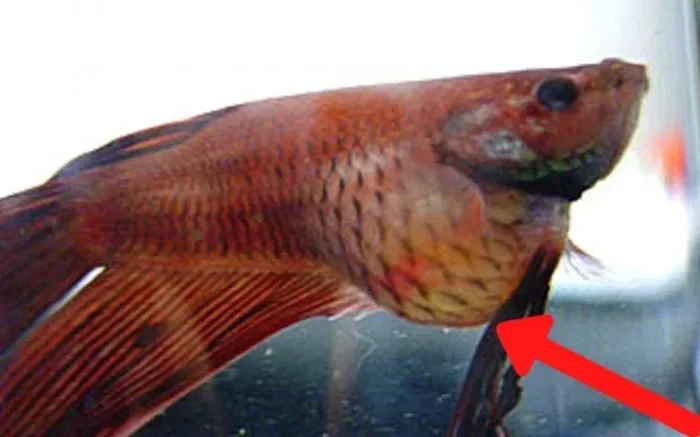
Betta fish bloating is a common but serious condition that can become life-threatening if left untreated. The main causes include overfeeding, poor diet, constipation, and underlying health issues like swim bladder disease or dropsy. This guide covers proven betta fish bloating remedies, dietary changes, and preventive tips to help your fish recover and stay healthy.
How to Stop Betta Fish Bloating
Watching your betta fish bloating is one of the most worrying things a fish owner can experience. That round, swollen belly doesn’t just look odd — it often signals something deeper going on inside your fish’s body. Whether it’s from overfeeding, constipation, or a more serious condition, bloating can really affect your betta’s quality of life.
The good news? Most cases of betta fish bloating are treatable at home if you catch them early. With the right approach, you can relieve your fish’s discomfort and get them back to their happy, active selves. In this guide, I’ll walk you through everything you need to know — from identifying the causes of bloating in betta fish to practical remedies and long-term prevention strategies.
By the end of this article, you will have a clear action plan to help your betta recover and stay healthy going forward. Let’s dive right in.
Key Takeaways
- Feed small portions: Overfeeding is the top cause of betta bloating.
- Soak dry food: Pellets expand in the stomach and cause swelling.
- Fast your betta: Skip one feeding day per week to aid digestion.
- Monitor water temperature: Keep it between 78-80°F to support healthy digestion.
- Watch for symptoms: Early detection of bloating leads to faster treatment.
- Avoid live food overload: Bloodworms and brine shrimp can cause constipation.
- Consult a vet: Persistent bloating may signal a serious underlying condition.
📑 Table of Contents
Understanding What Causes Betta Fish Bloating
Before you can treat bloating, you need to understand what’s causing it. Betta fish bloating isn’t just one single problem — it’s a symptom with several possible triggers. Each cause requires a slightly different approach, so getting this step right matters a lot.
Overfeeding and Dietary Issues
The number one reason betta fish get bloated is overfeeding. Bettas are small fish with tiny stomachs — about the size of their eye. When you feed them too much or too often, their digestive system simply can’t keep up. Undigested food sits in the gut, ferments, and causes the belly to swell.
Another common dietary problem is a lack of fiber. In the wild, bettas eat small insects and larvae that contain natural fiber. In captivity, if the diet is all dry flakes or pellets with no variety, constipation becomes a real risk. This leads directly to constipation-related bloating in betta fish, which can be uncomfortable and even dangerous if left unchecked.
Poor Water Quality
Dirty water is a silent killer for bettas. When ammonia and nitrite levels rise in the tank, your fish’s entire body becomes stressed. The kidneys and digestive system struggle to function properly, which can cause fluid retention and swelling. Maintaining clean betta fish water is one of the most overlooked factors in preventing bloating.
If you’re not sure how to keep your tank water in good shape, check out our guide on how to take care of betta fish water. It covers the essentials of water maintenance that directly impact your fish’s digestive health.
Swim Bladder Disorders
The swim bladder is a small organ that helps bettas control their buoyancy. When this organ gets disrupted — often from overeating or swallowing air — it can cause the belly to appear bloated even when the stomach itself isn’t full. Swim bladder disease in betta fish is closely related to bloating and often shows up with similar symptoms like a curved spine or difficulty swimming.
Internal Infections and Parasites
Sometimes bloating comes from something more serious. Bacterial infections or internal parasites can cause the abdomen to fill with fluid. This type of bloating is called dropsy in betta fish when it reaches an advanced stage, and it requires prompt attention. If your fish’s scales start sticking out like a pinecone, that’s a red flag you should not ignore.
How to Spot the Signs of Bloating Early
Catching bloating early makes treatment so much easier. Your betta can’t tell you when something feels wrong, but their body will show clear warning signs if you know what to look for.
Physical Symptoms to Watch For
Here are the most common physical signs that your betta might be bloated:
- A visibly swollen or round belly that looks bigger than normal
- Scales that stand outward, giving the body a pinecone-like appearance
- Loss of appetite or refusing food entirely
- Lethargy and spending more time resting at the bottom of the tank
- Difficulty swimming or floating upside down
- A curved or arched spine
- Clamped fins close to the body
Behavioral Changes That Signal Trouble
Beyond physical signs, pay attention to how your betta behaves. A healthy betta is curious and active. If your fish suddenly becomes reclusive, hides behind decorations, or stops responding to your presence, something is likely off. Stress and bloating in betta fish often go hand in hand, and stress weakens the immune system, making recovery harder.
If you notice your betta gasping at the surface or rubbing against objects, these could also be signs that the bloating is causing discomfort. Trust your instincts — you know your fish better than anyone.
Effective Home Remedies to Relieve Betta Fish Bloating
Once you’ve identified the cause, you can start treatment at home. Most mild cases of betta fish bloating respond well to simple remedies. Here’s what works.
Fasting Your Betta Fish
The first and easiest step is to stop feeding your betta for two to three days. This gives the digestive system a chance to clear out any trapped food or gas. Many fish owners worry about fasting, but bettas are built to handle short periods without food. In fact, wild bettas often go a day or two between meals naturally.
After the fasting period, offer a small, easily digestible meal. A single thawed bloodworm or a tiny piece of blanched pea works well. Avoid pellets or flakes for the first meal after fasting — they can be hard to digest and may restart the bloating cycle.
Epsom Salt Baths for Bloating Relief
Epsom salt is a gentle but effective remedy for betta fish bloating. The magnesium sulfate in Epsom salt helps draw out excess fluid from the body and relaxes the muscles in the digestive tract. This can relieve both constipation and mild swelling.
Here’s how to give your betta an Epsom salt bath:
- Prepare a small container with clean tank water at the same temperature as your main tank
- Add one teaspoon of Epsom salt per gallon of water and stir until fully dissolved
- Place your betta in the container for 10 to 15 minutes
- Watch for signs of distress, and remove the fish immediately if it seems stressed
- Return your betta to the main tank afterward
You can repeat this process once a day for up to three days. Many betta owners see improvement within the first 24 hours.
Adjusting the Diet for Better Digestion
After the fasting period, think carefully about what you feed your betta going forward. A balanced betta fish diet should include variety. High-quality pellets should form the base, but supplementing with frozen or live foods like bloodworms, brine shrimp, and daphnia adds nutrition and moisture that support healthy digestion.
Soak dry pellets or flakes in tank water for a few minutes before feeding. This helps them expand outside the fish’s stomach rather than inside, which dramatically reduces the risk of bloating and constipation.
Preventing Future Bloating Episodes
Treatment works, but prevention is even better. Once your betta has recovered from a bloating episode, you’ll want to take steps to make sure it doesn’t happen again.
Set Up a Proper Feeding Schedule
Feed your betta small meals twice a day — once in the morning and once in the evening. Each meal should be no larger than what your fish can eat in two to three minutes. Overfeeding is the single biggest cause of bloating in betta fish, and it’s also one of the easiest habits to fix.
Consider implementing one fasting day per week. Skipping one feeding day gives the digestive system a chance to reset and reduces the buildup of waste in the gut.
Keep the Tank Clean and Stable
Regular water changes are essential. Aim for a 25% water change every week, and always treat new water with a conditioner before adding it to the tank. Poor water quality weakens your betta’s immune system and opens the door to infections that cause bloating.
If you want a deeper dive into water preparation, our article on how to prepare water for a betta fish walks you through the exact steps to ensure your water is safe and stress-free for your fish.
Reduce Stress in the Tank Environment
Stressed bettas are more vulnerable to illness, including bloating. Keep the tank in a quiet area of your home, away from loud noises and direct sunlight. Avoid sudden changes in lighting or temperature. If you keep other fish with your betta, make sure the tank is large enough and has plenty of hiding spots so your betta feels secure.
Adding live plants, smooth decorations, and gentle filtration creates a calming environment that supports overall health. A relaxed betta is a healthier betta with a stronger immune system.
When to See a Vet for Betta Fish Bloating
While most mild cases of betta fish bloating respond to home treatment, some situations need professional help. Knowing when to escalate is critical to saving your fish’s life.
Warning Signs That Need Immediate Attention
You should consult a veterinarian or experienced fish health specialist if you notice any of the following:
- The bloating does not improve after three days of fasting and Epsom salt treatment
- Your betta’s scales are visibly popping outward (a sign of dropsy)
- The fish stops eating entirely for more than five days
- You see a lump or mass inside the abdomen
- Your betta is breathing rapidly or gulping at the surface constantly
- The fish becomes completely immobile or unresponsive
These symptoms often point to bacterial infections, internal parasites, or organ failure — conditions that require medication or professional treatment. Delaying care in these cases can be fatal.
If you suspect your betta is stressed beyond what home remedies can address, our guide on how to treat a stressed betta fish offers additional strategies to help stabilize your fish while you seek further care.
Key Takeaways for Keeping Your Betta Healthy
Dealing with betta fish bloating can feel overwhelming, but it doesn’t have to be. The key is to act quickly, stay calm, and follow a consistent care routine. Here’s a quick summary of what we covered:
- Overfeeding is the most common cause of bloating — feed small, measured meals
- Fasting for two to three days gives the digestive system a chance to recover
- Epsom salt baths are a safe and effective home remedy for mild bloating
- Clean water and stable tank conditions prevent many health issues before they start
- Watch for warning signs like pinecone scales or prolonged appetite loss and seek help when needed
Your betta fish depends on you to notice when something is wrong. The fact that you’re here reading this guide shows you already care deeply about your fish’s well-being. With the right knowledge and a little patience, you can help your betta overcome bloating and enjoy a long, healthy life in your care. Keep experimenting, keep learning, and most importantly — keep enjoying the company of your beautiful fish.
Frequently Asked Questions
What Causes Bloating in Betta Fish?
Bloating in betta fish is usually caused by overfeeding, constipation, or swallowing excess air while eating. Poor diet quality and sudden water changes can also trigger a swollen belly. Identifying the root cause helps you choose the right treatment.
How to Stop Betta Fish Bloating Quickly at Home?
You can start by fasting your betta for one to two days to let its digestive system reset. After fasting, offer a small portion of blanched peas or daphnia, which act as natural laxatives. Also, check your water parameters and make sure the tank is clean and at the right temperature.
Can Overfeeding Cause My Betta Fish to Bloat?
Yes, overfeeding is one of the most common reasons betta fish become bloated. Bettas have small stomachs, and eating too much or too often leads to digestive buildup and constipation. Feeding small portions once or twice a day is the best way to prevent this.
How Long Does It Take for Betta Fish Bloating to Go Away?
Mild bloating often improves within one to three days with proper fasting and dietary adjustments. More serious cases caused by infection or internal issues may take longer and require medication. If the swelling does not go down within a week, you should consult a vet who specializes in fish.
What Should I Feed a Bloated Betta Fish?
Start with a fasting period, then introduce easy-to-digest foods like boiled peas (with the skin removed) or freeze-dried daphnia. These foods help push waste through the digestive tract naturally. Avoid hard pellets or flakes until the bloating fully subsides.
Is Betta Fish Bloating the Same as Dropsy?
No, bloating and dropsy are different conditions, though they look similar. Bloating is usually caused by digestion issues, while dropsy is a serious kidney infection that causes scales to stick out like a pinecone. Dropsy is much harder to treat, so early identification of simple bloating gives you a better chance of a full recovery.