How to Set Up Betta Falls Fish Tank
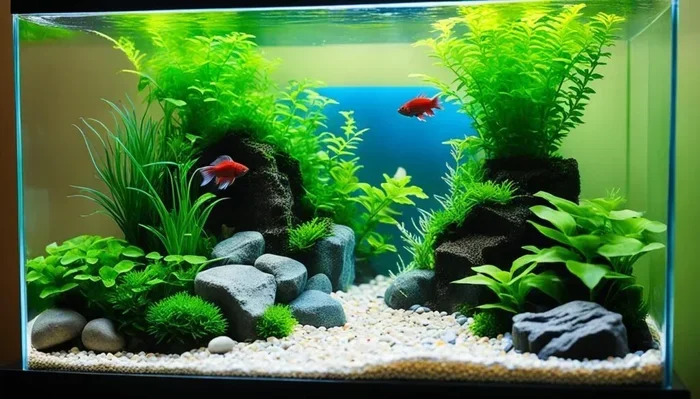
Setting up a Betta Falls fish tank is easier than you think. This guide walks you through every step, from choosing the right tank size to adding the perfect waterfall feature. You will learn how to create a beautiful, safe home for your betta fish that stays clean and healthy.
Setting up a Betta Falls fish tank can be one of the most rewarding experiences for any fish lover. A waterfall feature adds beauty and movement to your aquarium while keeping the water filtered and oxygenated. But getting it right takes a bit of know-how.
In this guide, we will walk you through every single step. You will learn what equipment you need, how to arrange your tank, and how to keep your betta happy and healthy. Whether you are a total beginner or a seasoned hobbyist, this guide has something valuable for you.
The goal is simple: create a stunning underwater environment that mimics your betta’s natural habitat. A well-set-up tank reduces stress, prevents disease, and lets your betta fish show off its full colors. Let us dive right in.
Key Takeaways
- Choose the right tank size: A minimum of 5 gallons is best for betta fish to thrive.
- A waterfall filter keeps water clean: It provides gentle flow and excellent filtration without stressing your betta.
- Cycle your tank first: Always cycle the tank before adding your betta to avoid harmful ammonia spikes.
- Decorations matter: Use soft substrates, live plants, and hiding spots to make your betta feel safe.
- Maintain water quality: Regular water changes and testing keep your betta healthy long-term.
- Avoid common mistakes: Don’t skip the heater, use harsh decor, or overcrowd the tank.
📑 Table of Contents
Why Choose a Betta Falls Fish Tank Setup?
Betta fish, also known as Siamese fighting fish, love calm water with gentle movement. A betta aquarium waterfall creates just the right amount of flow. It is not too strong, but it keeps the water fresh and circulating. This is why many betta owners prefer a waterfall filter over a standard hang-on-back filter.
Here are some key reasons a waterfall setup works so well:
- Gentle water flow: Bettas do not like strong currents. A waterfall filter provides a soft, steady flow that mimics their natural environment.
- Built-in filtration: The waterfall filter media traps debris and processes harmful chemicals like ammonia and nitrite.
- Extra oxygenation: As water cascades down, it absorbs oxygen from the air. This is great for your betta’s health.
- Aesthetic appeal: A waterfall adds a beautiful visual element to any room. It makes your tank look like a mini ecosystem.
- Low maintenance: With proper setup, a waterfall filter reduces how often you need to do full tank cleanings.
Compared to a standard sponge filter, a waterfall offers more filtration power. Compared to a canister filter, it is much easier to set up and maintain. For most betta tanks, a betta fish tank waterfall filter hits the sweet spot between performance and simplicity.
Choosing the Right Tank and Equipment
Before you buy anything, you need to know what goes into a proper betta tank setup. The right equipment makes all the difference between a stressed fish and a thriving one.
Tank Size Matters
Many people think bettas can live in tiny bowls. This is a myth. A betta fish tank needs to be at least 5 gallons. A 10-gallon tank is even better because it gives your fish more room to swim and explore. Larger tanks also keep water parameters more stable, which means less work for you.
Here is a quick comparison of tank sizes:
- 2.5 gallons: Too small for long-term health. Not recommended.
- 5 gallons: The minimum size for a single betta. Works well with a small waterfall filter.
- 10 gallons: Ideal size. More stable water parameters and room for plants and decor.
- 20 gallons or more: Great if you plan to keep more fish or create a heavily planted tank.
Essential Equipment Checklist
Every betta fish tank equipment list should include these essentials:
- Waterfall filter: Choose one rated for your tank size. Adjustable flow is a big plus.
- Heater: Bettas need warm water between 76°F and 82°F (24°C to 28°C).
- Thermometer: A simple stick-on thermometer helps you monitor temperature daily.
- Substrate: Use smooth gravel or sand. Avoid rough substrates that can damage your betta’s fins.
- Water conditioner: This removes chlorine and chloramine from tap water before adding it to your tank.
- Test kit: A liquid test kit for ammonia, nitrite, nitrate, and pH is essential for monitoring water quality.
- Net: A soft-mesh net for safely handling your betta.
- Bucket: For water changes. A dedicated 5-gallon bucket works great.
Step-by-Step Setup Process
Now comes the fun part: actually setting up your tank. Follow these steps in order for the best results.
Step 1: Clean and Prepare the Tank
Start by rinsing your empty tank with warm water. Do not use soap or any cleaning chemicals. They are toxic to fish. Place your tank on a sturdy, level surface. Remember, a full tank of water is very heavy, so choose a location that can handle the weight.
Step 2: Add Substrate
Spread a thin layer of substrate across the bottom of the tank. About 1 to 2 inches is ideal. You can rinse the gravel or sand beforehand to remove dust. Smooth it out evenly, but feel free to create a slight slope in the back for a more natural look.
Step 3: Install the Waterfall Filter
Attach your waterfall filter to the back or side of the tank according to the manufacturer’s instructions. Make sure the flow rate is adjustable. For bettas, you want a gentle flow. If the water is moving too fast, you can baffle the outflow with a sponge or by angling the filter differently.
Before turning it on, fill the filter chamber with water first. This primes the filter and prevents airlocks.
Step 4: Add Decorations and Plants
This is where your tank starts to look like a real habitat. Add caves, driftwood, and smooth rocks for hiding spots. Bettas love places to rest and explore. How To Decorate Your Betta Fish Tank is a great resource if you want more ideas for creating a beautiful aquascape.
Live plants are highly recommended. They help absorb nitrates, produce oxygen, and create a more natural environment. Some great options for betta tanks include java fern, anubias, and amazon sword plants. These plants are hardy and do well in warm water.
Step 5: Fill with Water and Add Heater
Fill the tank slowly to avoid disturbing the substrate. Use a plate or your hand to diffuse the water flow as you fill. This prevents your decorations from shifting around.
Next, install your heater and set it to 78°F (25.5°C). This is the sweet spot for most bettas. Attach your thermometer and double-check the reading after a few hours.
Add your water conditioner to the tank according to the product instructions. This step is critical. Tap water contains chemicals that can harm or kill your betta within hours.
Step 6: Cycle Your Tank
Here is the most important step that many beginners skip. You must cycle a betta fish tank before adding your fish. Cycling establishes beneficial bacteria that break down toxic ammonia and nitrite. Without this process, your betta could get sick or die.
The cycling process takes about 4 to 6 weeks. You can speed it up by adding bottled beneficial bacteria or using a small amount of fish food as an ammonia source. Test the water regularly until you see zero ammonia, zero nitrite, and some nitrate (under 20 ppm).
Once your tank is fully cycled, you are ready to add your betta fish. How To Put Betta Fish In Tank details the proper acclimation process to minimize stress during the transition.
Daily and Weekly Maintenance Routine
Setting up the tank is only half the battle. Keeping it clean and healthy requires a consistent routine. The good news is that maintenance becomes quick and easy once you get into a rhythm.
Daily Tasks
- Check the temperature and make sure it stays between 76°F and 82°F.
- Feed your betta 2 to 3 pellets once or twice a day. Do not overfeed.
- Look for signs of stress or illness: clamped fins, loss of color, or staying in one spot.
- Make sure the waterfall filter is running properly.
Weekly Tasks
- Perform a 25% water change using a siphon vacuum.
- Rinse filter media in old tank water (never tap water). This preserves beneficial bacteria.
- Test water parameters: ammonia, nitrite, nitrate, and pH.
- Wipe down the glass to remove algae buildup.
Monthly Tasks
- Deep clean any areas with heavy algae growth.
- Check all equipment: heater, filter, and thermometer.
- Trim live plants if they are growing too fast.
- Replace filter media if it is falling apart (keep some old media to maintain bacteria colonies).
If you ever need a thorough cleaning, check out our guide on How To Clean A Betta Fish Tank Properly for detailed instructions. Regular maintenance prevents most common problems and keeps your betta looking vibrant.
Common Mistakes to Avoid
Even experienced fish keepers make mistakes. Here are the most common ones when setting up a betta tank with a waterfall:
- Using too strong a filter: Bettas are weak swimmers. A powerful waterfall can exhaust them and prevent them from eating. Always adjust the flow to be gentle.
- Skipping the cycling process: Adding a betta to an uncycled tank is the number one cause of fish loss. Be patient and wait the full 4 to 6 weeks.
- Overcrowding the tank: Bettas are territorial. Do not add fast-moving or colorful fish that might trigger aggression. A single betta in a 5-gallon tank is ideal.
- Using the wrong substrate: Rough or sharp gravel can tear delicate betta fins. Stick to smooth sand or rounded gravel.
- Neglecting water changes: Even with a filter, waste builds up over time. Regular water changes are non-negotiable.
- Placing the tank in direct sunlight: This causes algae blooms and temperature swings. Choose a spot with indirect light.
Expert Insight: Many beginners worry about their betta getting tired from the filter flow. The truth is, a properly adjusted waterfall filter creates a gentle current that bettas can easily swim against. In fact, some bettas enjoy playing in the mild water movement. The key is to observe your fish and adjust if needed.
Key Takeaways
- Start with a 5-gallon tank or larger: This gives your betta enough space to thrive and keeps water stable.
- Use a waterfall filter with adjustable flow: It provides excellent filtration without creating a strong current.
- Always cycle your tank first: This builds the beneficial bacteria your betta needs to stay healthy.
- Add live plants and soft decorations: They create a natural, stress-free environment for your fish.
- Maintain a consistent cleaning routine: Weekly water changes and parameter testing prevent most problems.
- Avoid common pitfalls: Do not overfeed, overcrowd, or use harsh equipment in your tank.
Setting up a Betta Falls fish tank is a journey, not a one-time task. Each step you take creates a better home for your fish. Once you see your betta swimming happily among the plants and decorations, you will know it was all worth it.
Remember to clean your betta fish tank regularly and monitor water parameters closely. A well-maintained tank can provide years of enjoyment for both you and your betta. If you ever need to upgrade or change your setup, make sure to research each adjustment carefully.
Your betta fish deserves a beautiful, safe, and healthy environment. By following the steps in this guide, you are well on your way to creating exactly that. Happy fish keeping!
Frequently Asked Questions
What size tank do I need for a betta fish with a waterfall filter?
A minimum of 5 gallons is recommended for a single betta fish. A 10-gallon tank gives you more room for decorations and makes water maintenance easier. The waterfall filter should be rated for your tank size, and you should always adjust the flow to be gentle.
How long does it take to cycle a betta fish tank?
Cycling typically takes 4 to 6 weeks. During this time, beneficial bacteria build up to process ammonia and nitrite. You can use a liquid test kit to monitor your progress. Do not add your betta until you have zero ammonia and zero nitrite readings.
Can betta fish live with a strong filter?
Betta fish prefer gentle water flow. A strong filter can stress them and make it difficult to eat and swim comfortably. If your waterfall filter is too powerful, you can baffle the outflow with a sponge or adjust the flow rate to a lower setting.
How often should I change the water in my betta tank?
Perform a 25% water change once a week. This removes accumulated nitrates and keeps the water fresh. Always use treated water that has been conditioned and matched to the tank temperature before adding it to the aquarium.
Do I need a heater for a betta fish tank?
Yes, absolutely. Bettas are tropical fish and need warm water between 76°F and 82°F (24°C to 28°C). A heater with a thermostat helps maintain a stable temperature, which is essential for your betta’s health and immune system.
What decorations are safe for betta fish tanks?
Use smooth rocks, driftwood, and caves with no sharp edges. Avoid decorations with rough surfaces that can tear betta fins. Live plants like java fern and anubias are excellent choices because they are safe and provide natural hiding spots and enrichment for your fish.