How to Set Up a Bowl for a Betta Fish
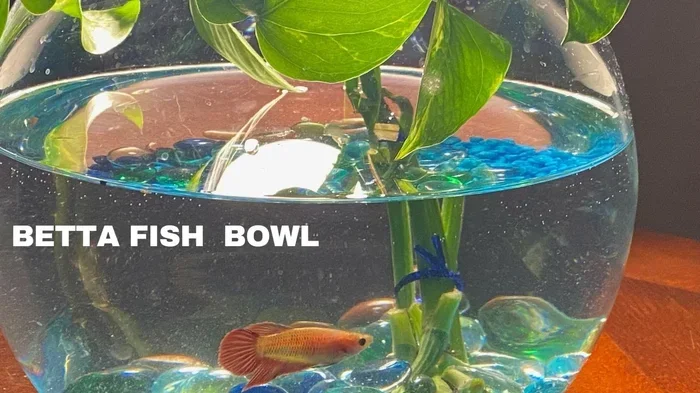
Setting up a bowl for a betta fish is easier than most people think. You just need the right bowl size, clean water, gentle heating, and a few simple decorations. This guide walks you through every step so your betta stays healthy and colorful.
Setting up a bowl for a betta fish is one of the most rewarding things you can do as a fish keeper. Bettas are beautiful, curious creatures that thrive in clean, warm water with just the right amount of space. Many people think bettas are happy in tiny cups or cramped containers, but that is simply not true. A properly set up bowl gives your fish room to swim, explore, and show off its stunning colors.
Whether you are a complete beginner or have kept fish before, this guide covers everything you need to know. We will walk through choosing the right bowl, preparing the water, adding decorations, and keeping the environment healthy over time. By the end, you will feel confident and ready to create a wonderful home for your betta.
The process is not complicated, but it does require some attention to detail. Getting the bowl size, water temperature, and water quality right from day one makes a huge difference. Let us dive in and build the perfect setup step by step.
Key Takeaways
- Choose a bowl that holds at least 2.5 gallons: Bigger is always better for your betta’s health and comfort.
- Prepare water properly before adding your fish: Use a water conditioner and match the right temperature to avoid stress.
- Add gentle decorations and live plants: These create a natural, stimulating environment that mimics your betta’s natural habitat.
- Maintain the bowl weekly: Regular water changes and cleaning keep your betta happy and disease-free.
- Avoid common mistakes like tiny bowls and unfiltered water: Small containers and untreated tap water are the top causes of betta health problems.
- Monitor water temperature and quality daily: A simple thermometer and regular checks go a long way in preventing illness.
📑 Table of Contents
- Why Setting Up the Right Bowl Matters for Your Betta Fish
- Choosing the Perfect Bowl for Your Betta Fish
- Preparing the Bowl and Water for Your Betta
- Decorating Your Betta Fish Bowl
- Maintaining a Healthy Bowl Environment
- Common Mistakes to Avoid When Setting Up a Betta Bowl
- Creating the Ideal Betta Bowl Setup: A Quick Comparison
- Final Thoughts on Setting Up a Bowl for Your Betta Fish
Why Setting Up the Right Bowl Matters for Your Betta Fish
Your betta fish spends every single moment in its bowl. The environment you create directly affects its mood, energy, appetite, and lifespan. A well-designed betta fish habitat reduces stress and helps prevent common diseases like ich and fin rot.
Bettas originate from the warm, slow-moving waters of Southeast Asia. In the wild, they live in rice paddies, shallow streams, and floodplains. While they are known as labyrinth fish that breathe air from the surface, they still need clean, warm water to stay healthy. A proper betta bowl setup recreates some of these natural conditions in a safe and manageable way.
The Connection Between Environment and Betta Health
Fish kept in poor conditions often become lethargic, lose their color, or develop infections. On the other hand, bettas in well-maintained bowls are active, curious, and display vibrant fins. The difference really comes down to how you set things up from the start. Investing time in the beginning saves you money on treatments and gives your fish a much better quality of life.
A good setup includes several key elements: adequate space, filtered or regularly changed water, stable temperature, gentle lighting, and natural decorations. Each of these plays an important role in your betta’s daily comfort. Let us look at each one in detail.
Choosing the Perfect Bowl for Your Betta Fish
The first and most important decision is picking the right bowl. Many pet stores sell tiny cups and vases marketed for bettas, but these are not suitable for long-term living. Your betta needs enough room to swim freely and explore its surroundings.
What Size Bowl Does a Betta Fish Need?
Most experts agree that a minimum of 2.5 gallons is ideal for a single betta fish. Some keepers prefer 5-gallon bowls or small tanks because they are easier to maintain and provide more stable water conditions. Anything smaller than 2.5 gallons can cause rapid spikes in ammonia and nitrate levels, which stress your fish and lead to illness.
Here are some quick guidelines to keep in mind when shopping:
- 2.5 gallons: The absolute minimum for one betta. Works well with a small heater and sponge filter.
- 5 gallons: The sweet spot for most betta owners. Easier to cycle and maintain than smaller bowls.
- 10 gallons or more: Great if you want to add tank mates or more plants, though bettas do best alone.
Shape and Material Considerations
Bowls come in many shapes, from round to rectangular. Rectangular or bow-front bowls offer more surface area, which helps with gas exchange and oxygen levels. Round bowls look pretty but can be harder to clean and provide less swimming space. Glass bowls are durable and easy to see through, while plastic bowls are lighter but may scratch over time. Choose a material that is easy to clean and does not leach chemicals into the water.
Preparing the Bowl and Water for Your Betta
Once you have your bowl, the next step is preparing the water. This is arguably the most important part of the entire setup process. Bettas are sensitive to chlorine, chloramine, and heavy metals found in tap water. Skipping water preparation can seriously harm your fish within hours.
Step-by-Step Water Preparation
Follow these simple steps every time you fill or change the water in your betta bowl:
- Start with dechlorinated water. Use a water conditioner specifically designed for aquariums. Add the recommended dose to the water before it goes into the bowl. This neutralizes harmful chemicals instantly.
- Match the temperature. Bettas prefer water between 76 and 82 degrees Fahrenheit. Use an aquarium thermometer to check the water before adding your fish. If the water is too cold, your betta may become sluggish and refuse to eat.
- Let the water sit if needed. If you are using tap water, letting it sit for 24 hours can help dissipate some chlorine. However, a water conditioner is a faster and more reliable option.
- Fill the bowl slowly. Pour the water gently to avoid disturbing the substrate or decorations you have already placed.
For more detailed guidance on this process, check out our article on how to prepare water for a betta fish. It covers water parameters and testing in greater depth.
Do You Need a Filter for a Betta Bowl?
While bettas can survive in unfiltered bowls, a gentle sponge filter makes a world of difference. Filters help remove waste, maintain water quality, and reduce the frequency of water changes. Choose a filter with a low flow rate because bettas are weak swimmers and do not like strong currents. A sponge filter is the best option since it provides mechanical and biological filtration without creating too much turbulence.
Decorating Your Betta Fish Bowl
Decorations are not just about aesthetics. They serve important purposes in a betta’s environment, including providing hiding spots, reducing stress, and mimicking natural surroundings. A well-decorated bowl can make your betta feel safe and encourage natural behaviors like exploring and building bubble nests.
Best Decorations for a Betta Bowl
Here are some decoration ideas that work wonderfully for betta fish:
- Live or silk plants: Live plants like java fern, anubias, and amazon sword improve water quality and provide natural cover. Silk plants are a good alternative if you struggle to keep live plants alive.
- Smooth rocks and gravel: Choose small, smooth stones that do not have sharp edges. Rough gravel can tear delicate betta fins.
- Caves and hiding spots: Betta fish enjoy having places to retreat to. Small ceramic caves or coconut shells work great.
- Driftwood: Adds a natural look and can help stabilize pH levels in the water.
For more inspiration on making your setup beautiful and functional, read our guide on how to decorate a betta fish bowl.
What to Avoid When Decorating
Not all decorations are safe for bettas. Here are some common mistakes to steer clear of:
- Sharp or rough objects: These can damage your betta’s long, flowing fins.
- Plastic plants with sharp edges: The jagged leaves can tear fins and cause injuries.
- Heavy or unstable decorations: Anything that can topple over and trap your fish is a safety hazard.
- Metal objects: Metals can leach into the water and become toxic to fish.
Maintaining a Healthy Bowl Environment
Setting up the bowl is only the beginning. Ongoing maintenance is what keeps your betta healthy and happy over the long term. A clean, stable environment prevents disease and supports your fish’s immune system.
Weekly Water Change Routine
Plan to change 25 to 30 percent of the water in your betta bowl every week. This removes built-up ammonia, nitrites, and nitrates without disrupting the beneficial bacteria that help cycle the bowl. Use a turkey baster or small siphon to remove debris from the substrate during water changes.
Always treat new water with conditioner before adding it to the bowl. Match the temperature of the new water as closely as possible to the existing water to avoid shocking your betta. For a full walkthrough of the water change process, see our article on how to do a water change for a betta fish.
Testing Water Parameters
Keep an eye on three key water parameters:
- Ammonia: Should be 0 ppm. Any detectable level is dangerous and requires an immediate water change.
- Nitrite: Should be 0 ppm. Elevated nitrite levels cause breathing difficulties and stress.
- Nitrate: Should stay below 20 ppm. Regular water changes keep nitrate levels in check.
You can test these parameters using a simple aquarium test kit available at most pet stores. Testing once a week during your maintenance routine helps you catch problems early before they affect your fish.
Feeding Your Betta Properly
Feeding plays a big role in maintaining a clean bowl environment. Overfeeding is one of the most common mistakes new betta owners make. Excess food decays quickly and spikes ammonia levels. Feed your betta two small meals per day, offering only as much food as it can eat within two to three minutes. High-quality betta pellets or frozen bloodworms make excellent staple foods.
Common Mistakes to Avoid When Setting Up a Betta Bowl
Even well-meaning owners can make mistakes that harm their bettas. Being aware of these pitfalls helps you set up a safer, more comfortable home from day one.
Mistake 1: Using Too Small a Bowl
The idea that bettas can live happily in tiny cups is a myth. While bettas can survive in small containers for short periods, they thrive in larger spaces. A cramped bowl leads to stress, stunted growth, and a shorter lifespan. Always choose the biggest bowl or tank you can reasonably maintain.
Mistake 2: Skipping the Water Conditioner
Tap water contains chlorine and chloramine that are lethal to fish. Never add untreated tap water directly to your betta bowl. Always use a water conditioner to make the water safe. This is a non-negotiable step in betta care.
Mistake 3: Overcrowding the Bowl
Bettas are territorial and do best when kept alone. Adding too many fish, snails, or other tank mates to a small bowl creates aggression and poor water quality. Stick to one betta per bowl and keep the environment simple and stress-free.
Mistake 4: Neglecting Temperature Control
Bettas are tropical fish and need warm water year-round. Room temperature water is often too cool, especially in winter. A small aquarium heater rated for your bowl size helps maintain a stable temperature between 76 and 82 degrees Fahrenheit. For tips on keeping your bowl warm, check out our article on how to warm a betta fish bowl.
Creating the Ideal Betta Bowl Setup: A Quick Comparison
To help you visualize the difference between a basic setup and an ideal setup, here is a simple comparison:
| Feature | Basic Setup | Ideal Setup |
|---|---|---|
| Bowl Size | 1-2 gallons | 5 gallons or larger |
| Filter | None | Small sponge filter |
| Heater | None | Adjustable 25-50W heater |
| Water Changes | Once every 2 weeks | 25-30% weekly |
| Decorations | None or plastic plants | Live plants, smooth gravel, caves |
| Water Conditioner | Sometimes | Always |
| Temperature Monitoring | No | Yes, with a thermometer |
The ideal setup requires a bit more effort, but the difference in your betta’s health, color, and lifespan is well worth it. Even small upgrades make a big impact over time.
Final Thoughts on Setting Up a Bowl for Your Betta Fish
Setting up a bowl for a betta fish is a straightforward process once you understand the basics. Start with a properly sized bowl, prepare clean and conditioned water, add gentle heating, and decorate with your betta’s comfort in mind. Regular maintenance and consistent monitoring keep the environment stable and safe.
Remember that every betta is an individual. Some are more active, some are more shy, and some love to explore while others prefer to rest. Observing your fish daily helps you notice changes early and adjust the setup as needed. The goal is to create a betta fish habitat that supports natural behaviors and keeps your fish feeling secure.
Take your time setting things up. Rushing the process or cutting corners can lead to problems down the road. With patience and care, you will have a beautiful, thriving bowl that both you and your betta can enjoy for years to come.
Frequently Asked Questions
What size bowl is best for a betta fish?
A bowl that holds at least 2.5 gallons is the minimum recommended size for a single betta fish. Five gallons is even better because it provides more stable water conditions and gives your fish plenty of room to swim. Larger bowls are always a good choice if you can maintain them properly.
Do betta fish need a filter in their bowl?
While bettas can survive without a filter, having a gentle sponge filter greatly improves water quality and reduces the frequency of water changes. Filters help remove waste and support beneficial bacteria that break down harmful toxins. Choose a filter with a low flow rate so your betta is not stressed by strong currents.
How often should I change the water in my betta bowl?
You should change 25 to 30 percent of the water every week. This routine removes built-up ammonia and nitrates while preserving the beneficial bacteria in the bowl. Always treat new water with a conditioner and match the temperature before adding it to the bowl.
Can I use tap water for my betta fish bowl?
Yes, but you must treat it with a water conditioner first. Tap water contains chlorine and chloramine that are harmful or fatal to bettas. A good conditioner neutralizes these chemicals within minutes and makes the water safe for your fish. Let the water reach room temperature before adding it to the bowl.
What temperature should a betta fish bowl be kept at?
Betta fish thrive in water temperatures between 76 and 82 degrees Fahrenheit. Use an aquarium thermometer to monitor the temperature daily, especially during seasonal changes. A small heater can help maintain a stable temperature, particularly in cooler rooms or during winter months.
How do I know if my betta bowl is cycled properly?
A properly cycled bowl has zero ammonia, zero nitrite, and nitrate levels below 20 ppm. You can test these parameters with an aquarium test kit. Cycling takes about 4 to 6 weeks to establish, and adding beneficial bacteria supplements can speed up the process. Regular water changes help maintain the cycle once it is established.