How to See What Specs My Betta Fish
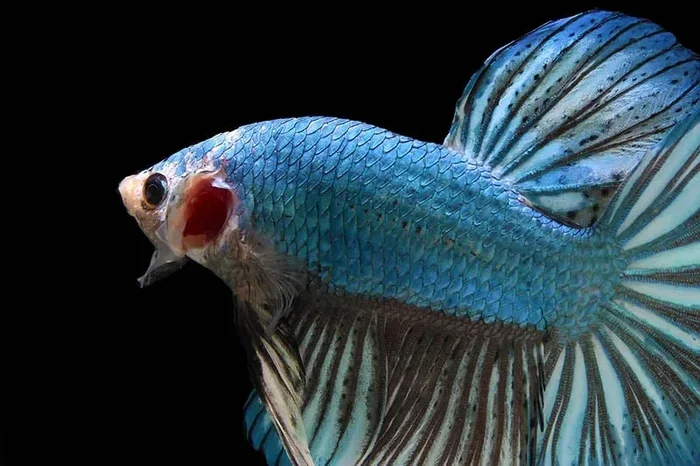
Figuring out your betta fish specs is easier than you think. You can identify your betta’s breed type, color pattern, fin variety, and overall health just by observing its appearance. This guide walks you through every detail step by step so you can understand your fish like a pro.
Have you ever looked at your betta fish and wondered exactly what kind of betta you have? Maybe you noticed its flowing fins or bright colors and thought, “I wish I knew more about what makes my fish unique.”
The truth is, seeing what specs your betta fish has is a fun and rewarding process. Every betta fish has unique features that tell a story about its breed, origin, and even its health. Once you learn what to look for, you will start noticing details you never saw before.
This guide breaks down everything you need to know about identifying your betta fish. From color patterns to fin shapes, we cover it all in simple terms you can follow right away.
Key Takeaways
- Visual identification helps you understand your betta’s breed, color, and fin type.
- Checking your betta’s body shape and markings reveals important health clues.
- Knowing your betta’s specs helps you choose the right tank setup and diet.
- Different betta varieties have distinct features you can learn to recognize.
- Regular observation keeps your betta healthy and happy long-term.
📑 Table of Contents
- Why Knowing Your Betta Fish Specs Matters
- How to Identify Your Betta Fish Breed Type
- Understanding Betta Fish Colors and Patterns
- Examining Your Betta Fish Fin Types and Features
- What to Look for When Assessing Your Betta Fish Body Specs
- How to Use Your Betta Fish Specs for Better Care
- Common Mistakes People Make When Identifying Betta Specs
- Quick Tips for Examining Your Betta Fish
- Final Thoughts on Seeing Your Betta Fish Specs
Why Knowing Your Betta Fish Specs Matters
Understanding your betta fish specs goes beyond just being curious. When you know what type of betta you have, you can make better decisions about its care. The right tank size, diet, and water conditions all depend on your fish’s specific needs.
For example, a betta with long, flowing fins needs a different tank setup than a short-finned variety. Similarly, certain color patterns may be more prone to specific health issues. The more you know about your fish, the better you can take care of it.
Identifying your betta fish also helps when you visit the vet or look up health concerns online. Instead of guessing, you can describe your fish accurately and get the right advice fast.
How to Identify Your Betta Fish Breed Type
Betta fish come in many different breeds and varieties. Each one has distinct physical features that set it apart. Let us walk through the main types you might encounter.
Common Betta Fish Varieties
Here are the most popular betta fish varieties you will likely see:
- Crowntail Betta: Has spiky fin rays that look like a crown. Very popular among fish keepers.
- Veiltail Betta: Features long, flowing fins that droop downward like a veil. This is the most common type found in pet stores.
- Plakat Betta: Has shorter fins and a more streamlined body. Looks closer to wild bettas.
- Halfmoon Betta: Its tail spreads out to form a perfect half-circle when flared. Truly stunning to look at.
- Double Tail Betta: Has two separate tail fins instead of one. A rare and beautiful variety.
- Rosetail Betta: Features heavily ruffled fins that resemble rose petals. A show-stopping beauty.
Each variety has its own charm and care requirements. If you are not sure which type you have, compare your fish to pictures online or ask a knowledgeable pet store employee.
How to Tell Your Betta’s Gender
Identifying whether your betta is male or female is an important part of understanding its specs. Male bettas typically have longer, more colorful fins. They also have a small white spot called an egg spot near their vent area.
Female bettas tend to have shorter fins and a rounder body shape. They also have a white egg spot, but it is usually less visible. Knowing the gender helps you plan the right tank environment and avoid unwanted breeding.
Understanding Betta Fish Colors and Patterns
One of the most exciting parts of owning a betta is its incredible color display. Betta fish come in a wide range of colors and patterns that make each one truly unique.
Solid Color Betta Fish
Solid color bettas display one consistent color across their entire body and fins. Common solid colors include red, blue, green, and white. These fish are prized for their deep, rich, even coloring.
Multi-Color and Patterned Betta Fish
Many bettas display beautiful patterns that combine two or more colors. Here are some patterns you might see:
- Butterfly Pattern: Two colors split evenly across the fins, like a butterfly wing.
- Marble Pattern: Random splashes of color that look like marble stone. The pattern can change over time.
- Koi Pattern: Mimics the look of a koi fish with patches of orange, white, and black.
- Cambodian Pattern: A pale body with red or blue fins and tail.
- Mustard Gas Pattern: A dark body with bright yellow or green fins.
These patterns are not just beautiful. They also help you identify your betta’s genetic lineage and breeding history.
Examining Your Betta Fish Fin Types and Features
The fins are the most distinctive feature of any betta fish. Examining fin type is one of the best ways to determine your betta’s specs and breed.
Start by looking at the dorsal fin, which sits on top of the fish. Then check the anal fin on the underside. Finally, observe the caudal fin, which is the tail fin. The size, shape, and length of these fins tell you a lot about your fish.
Long-finned varieties like the veiltail and halfmoon need gentle water flow in their tank. Short-finned bettas like the plakat are more active swimmers and can handle stronger currents. Always match your tank setup to your fish’s fin type for the best results.
Fin Health Check
When checking your betta’s fins, also look for signs of health issues. Fins that are clamped close to the body may indicate stress or illness. Torn or ragged fins could mean fin rot or damage from sharp tank decorations. Healthy fins should look smooth, vibrant, and flow naturally through the water.
If you notice any fin problems, it is a good idea to check your water quality and consider consulting a guide on how to tell if your betta fish is sick for more detailed steps.
What to Look for When Assessing Your Betta Fish Body Specs
Beyond fins and colors, your betta fish body shape and size give you important clues about its overall health and specs.
Body Shape and Size
A healthy betta fish should have a streamlined but slightly rounded body. The fish should feel firm and full, not skinny or bloated. Adult bettas typically grow to about 2.5 to 3 inches in length, not counting the fins.
Here are some body shape indicators to watch for:
- Slender body: May indicate a young fish or a plakat variety.
- Round, plump body: Normal for most female bettas and some fancy varieties.
- Swollen or bloated belly: Could signal overfeeding or a serious health issue like dropsy.
- Curved spine: May indicate a genetic condition or chronic illness.
Scales and Skin Condition
Take a close look at your betta’s scales. They should be smooth and lie flat against the body. Raised scales or a pinecone-like texture on the skin can be a sign of a serious condition called dropsy. Healthy betta skin should appear clean and free of white spots, fuzz, or discoloration.
How to Use Your Betta Fish Specs for Better Care
Once you have identified your betta fish specs, you can use that knowledge to improve its daily care. Understanding your fish’s specific needs makes a huge difference in its quality of life.
Matching Diet to Your Betta Type
Different betta varieties may have slightly different dietary needs. For example, bettas with large fins may have trouble eating from the surface, so sinking pellets might work better. You can learn more about feeding by reading our guide on what to feed a betta fish for detailed diet tips.
Choosing the Right Tank Setup
Your betta’s specs should guide your tank setup decisions. A general rule is to provide at least a 5-gallon tank for a single betta. Add gentle filtration, a heater to maintain 78-80°F, and plenty of soft plants for hiding spots. Avoid sharp decorations that could damage long fins.
If you are planning to add tank mates, check which species are compatible with bettas by visiting our article on what fish can I put in my betta tank.
Monitoring Health Based on Specs
Knowing your betta’s normal appearance makes it much easier to spot changes. If your fish’s colors fade, its fins stop flowing, or its body shape changes, these could be early warning signs. Regular observation based on what you know about your fish’s specs helps you catch problems early.
Common Mistakes People Make When Identifying Betta Specs
Even experienced fish keepers sometimes make mistakes when identifying their betta’s specs. Here are some common pitfalls to avoid:
- Relying only on color: Colors can change based on mood, health, and environment. Always look at multiple features together.
- Ignoring fin damage: Torn fins do not always mean a different breed. They could simply be from tank decorations or aggressive tank mates.
- Assuming all long-finned bettas are the same: Veiltail, halfmoon, and rosetail bettas all have long fins but differ in shape and origin.
- Overlooking age-related changes: Young bettas may not show their full color or fin development until they reach maturity at around 3 to 6 months old.
Take your time and observe your fish carefully over several days. The more you watch, the more details you will pick up.
Quick Tips for Examining Your Betta Fish
Here are some fast tips to help you examine your betta fish specs like a pro:
- Use a flashlight to get a closer look at your fish’s colors and scales.
- Take photos regularly so you can track changes over time.
- Compare your fish to reference images online for accurate identification.
- Observe your betta during feeding time when its colors are most vibrant.
- Keep a simple log of your observations to spot trends and changes.
Final Thoughts on Seeing Your Betta Fish Specs
Learning how to see what specs your betta fish has is a journey that deepens your connection with your pet. Every betta fish is unique, and discovering its individual characteristics is one of the joys of fish keeping.
Start with the basics: breed type, color pattern, fin variety, and body shape. As you grow more confident, you will notice subtler details that make your fish one of a kind. Use this knowledge to provide better care, catch health issues early, and simply enjoy your betta more.
Taking the time to understand your betta fish specs pays off in a happier, healthier fish and a more rewarding ownership experience. Your betta will thank you with vibrant colors, active behavior, and beautiful fins for years to come.
Frequently Asked Questions
How can I tell what type of betta fish I have?
Look at your fish’s fin shape, body type, and color pattern. Compare these features to pictures of common betta varieties like veiltail, crowntail, and halfmoon. If you are still unsure, ask a knowledgeable staff member at your local fish store or post a photo in a betta fish community online.
What do betta fish colors mean?
Betta fish colors are determined by genetics and can include red, blue, green, white, orange, and purple. Patterns like marble, butterfly, and koi indicate specific genetic combinations. Color can also change based on your fish’s mood, health, and age.
How can I tell if my betta fish is male or female?
Male bettas usually have longer, more colorful fins and a visible egg spot. Females have shorter fins, a rounder body, and a white spot called an ovipositor. Gender identification becomes easier as your betta matures past the juvenile stage.
Why are my betta fish’s colors fading?
Color fading can be caused by stress, poor water quality, inadequate diet, or illness. Check your water parameters, make sure the tank temperature is between 78-80°F, and offer a varied diet of high-quality pellets and live or frozen foods. If the fading continues, investigate potential health issues.
What is the rarest betta fish variety?
The rarest betta varieties include the double tail, giant betta, and certain rare color combinations like the true purple or albino. These fish are hard to find and often come at a premium price from specialized breeders.
Can I mix different betta fish varieties in one tank?
No, betta fish are solitary and territorial by nature. Mixing two male bettas or even a male and female betta often leads to aggression and fighting. Always keep your betta fish alone in its own tank unless you have a very large, heavily planted setup with careful monitoring.
=== CONCLUSION ===
Now you know how to see what specs your betta fish has and why it matters. From identifying breed types to understanding color patterns and fin varieties, you have all the tools you need to become a confident betta fish owner. Use these insights to provide the best possible care for your beautiful fish.
Remember, every observation you make helps you build a deeper bond with your pet. Keep watching, keep learning, and enjoy every moment with your betta fish. Happy fish keeping!