How to Save Betta Fish Fry
Saving betta fish fry requires the right setup, careful feeding, and clean water from day one. Whether you just noticed eggs hatching or your fry seem weak, this guide covers every step you need to take. Follow these simple strategies to boost survival rates and raise healthy betta fry successfully.
Raising betta fish fry can feel overwhelming, especially if this is your first time. Those tiny, delicate creatures need specific care that differs greatly from adult bettas. But here is the good news, with the right approach, you can significantly improve their chances of survival.
This guide walks you through everything you need to know about how to save betta fish fry. From the moment they hatch to their first few weeks of life, every detail matters. Whether you are a beginner or a seasoned fish keeper, these tips will help you raise healthy fry with confidence.
## Why Betta Fry Need Special Care
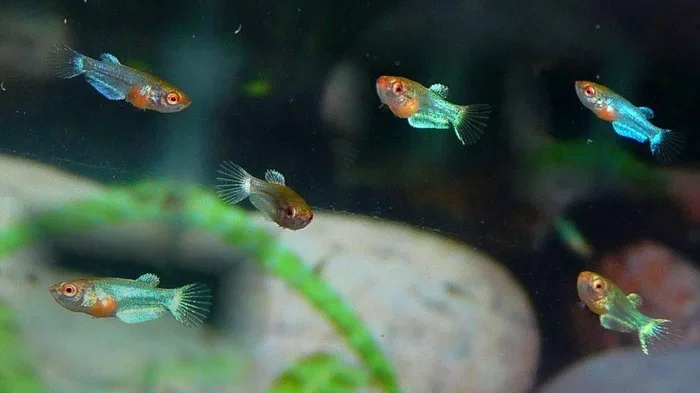
Betta fish fry are incredibly small and fragile. Unlike adult bettas, they have tiny mouths and very specific dietary needs. Their immune systems are also still developing, which makes them more vulnerable to disease and poor water conditions.
Many new fish keepers lose fry simply because they do not understand these unique needs. The first few days after hatching are the most critical. During this time, the fry rely entirely on their yolk sacs for nutrition. After that, they need external food sources immediately.
### Understanding Betta Fry Development Stages
Betta fry go through several growth stages quickly. In the first 24 to 48 hours, they absorb their yolk sacs. Around day three or four, they start free-swimming and need food. By the end of the first week, they become more active and curious.
Each stage requires slightly different care. Understanding these stages helps you adjust feeding routines and tank conditions at the right time. This knowledge is the foundation of successful fry raising.
## Setting Up a Safe Fry Tank
The first and most important step in saving betta fish fry is creating a safe environment. Adult bettas are known to eat their own fry. Even other tank mates can pose a serious threat to tiny hatchlings.
### Choosing the Right Tank Size
You do not need a large tank for betta fry. A small container or tank works perfectly in the early stages. A 5-gallon tank or even a large plastic storage container can serve as a fry habitat. The key is to keep the water parameters stable and easy to manage.
Make sure the container has a lid. Betta fry are excellent jumpers, and even a small gap can be dangerous. Cover the top with plastic wrap or a mesh screen to keep them safe.
### Essential Equipment for Fry Care
You will need a few basic items to set up a fry tank properly:
- A small sponge filter: This provides gentle filtration without sucking in tiny fry.
- A heater: Maintain a steady temperature between 78 and 80 degrees Fahrenheit.
- A thermometer: Monitor the water temperature daily.
- A turkey baster or pipette: This helps with precise water changes.
- A small light: Keeps the environment bright enough to observe the fry.
Setting up the tank before the fry hatch gives you time to stabilize the water. This reduces stress and creates a safer space for the newborns.
## Feeding Betta Fish Fry Properly
Feeding is the most critical part of how to save betta fish fry. Newborn fry are too small for regular fish food. They need extremely fine, nutrient-rich meals that they can easily consume.
### What to Feed Newborn Betta Fry
During the first few days, fry still have some residual yolk sac nutrition. After the yolk sac is fully absorbed, they need external food. Here are the best options for newborn betta fry:
- Infusoria: These are microscopic organisms found in cultures you can purchase or grow at home.
- Baby brine shrimp: A highly nutritious live food that fry love.
- Crushed flake food: Grind regular betta flakes into a fine powder.
- Liquid fry food: Commercial products designed specifically for tiny fish.
Feed the fry small amounts multiple times a day. Overfeeding is just as dangerous as underfeeding. Uneaten food can quickly dirty the water and harm the fry.
### How Often Should You Feed Betta Fry?
For the first two weeks, feed the fry 3 to 4 times daily. As they grow and become more active, you can adjust the frequency. Watch their bellies, they should appear slightly rounded after feeding but not bloated.
If you want detailed guidance on feeding schedules and food types, check out our article on how to feed betta fish fry. It covers everything from the first day to the weaning stage.
## Water Quality and Maintenance
Clean water is the backbone of healthy betta fry survival. Fry are far more sensitive to water changes and contaminants than adult fish. Even small amounts of ammonia or nitrite can be lethal to tiny hatchlings.
### How to Maintain Clean Fry Water
Perform small water changes every day or every other day. Replace only 10 to 20 percent of the water at a time. This prevents sudden shifts in water parameters that can shock the fry.
Always use water that has been treated and matched to the tank temperature. Cold water added suddenly can stress or even kill betta fry. A turkey baster works wonders for removing debris and waste without disturbing the fry.
### Testing Water Parameters
Keep an eye on these key water parameters:
- Ammonia: Must stay at 0 ppm. Even trace amounts are harmful to fry.
- Nitrite: Should also be 0 ppm. Nitrite poisoning is a common cause of fry death.
- Nitrate: Keep below 20 ppm with regular water changes.
- pH: Aim for a stable range between 6.5 and 7.5.
- Temperature: Maintain 78 to 80 degrees Fahrenheit consistently.
For more tips on preparing the best water for your fry, read our guide on how to prepare water for a betta fish. Clean water is one of the simplest yet most powerful ways to protect your fry.
## Common Problems and How to Solve Them
Even with the best care, challenges can arise when raising betta fry. Knowing what to watch for helps you act quickly and save lives.
### Fry Not Eating
If your fry refuse food, the water temperature may be too low. Cold water slows their metabolism and reduces their appetite. Try raising the temperature slightly and offer a different food type. Sometimes switching from crushed flakes to baby brine shrimp makes all the difference.
### Lethargy or Swimming Erratically
Lethargic fry often signal poor water quality. Test your ammonia and nitrite levels immediately. A sudden spike in either parameter can cause stress and erratic behavior. Perform a water change right away and remove any uneaten food.
### Fungal or Bacterial Infections
Fuzzy white growth on fry bodies is a sign of fungal infection. Bacterial infections may show as redness, swelling, or open sores. Isolate affected fry if possible and consider using a mild treatment. For information on treating common fish diseases, visit our page on how to use tetracycline for betta fish. Early treatment can make a big difference.
## Expert Tips for Raising Healthy Betta Fry
Raising betta fry successfully comes down to consistency and attention to detail. Here are some expert tips that can make a real difference.
### Keep the Environment Stress-Free
Avoid sudden changes in light, temperature, or water flow. Bettas are sensitive creatures, and fry are even more so. A calm, stable environment promotes healthy growth and reduces the risk of disease.
### Do Not Overcrowd the Tank
As fry grow, they need more space. Overcrowding leads to competition for food and increased waste. Plan to move larger fry into bigger containers or tanks as they develop.
### Monitor Growth Closely
Track the size and activity of your fry daily. Healthy fry should grow visibly each week. If some fry stop growing or appear much smaller than others, they may need extra care or feeding adjustments.
### Gradually Introduce Solid Foods
Start with the finest foods available and slowly transition to larger options as the fry grow. By the fourth or fifth week, most fry can eat finely crushed pellets or small live foods like microworms.
## When to Seek Help
Sometimes despite your best efforts, problems persist. If you notice a large number of fry dying suddenly or signs of a widespread infection, it is time to seek expert advice. Experienced betta breeders and online communities can offer valuable support.
Do not wait too long to act. Early intervention often means the difference between saving and losing your fry. Trust your instincts and observe your fry daily for any changes in behavior or appearance.
## Conclusion
Learning how to save betta fish fry is a rewarding journey that requires patience and dedication. From setting up the right tank to feeding properly and maintaining clean water, every step plays a vital role in their survival. The first few weeks are the hardest, but with consistent care, your fry will grow into strong, healthy bettas.
Remember, every successful fry raiser started with the same challenges you face today. Stay observant, stay consistent, and enjoy the process. Your efforts will pay off as you watch these tiny creatures thrive under your care.
Key Takeaways
- Separate fry immediately: Move betta fry to a dedicated tank to protect them from adult fish and predators.
- Feed tiny foods frequently: Betta fry need micro-sized meals like infusoria or baby brine shrimp multiple times a day.
- Maintain pristine water: Frequent small water changes are essential to keep fry safe from toxins and bacteria.
- Keep the temperature stable: Warm water around 78-80°F supports healthy growth and digestion in betta fry.
- Watch for stress signs: Early detection of health issues like lethargy or loss of appetite can save lives.
- Be patient: Betta fry grow slowly and need consistent care for the first few weeks to thrive.
Frequently Asked Questions
How long do betta fish fry stay in the yolk sac stage?
Betta fry absorb their yolk sacs within the first 24 to 48 hours after hatching. During this time, they do not need external food. Once the yolk sac is fully absorbed, they become free-swimming and need frequent micro-meals to survive.
Can betta fry live with adult bettas?
No, adult bettas will often eat their own fry. It is essential to separate fry into a dedicated tank or container immediately after hatching. This protects them from predation and gives them a much better chance of survival.
What is the best food for newborn betta fry?
The best foods for newborn betta fry include infusoria, baby brine shrimp, and liquid fry food. These are small enough for their tiny mouths and packed with the nutrients they need during the critical first weeks of life.
How often should I do water changes for betta fry?
Perform small water changes of 10 to 20 percent every day or every other day. This keeps ammonia and nitrite levels near zero without causing sudden shifts in water parameters that could stress the fry.
Why are my betta fry not growing?
Slow growth in betta fry is often caused by inadequate nutrition, poor water quality, or low water temperature. Check your feeding schedule, test your water parameters, and ensure the temperature stays between 78 and 80 degrees Fahrenheit for optimal growth.
At what age can betta fry eat regular food?
By around four to five weeks old, betta fry can start eating finely crushed pellets and small live foods like microworms. Gradually transition them from micro-foods to larger options as they grow and their mouths become capable of handling bigger particles.