How to Save a Betta Fish from Dropsy
Dropsy is one of the most serious conditions a betta fish can face, but early action gives your fish the best chance of survival. This guide walks you through recognizing dropsy symptoms, understanding what causes it, and applying effective treatment methods at home. With the right approach, patience, and clean water, you can give your betta fish a fighting chance.
Watching your betta fish struggle is heartbreaking. One day they are swimming gracefully, and the next day their body looks bloated, scales poking out like a pinecone. This alarming condition is called dropsy, and it strikes fear into the hearts of fish keepers everywhere. But here is the good news. With quick action and the right approach, you can give your betta fish a real chance at recovery.
Dropsy is not a disease itself. It is a symptom of a deeper problem, usually a bacterial infection that causes fluid to build up inside the fish’s body. Many people panic when they see the signs, but staying calm and acting fast is the best thing you can do. This guide will show you exactly what to do, from identifying the early dropsy symptoms to setting up the right treatment plan. We will also cover how to prevent this condition from ever coming back.
Whether you are a beginner or a seasoned fish keeper, understanding how to save a betta fish from dropsy is an essential skill. Let us dive in and get your fish the help it needs.
Key Takeaways
- Early detection is critical: Spotting dropsy symptoms early dramatically improves your betta fish survival rate.
- Water quality is the foundation: Poor water conditions are the leading cause of dropsy and many other betta fish diseases.
- Salt baths and aquarium salt can help: These simple treatments support recovery and reduce swelling.
- Isolation is essential: Moving a sick fish to a quarantine tank prevents spreading illness to other fish.
- Antibiotics may be necessary: Bacterial infections causing dropsy often require medication for effective treatment.
- Prevention beats cure: Regular tank maintenance and proper feeding keep your betta fish healthy long-term.
📑 Table of Contents
What Is Dropsy in Betta Fish?
Dropsy is a condition where fluid accumulates inside the body cavity of a betta fish. This buildup causes the belly to swell and the scales to lift away from the body. It looks very distinctive, which is why experienced fish keepers recognize it right away.
The term “dropsy” is actually an old word for edema, which means swelling caused by excess fluid. In betta fish, this happens because the kidneys stop working properly. The kidneys fail to filter fluids, and they start to collect inside the fish. This is why dropsy is often linked to kidney failure fish conditions.
Here are the most common dropsy symptoms to watch for:
- Swollen abdomen: The belly becomes noticeably round and tight.
- Pinecone scales: Scales stick out and give the body a bumpy texture.
- Loss of appetite: The fish stops eating or shows no interest in food.
- Lethargy: The fish stays near the bottom of the tank and moves very little.
- Curved spine: The backbone becomes visible as the swelling worsens.
- Pale gills: The gills may lose their healthy color.
- Clamped fins: Fins stay close to the body instead of flowing freely.
If you notice a combination of these signs, act immediately. The faster you respond, the better the outcome. Also, check out our guide on how to save a betta fish from dying for additional emergency care tips that apply to dropsy situations.
What Causes Dropsy in Betta Fish?
Understanding the root cause of dropsy is just as important as treating the symptoms. Dropsy itself is a secondary condition, meaning it results from something else going wrong inside the fish. Let us look at the main causes.
Bacterial Infections
The most common cause of dropsy is a bacterial infection, usually from gram-negative bacteria like Aeromonas or Pseudomonas. These bacteria are naturally present in most aquariums, but they only cause problems when the fish’s immune system is weak. A healthy betta fish can usually fight off these bacteria without any issues.
Poor Water Quality
This is the number one trigger. When ammonia and nitrite levels rise in the tank, the fish becomes stressed. Stress weakens the immune system and opens the door for infections. Fish tank maintenance is absolutely vital for preventing this. Regular water changes and proper filtration keep harmful chemicals at bay.
Improper Diet
Overfeeding or feeding low-quality food can lead to digestive problems in betta fish. Constipation and bloating put extra pressure on the kidneys and internal organs. Over time, this can contribute to the development of dropsy. Make sure you are feeding the right amount and offering variety.
Other Stress Factors
Cold water, sudden temperature changes, bullying tank mates, and small tanks all stress betta fish. Stress is the silent killer. When a betta fish is constantly stressed, its body cannot fight off infections effectively. Learn more about how stress affects betta fish in our guide on how to treat a stressed betta fish.
| Cause | How It Leads to Dropsy | Prevention Level |
|---|---|---|
| Bacterial Infection | Weak immune system allows bacteria to attack kidneys | Medium |
| Poor Water Quality | Toxins stress the fish and damage organs | High |
| Overfeeding | Digestive issues strain internal organs | High |
| Cold Water | Low temperature weakens immune response | High |
| Tank Mates | Chronic stress from aggression or harassment | Medium |
How to Treat Dropsy in Betta Fish
Once you confirm that your betta fish has dropsy, you need to start treatment right away. There is no single magic cure, but a combination of approaches works best. Here is a step-by-step treatment plan that many fish keepers have found successful.
Step 1: Set Up a Quarantine Tank
The first thing you should do is move the sick fish to a separate tank. This is called a fish quarantine tank. It serves two important purposes. First, it keeps the sick fish away from healthy ones so the infection does not spread. Second, it gives you a controlled environment where you can monitor the fish closely and adjust treatment without affecting other tank inhabitants.
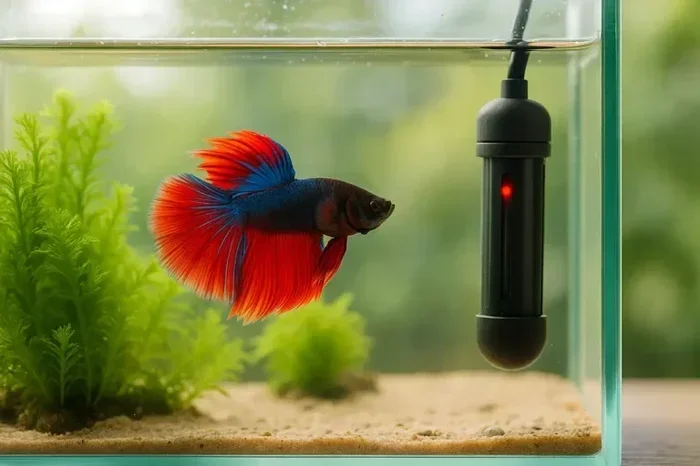
Use a small tank, about 2 to 5 gallons, with a gentle filter and a heater. Keep the water clean and stable. You can learn more about setting up proper habitats in our article on how to set up a fish tank for betta fish.
Step 2: Improve Water Conditions
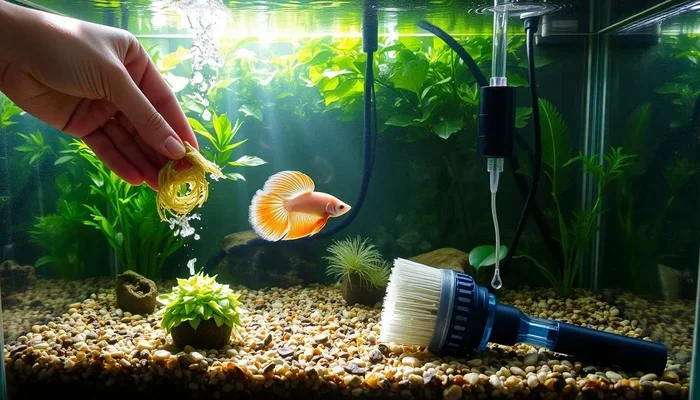
Clean water is the foundation of recovery. Do a 50 percent water change in the quarantine tank before starting any treatment. Use a water conditioner to remove chlorine and chloramine. Test the water parameters to make sure ammonia and nitrite are at zero, and nitrates are below 20 ppm.
Maintaining clean water throughout treatment cannot be overstated. Dirty water will only make things worse and slow down healing. For detailed instructions on keeping water pristine, see our guide on how to take care of betta fish water.
Step 3: Add Aquarium Salt
aquarium salt is a time-tested treatment for many fish illnesses, including dropsy. Salt helps draw excess fluid out of the fish’s body through osmosis. It also supports the gill function and creates a slightly hostile environment for certain bacteria.
Use aquarium salt specifically made for fish tanks, not table salt. Add one teaspoon per gallon of water. Dissolve the salt in a cup of tank water before adding it to the quarantine tank. Repeat this dose with each water change during the treatment period.
Quick Tip: Never use salt if you have live plants or snails in the quarantine tank, as they can be sensitive to salt levels.
Step 4: Use Antibiotics if Needed
If the salt treatment alone does not show improvement within 48 to 72 hours, you may need to use antibiotics. Kanamycin and nitrofurazone are commonly recommended for dropsy caused by bacterial infections. These medications are available at most pet stores and online fish suppliers.
Follow the dosage instructions carefully. Overdosing can harm the fish, and underdosing will not be effective. Some fish keepers prefer to combine salt treatment with antibiotics for a stronger approach. Always remove carbon from the filter before adding medication, as carbon will absorb the medicine and make it useless.
Step 5: Adjust Feeding
During treatment, offer small amounts of high-quality food. Frozen or live bloodworms and brine shrimp are excellent choices. If the fish refuses to eat, do not force feed. A fasting period of one to two days can help relieve digestive pressure, but do not extend it beyond that.
You can also try soaking dry food before feeding to prevent air from getting into the digestive tract, which can worsen bloating. For more feeding guidance, check out our article on how many pellets to feed a betta fish.
Can Dropsy Be Cured?
Honest answer? It depends. If you catch dropsy early and start treatment immediately, there is a real chance of recovery. Many betta fish have bounced back from mild cases with proper care. However, if the condition has progressed to the point where the spine is curved and the fish is barely moving, the chances drop significantly.
It is important to set realistic expectations. Not every fish will survive dropsy, and that is okay. What matters is that you tried everything you could. The key is to act fast and stay consistent with treatment. Even if the fish does not fully recover, providing comfort and clean water ensures it does not suffer unnecessarily.
For more information on handling severe fish health situations, you may want to read our article on how to safely dispose of a dead betta fish for guidance on handling loss with care and respect.
How to Prevent Dropsy in the Future
Prevention is always better than cure. Once your betta fish has survived dropsy, you want to make sure it never happens again. Here are the best prevention strategies.
Maintain Excellent Water Quality
This cannot be stressed enough. Test your water parameters regularly. Perform partial water changes at least once a week. Clean the filter media gently in old tank water, never tap water. A well-maintained tank is the single best defense against dropsy and dozens of other fish illnesses.
Feed a Balanced Diet
Offer a variety of high-quality foods. Pellets formulated for betta fish should be the staple, supplemented with frozen or live foods occasionally. Feed small amounts two times a day, and remove any uneaten food after five minutes. Overfeeding is one of the easiest mistakes to make, and it has serious consequences for fish health.
Keep the Tank at the Right Temperature
Betta fish need warm water to thrive. The ideal temperature range is 78 to 80 degrees Fahrenheit. Cold water weakens the immune system and makes fish vulnerable to infections. If you do not have a heater, consider getting one. You can also read our guide on how to keep my betta fish warm without a heater for alternative warming methods.
Avoid Overcrowding
Betta fish need space. A tank of at least 5 gallons is recommended for a single betta. Overcrowding increases waste, raises ammonia levels, and causes stress. Give your fish room to swim and explore, and you will see a big difference in overall health and behavior.
Quarantine New Fish
Whenever you add a new fish to your collection, keep it in a separate quarantine tank for at least two weeks. This prevents the spread of diseases that new fish may be carrying. It is a simple step that saves a lot of headaches later.
Common Mistakes to Avoid When Treating Dropsy
Even well-meaning fish keepers make mistakes when treating dropsy. Here are the most common ones and how to avoid them.
- Waiting too long to act: Dropsy progresses quickly. The longer you wait, the harder it becomes to treat.
- Using table salt instead of aquarium salt: Table salt contains additives like iodine and anti-caking agents that can harm fish.
- Overmedicating: More medicine does not mean faster healing. Follow dosage instructions exactly.
- Ignoring water changes: Medication alone will not work if the water remains dirty and toxic.
- Treating in the main tank: Medications can harm beneficial bacteria, plants, and other tank mates. Always use a quarantine tank.
- Giving up too soon: Recovery takes time. Stick with the treatment plan for at least one to two weeks before deciding it is not working.
Expert Insights on Betta Fish Recovery
Experienced fish keepers and aquatic veterinarians agree that the key to saving a betta fish from dropsy is a multi-pronged approach. There is no single fix. Clean water, proper medication, good nutrition, and patience all work together to give the fish the best possible chance.
Many professionals also emphasize the importance of observation. Watching your fish daily allows you to catch early warning signs before a condition becomes life-threatening. Simple things like noting eating habits, swimming behavior, and physical appearance can make all the difference. For more expert-level care advice, explore our complete how to care for a betta fish 101 guide.
Remember, dropsy does not have to be a death sentence. With knowledge, preparation, and prompt action, you can make a real difference in your betta fish’s life. The fact that you are reading this article shows you care, and that already puts you ahead.
Conclusion
Saving a betta fish from dropsy is challenging but absolutely possible with the right knowledge and quick action. The journey starts with recognizing the symptoms early, moving the fish to a clean quarantine tank, and applying a combination of salt treatment, antibiotics, and improved water conditions. Prevention through proper tank maintenance, balanced feeding, and stable water temperature will keep your betta fish healthy for years to come.
Do not lose hope if your fish is showing signs of dropsy. Every day you invest in treatment is a day closer to recovery. Trust the process, stay consistent, and give your betta fish the best fighting chance it deserves.
Frequently Asked Questions
Can a betta fish survive dropsy?
Yes, a betta fish can survive dropsy, especially if you catch it early and start treatment right away. Many fish keepers have successfully treated mild cases using aquarium salt, clean water, and antibiotics. The key is acting fast and staying consistent with the treatment plan.
How long does it take for a betta fish to recover from dropsy?
Recovery time varies depending on the severity of the condition. Mild cases may show improvement within 5 to 7 days of treatment. More advanced cases can take 2 to 4 weeks or longer. Consistent water changes and proper medication are essential throughout the recovery period.
Is dropsy contagious to other fish?
Dropsy itself is not directly contagious, but the underlying bacterial infection can spread to other fish, especially if they are stressed or have weakened immune systems. This is why quarantining the sick fish immediately is so important for protecting the rest of your tank.
What is the best antibiotic for treating dropsy in betta fish?
Kanamycin and nitrofurazone are the most commonly recommended antibiotics for dropsy caused by bacterial infections. Both are widely available and effective against gram-negative bacteria. Always follow the dosage instructions and remove carbon from your filter before adding medication.
Can dropsy be cured without medication?
In very mild cases, improving water quality and adding aquarium salt may be enough to support recovery without medication. However, if the fish does not improve within a few days, antibiotics are likely needed. It is best to start with salt treatment and escalate to medication if necessary.
How can I tell the difference between dropsy and constipation in my betta fish?
Constipation causes a swollen belly, but the scales usually stay flat and the fish can still swim normally. Dropsy causes the scales to protrude outward in a pinecone pattern, and the fish becomes lethargic and loses its appetite. If you are unsure, it is safer to treat for dropsy and monitor closely.