How to Restore Color to Betta Fish
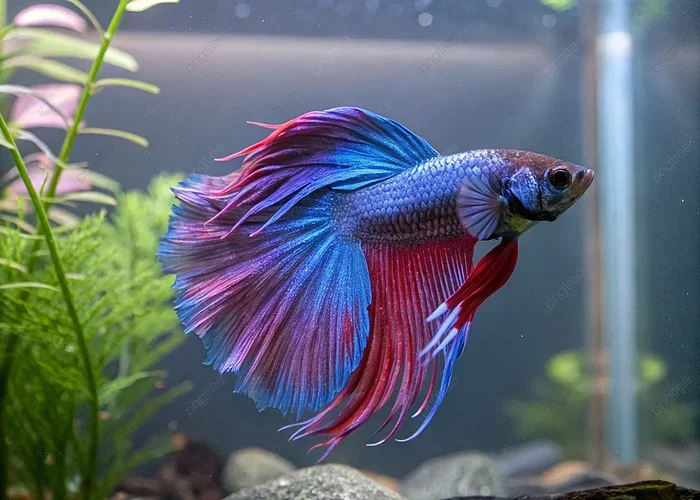
Want to know how to restore color to betta fish? This guide covers everything from diet and water quality to lighting and stress management. You will learn simple, proven methods to bring back your betta’s vibrant hues and keep them looking stunning for years to come.
Your betta fish has always been the star of your aquarium. But lately, those brilliant reds, blues, and greens have started to fade. You might be wondering what went wrong and how to bring that stunning color back. The good news is that how to restore color to betta fish is something most fish owners can do at home with a few simple changes.
Color loss in bettas is a common concern, but it is rarely a sign of a serious problem. Often, it is linked to water quality, nutrition, stress, or lighting. Once you identify the cause, you can take action. This guide walks you through every step of the process. By the end, you will know exactly what to do to bring your betta back to life.
Let us dive in and explore the most effective ways to restore your betta fish color. Whether your fish has turned pale, washed out, or just looks dull, you will find practical advice here that really works.
Key Takeaways
- Water quality is the #1 factor: Clean, properly conditioned water is essential for restoring and maintaining your betta’s color.
- Diet plays a huge role: Feeding color-enhancing foods like brine shrimp and spirulina can dramatically improve your fish’s vibrancy.
- Stress causes color loss: Reducing stress through proper tank setup and gentle handling helps your betta regain its natural brilliance.
- Lighting matters: The right aquarium lighting can make your betta’s colors pop and support overall health.
- Patience is key: Color restoration takes time, typically a few weeks to a couple of months with consistent care.
📑 Table of Contents
- Why Do Betta Fish Lose Their Color?
- How to Restore Color to Betta Fish Through Water Quality
- Feeding Your Betta for Vibrant Color
- The Role of Lighting in Betta Color
- Reducing Stress for Better Color
- Additional Tips to Boost Betta Color Naturally
- Common Mistakes That Prevent Color Restoration
- When to See a Vet
- Final Thoughts
Why Do Betta Fish Lose Their Color?
Before you can fix the problem, you need to understand why it happens. Betta fish lose color for a variety of reasons. Some are temporary, and others need a bit more attention. Here are the most common causes.
Stress and Poor Water Conditions
Stress is the biggest enemy of your betta’s color. When a betta is stressed, its body releases hormones that can cause betta fish color fading. Poor water quality is the number one stress trigger. Ammonia, nitrite, and nitrate buildup can make your fish look pale and lifeless. Even small changes in pH or temperature can affect how vibrant your betta appears.
Think of it this way. If you are not sleeping well or eating right, your skin looks dull. The same thing happens with fish. Their environment directly affects their appearance.
Lack of Proper Nutrition
What your betta eats has a direct impact on its color. Cheap flake food or low-quality pellets do not provide the nutrients needed for color enhancement. Bettas are carnivores, and they need protein-rich foods to stay healthy and colorful. Without the right diet, their pigments simply cannot produce the vivid shades they are known for.
Age and Natural Changes
As bettas get older, their colors can naturally dull a bit. This is normal and nothing to worry about. However, if your fish is young and still losing color, it is almost certainly something you can fix with better care.
Illness and Disease
Sometimes, color loss is a symptom of illness. Fin rot, ich, or internal infections can all cause a betta to look pale or faded. If your fish shows other symptoms like clamped fins, loss of appetite, or white spots, you should address the health issue first. Once the illness is treated, the color usually comes back on its own.
How to Restore Color to Betta Fish Through Water Quality
The single most important step in how to restore color to betta fish is improving water quality. Clean water reduces stress and allows your fish’s natural pigments to shine through again.
Test Your Water Regularly
Get a basic water test kit. You need to check ammonia, nitrite, nitrate, and pH levels. Ammonia and nitrite should always be at zero. Nitrates should stay below 20 ppm. If any of these are off, your fish is living in a toxic environment that is draining its color.
Do Regular Water Changes
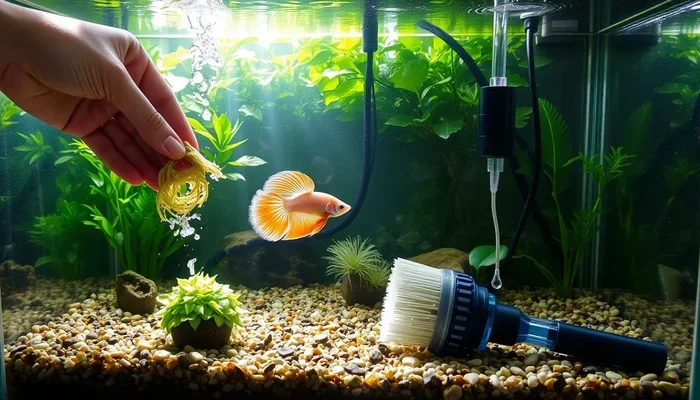
Perform a 25 to 30 percent water change every week. This removes waste buildup and keeps the tank fresh. Use a gravel vacuum to clean the substrate at the same time. Dirty tanks are the fastest route to a dull-looking betta.
Use the Right Water Conditioner
Always treat tap water before adding it to your tank. Chlorine and chloramine found in tap water can irritate your betta’s skin and gills. A good water conditioner neutralizes these harmful chemicals instantly. You can learn more about this in our guide on how to use tap water conditioner for betta fish.
Maintain Stable Temperature
Bettas thrive in water between 78 and 80 degrees Fahrenheit. Temperature swings cause stress and can lead to color loss in betta fish. Use a reliable heater and monitor the temperature daily, especially during seasonal changes.
Feeding Your Betta for Vibrant Color
Food is your most powerful tool for color enhancement. The right diet provides the pigments and nutrients that make your betta’s scales glow.
Color-Enhancing Foods
Look for foods that contain natural color enhancers. Ingredients like astaxanthin, spirulina, and beta-carotene are proven to boost red, orange, and yellow pigments in fish. High-quality betta pellets with these additives should form the base of your fish’s diet.
Live and Frozen Foods
Nothing beats live or frozen food for bringing out a betta’s natural beauty. Brine shrimp, bloodworms, and daphnia are excellent choices. These foods are packed with protein and natural pigments that processed flakes simply cannot match.
Feed your betta a varied diet. Rotate between pellets, frozen foods, and the occasional live treat. This not only improves color but also supports overall health and immunity.
Feeding Schedule
Feed your betta two small meals per day. Only give what your fish can eat in two to three minutes. Overfeeding leads to poor water quality, which in turn leads to color loss. A consistent feeding schedule keeps your fish healthy and looking its best.
The Role of Lighting in Betta Color
Many fish owners overlook lighting when thinking about how to restore color to betta fish. But the right light setup can make a massive difference in how vivid your betta looks.
Use Full-Spectrum LED Lights
Full-spectrum LED lights mimic natural sunlight and bring out the best in your betta’s colors. Avoid fluorescent lights that cast a yellow or green tint. LED lights are energy-efficient and give you better color rendering.
Avoid Too Much or Too Little Light
Your betta needs a regular day-night cycle. Aim for 8 to 10 hours of light per day. Too much light encourages algae growth, which clouds the tank and makes your fish hard to see. Too little light makes everything look dull and faded.
Dark Substrates Make Colors Pop
Consider using a dark gravel or sand substrate. Light-colored substrates wash out your betta’s appearance. A dark background and substrate create contrast that makes your fish’s colors look more intense and vibrant.
Reducing Stress for Better Color
Stress is a silent killer of betta color. A stressed fish will always look pale and washed out. Reducing stress should be a top priority in your betta fish care routine.
Provide Enough Space
A betta needs at least a 5-gallon tank. Smaller bowls and containers cause chronic stress. The more space your fish has, the healthier and more colorful it will become.
Add Plants and Hiding Spots
Live or silk plants give your betta places to hide and explore. This reduces anxiety and creates a natural environment. You can also add caves, driftwood, and other decorations to make the tank feel secure.
Avoid Aggressive Tank Mates
Bettas are territorial. Keep them away from fin-nipping or aggressive fish. A peaceful tank environment goes a long way toward restoring and maintaining your betta’s brilliant colors. If you want to learn more about keeping your betta happy and healthy, check out our article on how to properly take care of betta fish.
Handle Your Fish Gently
Avoid chasing your betta around the tank or netting it roughly. Gentle handling reduces stress hormones. If you need to move your fish, use a soft net and do it slowly and calmly.
Additional Tips to Boost Betta Color Naturally
Beyond water, food, lighting, and stress reduction, there are a few extra steps you can take to speed up the color restoration process.
Add Indian Almond Leaves
Indian almond leaves, also known as catappa leaves, release natural compounds that boost the immune system and enhance color in bettas. Many experienced breeders swear by them. Simply drop a leaf or two into the tank and let it steep.
Use a Stress Coat Product
Water conditioners with aloe vera or stress coat formulas help repair damaged gill tissue and slime coats. A healthy slime coat is the first line of defense against disease and plays a role in how vibrant your fish looks.
Consider Supplements
Betta-specific vitamin supplements can fill any nutritional gaps in your fish’s diet. Look for products containing vitamin C, garlic extract, and carotenoids. These support immune function and pigment production.
If you are interested in learning more about making your betta even more colorful, you can read our detailed guide on how to make betta fish colorful. It covers additional techniques and product recommendations that complement the methods in this article.
Be Patient and Consistent
Color restoration does not happen overnight. It typically takes two to four weeks of consistent, proper care to see noticeable improvement. Stick with your new routine, and your patience will be rewarded. Your betta will slowly regain its brilliant colors as its environment improves and its health strengthens.
Common Mistakes That Prevent Color Restoration
Avoid these common mistakes if you want the best results from your efforts.
- Overfeeding: Excess food pollutes the water and causes stress. Feed small amounts twice a day.
- Skipping water changes: Even if the water looks clear, waste builds up. Stick to your weekly schedule.
- Using the wrong substrate: Light-colored gravel can wash out your betta’s appearance.
- Ignoring temperature fluctuations: Sudden changes in temperature stress your fish and cause color fading.
- Switching foods too often: While variety is good, constant switching can upset your betta’s digestive system. Stick to a routine.
By avoiding these pitfalls, you set your betta up for success. The path to vibrant color is built on consistency and attention to detail.
When to See a Vet
If you have improved water quality, adjusted the diet, and reduced stress, but your betta’s color is still not returning, it may be time to consult a veterinarian. Persistent color loss combined with other symptoms like lethargy, loss of appetite, or visible lesions could indicate an underlying health condition. A fish vet can run tests and recommend targeted treatment that goes beyond basic care.
Final Thoughts
Learning how to restore color to betta fish is a rewarding journey. It all comes down to the basics: clean water, great nutrition, proper lighting, and a stress-free environment. When you get these elements right, your betta will reward you with brilliant, eye-catching colors that make your aquarium truly beautiful.
Start with one or two changes today. Maybe it is a water change or upgrading your fish’s food. Small steps lead to big results. Your betta deserves to look its absolute best, and with the care tips in this guide, it will. Stay consistent, stay patient, and enjoy watching your fish glow again.
Remember, every betta fish is unique. Some respond quickly to changes, while others take a bit longer. The key is to keep providing excellent care and let nature do its work. Your colorful companion is worth the effort.
Frequently Asked Questions
How long does it take to restore color to a betta fish?
Most bettas start showing improvement within two to four weeks of consistent care. However, the exact timeline depends on the cause of the color loss and how quickly you address it. Water quality improvements usually show results first, while dietary changes may take a bit longer to produce visible color gains.
Can stress cause a betta fish to lose its color?
Yes, stress is one of the leading causes of color loss in bettas. Poor water conditions, aggressive tank mates, and sudden environmental changes all trigger stress hormones that wash out your fish’s natural pigments. Reducing stress through better care often restores color quickly.
What is the best food for restoring betta fish color?
Foods rich in astaxanthin, spirulina, and beta-carotene are the best for color restoration. Brine shrimp, bloodworms, and high-quality color-enhancing pellets all work well. A varied diet with both frozen and dry foods gives your betta the nutrients it needs for vibrant color.
Does lighting really affect betta fish color?
Absolutely. The right lighting brings out the best in your betta’s natural colors. Full-spectrum LED lights are ideal because they provide clear, true-to-life color rendering. Too much or too little light, or the wrong type of bulb, can make your fish look dull and washed out.
Is color loss in betta fish ever permanent?
In most cases, color loss is reversible with proper care. However, if the color loss is caused by permanent damage from disease or old age, some fading may not fully recover. The good news is that the vast majority of color loss cases are treatable and temporary with the right intervention.
Can I use aquarium salt to help restore my betta’s color?
Yes, aquarium salt can support your betta’s health by reducing stress and improving gill function. However, bettas are sensitive to salt, so use it sparingly. A mild salt bath can help, but always research proper dosing before adding salt to your main tank.