How to Raise the Best Betta Fish
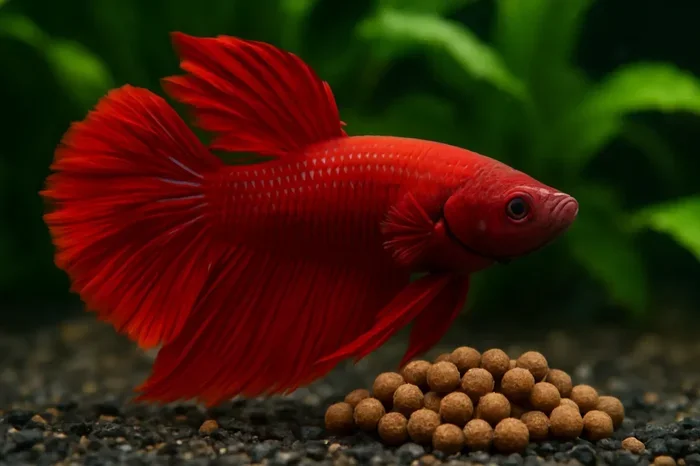
Raising the best betta fish starts with the right tank, warm water, and a proper diet. This guide covers everything you need to know about betta fish care, from setting up the perfect habitat to keeping your fish healthy and colorful. Follow these simple steps and your betta will thrive for years.
Raising a betta fish can be one of the most rewarding experiences for any pet lover. These beautiful creatures come in stunning colors and have personality traits that make them truly unique. But many people underestimate what it takes to keep a betta fish happy and healthy.
If you want to learn how to raise the best betta fish, you have come to the right place. This guide covers everything from tank setup to daily care. Whether you are a complete beginner or have had bettas before, you will find useful tips here. Let us dive into the world of betta fish care and help your fish live its best life.
## Why Betta Fish Make Great Pets
Betta fish are often called Siamese fighting fish. They are known for their long flowing fins and bright colors. But there is so much more to these fish than just good looks.
Bettas are intelligent and can recognize their owners over time. They respond to feeding schedules and even interact with their environment. Each betta has its own personality. Some are curious and active. Others are more calm and laid back.
Another great thing about bettas is that they do not need a huge tank. This makes them perfect for small spaces. But that does not mean you can skimp on their care. A small tank still needs proper maintenance. Understanding betta fish care basics will set you up for success.
## Setting Up the Perfect Tank
The foundation of raising a healthy betta starts with the tank. Many beginners make the mistake of keeping their betta in a tiny bowl. While bettas can survive in small spaces, they thrive in larger ones.
### Tank Size Matters
The minimum tank size for a single betta is 5 gallons. A larger tank gives your fish more room to swim. It also makes it easier to maintain stable water conditions. Small bowls and cups may look cute, but they limit your betta’s quality of life.
When choosing a tank, think about the best tank size for a betta fish. A 10-gallon tank is even better if you have the space. It provides stability and room for decorations. Your betta will appreciate the extra swimming space.
### Essential Tank Equipment
You need a few key items to set up a proper betta habitat. Here is what to include:
- Heater: Bettas are tropical fish and need warm water. A reliable heater keeps the temperature steady.
- Filter: A gentle filter keeps the water clean without creating too much current. Bettas prefer calm water.
- Thermometer: You need to monitor the water temperature daily. A simple stick-on thermometer works great.
- Substrate: Soft gravel or sand at the bottom of the tank looks natural and is safe for bettas.
- Decorations: Plants and caves give your betta places to hide and explore. Live plants are especially good.
### Ideal Water Conditions
Water quality is critical for your betta’s health. The best temperature for a betta fish tank is between 76°F and 82°F. Anything below 74°F can make your betta sluggish and prone to illness.
You should also pay attention to pH levels. Bettas prefer slightly acidic to neutral water, around 6.5 to 7.5. Test your water regularly with a simple test kit. This helps you catch problems before they affect your fish.
## Feeding Your Betta for Optimal Health
Diet plays a huge role in how well your betta thrives. Many people feed their bettas the wrong food or too much of it. Learning what and how to feed your betta is essential.
### What to Feed Your Betta
High-quality betta pellets should be the staple of your fish’s diet. Look for pellets that list fish meal as the first ingredient. These provide the protein bettas need to stay healthy and active.
You can also offer variety with occasional treats. Freeze-dried bloodworms and brine shrimp make great supplements. Live or frozen foods are even better when available. Just remember that treats should only make up a small part of the diet.
### Feeding Schedule and Portions
Feeding your betta the right amount is just as important as feeding the right food. Overfeeding is one of the most common mistakes new betta owners make. It can lead to bloating, constipation, and poor water quality.
Feed your betta 2-3 pellets twice a day. Some owners prefer a morning and evening schedule. Watch your fish during feeding time. If your betta stops eating, remove any uneaten food right away. This keeps the water clean and prevents health issues.
A betta fish feeding schedule helps create consistency. Bettas do well with routine. They will learn to expect food at certain times and may even come to the surface when it is feeding time.
## Keeping Your Betta Healthy
A healthy betta fish is a happy betta fish. Prevention is always better than treatment when it comes to fish care. Here are the key steps to keep your betta in top shape.
### Signs of a Healthy Betta
Before you can spot problems, you need to know what a healthy betta looks like. A healthy betta has bright, vibrant colors and flowing fins. It moves actively around the tank and eats well. The fins should be held open and not clamped against the body.
### Common Health Issues
Even with the best care, bettas can get sick. Here are the most common issues you might face:
- Fin Rot: This is a bacterial infection that causes the fins to look ragged or frayed. It usually happens in poor water conditions. Regular water changes help prevent this.
- Ich (White Spot Disease): Ich shows up as small white spots on the body and fins. It is caused by stress or sudden temperature changes. Treatment is available and effective.
- Constipation: Overfeeding often leads to constipation. A betta with constipation may have a swollen belly and stop eating. Feeding a pea (without the skin) can help.
- Stress: Stress weakens the immune system. It can be caused by poor water quality, aggressive tank mates, or sudden changes in the environment.
### How to Treat a Stressed Betta Fish
If your betta seems stressed, act quickly. Check the water temperature first. A sudden drop in temperature is a common cause of stress. Also check the water parameters. High ammonia or nitrite levels are dangerous.
Adding live plants to the tank can help reduce stress. Plants provide hiding spots and improve water quality. You might also consider a betta fish stress coat product available at pet stores. These products help repair damaged fins and protect against infection.
## Water Maintenance Made Easy
Clean water is the single most important factor in betta health. You cannot skip water maintenance if you want your betta to thrive.
### How Often to Change the Water
For a 5-gallon tank, you should change about 25-30% of the water every week. This removes waste buildup and keeps harmful chemicals at bay. For larger tanks, you can do water changes less frequently but should still maintain a regular schedule.
Learning how to change the water in a betta fish tank properly is important. Use a siphon to remove debris from the substrate while changing the water. Always treat new water with a tap water conditioner before adding it to the tank. Chlorine and chloramine in tap water can harm or even kill your betta.
### Tips for Easy Water Maintenance
– Keep a dedicated bucket for aquarium water changes. Never use soap or cleaning products on tank equipment.
– Test the new water temperature before adding it. It should match the tank temperature closely.
– Clean the glass with an algae scraper once a week. This keeps the tank looking nice and lets light reach your plants.
– Replace filter media monthly. But rinse it in old tank water, not tap water, to preserve beneficial bacteria.
## Enhancing Your Betta’s Colors and Beauty
One of the best parts of owning a betta is watching their colors glow. With the right care, you can make your betta’s colors truly pop.
### How to Make Your Betta More Colorful
Several factors affect how vibrant your betta’s colors become. First, diet plays a big role. Foods rich in carotenoids and spirulina enhance color naturally. Many high-quality betta pellets include these ingredients.
Second, a stress-free environment brings out the best colors. A betta that feels safe and comfortable will display its full color potential. Make sure the tank is not too bright or too dark. Soft lighting works best.
If you want to take your betta’s colors to the next level, look into specific techniques for how to enhance the color of betta fish. Proper care combined with the right nutrition makes a noticeable difference over time.
### Understanding Betta Colors and Patterns
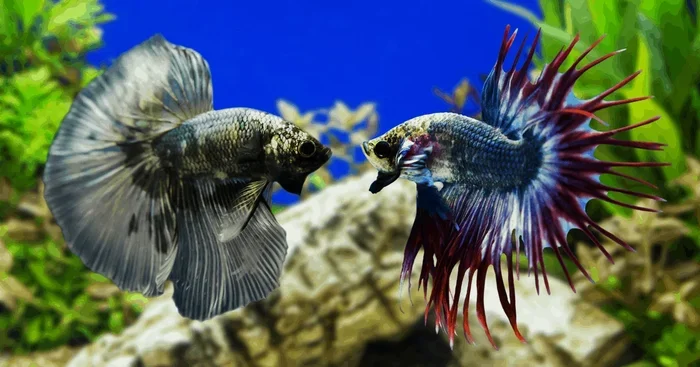
Bettas come in many different color patterns. Some are solid colors like red, blue, or green. Others have marble patterns that shift and change over time. There are also butterfly, galaxy, and koi patterns.
Each pattern is unique and beautiful. The way colors develop depends on genetics, diet, and environment. Some bettas change color as they age. This is completely normal and adds to the charm of keeping these fish.
## Understanding Your Betta’s Behavior
Watching your betta’s behavior tells you a lot about how it feels. Bettas communicate through their body language and activity levels.
### Normal Betta Behavior
A happy betta will explore its tank throughout the day. It may build bubble nests at the surface, which is a sign of a healthy, content male betta. Your betta might also follow your finger around the tank or watch you from behind the glass.
### When to Be Concerned
If your betta starts hiding all the time or stops eating, something is wrong. Clamped fins, lethargy, and rapid breathing are all signs of distress. Check the water parameters first. Then look for any changes in the tank environment.
Sometimes behavioral changes are linked to the best temperature for a betta fish tank. If the water is too cold, bettas become sluggish. If it is too warm, they become stressed and oxygen levels drop. Keeping the temperature stable makes a big difference.
## Breeding Betta Fish (Advanced)
If you are feeling adventurous, you might want to try breeding bettas. This is an advanced topic and requires extra knowledge and preparation.
### What You Need to Know
Before breeding, you need to tell the gender of a betta fish accurately. Male and female bettas look different. Males have longer fins and more vibrant colors. Females have a small white egg spot and a shorter fin length.
Breeding requires a separate tank with specific conditions. The water temperature should be raised slightly to around 80°F. Both fish need to be in good health and well-fed before introducing them.
Breeding bettas is a rewarding challenge but should only be attempted by experienced keepers. Start with proper research and be prepared for the commitment involved.
## Conclusion
Raising the best betta fish is easier than you might think. It all comes down to providing the right environment, proper nutrition, and consistent care. Start with a good-sized tank, maintain clean water, and feed a balanced diet. Your betta will reward you with years of beauty and companionship.
Remember that every betta is different. Pay attention to your fish’s individual needs and adjust your care routine accordingly. With patience and dedication, you can create a thriving home for your betta. Follow the tips in this guide and you will be well on your way to becoming a confident betta fish owner.
Key Takeaways
- Choose the right tank size: A minimum of 5 gallons gives your betta room to swim and stay healthy.
- Keep the water warm: Bettas need temperatures between 76-82°F to thrive and avoid illness.
- Feed a balanced diet: High-quality pellets and occasional treats keep your betta vibrant and strong.
- Maintain clean water: Regular water changes and proper filtration prevent disease and stress.
- Enhance your betta’s colors: The right environment and diet bring out stunning colors in your fish.
- Know your betta’s gender: Understanding the differences helps you provide better care and avoid conflicts.
- Watch for signs of stress: Early detection of health issues leads to faster treatment and recovery.
Frequently Asked Questions
How big of a tank does a betta fish need?
A minimum of 5 gallons is recommended for a single betta fish. While bettas can survive in smaller containers, a 5-gallon tank or larger gives them room to swim and helps maintain stable water conditions. Larger tanks are always better for long-term health.
What is the best water temperature for betta fish?
The ideal temperature range for betta fish is 76°F to 82°F. Keeping the water in this range prevents illness and keeps your betta active. Use a reliable heater and thermometer to maintain consistent temperatures.
How often should I feed my betta fish?
Feed your betta 2-3 pellets twice a day, once in the morning and once in the evening. Remove any uneaten food after a few minutes to keep the water clean. Overfeeding is a common mistake that can lead to health problems.
Can betta fish live with other fish?
Bettas can sometimes live with other fish, but it depends on the tank setup and tank mates. Avoid aggressive fish or those with bright colors and long fins. Snails and some peaceful bottom-dwellers can work well in a community tank.
Why is my betta fish losing color?
Color loss in bettas can be caused by stress, poor water quality, or an inadequate diet. Check your water parameters first and make sure you are feeding high-quality food. Improving the environment and nutrition usually brings colors back.
How can I tell if my betta fish is male or female?
Male bettas have longer, more colorful fins and a more vibrant appearance. Females have shorter fins and a small white spot near the ventral area called an egg spot. If you are unsure, learning how to tell the gender of a betta fish can help you provide better care.