How to Pronounce the Word Betta Fish
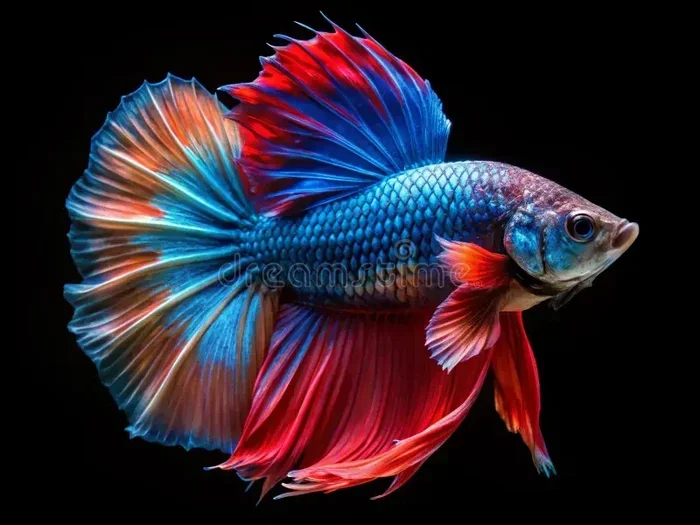
The correct way to say betta fish is “bet-tuh fish,” not “bet-uh fish.” The word betta comes from the Malay word “ikan bettah,” and knowing the right betta fish pronunciation helps you sound confident when talking to other fish keepers. This guide covers the origin, common mistakes, and simple tricks to remember the correct pronunciation every time.
If you have ever walked into a pet store and felt unsure about how to say the name of your favorite fish, you are not alone. The betta fish pronunciation trips up a lot of people, and that is perfectly okay. This guide will walk you through the correct way to pronounce betta fish step by step, so you can say it with confidence every single time.
Whether you are a new fish owner or just curious about the name, learning the betta pronunciation is easier than you think. We will cover where the name comes from, why people get it wrong, and simple tricks to lock in the right sound. By the end of this guide, you will never second-guess yourself again.
Key Takeaways
- Correct pronunciation: Say “bet-tuh fish” with a short first syllable, not “bet-uh fish.”
- Origin matters: The name betta comes from the Malay word “ikan bettah,” which gives you a clue about the correct sound.
- Common mistake: Many people mispronounce betta by adding an extra vowel sound at the end of the first syllable.
- Two words matter: Always say “betta fish” as two separate words, not “betafish” as one word.
- Confidence helps: Practicing the pronunciation a few times in front of a mirror or with a friend builds lasting habit.
- Context counts: Knowing how to say betta fish correctly matters at pet stores, vet visits, and fish keeping communities.
📑 Table of Contents
The Correct Way to Say Betta Fish
The correct betta fish pronunciation is “bet-tuh fish.” That is it. Two syllables for the first word, followed by the word fish. The first syllable “bet” sounds exactly like the bet you place on a game. The second syllable “tuh” is short and soft, almost like a quick breath sound.
Here is a simple breakdown:
- Bet — rhymes with “let,” “get,” and “set.”
- Tuh — a short, unstressed syllable, like the “uh” in “above.”
- Fish — said exactly as it sounds.
Put them together and you get “bet-tuh fish.” Say it a few times slowly, then speed up a little. It should start to feel natural. The key is keeping that first syllable short and crisp. If you find yourself stretching it out, slow down and focus on the break between “bet” and “tuh.”
Many people wonder about the betta fish name origin and how it affects pronunciation. The word betta comes from the Malay language, where the fish is called “ikan bettah.” The Malay spelling gives you a clear clue: the double t means the first syllable is short and sharp, not drawn out. This is why “bet-tuh” is correct, not “bay-tuh” or “bet-uh.”
Breaking It Down Syllable by Syllable
Let us get really practical here. When you say the betta fish pronunciation out loud, think of it as three parts:
- Bet — one clear syllable, like the start of “bets” or “betting.”
- Tuh — a quick, soft second syllable that barely gets any stress.
- Fish — the second word, said fully and clearly.
If you practice saying “bet… tuh… fish” with a tiny pause between each part, you will hear the rhythm come together. Try saying it five times in a row. Then try saying it faster. The goal is smooth and natural, not rushed or choppy.
Pro tip: Record yourself on your phone and play it back. Compare your recording to a pronunciation video online. You will be surprised how quickly your ear adjusts and your mouth follows along.
Why People Mispronounce Betta Fish
Mispronouncing betta fish is incredibly common, and there are some very good reasons for it. Understanding why people get it wrong can actually help you avoid the same mistakes.
The “Beta” Confusion
The biggest reason people mispronounce betta is because of the Greek letter beta, which is spelled the same way but pronounced differently. The Greek letter beta sounds like “bay-tuh.” When people see the word betta written down, their brain often pulls up the Greek letter sound instead of the fish name sound.
This is a completely natural mix-up. Our brains are wired to connect written words with sounds we already know. The problem is that the fish name and the Greek letter are two different words with different origins and different sounds.
Spelling Misleading People
The spelling “betta” can also trick people. With two t’s and an a at the end, some people assume it rhymes with “beta” or “data.” But the Malay origin of the word means the pronunciation follows different rules than English spelling patterns. The double t in betta tells you the first syllable is short and clipped, not long and drawn out.
Another spelling issue comes from people adding an extra syllable. They might say “bet-uh-uh fish” or “bet-tay fish.” These variations happen because the eye reads more into the word than the mouth needs to say. The truth is, the betta pronunciation is simpler than the spelling suggests.
The “Betta” vs. “Beta” Debate
You will find plenty of debate online about whether betta should sound like the Greek letter or the Malay word. The short answer is that for the fish, the correct sound is “bet-tuh,” not “bay-tuh.” Pet stores, aquarium guides, and experienced fish keepers all use the Malay pronunciation. If you want to blend in with the fish keeping community, stick with “bet-tuh fish.”
That said, you will hear both pronunciations in everyday conversation. Most people will still know what you mean either way. But if you want to sound knowledgeable and precise, the Malay pronunciation is the one to use.
The Origin of the Word Betta
Understanding where the name comes from makes the pronunciation much easier to remember. The betta fish name origin is rooted in Southeast Asian languages, specifically Malay.
The full species name of the common pet betta is Betta splendens. The word “betta” in the scientific name comes directly from the local Malay word for the fish. In Malaysia and Thailand, where these fish have been kept for centuries, the pronunciation has always been “bet-tuh.”
The betta fish is also known as the Siamese fighting fish, a name that comes from its origin in Siam, which is now Thailand. These fish were historically bred for fighting, and their aggressive nature is part of what makes them so fascinating to keep today. Knowing this background helps you remember that betta is not an English word — it is an imported name with its own pronunciation rules.
There are many betta fish species and varieties, including crown tail bettas, veiltail bettas, and halfmoon bettas. No matter which variety you have, the pronunciation of the word “betta” stays the same across all of them. Whether you are caring for a veiltail betta or a crown tail, you say “bet-tuh fish” every time.
How the Name Traveled to the West
The betta fish made its way to Western countries in the 1800s and early 1900s. As the fish gained popularity in the aquarium trade, the name traveled with it. But the pronunciation stayed true to the Malay roots. Over time, English speakers adapted the spelling to “betta” and the pronunciation settled into the short, sharp “bet-tuh” sound we use today.
This history matters because it reminds us that the fish name is not an English word. It is a borrowed word with its own phonetic rules. When you keep that in mind, the correct betta pronunciation becomes much easier to recall.
How to Say Betta Fish in Different Situations
Knowing the basic pronunciation is one thing. But how do you use it in real life? Here are some common situations where you might need to say the name out loud.
At the Pet Store
When you are shopping for a new fish, saying “I would like a betta fish, please” sounds confident and clear. Staff at pet stores hear the word all day long, so they will not judge you for any small slip. But getting the betta fish pronunciation right shows that you have done your homework and care about the hobby.
If you are asking about how to take care of a betta fish, using the correct pronunciation can help you feel more comfortable asking questions. Confidence goes a long way when you are learning something new.
At the Vet or Aquarium Club
If you ever bring your fish to a vet or join a local aquarium club, you will want to sound knowledgeable. Using the right pronunciation guide for betta fish helps you communicate clearly with experts. They will appreciate that you took the time to learn the correct term.
You might also hear other fish names at these gatherings. Some fish names are tricky too, like “guppy” or “molly.” But betta is one of the most commonly mispronounced aquarium fish names, so getting it right sets you apart.
In Online Fish Keeping Communities
When you are chatting in online forums or posting in social media groups about your fish tank, the way you write and say “betta” matters. In text, the spelling is clear. But if you join a voice chat or a video call with other fish keepers, saying “bet-tuh fish” correctly makes a big difference.
You might also want to learn about setting up a fish tank for betta fish and discuss your setup with other hobbyists. Using the right pronunciation builds trust and shows you are a genuine member of the community.
Common Mistakes When Pronouncing Betta Fish
Let us talk about the mistakes you should avoid. These are the most common errors people make when trying to say the name of this popular fish.
Mistake 1: Saying “Bay-tuh Fish”
This is the number one mistake. People hear the word betta and think it sounds like the Greek letter beta. But the fish name uses a short “e” sound, not a long “a” sound. Say “bet” like “let,” not like “late.”
Mistake 2: Adding an Extra Syllable
Some people say “bet-uh-uh fish” or stretch the first word into three parts. This happens when people overthink the double t in the spelling. Remember, the double t just means the first syllable is short and sharp. Do not add extra sounds.
Mistake 3: Saying “Betta” as One Word With “Fish”
You might hear someone say “bettafish” as one word. While this is common in casual writing, the correct way to speak is “betta fish” as two separate words. Keep them apart when you talk, and it will sound much more natural.
Mistake 4: Putting Stress on the Wrong Syllable
The stress in “betta” falls on the first syllable. Say “BET-tuh” not “bet-TUH.” The first part gets the emphasis, and the second part is quick and light. If you put too much weight on the second syllable, it starts to sound off.
Quick tip: If you are unsure, slow down and say each part clearly. “Bet… tuh… fish.” Speed will come naturally once the rhythm feels right.
Tips for Remembering the Correct Pronunciation
Now that you know the right way, here are some easy tricks to help the betta fish pronunciation stick in your memory.
Use a Mnemonic
Create a little phrase to help you remember. For example: “Bet the fish” or “Betta sounds like bet.” These simple connections link the unfamiliar word to words you already know well. Every time you think of placing a bet, you will also think of the correct way to say betta.
Practice With a Friend
Find a friend or family member who also loves fish and practice saying the name together. Saying it out loud with someone else makes the learning process faster and more fun. You can also correct each other if one of you slips into the “bay-tuh” habit.
Watch and Listen
Search for videos of people talking about betta fish and listen carefully to how they pronounce the name. Hearing the correct sound repeated many times trains your ear and your mouth at the same time. You can also search for “how to make your betta fish stronger” videos and listen for how experienced keepers say the name.
Say It Every Day
The more you use the correct pronunciation, the more natural it becomes. Say “betta fish” out loud every time you feed your fish, clean your tank, or talk about your pet. Within a week or two, it will feel completely normal.
Expert insight: Many experienced fish keepers say that once you learn the right betta pronunciation, it becomes second nature. The key is consistent practice in low-pressure situations, like talking to yourself or narrating your fish care routine.
Why Pronunciation Matters for Fish Keepers
You might wonder why getting the pronunciation right matters so much. After all, people will still know what you mean. But there are real benefits to learning the correct betta fish pronunciation.
First, it shows respect for the fish and its origins. The betta fish has a rich cultural history in Southeast Asia, and using the correct pronunciation honors that heritage. Second, it builds your credibility as a fish keeper. When you talk about how to tell the gender of a betta fish or discuss betta fish care, using the right term makes you sound knowledgeable and serious about the hobby.
Third, clear communication matters in practical situations. If you are describing symptoms to a vet, asking for advice online, or buying supplies at a store, saying the name correctly helps avoid confusion. No one wants to be searching for “bay-tuh fish” when they mean the fish called betta.
Finally, learning the pronunciation is just the first step. Once you have it down, you can move on to deeper topics like making your betta fish stronger, proper tank setup, and health care. A strong foundation in the basics — including the name — sets you up for success as a fish keeper.
Conclusion
The betta fish pronunciation is simpler than most people think. Say “bet-tuh fish” with a short first syllable, keep the second syllable light, and you will sound just right. Remember that the name comes from the Malay word “ikan bettah,” which gives you a built-in guide to the correct sound.
Avoid the common mistakes like saying “bay-tuh” or adding extra syllables. Practice with these tips, and the pronunciation will become second nature in no time. Whether you are a beginner or a seasoned fish keeper, knowing how to properly say the name of your fish is a small but meaningful part of the hobby.
Now that you know the right way, go ahead and say it out loud: “bet-tuh fish.” Say it a few more times. Feel how natural it sounds. You have got this, and your fish will be proud of you too.
Frequently Asked Questions
Is betta pronounced like the Greek letter beta?
No, the fish name is not pronounced like the Greek letter. The Greek letter beta sounds like “bay-tuh,” but the fish betta sounds like “bet-tuh.” The first syllable uses a short “e” sound, like in the word “let,” not a long “a” sound.
Why do so many people mispronounce betta fish?
The mispronunciation happens because the spelling “betta” looks very similar to the Greek letter “beta.” Our brains naturally connect the two, which leads people to say “bay-tuh” instead of “bet-tuh.” The Malay origin of the word follows different pronunciation rules than English spelling patterns.
Is betta one word or two when saying betta fish?
When speaking, “betta fish” is always two separate words. You say “betta” and then “fish” with a small gap between them. In written form, you will sometimes see it as one word “bettafish,” but in spoken conversation, keep them as two words for clarity.
Does the pronunciation change for different betta fish varieties?
No, the pronunciation of “betta” stays the same no matter which variety you are talking about. Whether you have a crown tail, veiltail, halfmoon, or plakat betta, you still say “bet-tuh fish.” The variety name changes, but the word betta does not.
How can I practice the betta fish pronunciation at home?
Try saying “bet-tuh fish” slowly five times in a row, then speed up gradually. Record yourself on your phone and compare it to online pronunciation videos. You can also practice by narrating your daily fish care routine out loud, using the correct name every time you mention your fish.
Will people understand me if I mispronounce betta?
Yes, most people will still understand what you mean, even if the pronunciation is not perfect. But learning the correct betta fish pronunciation helps you communicate more clearly and shows that you are knowledgeable about the hobby. It is a small effort that makes a big difference in how you are perceived by other fish keepers and experts.