How to Prepare Water for Betta Fish Tank
Preparing water for your betta fish tank is the most important step you can take for your fish’s health. This guide covers everything from choosing the right water source to conditioning, heating, and cycling the water. You will learn simple methods to ensure your betta thrives in clean, safe water every single time.
Key Takeaways
- Always treat tap water: Tap water contains chlorine and chloramine that harm betta fish. Use a water conditioner to remove these chemicals safely.
- Temperature matters: Betta fish need warm water between 76-82°F. A heater helps maintain stable conditions.
- pH should be neutral: Aim for a pH between 6.5 and 7.5 for optimal betta health and comfort.
- Let water sit or condition it: You can either let water sit for 24 hours or use a conditioner for faster results.
- Regular water changes are essential: Change 25-50% of the water weekly to keep the tank clean and your betta happy.
- Never use distilled or bottled water alone: These lack essential minerals. Always remineralize or condition before use.
📑 Table of Contents
- How to Prepare Water for Betta Fish Tank: A Complete Step-by-Step Guide
- Why Water Preparation Matters for Betta Fish
- Choosing the Right Water Source
- How to Condition Water for Your Betta Tank
- Getting the Temperature Right for Your Betta
- Testing and Balancing Water Parameters
- Setting Up a Healthy Betta Tank Environment
- Common Mistakes to Avoid When Preparing Water
- Quick Tips for Perfect Betta Water Preparation
- Conclusion
How to Prepare Water for Betta Fish Tank: A Complete Step-by-Step Guide
Keeping a betta fish healthy starts with one simple thing: the water. Many beginners overlook this fact, but how you prepare water for betta fish tank setups makes all the difference. Clean, properly conditioned water keeps your betta vibrant, active, and free from disease. In this guide, we walk you through every step so you can feel confident about your water preparation routine.
Betta fish are sensitive creatures. They thrive in warm, clean water that mimics their natural habitat in Southeast Asia. If the water quality is off, your fish can become stressed, develop infections, or worse. The good news is that preparing the right water is not complicated. With a few simple tools and a little knowledge, you can create the perfect environment for your betta. Let us dive in.
Why Water Preparation Matters for Betta Fish
Betta fish are tropical freshwater fish that need very specific water conditions. Unlike some hardy species, bettas cannot tolerate poor water quality. Preparing water for betta fish tank setups correctly prevents a long list of common health problems. When you get the water right, you set the foundation for a long, happy life for your fish.
Tap water is the most common source for aquariums, but it comes with risks. Municipal water treatment facilities add chlorine and chloramine to make water safe for humans. These chemicals are harmless to us but toxic to fish. Even small amounts can damage your betta’s gills and skin. This is why proper water preparation is not optional, it is essential.
The Role of Water Chemistry in Betta Health
Water chemistry includes several factors that affect your betta. These include pH level, water hardness, ammonia, nitrite, and nitrate levels. Each of these plays a role in your fish’s overall well-being. When any of these parameters fall out of range, stress follows. Stressed fish are more likely to get sick.
Here are the ideal water parameters for betta fish:
- Temperature: 76-82°F (24-28°C)
- pH: 6.5-7.5 (neutral to slightly acidic)
- Ammonia: 0 ppm
- Nitrite: 0 ppm
- Nitrate: Below 20 ppm
- Water Hardness (GH): 3-4 dGH
Keeping these levels stable requires consistent water preparation and regular maintenance. The effort you put into preparing your water pays off in a healthy, colorful betta.
Choosing the Right Water Source
Not all water sources are created equal. The water you choose for your betta tank matters more than you might think. Let us look at the most common options and what works best.
Tap Water: The Most Common Choice
Tap water is convenient and widely available. Most aquarists use it as their primary source. However, tap water needs treatment before it goes into the tank. The chlorine and chloramine added by water treatment plants must be removed first.
Using untreated tap water is one of the biggest mistakes new betta owners make. Even water that smells fine can contain harmful chemicals. Always treat tap water before adding it to your betta’s home. This is where a water conditioner for betta fish becomes your best friend.
Bottled and Spring Water Options
Some people wonder if bottled water is safe for bettas. The answer depends on the type. Spring water can work well because it contains natural minerals. However, distilled water lacks minerals and should be remineralized before use. Always check the label and understand what you are getting before pouring it into your tank.
If you choose to use bottled water, make sure it is not mineral-depleted. Water that has been stripped of all minerals can strip minerals from your fish as well. Balance is key when preparing water for betta fish tank environments.
RO and Filtered Water
Reverse osmosis (RO) water is very pure but also very mineral-free. Many experienced fish keepers use RO water because it gives them complete control over water parameters. You can add back specific minerals to create the ideal environment. This method takes more effort but offers the most precision.
For most hobbyists, tap water treated with a conditioner is the simplest and most effective approach. Save RO water for situations where you need very specific water parameters.
How to Condition Water for Your Betta Tank
Conditioning water means removing harmful chemicals and making the water safe for your fish. This is the most critical step in the entire water preparation process. Without proper conditioning, your betta is at risk every time you do a water change.
Using a Water Conditioner
A liquid water conditioner is the easiest and fastest way to treat tap water. These products neutralize chlorine, chloramine, and heavy metals instantly. You simply add the recommended dose to the water before it goes into the tank. Most conditioners work within minutes, making them perfect for quick water changes.
When choosing a conditioner, look for products specifically designed for aquarium use. Some conditioners also add beneficial slime coats to protect your fish. Read the instructions on the bottle and dose carefully. More is not always better, and overdosing can cause problems.
For a detailed guide on this topic, check out our article on how to use tap water conditioner for betta fish. It covers dosing, timing, and the best products available.
The Wait Method: Letting Water Sit
Another option is to let tap water sit for 24 hours before adding it to the tank. This allows chlorine to evaporate naturally. However, this method does not remove chloramine, which is more stable and does not evaporate easily. For this reason, the wait method alone is not always reliable.
If you choose to let water sit, use a clean container with an open top. Stir the water occasionally to speed up the process. While this method works for chlorine removal, using a conditioner is faster and more thorough.
Remineralizing Water After Treatment
If you use RO water or distilled water, you need to add minerals back before introducing it to your betta. Betta fish need certain minerals for healthy gill function and osmoregulation. You can use commercial remineralization products or a simple mix of tap water and purified water to achieve the right balance.
Always test the water after remineralization to make sure the parameters are within the ideal range. This extra step ensures your betta gets water that supports its long-term health.
Getting the Temperature Right for Your Betta
Temperature is one of the most important factors in betta care. Betta fish are tropical fish and need warm water to stay healthy. Cold water slows their metabolism and makes them vulnerable to disease. Getting the temperature right is a key part of preparing water for betta fish tank setups.
Ideal Temperature Range
The sweet spot for betta water temperature is between 76 and 82 degrees Fahrenheit. Within this range, your betta will be active, eat well, and display vibrant colors. Temperatures below 74°F can cause stress and lethargy. Temperatures above 86°F can be equally dangerous.
Consistency matters just as much as the number itself. Sudden temperature swings can shock your fish. Use a reliable aquarium heater with a thermostat to maintain stable conditions. This is especially important during seasonal changes when room temperature fluctuates.
Choosing the Right Heater
For a small betta tank (5 gallons or larger), a 25-watt or 50-watt heater usually works well. Look for heaters with adjustable temperature settings and built-in thermostats. Place the heater near the filter outflow to distribute warm water evenly throughout the tank.
For a deeper look at maintaining the right temperature, our article on how to keep water warm for betta fish offers practical tips and product recommendations.
Monitoring Temperature Without a Heater
If you keep your betta in a bowl or very small tank without a heater, you face more challenges. Room temperature water is usually too cool for bettas. In colder climates, you may need to use a small heater even in a bowl. Never place the tank near windows, drafts, or heating vents, as these create temperature fluctuations.
A simple aquarium thermometer lets you check the temperature daily. If you notice the water dropping below 76°F, take action immediately. A few minutes of adjustment can prevent a lot of stress for your fish.
Testing and Balancing Water Parameters
Once your water is conditioned and heated, the next step is testing the parameters. Testing ensures that everything is in the safe range for your betta. You cannot always tell if water is safe just by looking at it.
Testing Kits: Liquid vs. Strips
Liquid test kits are generally more accurate than test strips. They give you precise readings for pH, ammonia, nitrite, and nitrate. API Freshwater Master Test Kit is a popular choice among betta keepers. Test strips are faster and easier but less precise. For best results, invest in a liquid test kit.
Test your water regularly, especially after water changes. This habit helps you catch problems early before they affect your fish. Over time, you will learn what normal readings look like for your specific setup.
Adjusting pH Levels
If your tap water is too acidic or too alkaline, you may need to adjust the pH. Peat moss in the filter can lower pH naturally. Crushed coral or limestone can raise it. Make adjustments slowly, as sudden pH changes are more dangerous than a slightly off pH.
Most tap water in the United States falls within the acceptable range for bettas. But if you have very hard or very soft water, testing becomes even more important. Knowing your starting water quality helps you make informed decisions about treatment and preparation.
Setting Up a Healthy Betta Tank Environment
Water preparation does not happen in isolation. The overall tank setup plays a big role in maintaining water quality. A well-planned tank makes water preparation easier and keeps your betta healthier in the long run.
The Importance of Cycling Your Tank
Cycling a tank means building beneficial bacteria that break down harmful waste. These bacteria convert ammonia into nitrite and then into nitrate. A fully cycled tank has a stable biological filter that keeps water parameters safe. Adding a betta to an uncycled tank is one of the most common causes of fish loss.
If you are new to aquarium cycling, our guide on how to cycle a fish tank for betta walks you through the entire process step by step. Cycling typically takes 4-6 weeks but can be sped up with beneficial bacteria supplements.
Filtration and Water Flow
Betta fish prefer gentle water flow. In the wild, they live in slow-moving rice paddies and streams. A filter with adjustable flow is ideal. Sponge filters work great for betta tanks because they provide biological filtration without strong currents.
Change your filter media regularly but never all at once. Replacing all filter media at once can crash your biological filter. Replace about one-third of the media every two weeks to maintain beneficial bacteria colonies.
Water Change Schedule
Regular water changes are the backbone of betta tank maintenance. Even with a filter and heater, waste builds up over time. A consistent water change schedule keeps ammonia and nitrate levels in check.
For a 5-gallon betta tank, change 25-30% of the water every week. For larger tanks, you can stretch this to every 1-2 weeks. Always use treated water at the correct temperature during water changes. For detailed instructions, see our guide on how to do a water change for betta fish.
Common Mistakes to Avoid When Preparing Water
Even experienced fish keepers make mistakes sometimes. Knowing what to avoid saves you time, money, and most importantly, your fish’s life. Here are the most common errors people make when preparing water for their betta tank.
- Using untreated tap water: This is the number one mistake. Always condition tap water before adding it to the tank.
- Skipping water tests: You cannot see ammonia or nitrite with the naked eye. Testing is the only way to know your water is safe.
- Changing too much water at once: Changing more than 50% of the water at once can shock your betta. Stick to 25-30% weekly changes.
- Using cold water directly: Cold water lowers the tank temperature suddenly. Always match the temperature of your new water to the tank water.
- Overdosing conditioner: More conditioner does not mean better protection. Follow the dosing instructions on the bottle carefully.
- Ignoring the nitrogen cycle: A tank that is not cycled will have toxic ammonia levels no matter how well you treat the water.
Avoiding these mistakes keeps your water preparation routine effective and your betta healthy. Simple habits like testing water weekly and conditioning every time you do a water change go a long way.
Quick Tips for Perfect Betta Water Preparation
Here are some quick tips to keep in mind every time you prepare water for your betta tank:
- Always let tap water sit for 15 minutes after adding conditioner to ensure full neutralization.
- Keep a dedicated bucket or container for aquarium water only. Never use containers that held cleaning chemicals.
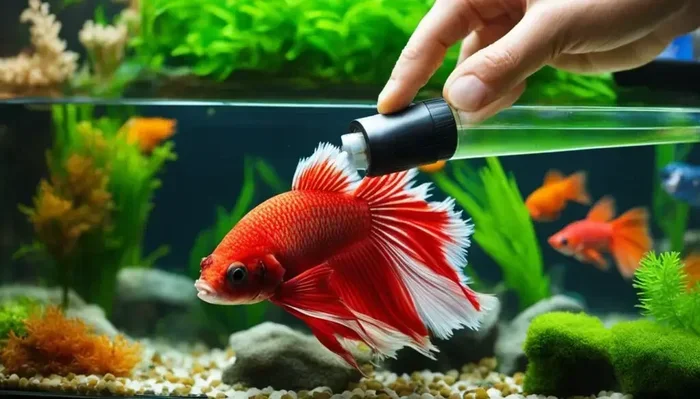
- Use a siphon vacuum to remove debris from the substrate during water changes.
- Keep a log of your water parameters. Tracking trends helps you catch issues early.
- Match the temperature of new water to the tank water within 2 degrees Fahrenheit.
- Buy a liquid test kit and test your water at least once a week.
- When in doubt, condition the water. It is always better to be safe than sorry.
These small habits become second nature over time. They take just a few minutes but make a huge difference in your betta’s quality of life.
Conclusion
Preparing water for your betta fish tank is not complicated, but it is critically important. From choosing the right water source to conditioning, heating, and testing, each step plays a role in your fish’s health. When you take the time to do it right, you create a safe and comfortable home for your betta to thrive.
Remember that how to prepare water for betta fish tank is not a one-time task. It is an ongoing process that becomes part of your regular fish care routine. Stay consistent with water changes, keep your parameters stable, and always treat new water before adding it to the tank. Your betta will reward you with vibrant colors, active behavior, and a long, healthy life.
The effort you put into water preparation today prevents problems tomorrow. Start with these steps, build good habits, and enjoy the rewarding experience of keeping a happy, healthy betta fish.
Frequently Asked Questions
What is the best water for betta fish tanks?
Tap water treated with a conditioner is the best and most convenient option for most betta owners. It contains the necessary minerals and is easy to prepare. Just make sure to remove chlorine and chloramine before adding it to the tank.
How long should you let water sit before adding betta fish?
If you are letting water sit to remove chlorine, 24 hours is ideal. However, this method does not remove chloramine. Using a water conditioner is faster and more effective, treating the water in just a few minutes.
Can I use bottled water for my betta fish tank?
Spring water can work if it contains natural minerals. Avoid distilled water unless you remineralize it first. Always test the water parameters before using bottled water in your betta tank.
How often should I change the water in my betta tank?
For a 5-gallon tank, change 25-30% of the water every week. Larger tanks may need less frequent changes. Consistent water changes are one of the best things you can do for your betta’s health.
Do betta fish need a water heater?
Yes, betta fish need warm water between 76 and 82 degrees Fahrenheit. A small aquarium heater helps maintain stable temperatures. Without a heater, your betta may become stressed or susceptible to illness.
What happens if you put untreated tap water in a betta tank?
Untreated tap water contains chlorine and chloramine that can damage your betta’s gills and skin. It can cause respiratory distress, burns, and even death. Always condition tap water before adding it to your fish tank.