How to Prepare the Water for a Betta Fish
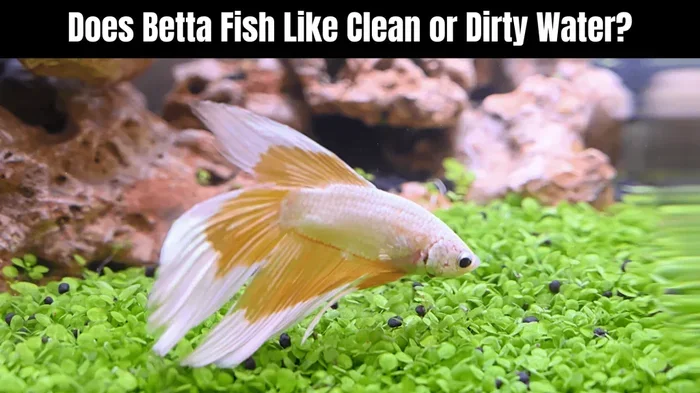
Preparing the water for a betta fish is the most important step you can take for your pet’s health. This guide walks you through dechlorinating, conditioning, and balancing your water so your betta thrives. You will learn the exact steps, common mistakes to avoid, and expert tips that make the process easy and effective.
Key Takeaways
- Always treat tap water before adding it to your betta tank: chlorine and chloramine can seriously harm your fish.
- Dechlorinate with a quality water conditioner: this is the single most important product for betta fish water preparation.
- Check your water temperature regularly: betta fish need warm water between 76°F and 82°F to stay healthy.
- Test your water parameters often: pH, ammonia, nitrite, and nitrate levels directly impact betta fish health.
- Let water sit or use a conditioner to remove harmful chemicals: both methods work, but conditioner is faster and more reliable.
- Never use untreated tap water directly: even small amounts of chlorine can damage your betta’s gills and immune system.
📑 Table of Contents
- How to Prepare the Water for a Betta Fish
- Why Water Preparation Matters So Much
- Step-by-Step Guide to Preparing Betta Fish Water
- Common Mistakes to Avoid When Preparing Betta Fish Water
- How Often Should You Prepare Fresh Water for Your Betta?
- Quick Tips for Perfect Betta Fish Water Every Time
- Expert Insights on Betta Fish Water Quality
- Conclusion
How to Prepare the Water for a Betta Fish
If you own a betta fish, you already know how stunning and lively these little creatures can be. But here is something many new owners overlook: the water you put in the tank matters just as much as the tank itself. Preparing the water for a betta fish properly sets the foundation for a long, healthy life for your pet.
Tap water contains chemicals like chlorine and chloramine that are harmless to humans but dangerous to fish. Even trace amounts can hurt your betta’s gills, stress its immune system, and lead to serious health problems. The good news is that preparing betta fish water does not have to be complicated. With the right steps and a little practice, you can create a safe and comfortable environment every single time.
In this guide, we will walk you through each step in detail. You will learn exactly what to do, what tools you need, and how to avoid the most common mistakes. Whether you are a complete beginner or just looking to improve your routine, this article covers everything you need to know about betta fish water preparation.
Why Water Preparation Matters So Much
Betta fish are native to the warm, slow-moving waters of Southeast Asia. They have adapted to specific conditions, and sudden changes in their environment can cause immense stress. Water quality is the number one factor that affects betta fish health. Poor water leads to disease, lethargy, loss of color, and in worst cases, death.
When you prepare the water correctly, you remove harmful substances and create conditions that mimic your betta’s natural habitat. This is not just about keeping your fish alive. It is about helping it thrive, display its vibrant colors, and show natural behaviors like building bubble nests and exploring its surroundings.
What Is in Your Tap Water?
Most municipal water supplies contain chlorine or chloramine. These chemicals kill bacteria and make water safe for human drinking. But they are equally effective at killing the beneficial bacteria in your aquarium. Here is a quick look at what you are dealing with:
- Chlorine: a gas that evaporates over time but can still harm fish in the short term.
- Chloramine: a combination of chlorine and ammonia. It does not evaporate easily and requires a water conditioner to neutralize.
- Heavy metals: trace amounts of copper, lead, and zinc can be present in tap water and are toxic to fish.
- Fluorida and phosphates: these can promote algae growth and affect water clarity over time.
This is exactly why learning how to prepare the water for a betta fish is so essential. You cannot just fill a tank straight from the faucet and expect your betta to be fine.
Step-by-Step Guide to Preparing Betta Fish Water
Now let us get into the practical steps. This is the core of everything. Follow these steps every time you do a water change or set up a new tank.
Step 1: Gather Your Supplies
Before you start, make sure you have everything ready. You do not want to scramble in the middle of the process. Here is what you need:
- A clean bucket dedicated only to aquarium use
- A water conditioner (also called a dechlorinator or tap water conditioner)
- A thermometer to check the water temperature
- A water test kit to measure pH, ammonia, nitrite, and nitrate
- A siphon or gravel vacuum for cleaning the substrate
- Clean, chemical-free towels for spills
Pro tip: never use a bucket that has been used for cleaning chemicals or household products. Even tiny residues can be fatal to your betta. Keep a separate bucket just for your aquarium.
Step 2: Get the Right Water Source
Tap water is the most common source for aquariums, but it must be treated first. Some hobbyists use spring water or RO (reverse osmosis) water, but these can lack essential minerals that betta fish need. Tap water, once properly conditioned, is the best and most affordable option for most betta owners.
If you are unsure about your local water quality, contact your municipal water supplier. They can provide a report on the levels of chlorine, chloramine, and other additives in your tap water. This information helps you choose the right conditioner and dosage.
Step 3: Treat the Water with a Conditioner
This is the most critical step. A water conditioner for betta fish neutralizes chlorine, chloramine, and heavy metals instantly. You simply add the recommended dose to the bucket of water before it goes into the tank.
Most conditioners work within minutes. However, if your water supply uses chloramine, make sure your conditioner is specifically formulated to handle it. Some conditioners also add beneficial slime coat protectors and electrolytes that support your betta’s skin and gills.
Always follow the dosage instructions on the bottle. Using too little may not fully neutralize the chemicals, and using too much generally will not cause harm but is a waste of product.
Step 4: Check and Adjust the Water Temperature
Betta fish are tropical fish and need warm water to stay healthy. The ideal range is between 76°F and 82°F (24°C to 28°C). Water that is too cold can make your betta sluggish and susceptible to illness. Water that is too hot reduces oxygen levels and can stress your fish.
Use a reliable aquarium thermometer to check the temperature before adding the water to your tank. If the water is too cold, let it sit for a while or use a small heater. For more detailed guidance on maintaining the right warmth, check out our guide on how to keep water warm for betta fish.
Step 5: Test the Water Parameters
Once your water is treated and at the right temperature, it is time to test the parameters. You want to check:
- pH level: betta fish prefer a pH between 6.5 and 7.5. Sudden pH swings are more dangerous than a slightly off number.
- Ammonia: should be 0 ppm (parts per million). Even 0.25 ppm can be toxic.
- Nitrite: should also be 0 ppm. Nitrite damages the gills and prevents oxygen absorption.
- Nitrate: should be below 20 ppm. Nitrate builds up over time and is less toxic but still harmful at high levels.
Use a liquid test kit for the most accurate results. Test strips are convenient but less precise. Testing your water regularly helps you catch problems before they become serious threats to your betta’s well-being.
Step 6: Add the Water to the Tank Slowly
Do not pour the water directly into the tank from a height. The force can disturb the substrate, uproot plants, and stress your betta. Instead, pour the water slowly onto a plate or into a clean bowl first. Let it flow gently into the tank.
If you are adding water to an established tank, match the temperature and parameters of the new water as closely as possible to the existing tank water. Sudden changes in water conditions are one of the biggest causes of stress and disease in betta fish.
Common Mistakes to Avoid When Preparing Betta Fish Water
Even experienced fish keepers make mistakes sometimes. Here are the most common errors and how to avoid them.
Using Untreated Tap Water
This is the number one mistake. Some beginners think that if the water looks clear, it is safe. But chlorine and chloramine are invisible. They do not make the water cloudy. Always treat your water before adding it to the tank. Using tap water conditioner for betta fish is a non-negotiable step.
Letting Water Sit for Too Long
Some people believe that letting tap water sit out for 24 hours will remove all harmful chemicals. This works for chlorine but not for chloramine, which does not evaporate. If your water supply uses chloramine, sitting the water will not help. Always use a conditioner.
Ignoring Water Temperature
Adding cold water to a warm tank can shock your betta. The temperature difference does not have to be huge to cause stress. Always check the temperature of both the new water and the tank water before mixing.
Overlooking the Water Test
Just because the water looks clean does not mean it is safe. Ammonia and nitrite are invisible but deadly. Testing your water regularly is the only way to know for sure what is happening at the chemical level.
Using the Wrong Bucket or Container
Never use a bucket that has held soap, detergent, or any cleaning product. Residue can be lethal even in tiny amounts. Designate one bucket exclusively for aquarium use and keep it in a clean, safe place.
How Often Should You Prepare Fresh Water for Your Betta?
For a single betta fish in a tank of at least 5 gallons, a partial water change of 25% to 50% every week is a solid routine. Regular water changes remove built-up nitrates and replenish essential minerals that your betta needs.
In a smaller bowl or vase, you may need to change the water more frequently, perhaps every few days. For more details on how often to change your betta’s water, check out our guide on how often to change water for betta fish.
The frequency also depends on whether you have a filter, the tank size, and the number of plants. Tanks with filters and live plants can sometimes go a bit longer between changes, but weekly water preparation should remain a consistent habit.
Quick Tips for Perfect Betta Fish Water Every Time
Here are some extra tips that experienced betta keepers swear by:
- Always let the new water reach room temperature before adding it to the tank. Cold water shock is a common cause of betta stress.
- Use a water conditioner that also removes heavy metals. Not all conditioners are created equal, and some basic ones only handle chlorine.
- Keep a log of your water changes and test results. This helps you spot trends and catch problems early.
- When in doubt, err on the side of caution. It is better to change the water a little too often than too little.
- If you are setting up a new tank, make sure to cycle it first. A cycled tank has beneficial bacteria that break down ammonia and keep the water safe. For a full walkthrough, see our guide on how to cycle a fish tank for betta.
Expert Insights on Betta Fish Water Quality
Veterinarians and experienced aquarists agree that water quality is the single most impactful thing you can control when keeping betta fish. Dr. Jessie Sanders, a certified aquatic veterinarian, often emphasizes that “most common betta health issues stem from poor water quality rather than germs or infections.”
This means that by simply taking the time to properly prepare your water, you are already doing more for your betta’s health than most owners realize. You do not need expensive equipment or complicated routines. You need consistency, the right products, and a little attention to detail.
Proper betta fish water preparation also supports the nitrogen cycle in your tank. The beneficial bacteria that live in your filter and substrate need stable, clean water to thrive. These bacteria convert toxic ammonia into less harmful nitrate, creating a balanced ecosystem that keeps your betta healthy day after day.
Conclusion
Preparing the water for a betta fish is simple, but it is not optional. Every time you add water to your tank, you are shaping the environment your betta lives in. Treat the water, check the temperature, test the parameters, and do it consistently. These small habits add up to a big difference in your betta’s health, color, and lifespan.
Your betta fish deserves a safe and comfortable home. By following the steps in this guide, you are giving your pet the best possible start. Keep it simple, stay consistent, and enjoy the rewarding experience of watching your betta thrive in clean, well-prepared water.
Frequently Asked Questions
Can I use bottled water for my betta fish?
Bottled spring water can work, but it often lacks the minerals betta fish need and can be expensive. Tap water, once properly treated with a conditioner, is the most practical and cost-effective choice for preparing water for your betta.
How long should I let tap water sit before adding it to the tank?
If your water only contains chlorine, letting it sit for 24 hours can work. However, most municipal supplies use chloramine, which does not evaporate. Always use a water conditioner to neutralize harmful chemicals instantly, regardless of how long the water sits.
What is the best water conditioner for betta fish?
Look for a conditioner that removes chlorine, chloramine, and heavy metals. Many popular brands are effective and affordable. Choose one that also adds beneficial elements like aloe vera or slime coat protectors for extra betta fish care benefits.
Do I need to test my water every time I do a water change?
Testing every time is ideal, but at minimum, test once a week. Regular testing helps you catch ammonia or nitrite spikes early. Consistent monitoring is one of the best habits for long-term betta fish health and tank stability.
Can I prepare water the night before a water change?
Yes, preparing water in advance is a great practice. Just make sure you add the water conditioner before storing it, and keep the bucket covered to prevent dust or contaminants from getting in. Check the temperature before adding it to the tank.
Is it okay to use a water filter instead of conditioning tap water?
A water filter helps clean the tank water but does not replace the need for a water conditioner. You still need to treat tap water before adding it to the tank. Filters work inside the aquarium to maintain water quality between water changes.