How to Neutralize Water for Betta Fish
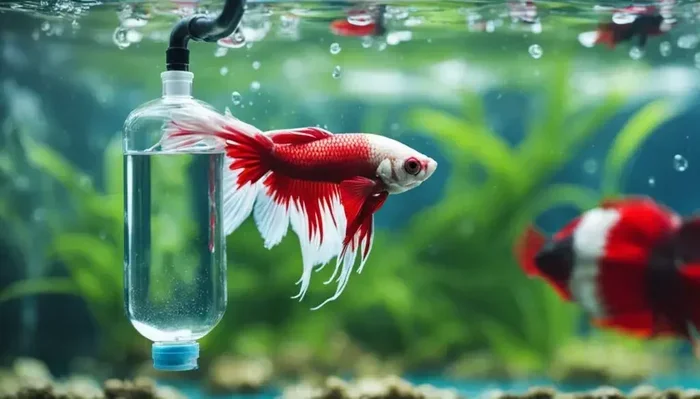
Neutralizing water for betta fish is one of the most important steps you can take to keep your pet healthy and thriving. Tap water contains harmful chemicals like chlorine and chloramine that can seriously damage your betta’s gills and immune system. This guide walks you through every method, product, and tip you need to neutralize water for betta fish quickly and safely.
Keeping your betta fish healthy starts with one simple but critical step: making sure the water in their tank is safe. Many new fish owners don’t realize that tap water can be full of harmful chemicals that are invisible but dangerous. Chlorine, chloramine, and heavy metals can irritate your betta’s delicate gills, weaken their immune system, and even cause death if left untreated.
That is exactly why neutralizing water for betta fish is so important. Whether you are setting up a new tank or doing a routine water change, taking the time to properly treat your water makes all the difference. In this guide, we will walk you through every method, product, and best practice you need to know. By the end, you will feel confident that your betta is living in a safe and healthy environment.
The good news is that neutralizing water is not complicated. You do not need expensive equipment or a chemistry degree. A few simple tools and a little knowledge go a long way. Let us dive in and explore everything you need to know about making water safe for betta fish.
Key Takeaways
- Always treat tap water before adding it to your betta tank. Untreated water contains chlorine, chloramine, and heavy metals that are toxic to betta fish.
- Water conditioners are the fastest and easiest way to neutralize harmful chemicals in seconds.
- Letting water sit for 24 hours can remove chlorine but does not eliminate chloramine or heavy metals.
- Test your water regularly using aquarium test kits to monitor pH, ammonia, nitrite, and nitrate levels.
- Match the temperature of new water to your tank water to prevent thermal shock and stress.
- Avoid over-conditioning by following dosage instructions based on your tank size.
- Perform regular water changes (25-50% weekly) to maintain a clean and safe environment for your betta.
📑 Table of Contents
- Why Neutralizing Water Matters for Betta Fish
- Common Water Contaminants and Their Effects
- How to Neutralize Water for Betta Fish: Step-by-Step
- Best Water Conditioners for Neutralizing Betta Tank Water
- Maintaining Safe Water Quality Long-Term
- Common Mistakes to Avoid When Neutralizing Water
- Expert Insights: What the Pros Say About Neutralizing Water
- Key Takeaways
Why Neutralizing Water Matters for Betta Fish
Betta fish are tropical freshwater fish that thrive in clean, stable water. Their natural habitat is warm, slow-moving waters in Southeast Asia. When you keep a betta in a home aquarium, you are responsible for recreating those safe conditions. And the first step in doing that is ensuring the water is free from harmful substances.
Municipal tap water is treated with disinfectants to make it safe for humans to drink. However, those same chemicals can be very harmful to fish. Even small amounts of chlorine can damage the sensitive tissues inside a betta’s gills. Over time, this kind of exposure leads to stress, disease, and a shortened lifespan.
Neutralizing water for betta fish removes or breaks down these dangerous chemicals before they ever reach your tank. Think of it like washing fruits and vegetables before you eat them. You are removing something harmful so that what remains is safe and healthy. Your betta depends on you to do this every single time you add water to the tank.
Beyond just chlorine, untreated water can also contain heavy metals like copper and lead. These metals accumulate over time and can cause serious health problems. They may not kill your fish immediately, but they weaken your betta gradually. Regular water treatment for betta fish helps prevent this slow buildup of toxins.
Common Water Contaminants and Their Effects
Before we get into the how-to, it helps to understand what exactly you are neutralizing. Here are the most common contaminants found in tap water and how they affect betta fish.
Chlorine
Chlorine is added to most municipal water supplies to kill bacteria and germs. It is effective for human consumption but very irritating to fish. Even low levels of chlorine can cause burning and inflammation of the gill tissue. Signs of chlorine exposure include gasping at the surface, redness, and erratic swimming.
Chloramine
Chloramine is a combination of chlorine and ammonia. Many water treatment plants now use chloramine instead of chlorine because it lasts longer in the water supply. While this is better for human drinkers, it is even more dangerous for fish. Chloramine does not dissipate as quickly as chlorine and requires a dedicated water conditioner to neutralize it properly.
Heavy Metals
Copper, lead, zinc, and other heavy metals can enter your tap water through old pipes and plumbing. These metals are toxic to fish even in tiny amounts. They can damage organs, impair reproduction, and suppress the immune system. A good water conditioner for betta fish will bind to these metals and render them harmless.
High pH and Alkalinity
Some tap water sources have a pH or alkalinity level that is too high or too low for betta fish. Bettas prefer a slightly acidic to neutral pH, typically between 6.5 and 7.5. Water that falls outside this range can cause stress and make your fish more vulnerable to illness.
How to Neutralize Water for Betta Fish: Step-by-Step
Now that you understand why neutralization matters and what you are fighting against, let us get into the practical steps. Here is a clear, easy-to-follow process for neutralizing water for betta fish every time you need to add or change water in the tank.
Step 1: Gather Your Supplies
Before you start, make sure you have everything you need on hand. You will need a water conditioner specifically designed for aquarium use, a clean bucket or container, a thermometer, and optionally an aquarium test kit. Having everything ready makes the process smooth and stress-free for both you and your fish.
Step 2: Fill Your Bucket with Fresh Water
Fill a clean bucket with tap water. Make sure the bucket has never been washed with soap or detergent, as residue can be toxic to fish. If possible, let the water run for a minute or two before filling the bucket. This helps flush out any standing water that may have higher concentrations of contaminants from your pipes.
Step 3: Add Water Conditioner
This is the most important step. Add the recommended dose of aquarium water conditioner to the bucket. Most products, such as Seachem Prime or API Tap Water Conditioner, work instantly and are very effective at dechlorinating water for betta fish. Always follow the dosage instructions on the label based on the volume of water you are treating.
If you are dealing with chloramine, make sure your conditioner specifically states that it handles chloramine. Many quality conditioners do, but it is always worth double-checking. Some conditioners also add beneficial slime coats to your betta’s skin, which is a nice bonus.
Step 4: Let the Water Sit (Optional but Recommended)
After adding the conditioner, let the water sit for about 10 to 15 minutes. This gives the conditioner time to fully react with all the contaminants. While many conditioners work almost instantly, a short waiting period ensures maximum effectiveness.
Step 5: Match the Temperature
Betta fish are tropical and are very sensitive to temperature changes. Use a thermometer to check the temperature of the treated water. It should match the temperature of your tank as closely as possible, ideally within 1 to 2 degrees Fahrenheit. If the water is too cold or too warm, you can gently warm it with a heater or let it cool before adding it to the tank.
Step 6: Add the Water to the Tank
Slowly pour the treated water into the tank. Avoid pouring directly onto your betta or onto any decorations. A gentle flow reduces stress and prevents disturbing the substrate. If you are doing a water change, use a siphon to remove old water first, then add the new treated water.
For more details on the water change process itself, check out our guide on how to do a water change for betta fish. It covers everything from siphoning techniques to how much water to replace.
Best Water Conditioners for Neutralizing Betta Tank Water
Not all water conditioners are created equal. Some are basic and only remove chlorine, while others offer comprehensive protection against a wide range of contaminants. Here are some of the most popular and reliable options for conditioning tap water for betta fish.
Seachem Prime is widely considered the gold standard in aquarium water conditioning. It removes chlorine, chloramine, and heavy metals instantly. It also detoxifies ammonia and nitrite, which is incredibly helpful during the cycling process or after a water change. Prime is concentrated, so a little goes a long way, making it economical over time.
API Tap Water Conditioner is another excellent choice. It is affordable, widely available, and very easy to use. It removes chlorine and chloramine effectively and also detoxifies heavy metals. Many beginner fish keepers start with API because it is simple and reliable.
Fluval Water Conditioner offers a slightly different formula that includes aloe vera to soothe and protect your betta’s slime coat. This can be especially helpful if your fish is recovering from stress or a minor injury. It also neutralizes chlorine and chloramine quickly.
When choosing a conditioner, look for one that specifically lists chloramine and heavy metals on the label. A product that only removes chlorine may not provide full protection. Always read the instructions carefully and dose according to your tank size.
Quick Tip: Do Not Skip the Conditioner
Some fish keepers think that if they let water sit out for 24 hours, it is safe to add to the tank. While this does allow chlorine to dissipate, it does not remove chloramine or heavy metals. Chloramine, in particular, will not go away on its own. Always use a proper conditioner to be safe.
Maintaining Safe Water Quality Long-Term
Neutralizing water is not a one-time task. It is something you need to do consistently as part of your regular betta care routine. Maintaining safe water quality for betta fish goes hand in hand with neutralization and helps create a stable, healthy environment.
Perform Regular Water Changes
The best practice for most betta tanks is to change 25 to 50 percent of the water every one to two weeks. This removes accumulated nitrates, uneaten food, and other waste products. Each time you add new water, make sure to condition it properly before it enters the tank.
If you are unsure how often to change your specific setup, our article on how often to change water for betta fish provides detailed guidance based on tank size and stocking levels.
Test Your Water Regularly
An aquarium test kit is an essential tool for any fish keeper. Test your water at least once a week for ammonia, nitrite, nitrate, and pH. These tests tell you whether your neutralization efforts are working and whether any adjustments are needed. If you notice any spikes in ammonia or nitrite, it is a sign that something is off and needs attention.
Keep Your Tank Clean
A clean tank supports healthy water quality. Remove uneaten food promptly, vacuum the substrate during water changes, and rinse filter media in removed tank water (never tap water, as it can kill beneficial bacteria). A well-maintained filter also plays a big role in keeping the water safe between changes.
Monitor Temperature Consistently
Bettas need warm water, ideally between 76 and 82 degrees Fahrenheit. Use a reliable aquarium heater with a thermostat to maintain a steady temperature. Sudden temperature swings can stress your betta and weaken its immune system, making it more susceptible to disease.
Common Mistakes to Avoid When Neutralizing Water
Even experienced fish keepers sometimes make mistakes when treating water. Here are some common errors to watch out for.
- Using too much conditioner. Overdosing will not make the water safer. In fact, excessive conditioner can strip the oxygen from the water and harm your betta. Always follow the recommended dosage.
- Using soap or detergent to clean equipment. Even a tiny amount of soap residue can be lethal to fish. Rinse all buckets, nets, and containers with plain water only.
- Adding untreated tap water directly to the tank. This is the single most common mistake new fish owners make. Never skip the conditioning step, no matter how rushed you are.
- Ignoring temperature differences. Adding water that is significantly warmer or cooler than the tank water can cause thermal shock. Always check and match temperatures first.
- Relying only on letting water sit. As mentioned earlier, this only removes chlorine, not chloramine or heavy metals. Always use a proper conditioner for full protection.
For more information on avoiding water-related problems, read our guide on how to save a dying betta fish after a water change. It covers emergency steps you can take if your fish shows signs of distress after a water change.
Expert Insights: What the Pros Say About Neutralizing Water
Experienced betta keepers and aquatic veterinarians agree on one thing: consistent water treatment is the foundation of good fish health. Dr. Jessie Sanders, a certified aquatic veterinarian, often emphasizes that most common betta health issues trace back to poor water quality. The solution, she says, is simple but requires discipline.
“The most important thing betta owners can do is treat every drop of water that goes into the tank,” says Dr. Sanders. “A good conditioner takes seconds and can prevent weeks of illness and stress.”
Many professional breeders also emphasize the importance of preparing water for betta fish ahead of time. Rather than treating water on the spot, they prepare batches of conditioned water in advance. This ensures the water is at the right temperature and fully neutralized before it is ever added to a tank.
Another pro tip from experienced keepers is to invest in a water test kit and use it regularly. You cannot always tell if water is safe just by looking at it. Testing removes the guesswork and gives you confidence that your neutralization efforts are working.
For beginners who want a complete overview of betta care basics, our How to Care for a Betta Fish 101 guide covers everything from water preparation to feeding and tank setup.
Key Takeaways
- Always treat tap water before adding it to your betta tank. Untreated water contains chlorine, chloramine, and heavy metals that are toxic to betta fish.
- Water conditioners are the fastest and easiest way to neutralize harmful chemicals in seconds.
- Letting water sit for 24 hours can remove chlorine but does not eliminate chloramine or heavy metals.
- Test your water regularly using aquarium test kits to monitor pH, ammonia, nitrite, and nitrate levels.
- Match the temperature of new water to your tank water to prevent thermal shock and stress.
- Perform regular water changes (25-50% weekly) to maintain a clean and safe environment for your betta.
Frequently Asked Questions
Can I use bottled water instead of tap water for my betta fish?
Bottled water can work, but it depends on the type. Spring water and purified water may lack the minerals your betta needs, while distilled water is too pure and can strip essential electrolytes from your fish. If you use bottled water, check the mineral content first and consider adding a remineralizer. The simplest and most reliable approach is still to use tap water treated with a quality conditioner.
How long does it take for water conditioner to neutralize tap water?
Most quality water conditioners work almost instantly, usually within 1 to 2 minutes. However, it is still a good idea to let the treated water sit for 10 to 15 minutes before adding it to the tank. This gives the conditioner time to fully react with all contaminants and ensures the water is completely safe for your betta.
What happens if I accidentally add untreated tap water to my betta tank?
If you accidentally add untreated tap water, do not panic. The severity depends on the amount of untreated water added and the concentration of chlorine or chloramine in your tap water. If it was a small amount, your betta may show mild stress but should recover. Watch for signs like gasping, clamped fins, or lethargy. If you added a large amount, perform a partial water change immediately with properly treated water.
Do I need to neutralize water every time I top off the tank?
Yes, you should always treat new water before adding it to the tank, even for small top-offs. Evaporation removes only pure water, leaving behind dissolved minerals and contaminants. When you add fresh tap water to replace what was lost, you are also adding chlorine, chloramine, and heavy metals. Treating every addition keeps the water consistently safe.
Can I use a water filter to neutralize water instead of a conditioner?
A water filter can help remove some impurities, but it is not a substitute for a water conditioner when it comes to neutralizing chlorine, chloramine, and heavy metals. Filters work mechanically or biologically, while conditioners use chemical reactions to neutralize specific toxins. The best approach is to use both a filter for ongoing water maintenance and a conditioner for every water change or addition.
Is it safe to use a water conditioner every day for my betta tank?
Yes, it is safe to use a water conditioner every day if needed, especially if you are doing frequent small water changes or topping off the tank. Most conditioners are formulated to be safe for daily use at the recommended dosage. Just make sure you are not overdosing by adding more than the label recommends for your water volume.
=== CONCLUSION ===
Neutralizing water for betta fish is one of the simplest yet most impactful things you can do for your pet’s health. It takes just a few minutes, costs very little, and prevents a wide range of serious health problems. Whether you use a liquid conditioner, let water sit, or combine methods, the key is consistency. Treat every drop of water, test your parameters regularly, and keep your tank clean.
Your betta fish counts on you to provide a safe and healthy home. By making water neutralization a regular habit, you are giving your betta the best possible chance to thrive. A happy, healthy betta is a beautiful betta, and that is what every fish keeper wants. Start today, stay consistent, and enjoy the rewards of being a responsible and caring fish owner.